Mexican Jewelry Designers: A 2026 Value & Budget Guide
Evaluate Mexican jewelry designers with our 2026 budget guide. Learn to assess Taxco silver hallmarks, artisan techniques, and fair pricing tiers.

The Evolution of Mexican Silver: From Taxco to Contemporary Studios
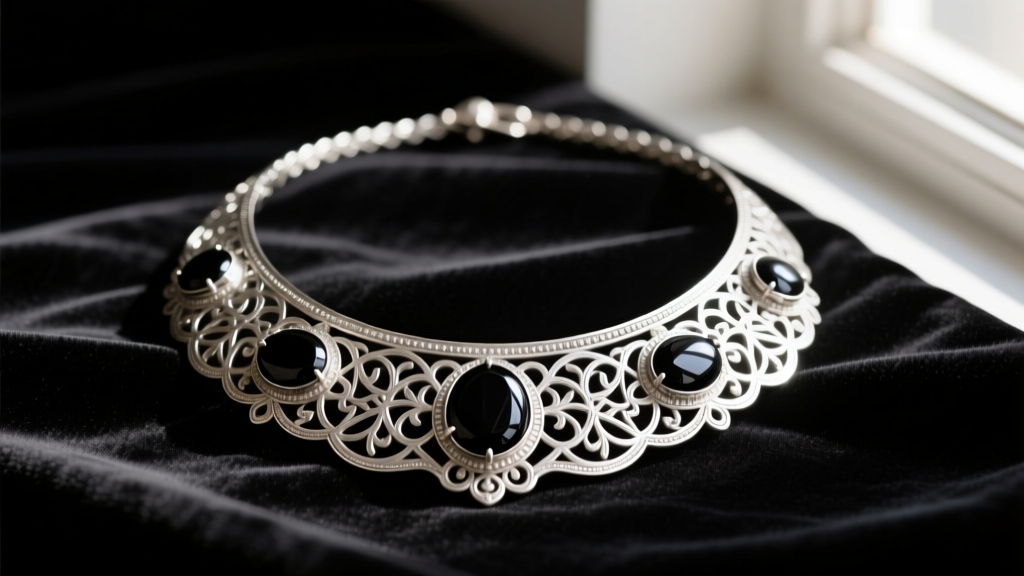
The legacy of Mexican silver jewelry, catalyzed by William Spratling’s 1930s Taxco workshops, has evolved into a highly bifurcated 2026 market. Today, when evaluating mexican jewelry designers, buyers must navigate a landscape split between high-volume commercial exports and hyper-specialized artisan studios. Understanding where a piece falls on this spectrum is the first step in accurate budget and value assessment. A heavy silver cuff from a tourist market in Cabo San Lucas operates on an entirely different value proposition than a lost-wax cast, gem-set piece from a contemporary gallery designer in Mexico City. To assess true value, we must deconstruct the materials, the labor, and the hallmarking systems that define Mexican silverwork.
Decoding Purity: .925 Sterling vs. .950 Mexican Silver
Unlike most global markets that strictly adhere to .925 sterling silver (92.5% pure silver, 7.5% copper alloy), Mexican artisans frequently utilize .950 silver. This higher purity alloy (95% silver, 5% copper) is a hallmark of traditional Taxco craftsmanship.
- .925 Sterling: Offers higher tensile strength, making it ideal for structural components, clasps, and contemporary designs featuring heavy gemstone settings. It resists warping but oxidizes slightly faster due to the higher copper content.
- .950 Silver: Softer, more malleable, and highly prized for intricate techniques like filigrana (filigree) and calado (openwork). It develops a richer, darker patina over time and possesses a slightly warmer, whiter luster straight out of the polish. However, it is prone to denting if used in thin, high-impact rings or bracelets.
From a budget perspective, .950 silver commands a 10% to 15% premium over .925 purely based on melt value, but the true value multiplier lies in the artisan labor required to manipulate the softer alloy without tearing it.
Hallmark Forensics: Verifying Authenticity
A critical component of value assessment is verifying the piece's origin and maker. The Mexican government has utilized several hallmarking systems over the decades, and recognizing them separates informed collectors from overpaying tourists.
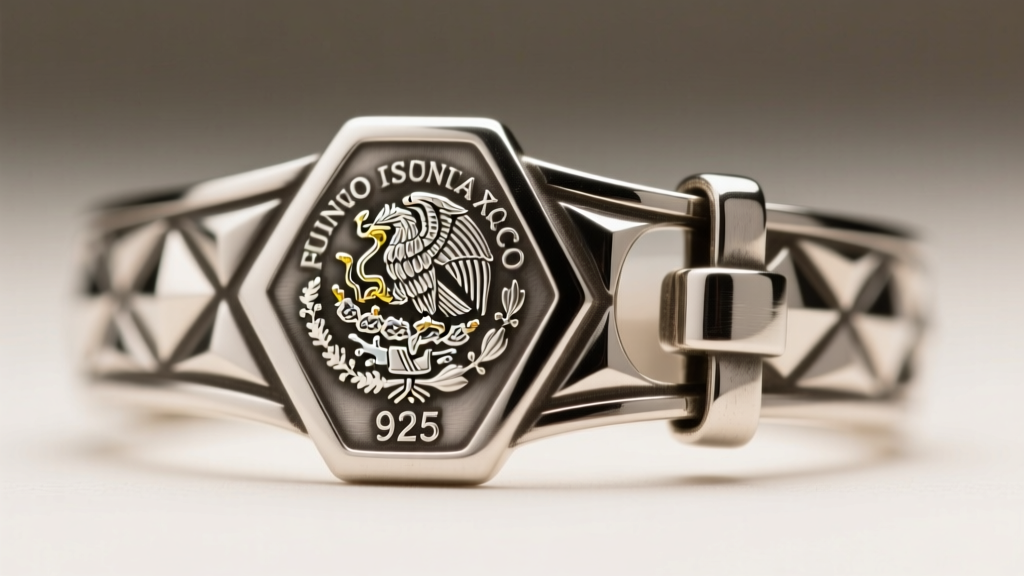
The Eagle Mark Era (1948–1979): If you are buying vintage Mexican jewelry, look for the stamped Mexican Eagle. The number inside or next to the eagle indicates the region (e.g., 1 for Mexico City, 3 for Taxco). Pieces from this era by recognized masters like Antonio Pineda or Margot de Taxco carry significant historical premiums.
For modern pieces, the system introduced in 1979 is standard. According to the 925-1000 Mexican Silver Marks Guide, contemporary hallmarks consist of two letters and a number. The first letter denotes the state or city (e.g., 'T' for Taxco, 'M' for Mexico City), the second letter is the first initial of the maker's surname, and the number is their specific registry assignment. A piece stamped "TA-01" alongside "925" and "MEXICO" guarantees traceable authenticity, justifying a higher price point than unmarked or simply "925 MEXICO" stamped wares.
The 2026 Pricing Matrix: Assessing True Market Value
To accurately budget for Mexican jewelry, you must separate the intrinsic scrap value of the silver from the craftsmanship multiplier. Below is a structural breakdown of the 2026 market tiers for mexican jewelry designers and artisans.
| Market Tier | Primary Techniques | Avg. Silver Weight | Price Range (USD) | Value Proposition |
|---|---|---|---|---|
| Tier 1: Commercial | Die-stamped, cast, simple soldering | 15g – 40g | $40 – $120 | Paid mostly for melt value + low margin. High volume. |
| Tier 2: Master Artisan | Filigree, calado, hand-hammered | 40g – 120g | $150 – $800 | Labor-intensive. High value retention. Collectible. |
| Tier 3: Contemporary Gallery | Lost-wax cast, mixed metals, pave | 30g – 90g | $900 – $4,000+ | Design-driven, brand equity, rare gemstone integration. |
Tier 1: Commercial & Stamped ($40 – $120)
These pieces are ubiquitous in resort towns and online marketplaces. They are typically die-stamped or produced via basic rubber-mold casting. The value here is strictly ornamental. When assessing these pieces, weigh them mentally. If a heavy, solid silver chain is priced near the daily spot price of silver plus a 20% markup, it is a fair commercial deal. Do not expect heirloom longevity or structural perfection in the clasps.
Tier 2: Master Artisans & Heritage Techniques ($150 – $800)
This is the sweet spot for serious collectors seeking cultural authenticity. Techniques like calado (where the artisan uses a jeweler's saw to hand-cut intricate negative spaces into a solid silver sheet) require dozens of hours of labor. A heavy .950 silver cuff featuring deep, hand-chiseled Aztec motifs from a registered Taxco artisan should cost between $300 and $600, reflecting the sheer hours of bench time required to execute the relief work without casting flaws.
Tier 3: Contemporary Gallery Designers ($900 – $4,000+)
Designers operating out of Mexico City’s Polanco district or high-end galleries in San Miguel de Allende blend pre-Columbian motifs with avant-garde, international silhouettes. You are paying for intellectual property, brand prestige, and advanced gemological integration. Pieces in this tier often mix oxidized silver with 18k yellow gold accents and precision-set diamonds or rare paraiba tourmalines.
Gemstone Valuation: Fire Opals and Obsidian
Mexican jewelry designers frequently integrate native stones, but the valuation of these gems varies wildly based on treatment and structural integrity.
The Mexican Fire Opal Conundrum
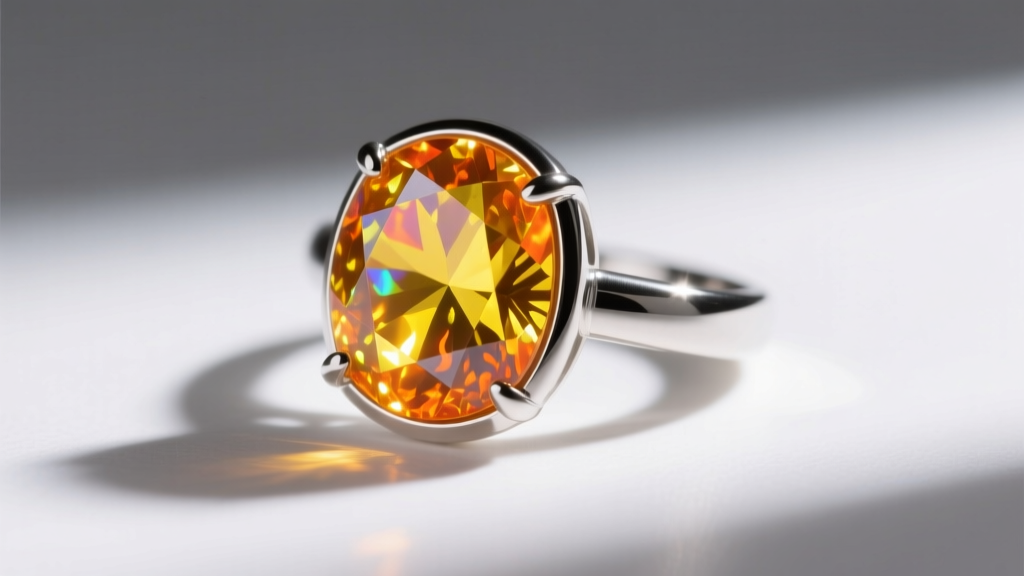
According to the Gemological Institute of America (GIA), Mexican fire opals are renowned for their vivid yellow, orange, and red body colors. However, buyers must distinguish between non-hydrophane fire opals (which are stable, highly valued, and typically faceted) and hydrophane matrix opals (which are porous, absorb water, and are usually cut en cabochon). A high-quality, faceted, non-hydrophane fire opal set in a heavy silver bezel by a recognized designer can easily push a piece into the $1,500+ tier. Conversely, matrix opal cabochons are abundant and should only add $30 to $80 to the base silver value of a piece.
Obsidian and Turquoise
Mexican obsidian, particularly the iridescent "rainbow" or "sheen" varieties, is visually striking but geologically soft (Mohs 5-5.5). It is incredibly cheap to source. If a designer is charging a massive premium for a piece simply because it features a large obsidian cabochon, walk away. The value must lie in the silverwork surrounding the stone, not the stone itself. Turquoise used in Mexican jewelry is often imported from the American Southwest or China; true native Mexican turquoise mines are largely depleted, making verified domestic sources exceptionally rare and valuable.
The Buyer’s Value Assessment Framework
Before purchasing from any mexican jewelry designers or regional vendors, run the piece through this 4-point E-E-A-T (Expertise, Experience, Authoritativeness, and Trustworthiness) checklist to ensure your budget aligns with the actual value:
- The Weight-to-Price Ratio: Calculate the melt value of the piece based on current silver spot prices. If the retail price is less than 1.5x the melt value, it is mass-produced commercial ware. If it is 3x to 5x the melt value, you are paying for artisan labor.
- The Hallmark Audit: Use a jeweler's loupe to inspect the registry marks. A registered Taxco mark (e.g., TC-xx) adds a 20% premium over generic "925 MEXICO" stamps due to traceability and quality assurance.
- Structural Integrity Check: For .950 silver pieces, inspect the prongs and clasps. Because .950 is softer, high-end designers will often use .925 silver or gold for the structural findings while using .950 for the decorative body. A piece made entirely of .950 with thin, pulled prongs is a structural liability.
- Finish and Patina Analysis: Authentic artisan pieces often feature intentional oxidation (antiquing) in the recesses to highlight the relief work. Commercial pieces are usually flash-plated with rhodium to prevent tarnishing in display cases, giving them a cold, chrome-like appearance that masks poor casting seams.
Conclusion: Investing in Cultural Craftsmanship
Navigating the market for Mexican silver requires looking past the romanticism of the region and focusing on the metallurgy, the bench hours, and the verifiable hallmarks. Whether you are acquiring a delicate filigree pendant from a Oaxacan master or a bold, contemporary geometric cuff from a Mexico City gallery, applying this 2026 value assessment framework ensures your budget is allocated toward genuine cultural craftsmanship rather than mass-market souvenirs.


