How to Clean Celtic Jewelry: Silver, Gold & Marble Care
Learn expert techniques to clean Celtic jewelry. Discover safe methods for oxidized silver, intricate knotwork, and Connemara marble.

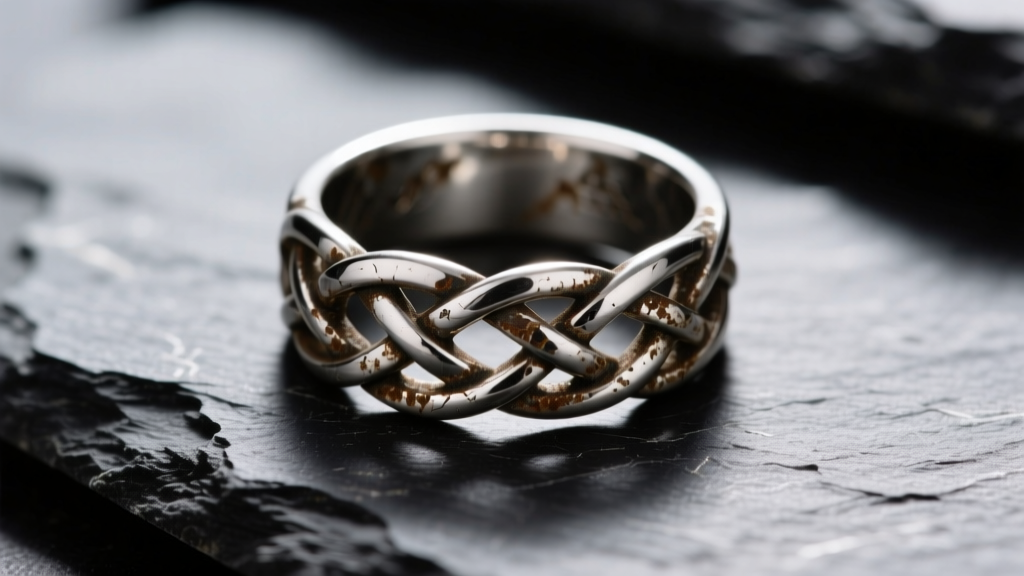
Celtic jewelry is globally revered for its profound symbolism, endless knotwork, and historical resonance. However, the very features that make these pieces breathtaking—deeply carved crevices, intentional oxidation, and the inclusion of porous regional stones—make them uniquely vulnerable to improper cleaning. As a collector or daily wearer, using generic jewelry cleaning methods can irreversibly damage the antiqued finishes and delicate materials characteristic of authentic Celtic designs.
This comprehensive guide provides expert-level maintenance protocols tailored specifically for Celtic jewelry, ensuring your pieces retain their historical integrity and structural brilliance for generations.
The Unique Vulnerabilities of Celtic Designs
Unlike modern minimalist jewelry, Celtic pieces rely heavily on contrast and texture. The iconic interlacing patterns, such as the Shield of Cernunnos or the traditional Claddagh motif, feature deep recesses that easily trap sebum, lotions, and environmental dust. Furthermore, many authentic pieces are crafted using specific regional materials that react poorly to standard commercial cleaners. Understanding the metallurgy and gemology behind your jewelry is the first step in preserving it.
Material-Specific Cleaning Protocols
To properly care for your collection, you must identify the primary materials and tailor your approach accordingly. What works for a polished gold band will ruin an oxidized silver pendant.
Oxidized and Antiqued Sterling Silver
Most traditional Celtic silver jewelry is treated with liver of sulfur (potassium sulfide) to create a dark, oxidized patina in the recessed areas. This intentional oxidation provides the high contrast needed to make the intricate knotwork pop. The Victoria and Albert Museum explicitly warns against using chemical silver dips on antiqued metals. Commercial liquid dips contain thiourea, a chemical that strips silver sulfide (the dark patina) on contact. Using a dip will leave your Celtic ring looking flat, bright, and historically inaccurate.
The Safe Method: Use a phosphate-free, mild dish soap mixed with lukewarm distilled water. Avoid tap water, as chlorine and heavy minerals can cause spotting. Gently agitate the water and use a soft-bristled brush to lift dirt from the crevices without scrubbing away the dark patina.
Connemara Marble and Serpentine
Connemara marble, often called Ireland's national gemstone, is a staple in authentic Celtic jewelry. With a Mohs hardness of just 3 to 4, it is highly porous and primarily composed of calcium carbonate. According to the Gemological Institute of America (GIA), calcium carbonate is highly susceptible to acid etching. Even mild acids found in citrus-based cleaners, vinegar, or your own skin's natural pH over time can cause the marble to develop dull, chalky white spots.
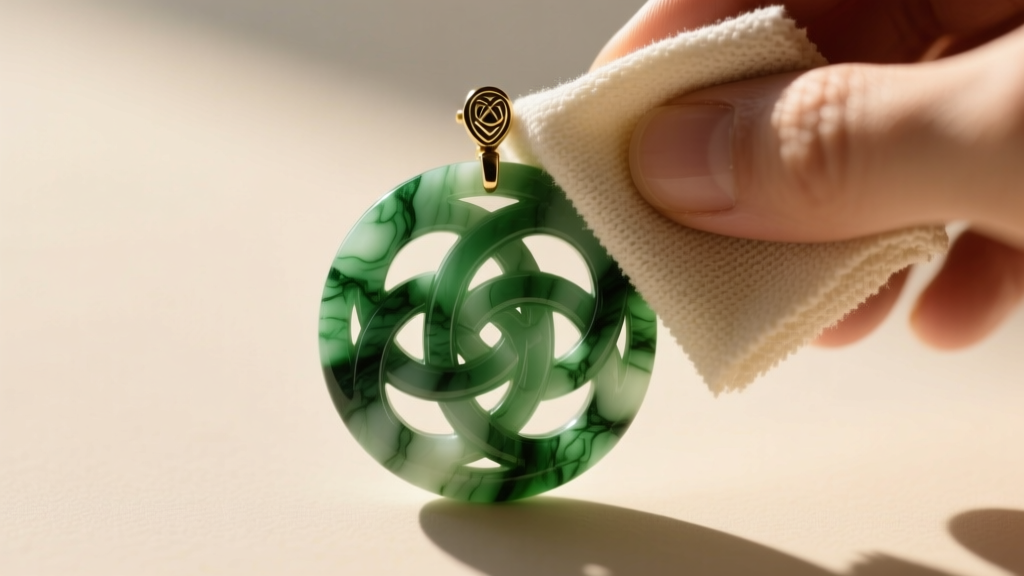
The Safe Method: Never submerge Connemara marble in water or cleaning solutions. Liquid can seep into the microscopic fissures of the stone and the silver bezel, leading to internal tarnishing and stone discoloration. Instead, wipe the marble gently with a dry, untreated microfiber cloth. If the stone is heavily soiled, lightly dampen the cloth with distilled water only, wipe the surface, and immediately dry it.
High-Karat Gold and Enamel Accents
While 14k and 18k gold do not tarnish like sterling silver, Celtic gold pieces often feature intricate milgrain detailing or traditional champlevé enamel work (such as the Tara Brooch replicas). Enamel is essentially fused glass; it is highly susceptible to thermal shock. Plunging an enameled gold piece into hot water or using steam cleaners can cause the enamel to crack or pop out of its gold settings.
The Safe Method: Clean gold and enamel with a room-temperature solution of distilled water and a single drop of mild baby shampoo. Use a lint-free swab to carefully clean around the enamel borders.
Step-by-Step Cleaning Routine for Intricate Knotwork
When dealing with the deep, interwoven channels of a Celtic knot or spiral, standard jewelry cloths are useless. You need tools that can reach into sub-millimeter crevices without scratching the surrounding metal.
- Prepare the Solution: Mix three drops of phosphate-free dish detergent into a bowl of lukewarm distilled water.
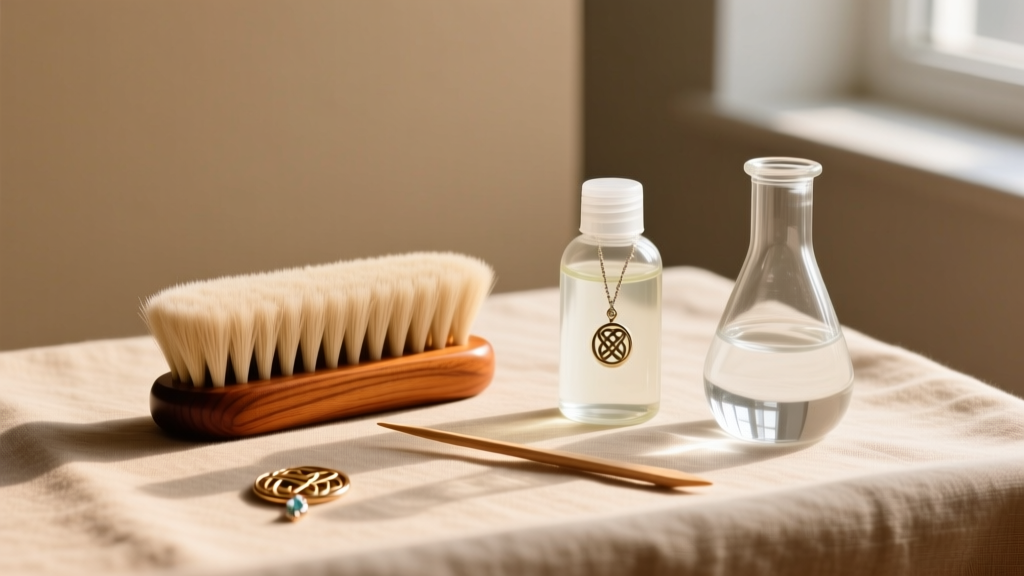
- Select the Right Brush: Discard standard toothbrushes, which often have stiff bristles that can leave micro-scratches on high-polish silver. Instead, use a #2 soft sable makeup brush or a dedicated extra-soft baby toothbrush.
- Agitate Gently: Dip the brush into the solution and tap it against the side of the bowl to remove excess water. Gently sweep the bristles in a circular motion over the knotwork, allowing the surfactants in the soap to break down the oils.
- Dislodge Stubborn Debris: For compacted lotion or dead skin cells trapped in deep grooves, use a wooden toothpick. Never use metal needles or safety pins, as steel is harder than 925 sterling silver and will leave permanent, bright scratches in the dark patina.
- Rinse and Dry: Rinse briefly under a slow stream of distilled water. Immediately pat dry with a microfiber cloth, and use a hair dryer on the 'cool' setting to blow moisture out of the deepest crevices to prevent water spots.
Ultrasonic Cleaners: A Celtic Jewelry Killer
Many jewelers offer ultrasonic cleaning, but this technology is generally contraindicated for Celtic jewelry. Ultrasonic cleaners work by creating microscopic cavitation bubbles in a liquid solvent. When these bubbles implode against the jewelry, they create intense localized shockwaves. While excellent for diamond solitaires, these shockwaves can shatter porous stones like Connemara marble, fracture enamel, and literally strip the intentional liver-of-sulfur oxidation right out of the silver crevices.
What to Avoid: The Celtic Jewelry Damage Chart
Refer to this quick-reference table to avoid common maintenance mistakes that degrade cultural jewelry pieces.
| Cleaning Agent / Tool | Effect on Celtic Jewelry | Safe Alternative |
|---|---|---|
| Silver Dip (Thiourea) | Strips intentional oxidation; leaves flat, bright, unnatural finish. | Mild soap, distilled water, and soft sable brush. |
| Ultrasonic Cleaners | Shatters porous marble; cracks enamel; strips patina via cavitation. | Manual soft-bristle brushing and wooden toothpicks. |
| Baking Soda Paste | Highly abrasive; scratches high-polish gold and silver surfaces. | Non-abrasive microfiber polishing cloths. |
| Steam Cleaners | Thermal shock fractures enamel and causes porous stones to crack. | Room-temperature distilled water rinse. |
| Paper Towels | Wood fibers cause micro-scratches on polished metal surfaces. | 100% cotton flannel or untreated microfiber. |
Long-Term Storage and Wear Maintenance
Proper storage is just as critical as proper cleaning. Sterling silver tarnishes when exposed to sulfur compounds in the air and moisture. To maintain your Celtic collection, store each piece individually in an airtight polyethylene ziplock bag. Include a 3M anti-tarnish strip or a small packet of silica gel desiccant inside each bag to absorb ambient moisture and neutralize sulfur gases.
Never store Celtic jewelry in cardboard boxes or wrapped in newspaper, as the adhesives and inks used in paper products contain high levels of sulfur and acids that will rapidly accelerate tarnishing. Furthermore, if your piece features an authentic Irish hallmark verified by the Assay Office Dublin, preserving the legibility of that tiny stamp requires keeping the piece free from abrasive friction during storage.
Professional Restoration vs. DIY
While routine maintenance can be handled at home, certain issues require a professional bench jeweler. If your Celtic ring has lost its structural tension, if a prong holding a stone is lifted, or if the piece requires a complete re-oxidation because the patina has worn away entirely, do not attempt a DIY fix. A professional can safely polish the high-relief areas, re-apply liver of sulfur to the recesses, and use a rouge wheel to bring back the striking black-and-silver contrast that defines authentic Celtic metalwork.


