Expert Care & Cleaning for Indian Jewelry for Wedding Sets
Preserve your bridal heirlooms. Discover expert cleaning, storage, and maintenance tips for Kundan, Polki, Meenakari, and Indian jewelry for wedding sets.

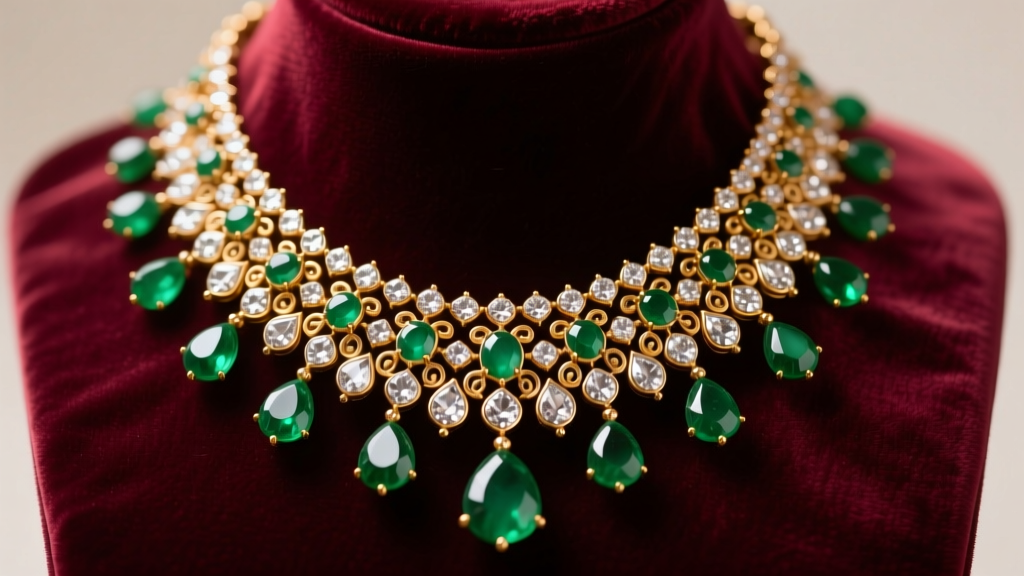
The Delicate Science of Indian Bridal Heirlooms
Investing in Indian jewelry for wedding ceremonies is not merely a financial commitment; it is the acquisition of wearable, multi-generational art. Unlike standard Western diamond solitaires or mass-cast 14k gold bands, traditional Indian bridal sets are complex composite structures. They frequently combine 22k gold, uncut diamonds (Polki), glass or precious gemstones, lac resin, gold foil, and delicate enamel work. As of 2026, conservationists and master jewelers emphasize that the most common cause of irreversible damage to these heirlooms is not daily wear, but improper cleaning by well-meaning owners.
The global market for heritage and artisanal Indian jewelry continues to surge, yet the care protocols for these specific crafts remain widely misunderstood. Submerging a Kundan necklace in a commercial ultrasonic cleaner or scrubbing a Meenakari bangle with toothpaste will result in catastrophic, often unrepairable damage. To preserve the structural integrity and brilliance of your bridal set, you must adopt a craft-specific maintenance strategy.
The Golden Rule: Identify Your Craft Before Cleaning
Before applying any cloth, brush, or solution, you must accurately identify the primary setting technique of your jewelry. The Gemological Institute of America (GIA) strictly advises against using generic jewelry dips on porous stones or composite settings. Below, we break down the exact chemical and physical vulnerabilities of the most prominent Indian wedding jewelry styles.
Kundan and Polki: The Strict 'No Water' Zone
Kundan and Polki are the crown jewels of Indian bridal sets, but they are also the most fragile. Polki refers to uncut, unpolished diamonds, while Kundan refers to the highly refined 24k gold foil used to secure the stones. The setting process relies on lac (a natural shellac resin) to hold the stones in place, backed by a delicate silver or gold foil (varak) to enhance reflectivity.
- The Vulnerability: Water, steam, and liquid jewelry cleaners will seep beneath the stones. This moisture oxidizes the silver foil backing, causing the stones to turn dull, gray, or completely black. Furthermore, the vibrations from an ultrasonic cleaner will shatter the hardened lac resin, causing stones to fall out.
- The Protocol: Never wash Kundan or Polki. After wearing, gently wipe the gold framework with a dry, lint-free microfiber cloth. Use a soft, dry makeup brush to gently dust the crevices around the uncut diamonds. If the stones lose their brilliance due to trapped oils, a professional jeweler must carefully lift the stones, replace the foil, and reset them using fresh lac.
Meenakari: Protecting the Fused Enamel
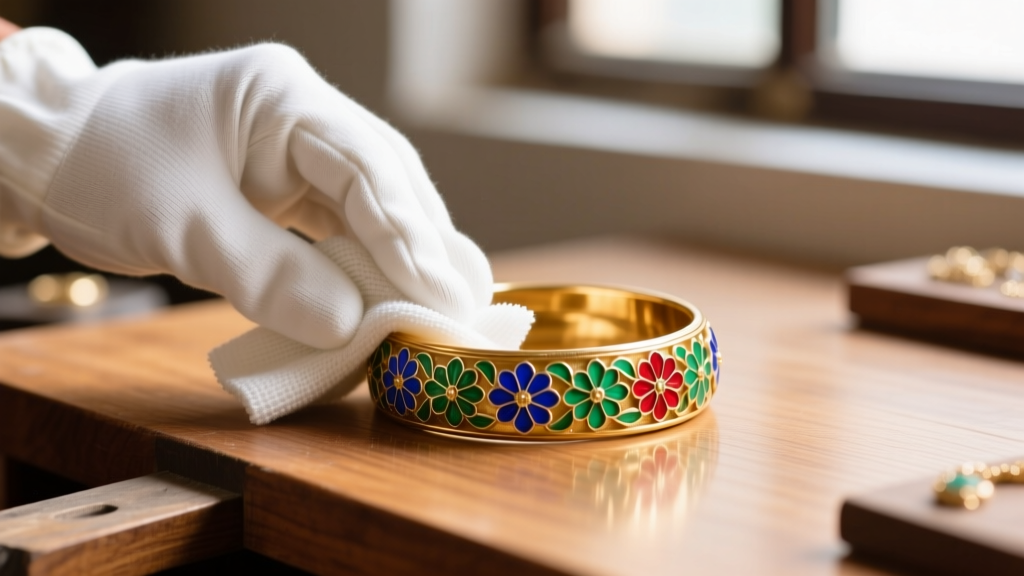
Meenakari is the art of fusing vibrant, powdered glass (enamel) onto metal grooves. It is frequently found on the reverse side of Kundan pieces or as the primary decoration on bridal bangles and hair accessories.
- The Vulnerability: Enamel is essentially glass. It is highly susceptible to thermal shock and micro-abrasions. Abrasive pastes (like baking soda or toothpaste) will permanently scratch the glossy finish, while harsh chemicals like ammonia can strip the color.
- The Protocol: Clean Meenakari only with a barely damp microfiber cloth. If necessary, use a single drop of pH-neutral baby shampoo in distilled water. Dry immediately with a soft cloth. According to the Victoria and Albert Museum's conservation guidelines, historical enameled pieces should never be subjected to sudden temperature changes, which can cause the glass to crack and detach from the metal substrate.
Temple Jewelry and Solid 22k Gold
Originating from South India, Temple jewelry is traditionally crafted in 22k gold and adorned with cabochon rubies, emeralds, and pearls. Because 22k gold is 91.6% pure gold, it possesses a Vickers hardness of approximately 90, making it significantly softer and more prone to scratching than 14k or 18k gold alloys.
- The Vulnerability: While the gold itself can withstand mild soap and water, the gemstones in traditional Temple jewelry are often set using a cold-connection method or secured with tree sap and wax rather than modern prongs. Submerging the piece can dissolve these organic adhesives.
- The Protocol: Avoid soaking. Create a mild lather with distilled water and a few drops of gentle dish soap. Dip a soft-bristled baby toothbrush into the lather and gently clean the gold surfaces, avoiding direct scrubbing on the gemstone settings. Rinse quickly under a light stream of lukewarm distilled water and pat dry immediately.
Comprehensive Cleaning Matrix for Indian Bridal Jewelry
To eliminate guesswork, reference this decision matrix before attempting any maintenance on your Indian jewelry for wedding events. Using the wrong method can reduce a $20,000 heirloom to a damaged state requiring expensive restoration.
| Jewelry Type | Primary Materials | Safe Cleaning Method | Strict Prohibitions |
|---|---|---|---|
| Kundan / Jadau | 24k gold foil, lac, glass/diamonds, silver backing | Dry microfiber cloth, soft dry brush | Water, steam, ultrasonic, commercial dips |
| Polki | Uncut diamonds, gold, silver foil | Dry microfiber cloth, professional polishing | Ultrasonic cleaners, liquid solvents |
| Meenakari | Enamel (fused glass), gold or silver base | Barely damp cloth, pH-neutral soap | Abrasive pastes, ammonia, thermal shock |
| Temple Jewelry | 22k gold, cabochon gems, pearls | Mild soap lather on soft brush (avoid settings) | Soaking, harsh bristles, silver polish |
| Oxidized Silver | Sterling silver with intentional sulfur tarnish | Soft dry cloth only | Silver dip, baking soda, polishing wheels |
| Navratna | 9 specific gemstones, gold setting | Lukewarm distilled water, mild soap | Ultrasonic (can fracture included gems) |
Storage and Environmental Control
Proper storage is arguably more critical than cleaning. The environment in which you store your bridal set dictates its long-term chemical stability. Humidity, sulfur in the air, and friction are the primary enemies of composite Indian jewelry.
The Micro-Environment Strategy
Do not store Indian bridal sets in standard velvet-lined boxes provided by retailers. The glues used in commercial velvet can off-gas chemicals that degrade pearl nacre and enamel over time. Instead, implement a micro-environment strategy:
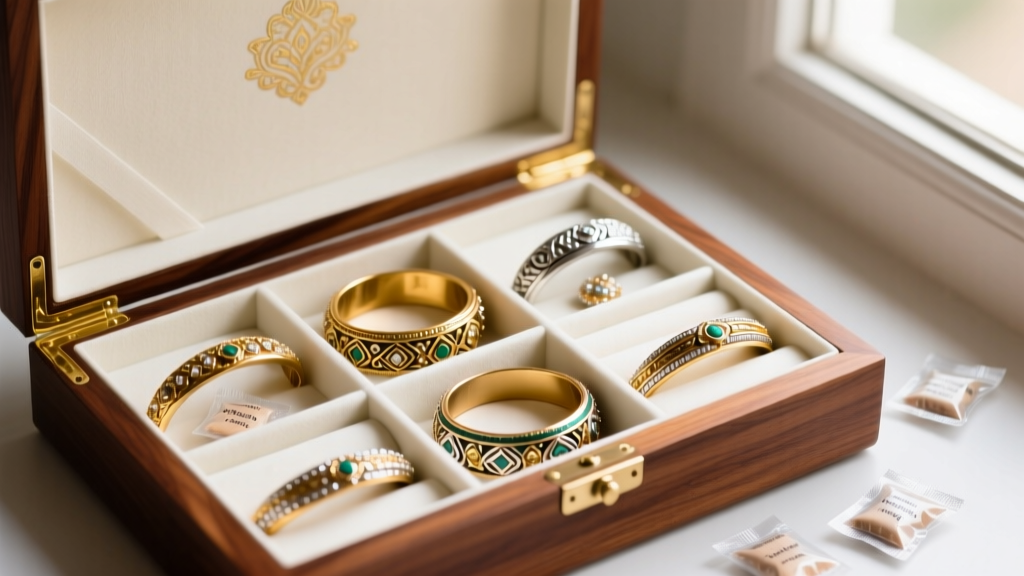
- Wrap in Acid-Free Tissue: Wrap each piece individually in unbuffered, acid-free archival tissue paper. This prevents the 22k gold from scratching and stops metal components from reacting with one another.
- Use Muslin Pouches: Place the wrapped jewelry inside breathable, unbleached cotton muslin pouches. Avoid plastic zip-lock bags, which can trap moisture and accelerate the oxidation of silver foil backings.
- Control Humidity: Store the pouches in a cedarwood or archival plastic box. Include 3M Anti-Tarnish strips and silica gel packets to maintain a relative humidity (RH) between 40% and 50%. Replace the silica packets every six months.
Pre-Wedding and Post-Wedding Protocols
The days surrounding your wedding present unique hazards for your jewelry. Hairspray, makeup, sweat, and friction from heavy silk garments can cause immediate, localized damage.
'Always apply your hairspray, perfume, and setting powders at least twenty minutes before putting on your Indian jewelry for wedding ceremonies. The alcohol and aerosol propellants in cosmetics will instantly cloud the surface of uncut Polki diamonds and degrade the lac resin in Kundan settings.' — Master Jeweler & Conservationist
Post-Ceremony Triage
Immediately after the wedding events, perform a visual inspection. Check the prongs and bezels for any lifting. Wipe down the gold components with a dry cloth to remove acidic sweat and cosmetic residue. If your jewelry was exposed to heavy perspiration or humidity during outdoor ceremonies, allow it to air-dry in a climate-controlled room for 24 hours before sealing it in its storage pouch. Trapping moisture against the silver foil backing of a Polki choker is the fastest way to induce blackening.
When to Seek Professional Restoration
Despite meticulous care, antique and heavily worn Indian bridal jewelry will eventually require professional intervention. If your Kundan stones appear gray or black, the silver foil has oxidized; no amount of surface cleaning will fix this. A master artisan must perform a Kundan re-foiling, a specialized process that costs between $150 and $500 per major stone, depending on the complexity of the setting. Similarly, if Meenakari enamel shows micro-cracks or chipping, consult a specialist in vitreous enamel restoration immediately to prevent moisture from reaching the base metal and causing subsurface corrosion. By respecting the unique material science of these regional treasures, you ensure your bridal heirlooms remain vibrant for generations to come.


