Southwest Jewelry Buyers Reviews: 2026 Trends & Authenticity Guide
We analyze 2026 southwest jewelry buyers reviews to uncover trending Navajo styles, spot mass-produced fakes, and grade turquoise authenticity.

The 2026 Shift: What Southwest Jewelry Buyers Are Actually Saying
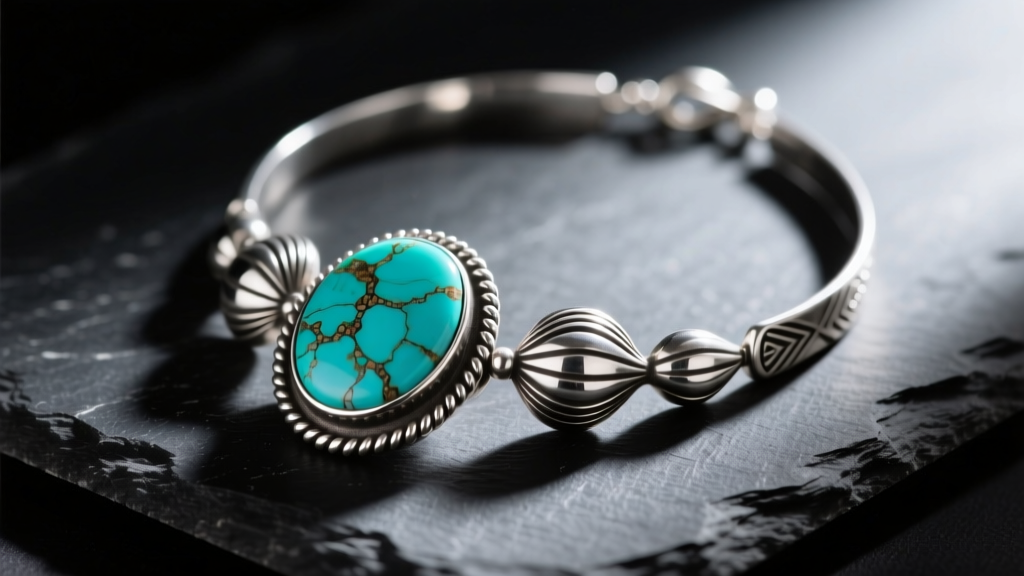
The landscape of Native American and Southwest-inspired adornment has undergone a massive transformation over the last few years. As we analyze the latest southwest jewelry buyers reviews from 2026, a clear narrative emerges: collectors and everyday wearers are actively rejecting mass-produced, overseas imitations in favor of authentic, heavy-gauge artisan craftsmanship. Today’s buyers are highly educated. They are no longer just looking for a pretty blue stone; they are scrutinizing silver purity, bezel construction, and the ethical sourcing of turquoise.
According to data from the Indian Arts and Crafts Board, consumer complaints regarding misrepresented Native American jewelry have shifted from blatant counterfeit hallmarks to more deceptive practices, such as using stabilized stones without disclosure or marketing "Native-inspired" designs that skirt federal authenticity laws. In this comprehensive trend and style analysis, we decode what buyers are praising, what they are returning, and how to navigate the modern Southwest jewelry market with absolute confidence.
Decoding the Reviews: Authenticity vs. Import Imitations
When scouring thousands of buyer reviews across major artisan marketplaces and boutique galleries, the most common 1-star complaints revolve around material degradation and stone failure. Mass-produced imports often utilize nickel silver (which contains zero actual silver) or brass plated with a microscopic layer of .925 sterling. Within months, buyers report severe tarnishing, skin discoloration, and stones popping out of their settings.
Authentic Navajo, Zuni, and Hopi silversmiths typically work with 14-gauge (1.6mm) to 18-gauge (1.0mm) solid sterling silver (.925) or traditional coin silver (.900). This thickness ensures the metal can withstand daily wear without warping, which is crucial for heavy pieces like concho belts or squash blossom necklaces. Below is a breakdown of how authentic pieces compare to imports based on aggregate buyer feedback.
| Feature | Authentic Artisan Southwest Jewelry | Mass-Produced Import Imitations |
|---|---|---|
| Silver Weight & Gauge | Heavy (14-16 gauge for cuffs/rings), solid .925 or .900 | Flimsy (20-22 gauge), hollow, or plated brass/nickel |
| Stone Setting Technique | Hand-cut sawtooth or smooth bezels, tight sweat-soldering | Glued with epoxy, prong settings, or stamped bezel wire |
| Turquoise Quality | Natural or professionally stabilized with disclosure | Dyed howlite, magnesite, or reconstituted turquoise dust |
| Hallmarks | Hand-stamped artist initials, clan symbols, or "STERLING" | Laser-etched ".925", "Tibetan Silver", or no marks |
Top Trending Styles Driving 5-Star Reviews
The 2026 trend cycle heavily favors heritage pieces that serve as statement investments. Buyers are willing to pay premium prices for specific regional techniques that showcase undeniable human craftsmanship.
The Resurgence of Heavy-Gauge Silver Overlay
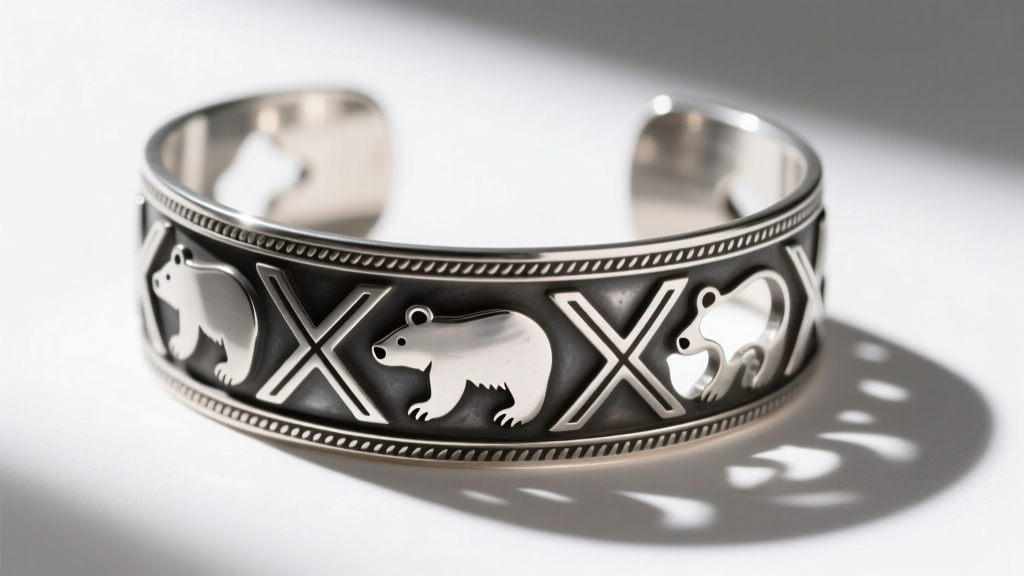
Hopi silver overlay remains one of the most praised techniques in recent buyer reviews. This method involves soldering two sheets of silver together; the top sheet features intricate, hand-sawed geometric or nature-inspired cutouts, while the bottom sheet is oxidized and textured to create deep, striking contrast. Buyers specifically laud the durability of overlay cuffs, noting that the double-layer construction makes them virtually indestructible compared to single-sheet stamped bracelets.
Kingman vs. Sleeping Beauty Turquoise Preferences
Turquoise preference is a major focal point in buyer discussions. According to gemological standards outlined by the Gemological Institute of America (GIA), the treatment and origin of turquoise drastically affect its value and stability.
- Kingman Turquoise: Highly sought after in 2026 for its deep blue color and striking pyrite (fool's gold) matrix. Buyers love the unique, webbed patterns that guarantee no two stones are alike.
- Sleeping Beauty Turquoise: Known for its pure, clear robin's-egg blue with little to no matrix. Because the Arizona mine closed years ago, authentic vintage Sleeping Beauty pieces command massive premiums, and buyers frequently warn each other in reviews about modern fakes dyed to mimic this specific hue.
- Royston Turquoise: A favorite for those who prefer earthy tones, featuring vibrant greens and blues set against a rich brown matrix.
Red Flags in 1-Star Reviews: How to Spot Mass-Produced Fakes
If you are reading southwest jewelry buyers reviews to vet a potential purchase, you must know how to interpret the negative feedback. Many buyers only realize they have been scammed after wearing the piece for a few weeks. Here are the critical failure modes and red flags to watch out for:
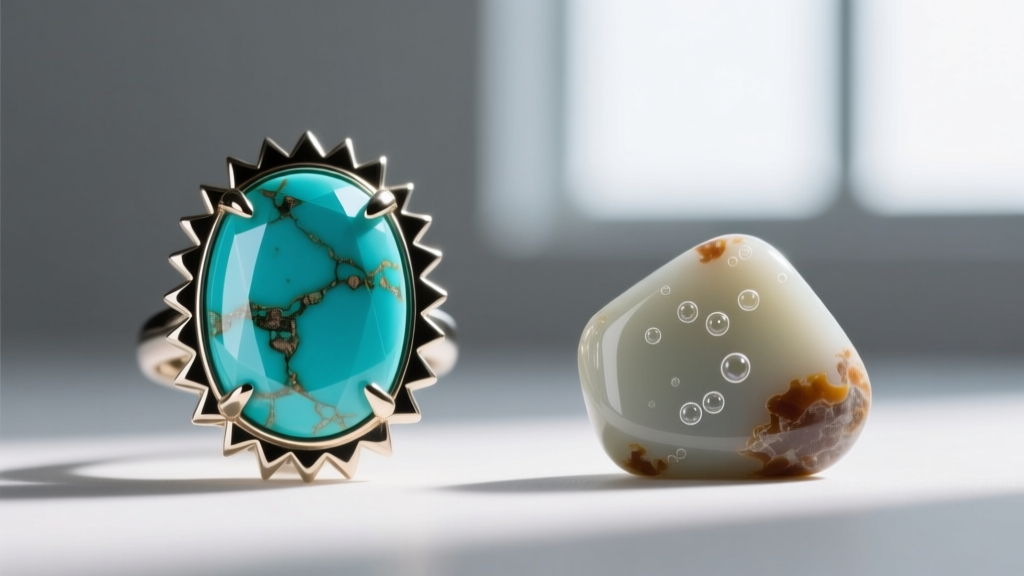
- The "Epoxy Squeeze-Out": Authentic silversmiths use tight, hand-filed bezel wire to secure stones. If you see a glossy, clear ring of glue seeping out from under the stone edge, it is a mass-produced piece. Glue degrades with exposure to lotions, perfumes, and body heat, leading to lost stones.
- Perfectly Identical Matrix Patterns: Natural turquoise matrix (the host rock webbing) is chaotic and random. If a necklace features five stones with identical, perfectly symmetrical black webbing, it is likely dyed howlite or block turquoise (reconstituted dust mixed with resin).
- The Magnet Test Failure: While silver is not magnetic, many cheap imports use steel or iron cores beneath thin silver plating to add artificial weight. Buyers frequently report using rare-earth magnets to instantly expose these fakes.
- "Tibetan" or "Antiqued" Silver Labels: These terms are major red flags in the Southwest jewelry community. They almost always denote a copper-nickel-zinc alloy that can cause severe allergic contact dermatitis.
Price-to-Value Matrix: Are Premium Artisan Pieces Worth It?
A recurring theme in positive buyer reviews is the concept of "cost per wear" and long-term value retention. Authentic Native American jewelry is increasingly viewed as a tangible asset. While the initial buy-in is steep, the resale market for documented, hallmarked pieces by recognized artisans (such as the Yazzie, Begay, or Charlie families) remains incredibly robust.
"I spent $2,800 on a vintage 1970s Navajo squash blossom necklace. Three years later, an appraiser valued it at $4,500 due to the rarity of the natural Bisbee turquoise used. You simply cannot get that ROI on a $90 festival import."
— Verified Buyer Review, High-End Artisan Marketplace
For entry-level collectors, authentic sterling silver and turquoise ring styles typically range from $150 to $350, depending on the stone grade and silver weight. Mid-tier concho belts and heavy cuffs sit in the $600 to $1,500 range. Museum-grade, multi-strand turquoise necklaces or elaborate ceremonial squash blossoms easily command $3,000 to $10,000+. Buyers consistently note that paying for genuine tufa-cast or hand-stamped work supports indigenous economies and preserves centuries-old metallurgical traditions.
Final Verdict: Navigating the Southwest Jewelry Market
The consensus from 2026 southwest jewelry buyers reviews is clear: education is your best defense against counterfeit cultural art. By prioritizing solid gauge weights, demanding transparency regarding stone stabilization, and verifying artist hallmarks, you can build a collection that honors the rich heritage of the American Southwest. Always purchase from reputable galleries that provide written documentation of the artist's tribal affiliation and the exact origin of the materials used. True Southwest style is not just about the aesthetic; it is about the enduring legacy of the hands that forged it.


