Expert Care Guide: Cleaning Your Jewish Jewelry Chai Pieces
Discover expert tips to clean, polish, and maintain your Jewish jewelry Chai pendants and rings. Keep your gold and silver symbols of life shining.

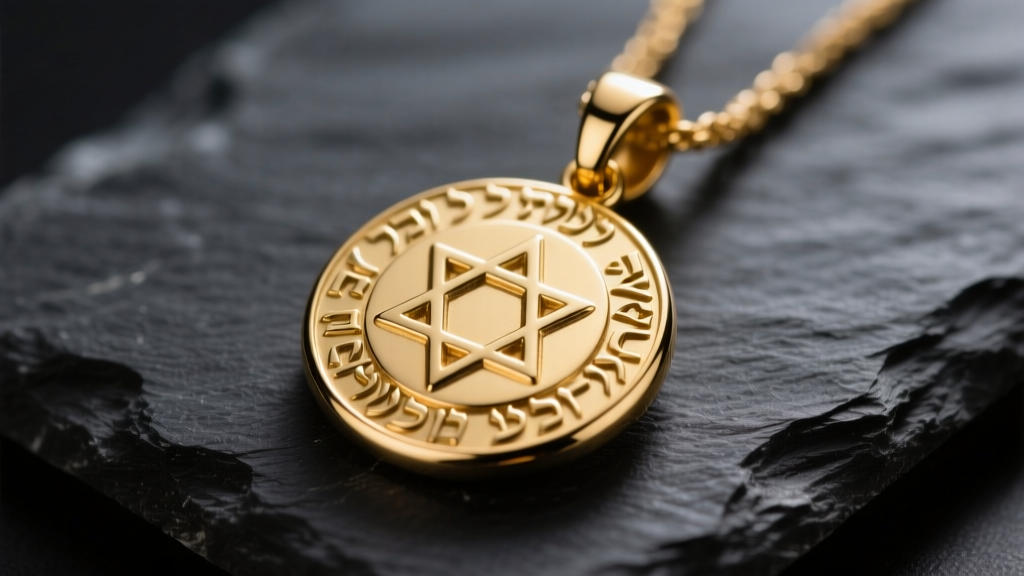
The Significance and Material Makeup of the Chai Symbol
The Chai (חי) symbol, meaning 'life' in Hebrew, is one of the most enduring and culturally significant motifs in Jewish jewelry. Composed of the letters Chet (ח) and Yud (י), which hold a numerical gematria value of 18, the symbol is frequently gifted for milestones like Bar and Bat Mitzvahs, weddings, and birthdays. According to Chabad.org, the Chai represents the enduring spirit and life force of the Jewish people, making these pieces not just accessories, but cherished heirlooms.
Because of their sentimental value, proper maintenance is critical. Jewish jewelry Chai pendants and rings are predominantly crafted from sterling silver (92.5% silver, 7.5% copper), 14k gold (58.5% gold alloyed with copper, silver, or zinc), and 18k gold (75% gold). Some artisan pieces incorporate cold enamel, hamsa motifs, or pave-set diamonds. Each material combination demands a highly specific cleaning protocol to prevent irreversible damage to the metal or the intentional design elements.
Step-by-Step Cleaning Protocols by Material
The biggest mistake owners make is treating all precious metals identically. The alloy composition dictates the chemical reaction required to lift oils, dead skin cells, and environmental tarnish.
Sterling Silver Chai Pendants: Tarnish vs. Oxidation
Sterling silver reacts with hydrogen sulfide in the air to form silver sulfide, the blackish layer we call tarnish. The Gemological Institute of America (GIA) recommends gentle polishing for routine care. However, you must first determine if your silver Chai is polished or oxidized.
- Polished Silver: Use a microfiber cloth with a specialized silver polishing cream (avoid liquid dips, which are highly acidic and strip metal over time). For heavy tarnish, use the electrochemical method: line a bowl with aluminum foil, add boiling water, a tablespoon of baking soda, and a pinch of salt. Submerge the pendant for 3 minutes. The sulfur transfers from the silver to the aluminum.
- Oxidized (Antiqued) Silver: Many Israeli artisans intentionally darken the recesses of the Chet and Yud to create visual depth. Never use the aluminum foil method or silver dips on these pieces, as they will strip the intentional patina, leaving the pendant looking flat and washed out. Instead, use a dry, untreated jewelry polishing cloth and gently rub only the raised, high-polish surfaces.
14K and 18K Gold Chai Necklaces: Degreasing
Gold does not tarnish, but it is highly susceptible to lipid buildup. Sebum, lotions, and soaps create a cloudy film over the metal and any inset gemstones, dulling the reflection. To clean a gold Chai pendant:
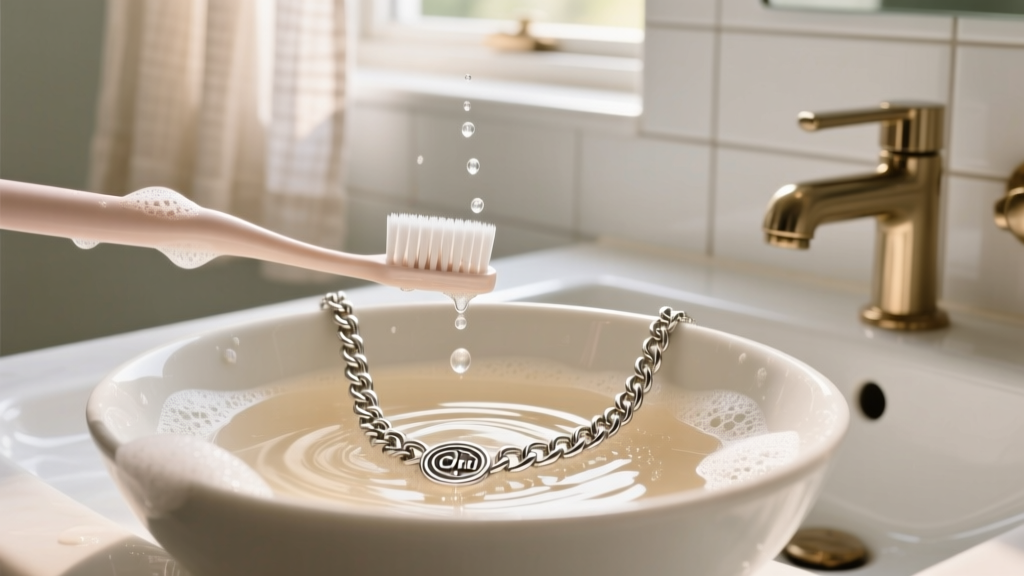
- Mix a few drops of mild, phosphate-free dish soap (like Dawn) into a bowl of lukewarm water.
- Let the pendant soak for 15 minutes to soften the lipid bonds.
- Using a soft-bristled baby toothbrush, gently brush the crevices of the Hebrew letters and the back of the pendant where it rests against the skin.
- Rinse under lukewarm running water and pat dry with a lint-free cloth.
Expert Warning: Never use toothpaste to clean gold. Toothpaste contains hydrated silica, an abrasive that scores a 6 on the Mohs hardness scale—hard enough to permanently scratch 14k and 18k gold (which sit around 2.5 to 3 on the Mohs scale).
Enamel and Gemstone-Inlaid Chai Pieces
Contemporary Jewish jewelry often features vibrant enamel fills or diamond accents within the Chai symbol. These require a delicate touch. Ultrasonic cleaners, which use high-frequency sound waves to cavitate dirt, are strictly prohibited for enamel jewelry. The vibrations can cause micro-fractures in the glass-based enamel or shatter it entirely. Similarly, ultrasonic waves can loosen the adhesives used in cluster gemstone settings. Stick to cold water, mild soap, and a soft microfiber cloth for these complex pieces.
Preventative Maintenance and Storage
Proactive care drastically reduces the need for deep cleaning and preserves the structural integrity of your jewelry.
| Material | Primary Threat | Preventative Action | Storage Recommendation |
|---|---|---|---|
| Sterling Silver | Sulfur & Humidity | Wear frequently (skin oils delay tarnish) | Anti-tarnish cloth pouch (e.g., Pacific Silvercloth) |
| 14K/18K Yellow Gold | Lipid buildup & Chlorine | Remove before swimming or applying lotion | Individual soft-lined compartment |
| White Gold (Rhodium) | Friction & Acidic sweat | Wipe down after heavy perspiration | Separate from diamonds to prevent scratching |
| Enamel Inlays | Impact & Temperature shocks | Avoid dropping on tile/hard surfaces | Padded jewelry roll |
The Danger of Galvanic Corrosion and Friction
A common styling choice is pairing a gold Chai pendant with a silver chain, or vice versa. When two dissimilar metals rest against each other in the presence of moisture (sweat), it creates a galvanic cell, accelerating the corrosion of the less noble metal (silver). Furthermore, the constant kinetic friction will wear down the bail (the loop connecting the pendant to the chain). Always match your chain metal to your pendant metal, or use a protective jump ring to minimize direct friction.
Environmental Hazards: The Dead Sea and Chlorine
If you are traveling to Israel, you must remove your Jewish jewelry Chai pieces before entering the Dead Sea. The water's extreme salinity, combined with high concentrations of bromide and sulfur, will instantly tarnish sterling silver and chemically attack the copper alloys in 14k gold, leading to surface pitting. Similarly, household bleach and chlorinated pool water can cause 'stress corrosion cracking' in gold alloys, particularly at the solder points of the pendant's bail.
When to Seek Professional Restoration
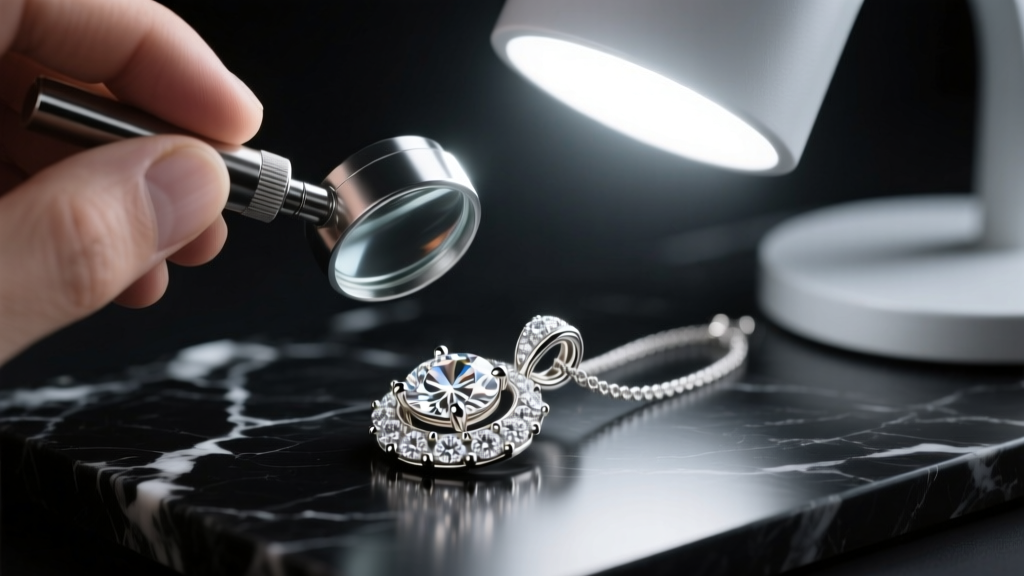
While home maintenance keeps the metal bright, structural issues require a professional bench jeweler. You should schedule an annual inspection if your Chai pendant features gemstones or is an ultra-thin, delicate cutout design.
The Bail Check: The bail of a Chai pendant endures constant micro-abrasion from the chain. A jeweler can inspect the inner curve of the bail with a 10x loupe. If the metal has worn down by more than 30%, it needs laser welding or a bail replacement before the pendant snaps and is lost.
Additionally, if you own a white gold Chai pendant, be aware that white gold is naturally yellowish and plated with rhodium to achieve its bright white finish. Over 12 to 18 months of daily wear, this plating wears off, revealing the warm undertone of the alloy. A jeweler can professionally polish and re-plate the piece with rhodium to restore its original, mirror-like luster.
Frequently Asked Questions
Why did my silver Chai turn black after wearing it to the beach?
Salt air and high humidity accelerate the oxidation process. Furthermore, if you applied sulfur-based sunscreen or lotions, the sulfur reacts immediately with the copper in the sterling silver alloy, causing rapid blackening. Clean it using the aluminum foil and baking soda method to reverse the reaction.
Can I use a commercial jewelry cleaning cloth on my diamond-accented Chai?
Yes, but ensure the cloth is designed for diamonds and gold. Some silver polishing cloths contain embedded jeweler's rouge or mild abrasives that can leave a waxy residue trapped under the diamond girdles, dulling their sparkle. For diamonds, a simple soak in warm water with a drop of degreasing dish soap is vastly superior.
How do I clean the intricate cutouts of a filigree Chai pendant?
Filigree designs trap dead skin cells and dust deep within the metal lattice. Use a wooden toothpick (never metal, which will scratch the gold or silver) to gently dislodge debris from the tightest corners before soaking the piece in a mild soap solution. For stubborn grime, a soft, clean makeup brush can reach into the lattice without bending the delicate metal wires.
By understanding the specific metallurgical properties and cultural craftsmanship of your pieces, you ensure that your Jewish jewelry Chai collection remains a vibrant, shining symbol of life for generations to come. For more insights on precious metal care, consult the GIA's Gold Care Guide to stay updated on best practices for heirloom preservation.


