Beginner Guide to Indian Forehead Jewelry: Maang Tikka Styles
Discover everything about Indian forehead jewelry. Learn how to choose, style, and wear Maang Tikka and Matha Patti with our beginner-friendly guide.

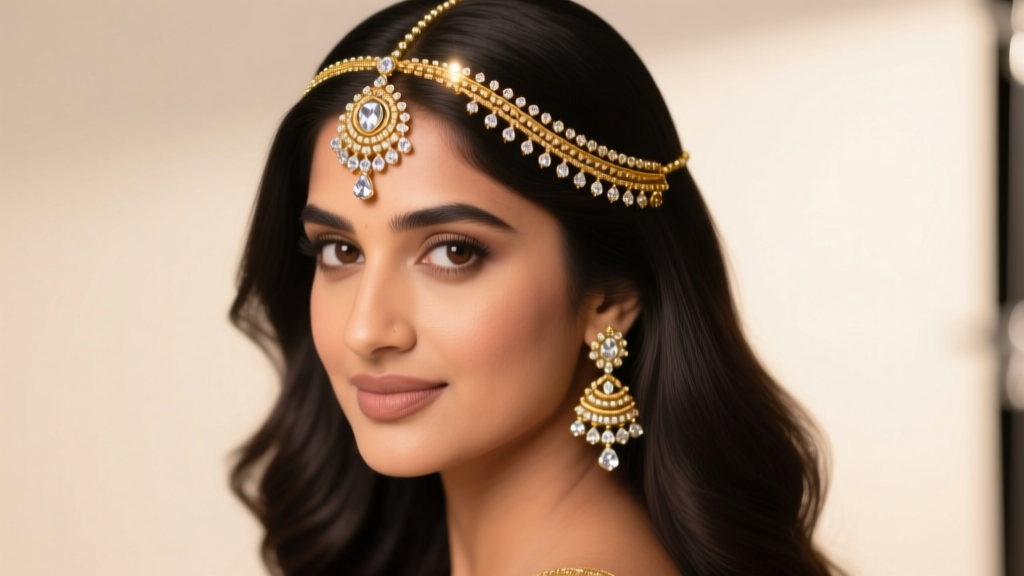
The Allure of Indian Forehead Jewelry
When exploring the vast landscape of South Asian adornment, indian forehead jewelry stands out as one of the most iconic and culturally significant categories. For beginners, the array of terms, materials, and styling techniques can feel overwhelming. Whether you are preparing for your own wedding, attending a festive Diwali celebration, or simply incorporating global heritage pieces into your modern wardrobe, understanding the anatomy of these headpieces is essential. This guide breaks down everything you need to know about selecting, wearing, and securing these stunning accessories, moving beyond basic aesthetics into the practical realities of metal grades, weight distribution, and fail-proof styling techniques.
Cultural & Spiritual Significance
Historically, forehead jewelry in India is not merely decorative; it holds profound spiritual weight. The center of the forehead is believed to be the location of the Ajna Chakra, or the third eye, representing intuition, concentration, and spiritual awakening. Wearing a piece of jewelry here is thought to help retain energy, calm the mind, and ward off negative influences. According to the Victoria and Albert Museum's Asian Collections, head ornaments have been a staple of Indian royalty and bridal trousseaus for centuries, evolving from simple floral garlands into the intricate metalwork we see today.
Decoding the Terminology
Before making a purchase, it is crucial to understand the specific terms used by jewelers and stylists. While "indian forehead jewelry" is the broad search term, you will encounter three distinct styles:
- Maang Tikka: The most common style, featuring a central chain that rests along the hair parting (the maang) and terminates in a pendant that sits directly on the center of the forehead.
- Matha Patti: An extension of the Maang Tikka that includes additional side chains. These chains wrap around the hairline and secure behind the ears, framing the face and providing extra support for heavier central pendants.
- Jhoomar (or Passa): A Mughal-inspired piece worn on the left side of the head rather than the center. It is typically fan-shaped or chandelier-style and is a staple in traditional Muslim and North Indian bridal wear.
Material Grades: Kundan, Polki, and Modern Alloys
The material composition of your headpiece dictates its price, weight, and longevity. Beginners often confuse Kundan and Polki, but the distinction is vital for value assessment.
Polki vs. Kundan
Polki utilizes natural, uncut, and unfaceted diamonds. These diamonds are backed with silver or gold foil to enhance their brilliance. As noted by the Gemological Institute of America (GIA), Polki is highly valuable and significantly heavier. Kundan, on the other hand, uses highly refined glass or semi-precious stones set into gold foil. Most "Kundan" jewelry on the commercial market today is actually Kundan-style, using glass stones set in gold-plated brass.
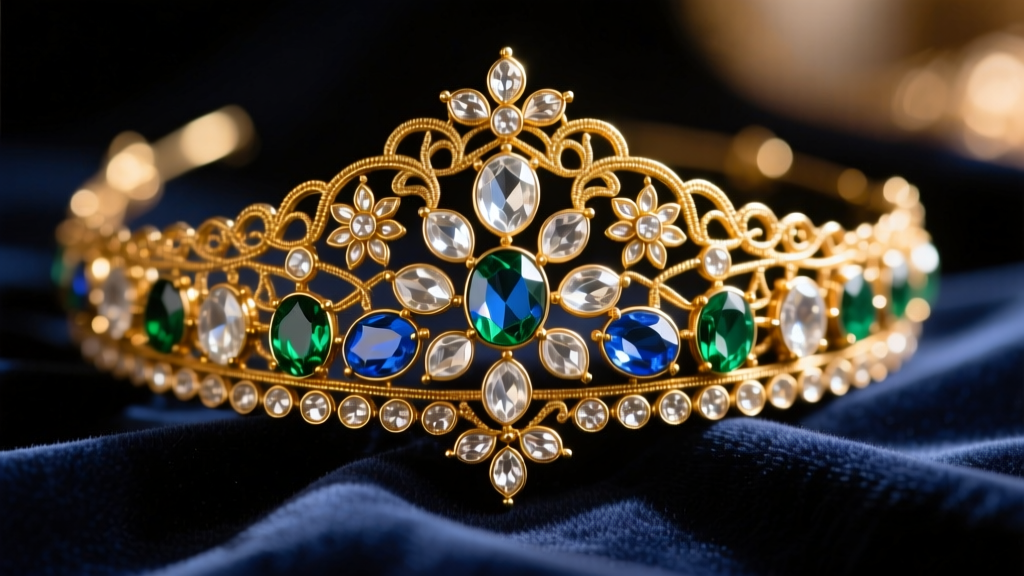
Base Metals and Plating Thickness
If you are buying fashion or semi-fine Indian forehead jewelry, pay close attention to the base metal. Avoid cheap zinc alloys, which can cause contact dermatitis and tarnish within weeks. Instead, look for nickel-free brass or sterling silver (925) bases. For gold-plated pieces, inquire about the plating thickness. Standard flash plating (0.1 to 0.5 microns) will wear off after a few uses. For a piece you intend to wear multiple times, seek out vermeil or heavy gold plating ranging from 1.5 to 2.5 microns.
The Weight Factor: Comfort vs. Grandeur
One of the most common beginner mistakes is underestimating the weight of forehead jewelry. A heavy piece can cause tension headaches and physically pull your hairstyle apart.
- Lightweight (Under 15 grams): Ideal for beginners, casual festive wear, and delicate hairstyles like loose curls or half-up styles.
- Medium (15 to 30 grams): Standard for most bridal and heavy festive Maang Tikkas. Requires a secure, pinned updo or a tightly braided base.
- Heavy (30+ grams): Typically reserved for grand Matha Pattis or antique Polki sets. These require professional styling and structural hair support.
Pricing Tiers & Value Breakdown
Understanding the market pricing will help you avoid overpaying for costume pieces or under-budgeting for fine jewelry. Below is a structured breakdown of what to expect in the current market.
| Material Category | Base Metal | Avg. Weight | Price Range (USD) | Best Use Case |
|---|---|---|---|---|
| Fashion / CZ | Brass / Alloy | 10 - 20g | $25 - $80 | One-time events, parties |
| Kundan-Style | Nickel-Free Brass | 20 - 40g | $90 - $250 | Festivals, pre-wedding events |
| Sterling Silver | 925 Silver (Oxidized) | 15 - 30g | $60 - $180 | Boho-chic, everyday cultural |
| Polki / Fine | 18k/22k Gold | 30 - 60g+ | $1,500 - $10,000+ | Heirloom bridal investments |
How to Secure Your Forehead Jewelry (Fail-Proof Methods)
The standard attachment for a Maang Tikka is an S-hook or a small loop at the end of the chain. Relying solely on the hook to catch into your hair is a recipe for disaster. Here are three professional methods to ensure your jewelry stays exactly where it belongs.
1. The Bobby Pin Cross-Lock (For Lightweight Pieces)
Do not just slide a bobby pin over the chain. Instead, slide the S-hook into your hair, then take a matte-black bobby pin and weave it through the loop or hook itself, anchoring the pin into the hair at a 45-degree angle. This prevents the hook from slipping out if the chain is tugged.
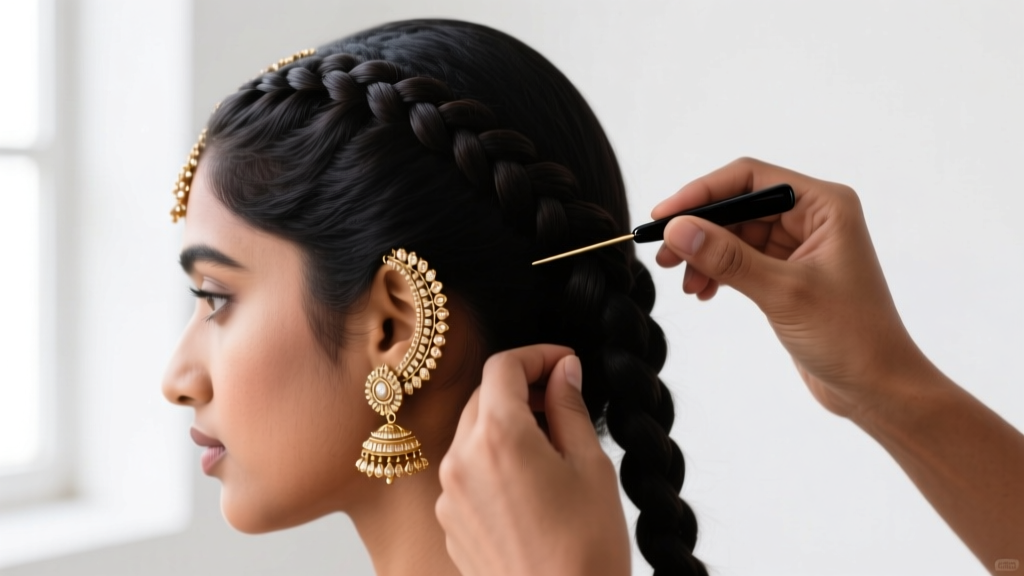
2. The Thread-and-Needle Method (For Heavy Bridal Pieces)
For Matha Pattis or heavy Polki Tikkas exceeding 30 grams, hairpins are not enough. Professional stylists use a needle and heavy-duty nylon thread. They will literally stitch the loop of the chain directly into the structural base of a bun or a tight braid. This distributes the weight across a wider surface area of the scalp.
3. The Elastic Loop Hack
If your piece has an S-hook and you have fine, slippery hair, tie a tiny, clear silicone elastic band to the end of your hair braid. Hook the jewelry onto the silicone band rather than the hair itself. The friction of the silicone will grip the metal hook securely.
Pro Stylist Tip: Always apply a matte texture spray or dry shampoo to your hair parting before placing the chain. Natural hair oils act as a lubricant, causing the metal chain to slide backward throughout the event. Adding grit gives the metal something to grip.
Styling for Different Face Shapes
The size and shape of the central pendant should complement your facial structure.
- Round Faces: Opt for elongated, teardrop-shaped pendants that draw the eye downward, creating the illusion of a longer face. Avoid wide, circular domes.
- Oval Faces: Highly versatile. You can carry off both broad, chandelier-style pendants and minimalist, single-stone drops.
- Heart-Shaped Faces: Choose pieces that are wider at the top and taper down, or opt for delicate, minimalist chains that do not overwhelm a narrower chin.
- Square Faces: Soften strong jawlines with curved, floral-motif pendants and avoid harsh, geometric shapes.
Final Thoughts for Beginners
Navigating the world of indian forehead jewelry is a rewarding journey into centuries of artistry and cultural heritage. By prioritizing skin-safe base metals, understanding the critical differences between Kundan and Polki, and mastering the physical mechanics of securing the piece to your hair, you can wear these stunning accessories with absolute confidence. Start with a lightweight, nickel-free brass piece to practice your styling techniques before investing in heavier, fine jewelry heirlooms.


