Decoding American Indian Jewelry Marks: A Collector's Guide
Learn to authenticate Native American silver and turquoise pieces by decoding American Indian jewelry marks, hallmarks, and assay stamps.

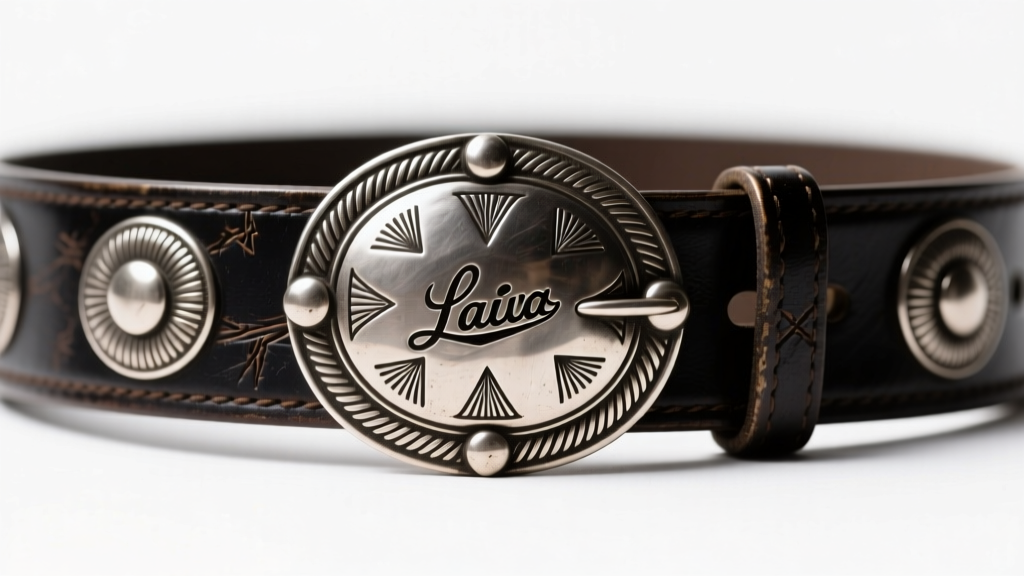
The secondary market for Native American silver and turquoise has surged in recent years, driven by a renewed appreciation for mid-century craftsmanship and indigenous artistry. However, this rising demand has also attracted sophisticated counterfeiters. For collectors, investors, and enthusiasts, understanding American Indian jewelry marks is no longer optional—it is the primary defense against fakes and the key to unlocking a piece's true historical and monetary value.
Unlike mass-produced commercial jewelry, authentic Native American pieces carry a rich lineage of hallmarks that tell a story of the artisan, the materials used, and the era of creation. In this comprehensive guide, we break down the anatomy of these marks, provide a framework for authentication in 2026, and explore the material assay stamps that dictate silver purity.
The Historical Shift: From Coin Silver to Sterling
To accurately read American Indian jewelry marks, you must first understand the metallurgical history of Southwestern silversmithing. The Navajo (Diné) are widely credited with pioneering Native American silversmithing in the 1850s, largely attributed to the artisan Atsidi Sani. Early pieces were forged by melting down United States silver coins, resulting in an alloy known as coin silver.
Coin silver typically possesses a purity of .900 (90% silver, 10% copper). Because it was hand-hammered from melted coins, early jewelry rarely featured standardized purity stamps. It wasn't until the 1930s and 1940s, when commercial sterling silver sheets became widely available through trading posts, that the ".925" and "Sterling" stamps became ubiquitous. Finding a genuine pre-1930s piece with a crisp "Sterling" stamp is an immediate red flag for historians and appraisers.
Categorizing American Indian Jewelry Marks
Hallmarks on indigenous jewelry generally fall into three distinct categories. Recognizing the nuances between them is critical for accurate attribution.
1. Artist Initials and Monograms
The most common form of attribution is the artist's initials, usually stamped into the silver shank of a ring or the back of a concho. However, initials can be notoriously difficult to trace without a comprehensive database, as multiple artisans may share the same letters. For example, "T.C." could refer to the legendary Navajo silversmith Tommy Singer or a lesser-known contemporary. Cross-referencing initials with the style of the piece—such as Singer's iconic chip inlay or quartz work—is essential for proper identification.
2. Pictographs and Symbols
Many Zuni and Hopi artisans utilize pictographs rather than letters. A stylized bear, a sun symbol, or a water bird often serves as a family clan mark or an individual artist's signature. Hopi overlay jewelry, characterized by its intricate cut-out top layer soldered onto an oxidized background, frequently features these symbolic hallmarks. The Heard Museum maintains extensive archives linking specific clan symbols to generations of Hopi silversmiths.
3. Shop, Guild, and Trader Marks
During the "Fred Harvey era" (roughly 1900–1940), tourism along the Southwest railroads exploded. Trading posts and tourist shops began stamping jewelry to guarantee authenticity to travelers. Marks like the Bell Trading Post (a bell inside a circle) or Maisel's Indian Trading Post (an 'M' inside a triangle) do not identify the individual Native artisan, but rather the retail entity that commissioned and sold the work. While these pieces are highly collectible today, they represent commercial production rather than individual artistic expression.
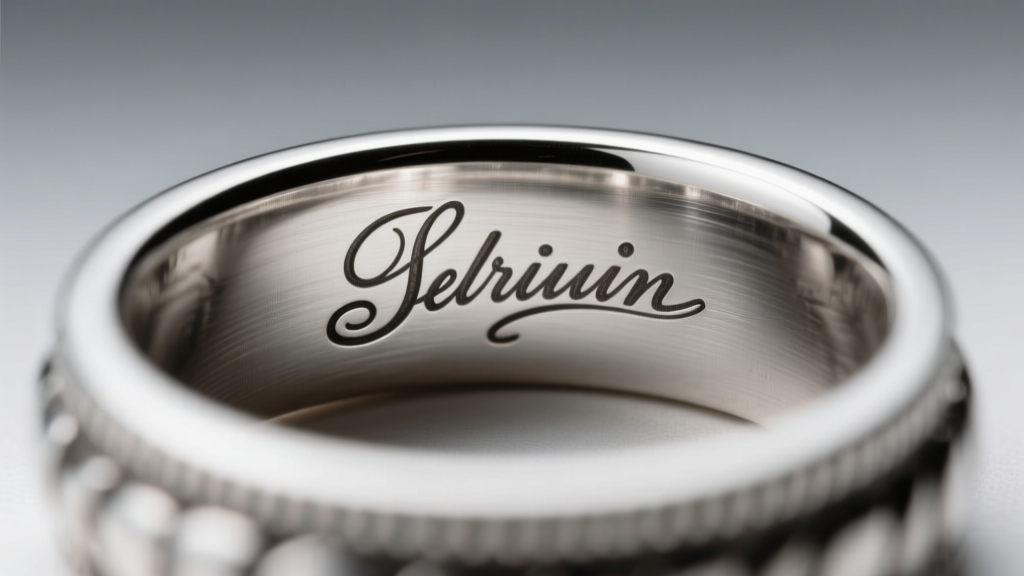
Material Assay Marks: What the Silver Content Tells You
Beyond the artist's signature, American Indian jewelry marks include assay stamps that declare the metal's purity. In 2026, with global silver prices at a premium, understanding these marks protects you from overpaying for base metals disguised as precious alloys.
| Mark / Stamp | Silver Purity | Historical Context & Collector Notes |
|---|---|---|
| Sterling / .925 | 92.5% | Standard for post-1930s Native American jewelry. Indicates commercial sheet silver was used. |
| Coin / .900 | 90.0% | Found on antique pieces (pre-1930s) forged from melted US coins. Highly prized by museums. |
| Alpaca / Nickel | 0% | A copper-nickel-zinc alloy. Contains zero silver. Common in vintage tourist-trap jewelry. |
| No Mark | Varies | Common on early transitional pieces or modern traditionalists who prefer unmarked work. |
Warning: If a piece is marked "Alpaca" or "Nickel Silver," it contains absolutely no elemental silver. While vintage Alpaca pieces from the 1950s have a niche collector base, they should be priced as base-metal costume jewelry, not precious metal art.
The 2026 Authentication Framework: Spotting Laser Fakes
As we navigate the 2026 market, counterfeiters have moved beyond simple casting. Modern bad actors use 3D scanning and fiber laser engravers to perfectly replicate the hallmarks of master artisans like Charles Loloma or Raymond Begay onto mass-produced overseas blanks. Visual inspection alone is no longer sufficient. You must employ the Tactile Displacement Test.
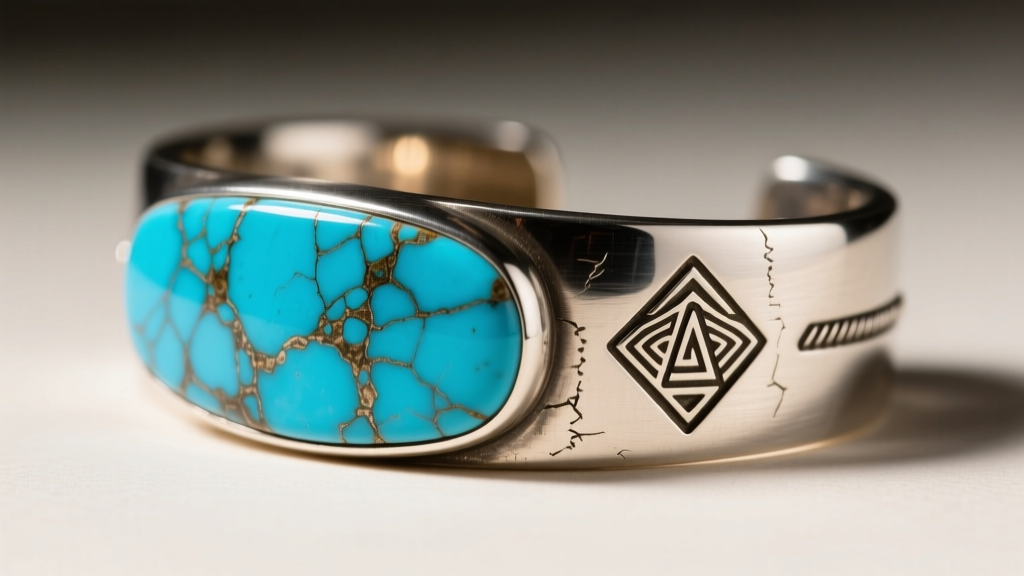
The Tactile Displacement Test
Authentic Native American hallmarks are applied using a steel die and a heavy mallet. This immense physical force displaces the silver, pushing the metal outward and upward around the edges of the letters.
- Run your fingernail across the stamp. A genuine hand-stamped mark will feel slightly raised around the perimeter. The letters themselves will be deeply recessed with sharp, crisp edges.
- Inspect the background. Hand-stamping often leaves a slight warping or "dish" effect on the reverse side of a thin silver cuff or ring shank due to the impact force.
- Identify the laser fake. Laser-etched marks are perfectly flush with the surface. They burn the metal away rather than displacing it. Under a 10x jeweler's loupe, laser marks often show microscopic striations or a slightly frosted texture inside the letters, lacking the deep, sheer walls of a physical steel die strike.
Navigating the Indian Arts and Crafts Act
Authentication is not just about financial protection; it is about cultural preservation. The Indian Arts and Crafts Board enforces the Indian Arts and Crafts Act of 1990, a truth-in-advertising law that prohibits misrepresentation in marketing American Indian arts and crafts. It is illegal to offer, display for sale, or sell any art or craft product in a manner that falsely suggests it is Indian-produced.
When purchasing contemporary pieces, always ask for a certificate of authenticity that includes the artist's name, tribal affiliation, and the specific materials used. Reputable galleries and direct-to-artist platforms will provide this documentation willingly. If a dealer cannot verify the tribal enrollment or state certification of the artisan whose "mark" is stamped on the jewelry, walk away.
Final Thoughts for the Modern Collector
Decoding American Indian jewelry marks requires a blend of historical knowledge, metallurgical awareness, and physical inspection. By understanding the transition from coin silver to sterling, recognizing the difference between shop stamps and individual pictographs, and utilizing the tactile displacement test, you can build a collection that is both financially sound and culturally respectful. Always buy from established, transparent sources, and let the hallmarks guide you toward genuine indigenous artistry.


