Chinese Traditional Jewelry Materials: Jadeite, Nephrite and Gold
Compare jadeite, nephrite, and 24k gold in Chinese traditional jewelry. Learn material properties, grading systems, and structural care tips.

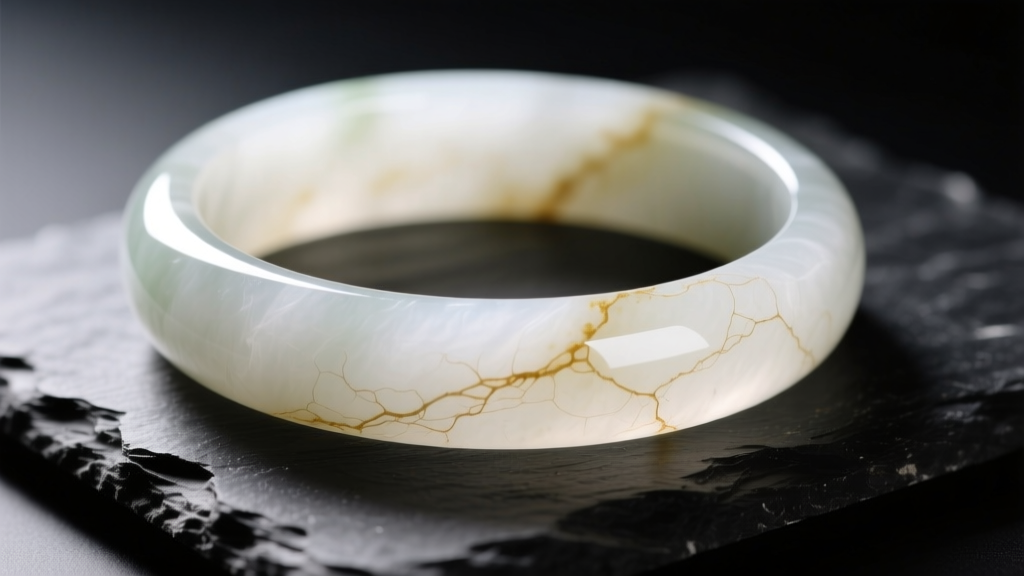
The Foundation of Chinese Traditional Jewelry: Beyond Aesthetics
When evaluating Chinese traditional jewelry, collectors and enthusiasts must look beyond surface aesthetics and understand the fundamental material science that dictates a piece's longevity, value, and structural integrity. Unlike Western jewelry traditions, which heavily prioritize high-refractive-index faceted gemstones (like diamonds and sapphires) set in rigid platinum or white gold alloys, Chinese traditional jewelry relies on a distinct triad of materials: Nephrite jade, Jadeite jade, and high-purity gold. Each of these materials possesses unique mineralogical properties, specific gravity metrics, and structural failure modes. This comprehensive guide breaks down the exact material properties, grading frameworks, and metallurgical realities of these heritage stones and metals, providing a practical decision framework for modern collectors and jewelers.
The Jade Dichotomy: Nephrite (Hetian) vs. Jadeite (Feicui)
In the Western gemological market, "jade" is often treated as a single entity. However, in the context of Chinese traditional jewelry, distinguishing between Nephrite (historically sourced from Hetian) and Jadeite (Feicui, primarily sourced from Myanmar) is the most critical material assessment a buyer can make. While both are classified as jade, their crystal structures, chemical compositions, and physical properties differ drastically.
Mineralogy, Toughness, and Mohs Hardness
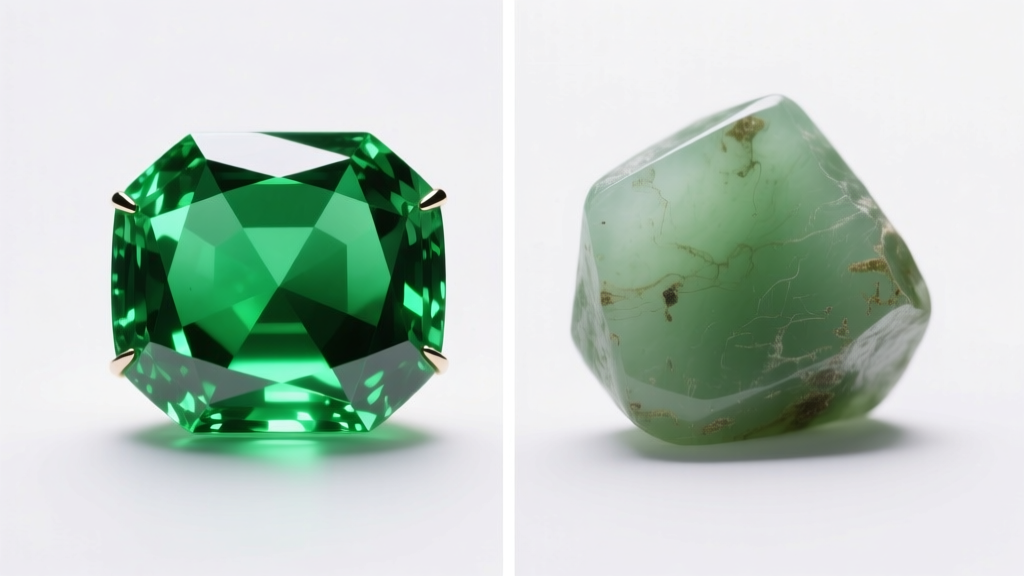
Nephrite is a calcium and magnesium-rich amphibole mineral belonging to the tremolite-actinolite series. Its defining characteristic is its interlocking fibrous crystal structure. According to the Gemological Institute of America (GIA), this felted microstructure grants Nephrite exceptional toughness—making it highly resistant to chipping and fracturing upon impact. Nephrite registers a 6.0 to 6.5 on the Mohs hardness scale and has a specific gravity (SG) ranging from 2.90 to 3.03. The most prized variety, "Mutton Fat" (Yangzhi) jade, is valued for its high degree of translucency, creamy white color, and dense, fine-grained fibrous matrix.
Jadeite, conversely, is a sodium and aluminum-rich pyroxene. It features a granular, interlocking crystalline structure that is slightly less tough than Nephrite but possesses a higher Mohs hardness (6.5 to 7.0) and a noticeably higher specific gravity (3.25 to 3.36). This higher density gives Jadeite a heavier, more substantial feel in the hand and contributes to its superior vitreous luster when polished. The most valuable Jadeite classification is "Imperial Green," characterized by a vivid, highly saturated emerald-green hue caused by trace amounts of chromium, combined with high transparency.
Grading and Market Value: A Practical Framework
Understanding material treatments is vital for assessing the structural integrity of jade in Chinese traditional jewelry. The market categorizes Jadeite into three distinct treatment grades, which directly impact the stone's long-term stability:
- Type A (Untreated): 100% natural jadeite, only cut and polished with traditional plum wax. This is the only grade suitable for investment-grade traditional jewelry.
- Type B (Bleached and Polymer-Impregnated): Acid-washed to remove brown impurities, then injected with epoxy resin to improve transparency. The polymer degrades under UV light and heat, leading to structural brittleness and yellowing over 5 to 10 years.
- Type C (Dyed): Chemically dyed to mimic Imperial Green. The dye fades rapidly, and the stone's crystal lattice is often compromised by the chemical bath.
For Nephrite, grading relies less on chemical treatments and more on textural density, color uniformity, and the absence of "stone lines" (visible structural fractures or inclusions). The historical significance of Nephrite is deeply documented by institutions like The Metropolitan Museum of Art, which notes its continuous use in Chinese carving for over 7,000 years, prized specifically for its extreme toughness which allowed for intricate, deep-relief carvings without shattering.
24K Gold (Chuk Kam) vs. 18K Gold in Heritage Settings
The metalwork in Chinese traditional jewelry is just as culturally significant as the jade it holds. Historically, pure 24-karat gold (known in Cantonese as Chuk Kam) has been the standard. However, from a modern metallurgical and structural engineering perspective, 24K gold presents significant challenges for securing heavy jadeite cabochons or intricate enamel work.
Malleability, Alloying, and Prong Failure Modes
Pure 24K gold is 99.9% gold. While it possesses an unmatched rich, yellow luster and is highly resistant to tarnish and corrosion, its Vickers Hardness (HV) is exceptionally low, typically measuring between 25 and 30 HV. This extreme malleability means that 24K gold prongs and bezels are highly susceptible to "creep"—the slow, permanent deformation of metal under mechanical stress. In traditional settings holding heavy jade bangles or pendants, 24K gold clasps and prongs frequently suffer from metal fatigue, yielding under tension and resulting in catastrophic stone loss.
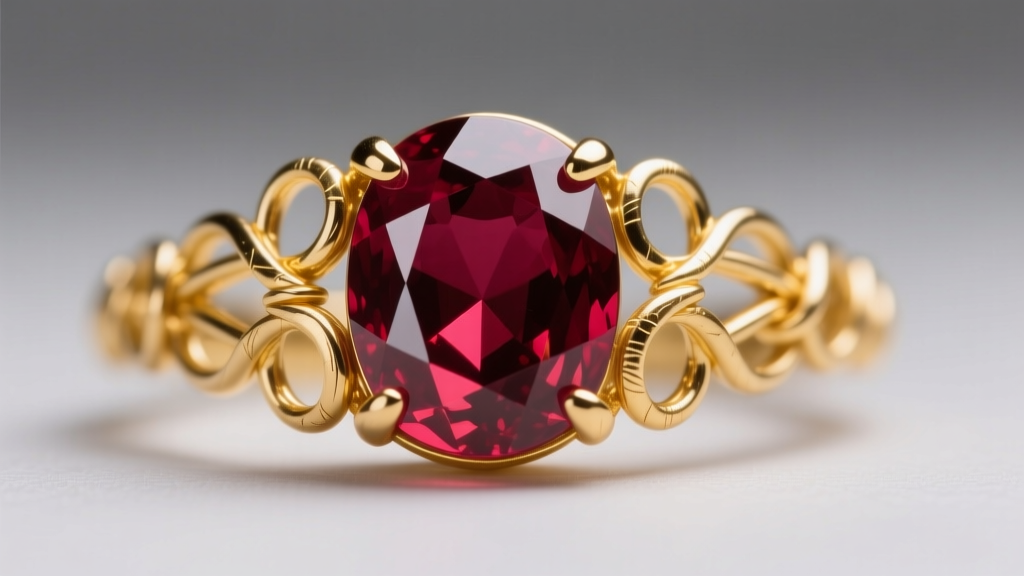
To mitigate these failure modes, contemporary jewelers crafting heritage-style Chinese traditional jewelry often transition to 18K gold (75% gold, alloyed with copper, silver, or zinc). 18K gold boasts a Vickers Hardness of approximately 120 to 130 HV, providing the necessary tensile strength to secure heavy stones securely while maintaining a warm, traditional yellow hue. For collectors insisting on 24K gold for its intrinsic cultural and investment value, the jewelry must rely on structural design—such as full bezel settings, enclosed wirework cages, or traditional silk cord suspensions—rather than tension-based prongs, which are guaranteed to fail over time.
Material Comparison Matrix
The following table provides a quick-reference matrix for the physical properties and structural applications of the primary materials used in Chinese traditional jewelry.
| Material | Mineral / Alloy Type | Mohs Hardness | Specific Gravity / Density | Primary Failure Mode | Best Traditional Application |
|---|---|---|---|---|---|
| Hetian Nephrite | Amphibole (Tremolite) | 6.0 - 6.5 | 2.90 - 3.03 | Surface scratching, chemical etching from acids | Deep-relief carving, solid bangles, pendants |
| Burmese Jadeite | Pyroxene (Sodium Aluminosilicate) | 6.5 - 7.0 | 3.25 - 3.36 | Cleavage fracturing upon sharp impact | Cabochon rings, smooth bead necklaces, inlay |
| 24K Gold (Chuk Kam) | Pure Gold (99.9%) | 2.5 (Mohs) / 25 HV | 19.32 g/cm³ | Prong creep, metal fatigue, tension deformation | Wirework, filigree, solid cast bangles, bezels |
| 18K Yellow Gold | Gold Alloy (75% Au) | 3.5 (Mohs) / 125 HV | ~15.5 g/cm³ | Alloy tarnishing, prong wear over decades | Secure prong settings, structural clasps, chains |
Structural Integrity and Long-Term Care
Maintaining Chinese traditional jewelry requires adhering to strict material science protocols. Improper cleaning can cause irreversible damage to both the stones and the historical metalwork.
- Ultrasonic Cleaners: Never use ultrasonic cleaners on Jadeite or Nephrite. While Type A jade might survive the vibration, any microscopic internal fractures (common in older antique pieces) will propagate and shatter the stone. Furthermore, if a stone is secretly Type B (polymer-filled), the ultrasonic waves will break down the epoxy matrix, turning the jade opaque and cloudy.
- Chemical Exposure: Nephrite and Jadeite are highly sensitive to harsh acids and alkaline solutions. Remove all jade jewelry before swimming in chlorinated pools or using household cleaners. Chlorine can chemically react with the trace minerals in the jade, causing permanent surface pitting.
- Gold Polishing: Avoid aggressive mechanical polishing on antique 24K gold filigree. The metal is so soft that standard jeweler's rouge and rotary tools will rapidly erode the intricate historical tool marks and wire thickness, destroying both the structural integrity and the antique provenance of the piece. Clean 24K gold only with warm water, a mild pH-neutral soap, and a soft-bristled brush.
Conclusion: Investing in Heritage Materials
Collecting and wearing Chinese traditional jewelry is an exercise in balancing cultural reverence with material reality. By understanding the distinct mineralogical differences between Nephrite and Jadeite, and acknowledging the metallurgical limitations of pure 24K gold, collectors can make informed decisions. Whether you are acquiring a modern Imperial Green jadeite cabochon set in secure 18K gold, or an antique Hetian nephrite carving suspended by traditional silk, respecting the physical properties of these materials ensures they will survive for generations to come. For further reading on gold alloy standards and historical metallurgy, the World Gold Council provides extensive data on the global evolution of gold purity standards.


