Metals of Traditional Japanese Jewelry: Properties Compared
Discover the unique metal alloys in traditional Japanese jewelry. Compare Shakudo, Shibuichi, and Mokume-gane properties, patinas, and care.

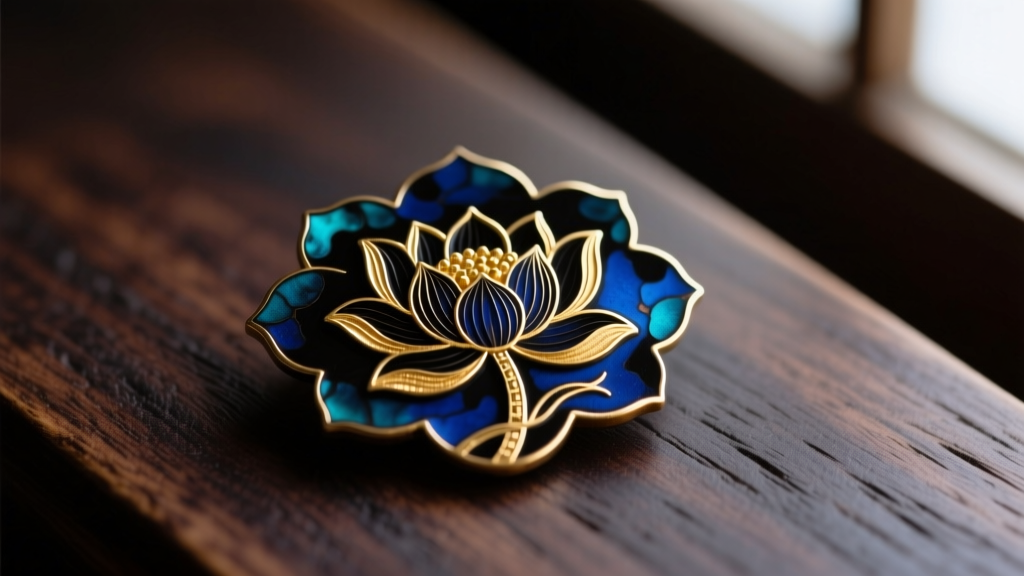
The Metallurgical Soul of Japanese Adornment
When collectors and historians discuss traditional Japanese jewelry, the conversation often gravitates toward the intricate motifs of Edo-period kazari (decorative arts). However, the true genius of Japanese adornment lies not just in its surface engravings, but in its revolutionary metallurgy. Unlike Western jewelry traditions that historically prized the inherent brilliance and purity of precious metals, Japanese metalworkers mastered the art of iroage (coloring) and alloy manipulation to create a subdued, organic palette that mimics the natural world.
From the kogai (hairpins) and obidome (sash fasteners) of the samurai and geisha classes to modern bespoke rings, the materials used in traditional Japanese jewelry are complex, reactive, and require a highly specific understanding of material science. In this guide, we deconstruct the exact chemical compositions, mechanical properties, and failure modes of Japan’s most iconic jewelry alloys.
Shakudo vs. Shibuichi: The Iroage Alloys
The foundation of Japanese polychrome metalwork relies on two primary copper-based alloys: Shakudo and Shibuichi. In their raw, polished states, these metals look remarkably similar—dull, salmon-pink copper. Their magic is only unlocked through chemical patination.
Shakudo: The Blue-Black Gold Alloy
Shakudo is an alloy composed of 90% to 96% copper and 4% to 10% gold. The addition of gold does not increase the monetary value significantly; rather, it alters the crystalline structure of the copper, allowing it to react predictably to traditional patina solutions. When boiled in rokusho (a traditional solution of copper acetate, copper sulfate, and alum), Shakudo develops a lustrous, deep blue-black or purple-black patina.
- Vickers Hardness (HV): ~100-120 HV (annealed), making it relatively soft and ideal for deep nikubori (carving).
- Failure Mode: Highly susceptible to chloride-induced corrosion (similar to bronze disease) if exposed to saltwater or heavy chlorinated environments.
Shibuichi: The Quarter-Silver Canvas
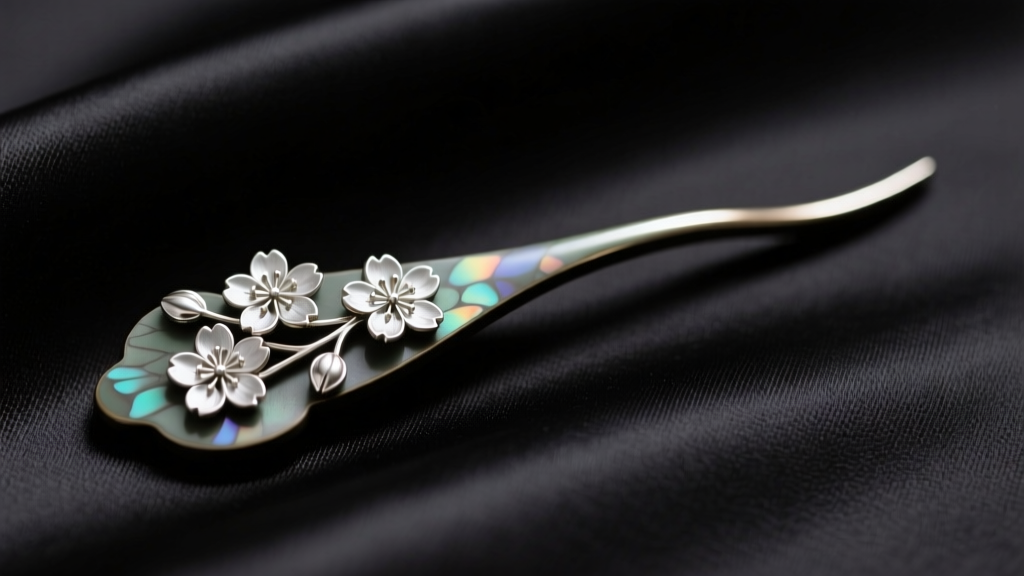
Shibuichi translates literally to "one-fourth," referencing its standard composition of 75% copper and 25% silver. While the silver content can range from 5% to 60% depending on the desired effect, standard Shibuichi reacts with rokusho and sulfur-based compounds to yield a spectrum of soft, matte greys, olive-greens, and warm browns.
- Vickers Hardness (HV): ~130-150 HV. The silver content increases the tensile strength slightly compared to Shakudo.
- Failure Mode: Prone to galvanic corrosion if placed in direct, prolonged contact with more noble metals (like pure silver or platinum) in high-humidity environments.
According to the Metropolitan Museum of Art, the mastery of these alloys allowed Japanese artisans to paint with metal, using the contrasting patinas of Shakudo and Shibuichi to create multi-dimensional landscapes on surfaces as small as a 15mm netsuke toggle.
Mokume-gane: Wood-Grain Metal Lamination
While Shakudo and Shibuichi are homogeneous alloys, Mokume-gane (wood-grain metal) is a composite material. Invented in the 17th century by swordsmith Denbei Shoami, this technique involves stacking alternating layers of precious and semi-precious metals—typically Shakudo, Shibuichi, fine silver, and 18k or 24k gold.
The billet is heated to the point of diffusion bonding, where the metals fuse at the atomic level without the use of solder. The block is then carved, twisted, and forged flat, revealing organic, wood-like patterns. In the context of traditional Japanese jewelry, Mokume-gane was historically reserved for high-ranking samurai fittings, but today it is a highly sought-after material for luxury wedding bands and statement rings.
Expert Insight: True diffusion-bonded Mokume-gane possesses immense shear strength. However, if a modern artisan uses silver solder to laminate layers (a shortcut sometimes seen in mass-market jewelry), the piece will delaminate when exposed to the thermal shock of ultrasonic cleaning or resizing.
Material Comparison Matrix
Understanding the physical properties of these materials is critical for both collectors evaluating antique pieces and jewelers designing contemporary adaptations of traditional Japanese jewelry.
| Material | Composition | Mohs Hardness | Patina Color | Primary Vulnerability |
|---|---|---|---|---|
| Shakudo | 90-96% Cu, 4-10% Au | 2.5 - 3.0 | Blue-black, Purple-black | Chlorides, Lactic Acid |
| Shibuichi | 75% Cu, 25% Ag | 3.0 - 3.5 | Olive-grey, Warm Brown | Galvanic Corrosion |
| Mokume-gane | Laminated Cu/Au/Ag alloys | Varies by layer | Multi-tonal contrast | Delamination (if soldered) |
| Shirome | Cu, Pb, Sn (Impure) | 2.0 - 2.5 | Dark Grey, Charcoal | Lead leaching, Brittleness |
Wearability, Tarnish, and Modern Care Protocols
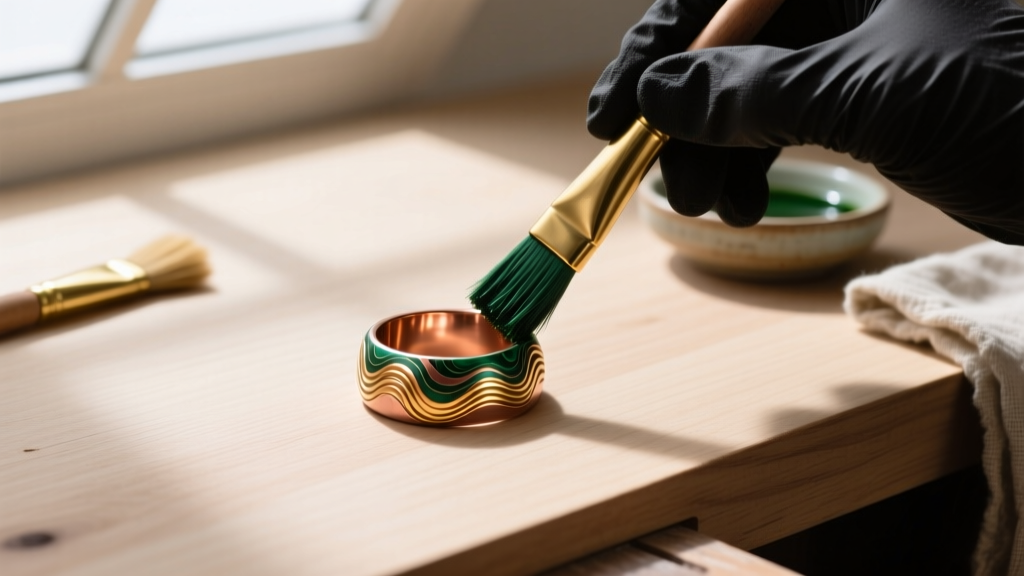
The greatest challenge in wearing traditional Japanese jewelry today is preserving the iroage patina. Human sweat contains lactic acid and sodium chloride, both of which will actively strip the delicate copper oxides and acetates that create the signature blue-black and grey finishes.
Actionable Care Framework
- Barrier Protection: For antique Shakudo obidome or rings worn daily, apply a micro-crystalline wax (such as Renaissance Wax) every 30 days. This creates a breathable, non-yellowing barrier against skin acids.
- Avoid Ultrasonics: Never place patinated Japanese alloys in an ultrasonic cleaner. The high-frequency cavitation will literally blast the chemical patina off the copper matrix, leaving you with raw, pink metal.
- Storage Environment: Store pieces in anti-tarnish cloth bags with silica gel desiccants. High ambient humidity (above 60%) accelerates the conversion of copper oxides into destructive copper chlorides.
For deeper historical context on the preservation of these reactive metals, the Victoria and Albert Museum provides extensive conservation guidelines emphasizing the avoidance of commercial silver dips, which contain thiourea and will instantly ruin a Shakudo finish.
Sourcing Authentic Pieces in the Modern Market
When acquiring traditional Japanese jewelry, buyers must navigate a market flooded with modern tourist-trade replicas. Authentic Edo and Meiji period pieces (1603–1912) command premium prices, but understanding the material markers can help you authenticate them.
- Weight and Thickness: Genuine antique hairpins and fittings were forged for structural integrity. Expect Shakudo bases to be between 1.5mm and 2.5mm thick. Modern cast replicas are often hollow or excessively thin (under 1mm) to save on copper costs.
- The Inlay Technique: Look for takabori (high relief carving) and inlays. In authentic pieces, gold or silver inlays are mechanically locked into the Shakudo base via undercutting the copper. If you see dark glue lines or flush casting seams, it is a modern reproduction.
- Pricing Benchmarks: A verified Meiji-period Shakudo and Shibuichi obidome typically ranges from $300 to $800 depending on the artist's seal (mei). Contemporary, master-crafted Mokume-gane rings utilizing traditional diffusion bonding start around $1,500 and can exceed $5,000 for complex, multi-metal billets.
Preserving the Patina
The allure of traditional Japanese jewelry lies in its embrace of impermanence and nature. The metals are not meant to remain eternally bright like polished platinum; they are designed to evolve, react, and reflect the environment. By understanding the precise metallurgical properties of Shakudo, Shibuichi, and Mokume-gane, collectors can ensure that these masterpieces of material science survive for generations, their deep, soulful patinas intact.


