Indian Head Jewelry Gift Guide: Maang Tikka & Matha Patti
Discover the ultimate 2026 gift guide to Indian head jewelry. Learn to match Maang Tikka, Matha Patti, and Passa styles to weddings and festivals.

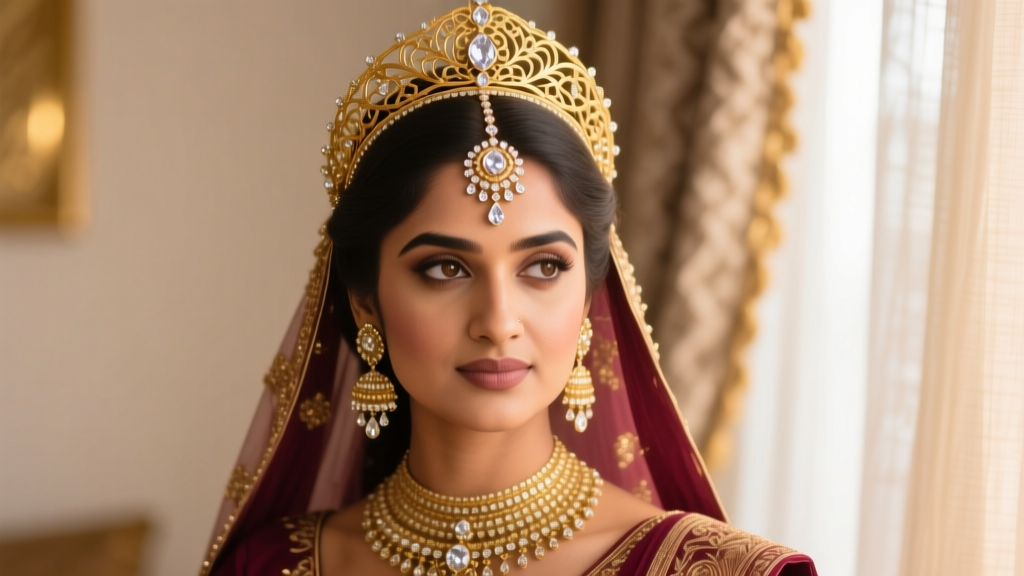
The Cultural Gravity of Indian Head Jewelry
When curating a gift for a South Asian bride, a festival celebrant, or a lover of heritage adornments, Indian head jewelry stands as one of the most profound and visually striking choices. Unlike necklaces or bangles, headpieces rest upon the Ajna Chakra—the third eye or sixth chakra—symbolizing intuition, spiritual awakening, and the union of two souls. According to the Metropolitan Museum of Art's Heilbrunn Timeline, Indian jewelry has historically served not merely as decoration, but as an amuletic shield and a marker of marital and social status.
For the modern gifter in 2026, navigating the lexicon of Maang Tikkas, Matha Pattis, Passas, and Borlas requires more than an eye for aesthetics; it demands an understanding of regional origins, weight distribution mechanics, and occasion-specific styling. This guide decodes the intricacies of gifting Indian head jewelry, ensuring your present is both culturally resonant and practically wearable.
Decoding the Core Styles and Regional Origins
The term "Indian head jewelry" encompasses several distinct silhouettes, each rooted in specific regional traditions. Selecting the right style depends heavily on the recipient's cultural background and the formality of the event.
1. The Maang Tikka (Pan-Indian)
The most ubiquitous of all Indian headpieces, the Maang Tikka consists of a central chain that rests along the hair parting (maang), terminating in a decorative pendant that sits precisely on the center of the forehead. It is versatile, ranging from minimalist single-stone drops for engagement parties to heavy, multi-tiered Kundan masterpieces for the main wedding ceremony.
2. The Matha Patti (North & Central India)
An extension of the Maang Tikka, the Matha Patti includes additional chains that trace the hairline on either side of the face. This style frames the face beautifully and is a staple for brides. Because it distributes weight across the hairline rather than concentrating it on the crown, it is often more comfortable for long ceremonial wear.
3. The Passa / Jhoomar (Mughal / Islamic Influence)
Worn exclusively on the left side of the head, the Passa is a fan-shaped or chandelier-style piece that evokes Mughal royalty. It is heavily favored in Hyderabadi and Pakistani bridal trousseaus, often featuring pearls, emeralds, and intricate enamel work.
4. The Borla (Rajasthan & Gujarat)
Unlike the flat pendants of the Maang Tikka, the Rajasthani Borla features a spherical, bell-like drop adorned with pearls and gemstones. It is designed to mimic the shape of a local fruit and is traditionally paired with the Rakhdi (a turban-like headpiece) or worn alone for a bold, sculptural look.
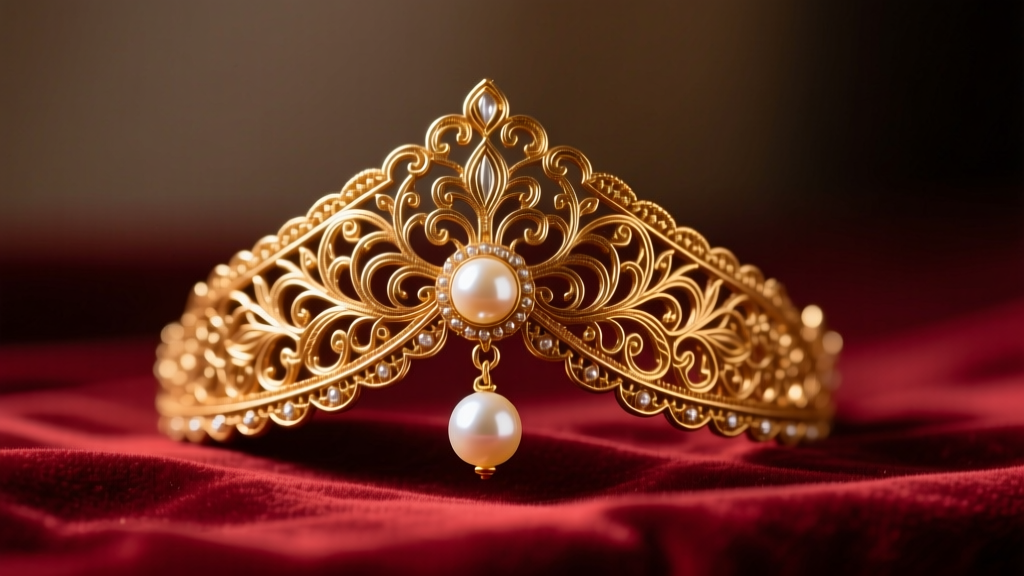
Occasion Matching: The Gifter's Matrix
Gifting Indian head jewelry requires matching the scale and material of the piece to the specific occasion. A heavy bridal Matha Patti is inappropriate for a Diwali party, just as a delicate cubic zirconia tikka will underwhelm at a Sangeet. Use the matrix below to align your gift with the event.
| Occasion | Recommended Style | Material & Craft | Estimated Price Range (USD) |
|---|---|---|---|
| Main Wedding Ceremony | Heavy Matha Patti or Multi-tier Maang Tikka | 22k Gold, Polki (uncut diamonds), Meenakari | $3,500 – $15,000+ |
| Sangeet / Mehndi (Pre-Wedding) | Passa, Jhoomar, or Floral Tikka | Silver with Gold Plating, Freshwater Pearls, CZ | $150 – $600 |
| Reception / Evening Gala | Minimalist Diamond Maang Tikka | 18k White Gold, Solitaire Diamonds | $800 – $2,500 |
| Diwali / Eid Festivals | Petite Maang Tikka or Single-chain Borla | 14k/18k Gold, Semi-precious stones (Emerald/Ruby) | $250 – $900 |
| Cultural Performances | Traditional Temple Jewelry Tikka | Gold-plated Brass, Kemp stones, Silk thread | $40 – $120 |
Technical Gifting Guide: Sizing, Weight, and Mechanics
The most common failure mode when gifting head jewelry is poor fit and weight mismanagement. A beautiful piece will be relegated to a jewelry box if it causes tension headaches or slips out of the hair. As a domain expert, I advise paying strict attention to the following mechanical details before purchasing:
- The Support Loop (Crucial): Never buy a heavy Maang Tikka or Matha Patti that relies solely on an S-hook at the back. The S-hook must attach to a secondary fabric loop or a sturdy chain that the wearer can pin into their braid or bun with a bobby pin. This transfers the weight from the delicate hairline to the structural base of the hairstyle.
- Adjustability: Hair partings vary in length from the crown to the forehead. Look for pieces with an adjustable extension chain (usually 1 to 2 inches) at the S-hook end. Fixed-length chains often result in the pendant sitting awkwardly in the hair or too high on the forehead.
- Weight Thresholds: A comfortable Maang Tikka for 4+ hours of wear should not exceed 35-45 grams. Matha Pattis can weigh up to 80 grams, provided the side chains are wide enough to distribute the load and are secured with multiple hairpins.
Material Authenticity: Kundan vs. Polki vs. Meenakari
When investing in fine Indian head jewelry, understanding the terminology is vital to avoid overpaying for imitation materials. The Victoria and Albert Museum (V&A) notes that traditional Kundan setting is a highly specialized technique originating in the royal courts of Rajasthan and Delhi.
Expert Distinction: Polki refers to uncut, naturally faceted diamonds set in 22k or 24k gold using gold foil (Varak). Kundan, in its purest historical sense, refers to the highly refined, pliable 24k gold used to hold the stones, though in modern commercial markets, "Kundan" often denotes glass or semi-precious stones set in the same foil-backed technique. Always ask the jeweler if the stones are "Polki" (diamond) or "Kundan glass" before paying premium bridal prices.
Furthermore, inspect the reverse side of the headpiece. High-quality heritage jewelry from Jaipur will feature Meenakari (vitreous enamel) on the back, protecting the metal and providing a beautiful, colorful finish when the hair shifts. If the back is plain, unpolished metal, it is likely a lower-tier commercial piece.
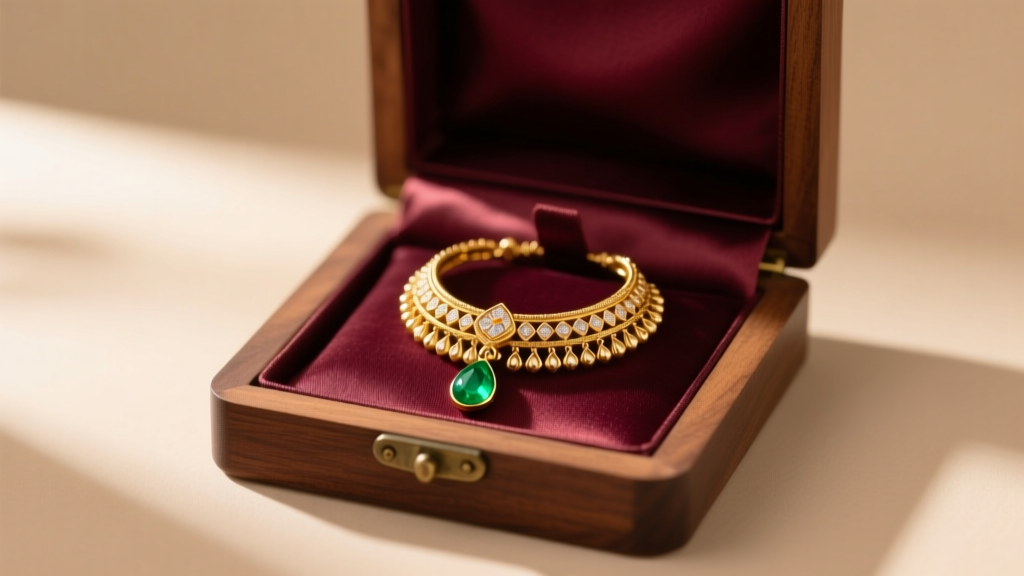
Presentation and Gifting Etiquette
In South Asian culture, the presentation of jewelry is as important as the piece itself. When gifting Indian head jewelry for auspicious occasions like Diwali, Karva Chauth, or a wedding, avoid black packaging, which is considered inauspicious. Opt for deep reds, emerald greens, or gold silk-lined boxes.
Include a small, velvet-lined pouch specifically for the S-hook and adjustable chains, as these small components are easily lost. Finally, if you are gifting a Polki or diamond Matha Patti, always include the hallmark certification (such as BIS Hallmark for gold purity in India) and a detailed invoice outlining the exact carat weight of the diamonds and the gram weight of the gold. This not only proves authenticity but serves as a vital document for future insurance and heirloom valuation.


