Traditional Hawaiian Jewelry: 2026 Value & Pricing Guide
Discover the true value of traditional Hawaiian jewelry in 2026. Compare pricing for 14k gold heirloom pieces, enamel quality, and budget tips.

The Legacy and Economics of Hawaiian Heirloom Jewelry
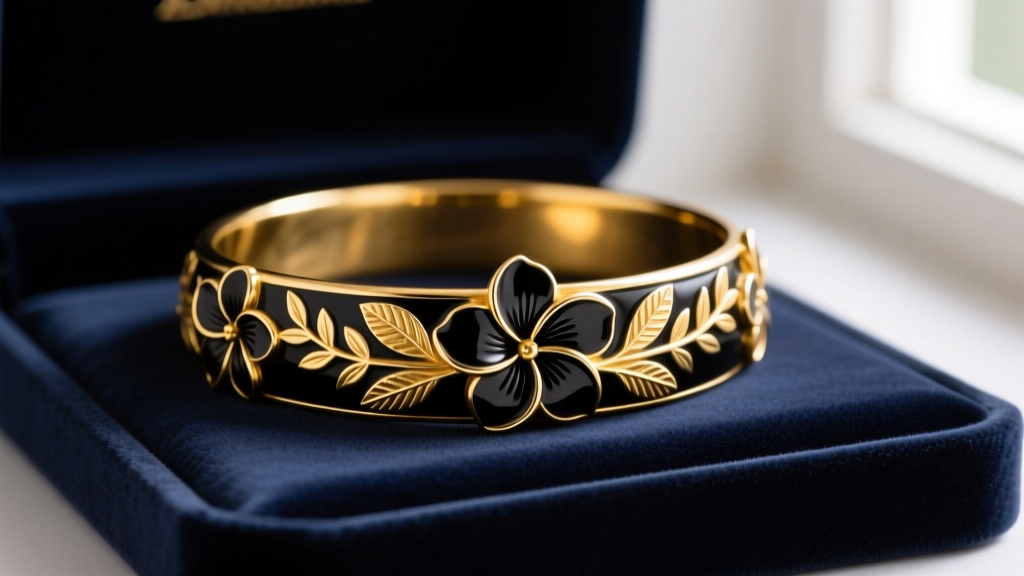
When collectors and cultural enthusiasts seek out traditional Hawaiian jewelry, they are rarely just looking for a decorative accessory. They are investing in a profound historical narrative. Originating in the late 19th century, this distinct style—characterized by solid gold pieces adorned with intricate black enamel scrollwork and floral motifs—was popularized by Queen Liliʻuokalani and her royal court. Following the overthrow of the Hawaiian Kingdom in 1893, the Queen and her ladies-in-waiting wore black-enameled gold bracelets as a symbol of mourning and enduring allegiance to their nation. Today, these pieces are known as Hawaiian Heirloom jewelry, passed down through generations as tangible links to the islands' royal lineage.
However, navigating the market for these cultural artifacts in 2026 requires a sharp eye for both heritage and economics. With gold prices fluctuating and modern manufacturing techniques blurring the lines between authentic craftsmanship and mass-produced souvenirs, assessing the true budget and value of these pieces is more complex than ever. According to historical archives at the Bernice Pauahi Bishop Museum, the original royal bracelets featured deep, hand-engraved motifs filled with vitreous enamel. Replicating this level of detail today commands a significant premium, making it essential for buyers to understand exactly what they are paying for.
Decoding the Price: What Actually Drives Value?
To accurately assess the value of traditional Hawaiian jewelry, you must look beyond the aesthetic appeal and evaluate the piece based on four critical material and craftsmanship metrics. The price gap between a $300 tourist-shop bangle and a $3,500 master-crafted heirloom is defined by the following factors:
1. Gold Purity and Gram Weight
Authentic heirloom pieces are almost exclusively crafted in 14k or 18k solid yellow gold. While 18k gold offers a richer, deeper yellow hue that closely mimics vintage royal pieces, 14k gold is the industry standard for durability, especially for bangles and rings that endure daily wear. According to the Gemological Institute of America (GIA), 14k gold contains 58.3% pure gold, providing the necessary tensile strength to protect the brittle enamel inlays from cracking upon impact.
Value is heavily dictated by gram weight. A standard 6mm wide bangle (size 7) should weigh between 12 and 15 grams. Heavy-duty 10mm bangles can weigh upwards of 25 to 30 grams. In the 2026 market, where the intrinsic melt value of 14k gold hovers around $40 to $45 per gram, a 20-gram bangle carries a baseline scrap value of roughly $800 to $900. Retail pricing for authentic craftsmanship typically applies a 1.8x to 2.5x multiplier to this melt value.
2. Hand-Cut vs. Machine-Routed Enamel
This is the single most significant differentiator between mid-tier and high-end traditional Hawaiian jewelry.
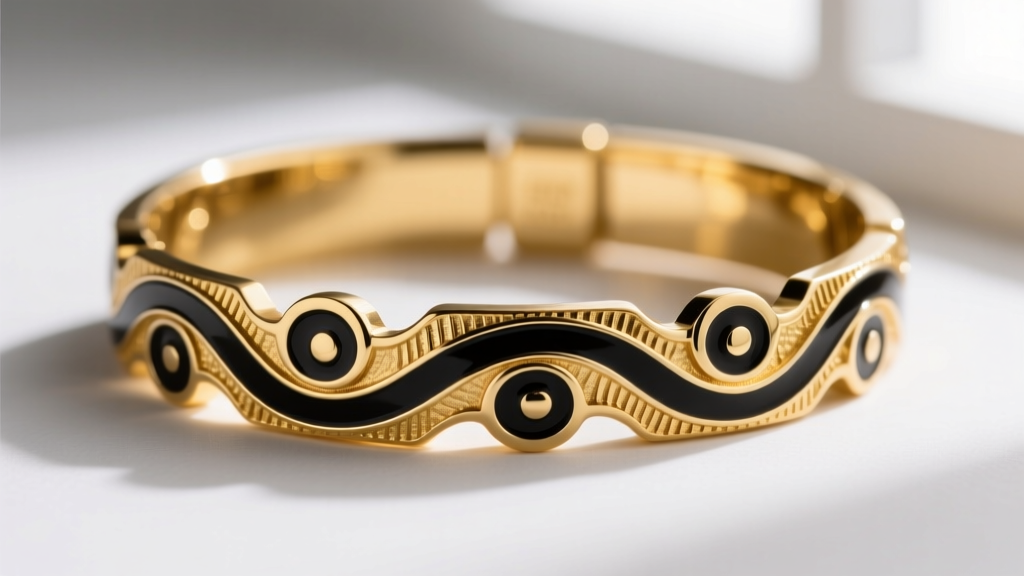
- Hand-Cut Enamel: Master jewelers use specialized gravers to manually carve the scrollwork and floral patterns into the gold. The edges are sharp, the depth is substantial, and the black enamel sits flush or slightly recessed, creating a striking three-dimensional contrast. This technique is labor-intensive and commands top dollar.
- Machine-Routed (CNC) Enamel: Mid-range manufacturers use computer numerical control (CNC) machines to mill the patterns. While precise, the grooves are often shallower, and the edges lack the organic, fluid sharpness of hand-cut work. The enamel may appear flat or slightly raised above the gold.
2026 Market Pricing Tiers for Traditional Hawaiian Jewelry
Whether you are budgeting for a graduation gift, a wedding band, or a personal collection piece, understanding the current pricing tiers will help you allocate your funds effectively. The table below outlines what you can expect to pay based on material quality and manufacturing origin.
| Market Tier | Material & Weight | Enamel Technique | Estimated Price Range (2026) | Best Use Case |
|---|---|---|---|---|
| Entry / Souvenir | Gold-filled, Sterling Silver, or 10k (Under 8g) | Painted resin or shallow machine routing | $80 - $350 | Casual wear, tourists, strict budgets |
| Mid-Tier Commercial | 14k Solid Gold (10g - 16g) | CNC Machine-routed enamel | $600 - $1,400 | Everyday wear, high school graduation gifts |
| Premium Heirloom | 14k or 18k Solid Gold (18g - 25g+) | Hand-cut deep enamel by local artisans | $1,800 - $3,500+ | Weddings, generational heirlooms, collectors |
| Vintage / Antique | 14k/18k Vintage Gold (Variable) | Historical hand-engraved, often signed | $2,500 - $8,000+ | Investors, historians, serious collectors |
Budget Hacks: Maximizing Value Without Compromising Heritage
If you want the cultural authenticity and material integrity of genuine traditional Hawaiian jewelry but are constrained by a strict budget, there are several strategic avenues to explore. Leading local manufacturers like Maui Divers of Hawaii offer collections that balance heritage aesthetics with accessible pricing, but you can stretch your dollar even further with these tactics:
- Opt for 14k Over 18k: While 18k gold is luxurious, 14k gold is significantly more affordable per gram and actually performs better in protecting the enamel from daily knocks and scratches. You save roughly 20-30% on the metal cost alone.
- Choose Narrower Widths: A 4mm or 5mm bangle or ring will feature the exact same traditional motifs (like the Maile leaf or Plumeria) as a 10mm piece, but at a fraction of the gram weight. A 5mm 14k bangle can often be found in the $500–$700 range, making it an excellent entry point into solid gold heirloom pieces.
- Explore the Secondary Market: Estate sales in Honolulu and verified vintage jewelry platforms are goldmines for 1970s and 1980s Hawaiian heirloom pieces. Because gold prices were much lower when these pieces were originally purchased, you can often acquire heavy, hand-cut vintage bangles for just a modest premium over today's scrap gold value.
- Prioritize the Motif over the Mass: If a heavy bangle is out of reach, consider a solid 14k gold pendant or a pair of stud earrings featuring the Pikake (jasmine) or Melian (plumeria) motifs. These pieces carry the same cultural weight and hand-cut enamel work but require significantly less gold, keeping prices between $250 and $500.
Understanding the Cultural Motifs
When assessing value, remember that the motif itself carries cultural significance that adds intangible worth to the piece. The Maile leaf is a sacred symbol of peace, respect, and honor, traditionally used in royal leis. The Plumeria represents welcome, positivity, and new beginnings. The Scrollwork (often resembling ocean waves or vines) symbolizes the continuous, unending journey of life and the eternal nature of Aloha. Choosing a motif that aligns with your personal or family milestones elevates the piece from mere jewelry to a storytelling artifact.
Red Flags: Avoiding 'Hawaiian Style' Tourist Traps
The popularity of traditional Hawaiian jewelry has inevitably led to a flood of counterfeit and low-quality imitations. To protect your budget and ensure you are acquiring a piece of genuine cultural value, be vigilant against the following red flags:
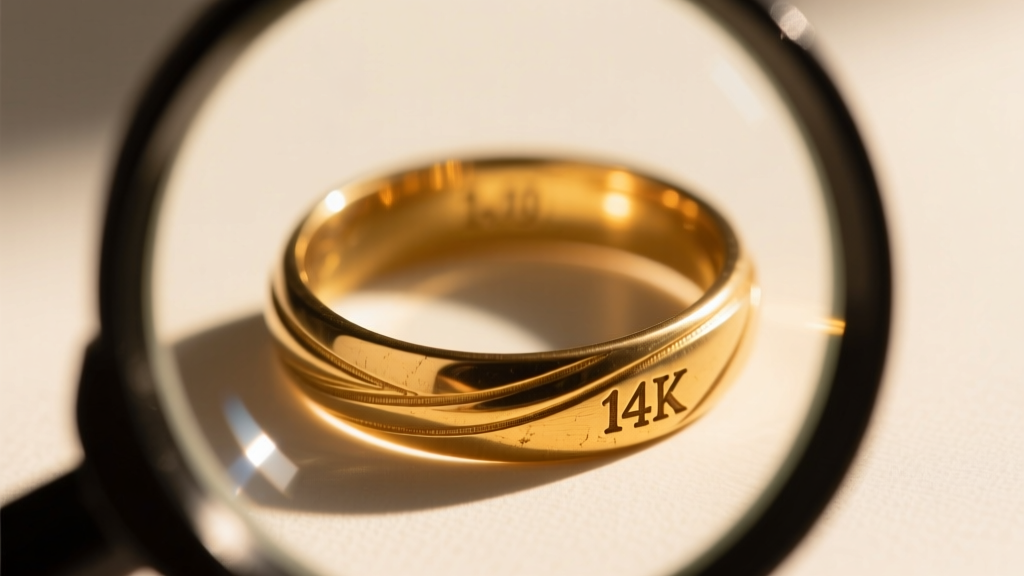
The 'Hawaiian Style' Loophole: If a piece is stamped or marketed as 'Hawaiian Style' rather than 'Made in Hawaii,' it is almost certainly mass-produced overseas. Authentic heirloom jewelry is proudly stamped with 'Made in Hawaii' alongside the gold purity mark (e.g., 14k) and the manufacturer's hallmark.
Furthermore, inspect the black inlay. In cheap imitations, the black material is often painted resin or epoxy that sits on top of the gold surface. Over time, this resin will yellow, chip, or peel away entirely. True vitreous enamel is fired at high temperatures, fusing it to the gold. It will never peel, though it can crack if the gold band is severely bent or crushed. Always use a jeweler's loupe to inspect the border where the black enamel meets the gold; it should be a crisp, clean line with no bleeding or sloping.
Final Verdict: Is Traditional Hawaiian Jewelry a Good Investment?
From a purely financial standpoint, traditional Hawaiian jewelry holds its value exceptionally well due to its solid gold content. Unlike fashion jewelry, which depreciates to zero the moment it leaves the store, a 14k or 18k Hawaiian bangle will always retain its intrinsic melt value. However, its true return on investment is cultural and emotional. When you purchase a hand-cut, locally made heirloom piece, you are funding the preservation of an indigenous art form and acquiring a durable, multi-generational artifact. By understanding the nuances of gram weight, enamel techniques, and historical hallmarks, you can confidently navigate the 2026 market and secure a piece of Hawaiian history that fits both your budget and your legacy.


