Jason Livingston Navajo Jewelry: 2026 Style Trends
Explore 2026 trends in Jason Livingston Navajo jewelry, from heavy-gauge silver stamp work to investment-grade turquoise styling and pricing.

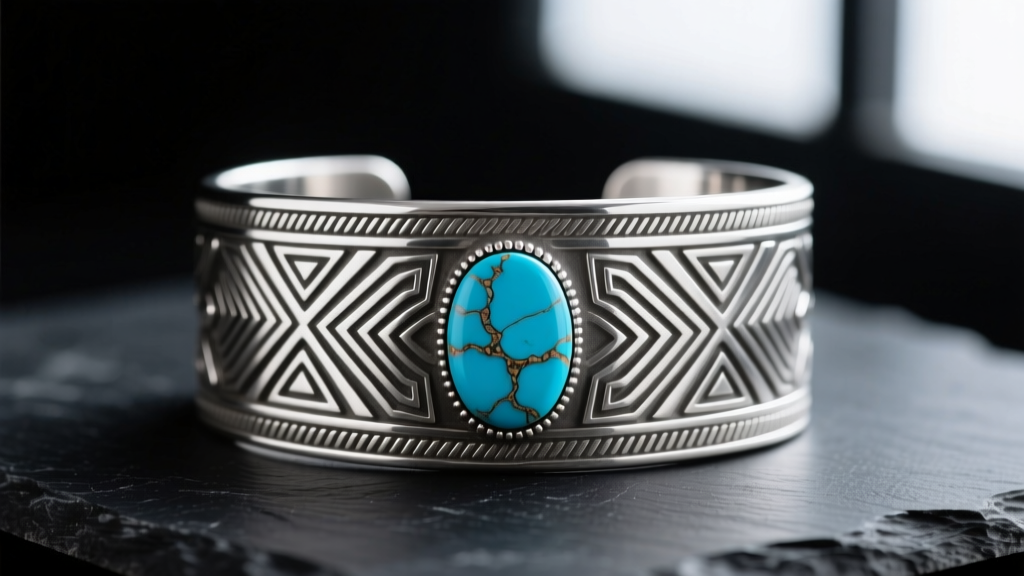
The landscape of Southwestern adornment is undergoing a massive renaissance in 2026. As collectors and fashion enthusiasts pivot away from mass-produced, lightweight tourist souvenirs, the demand for authentic, heritage-rich, and structurally substantial pieces has skyrocketed. At the forefront of this movement is Jason Livingston Navajo jewelry, a benchmark for contemporary artisans who honor ancestral Diné (Navajo) silversmithing techniques while appealing to modern luxury sensibilities.
For serious collectors and style curators, understanding the nuances of Livingston’s work—and the broader artisan Navajo market—requires a deep dive into metallurgy, gemology, and market valuation. This analysis breaks down the defining characteristics, investment potential, and styling frameworks for high-end Navajo silver in today’s market.
The Resurgence of Heavy-Gauge Navajo Silver
The most significant trend in 2026 regional jewelry is the rejection of flimsy, 22-gauge commercial silver sheets in favor of heavy-gauge, structural sterling. Artisans operating in the lineage of master silversmiths like Jason Livingston are increasingly utilizing 14-gauge (1.63mm) and even 12-gauge (2.05mm) sterling silver for cuff bracelets, concho belts, and heavy rings.
This shift is driven by two factors: durability and the tactile experience of luxury. A 12-gauge silver cuff possesses a substantial, heirloom-quality weight on the wrist that immediately communicates its artisanal origin. Furthermore, heavier gauge silver allows for deeper, more dramatic stamp work without compromising the structural integrity of the piece. When a steel die is struck with a brass hammer into 12-gauge silver, the resulting geometric or floral motifs have a profound, sculptural depth that simply cannot be achieved in thinner commercial alloys.
Decoding the Artisan Aesthetic: Tufa and Stamp Work
Authentic Navajo silversmithing is defined by its mastery of specific, labor-intensive techniques. When analyzing high-tier pieces, two methods stand out as primary indicators of artisanal value:
1. Tufa Casting
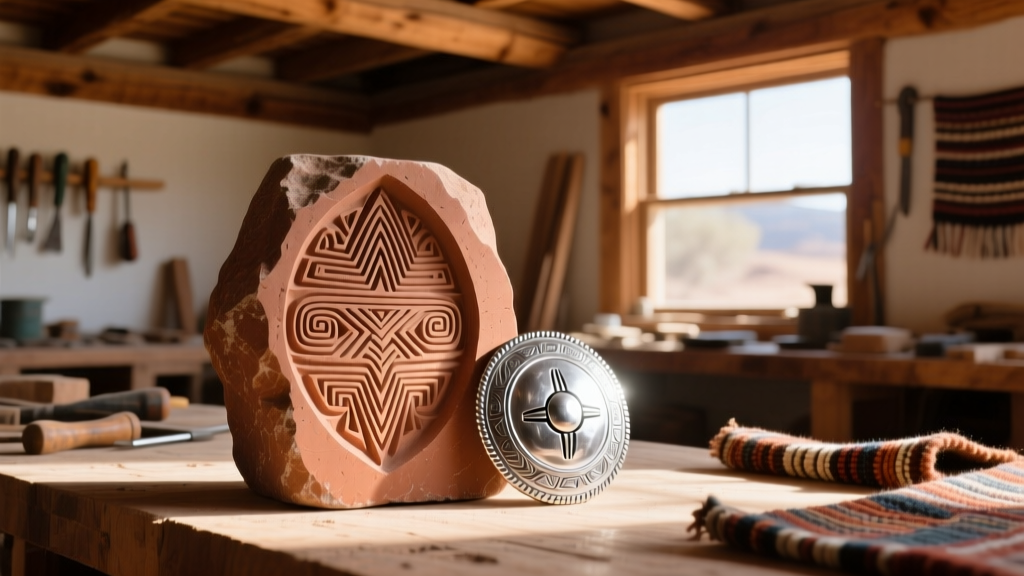
Tufa stone (a porous volcanic ash rock) is carved by hand to create a negative mold. Molten sterling silver is poured into the stone, creating a distinct, slightly textured surface that retains the organic, earthy feel of the earth. Once cooled, the silver is removed, and the tufa stone is often destroyed or heavily degraded, meaning each cast piece is inherently unique. The Smithsonian National Museum of the American Indian notes that tufa casting remains one of the most revered and historically significant methods in Southwestern metalwork, bridging late 19th-century traditions with modern avant-garde designs.
2. Hand-Stamped Overlay and Repoussé
While machine-stamping is prevalent in commercial markets, elite Navajo jewelers utilize hand-forged steel dies. The rhythmic, overlapping patterns—often featuring rainbird, eagle feather, and sun ray motifs—require years of muscle memory. Repoussé, the technique of hammering the silver from the reverse side to create a raised, three-dimensional relief on the front, is another hallmark of museum-grade Navajo cuffs and conchos.
Material Breakdown: Silver Weight and Stone Grades
To accurately assess the value of Navajo jewelry in 2026, one must look past the visual design and scrutinize the raw materials. Below is a comparative matrix detailing the differences between commercial Southwestern jewelry and high-end artisan pieces.
| Feature | Commercial / Mass-Produced | Artisan Grade (e.g., Livingston Style) |
|---|---|---|
| Silver Gauge | 22 to 24-gauge (thin, easily bent) | 12 to 16-gauge (structural, heavy) |
| Silver Type | Sterling sheet, sometimes silver-plated base metal | Solid cast or heavy rolled .925 Sterling, sometimes coin silver (.900) |
| Turquoise Treatment | Stabilized, dyed, or block (reconstituted) | Natural, untreated high-grade cabochons |
| Stone Origins | Generic imported or unidentified domestic | Kingman, Number 8, Lone Mountain, Sleeping Beauty |
| Bezel Setting | Glued or machine-crimped, uniform edges | Hand-cut, deeply scalloped, or hand-sawed bezels |
The Turquoise Hierarchy
In the realm of premium Navajo jewelry, the provenance of the turquoise dictates a significant portion of the price. Kingman turquoise, prized for its deep blue color and striking black or copper pyrite webbing, remains a top choice for heavy silver cuffs. Number 8, known for its intricate brown and black spiderweb matrix over a bright blue or green base, is highly sought after by serious collectors. Artisans prioritize natural, untreated stones (Mohs hardness of 5.5 to 6), which require masterful, tight bezel setting to prevent the stone from cracking under pressure.
Investment and Pricing Matrix for 2026
As the appreciation for indigenous fine art continues to grow, the secondary and primary markets for authenticated Navajo jewelry have established clear pricing tiers. Collectors should expect the following retail and gallery ranges for master-crafted pieces in 2026:
- Heavy Stamp Work Rings & Bands: $350 – $950 (Dependent on silver weight and inclusion of small cabochons).
- Tufa Cast & Stamped Cuff Bracelets: $1,200 – $4,500 (Large, high-grade Kingman or Lone Mountain stones push the price to the upper limit).
- Concho Belts: $6,000 – $18,000+ (The pinnacle of Navajo silversmithing; a full leather-and-silver concho belt featuring repoussé work and premium turquoise can rival luxury European brand pricing).
- Squash Blossom Necklaces: $4,000 – $12,000 (Highly dependent on the number of naja pendants, silver weight, and historical provenance).
"The modern collector is no longer just buying jewelry; they are acquiring wearable sculpture. A heavy-gauge Navajo cuff with natural, untreated turquoise holds its value similarly to a fine mechanical watch or a limited-edition print." — Southwestern Art & Antiques Market Report, 2025
Authentication and Sourcing Guide
The proliferation of imported, mass-produced imitations makes authentication a critical skill for buyers. The Indian Arts and Crafts Board strictly enforces the Indian Arts and Crafts Act, which makes it illegal to misrepresent goods as being Native American-made. When sourcing Jason Livingston Navajo jewelry or pieces from similar master artisans, adhere to these verification steps:
- Hallmark Verification: Look for a deeply stamped artist hallmark (e.g., "J. Livingston" or a specific clan symbol) alongside the word "Sterling." Acid-etched or laser-engraved hallmarks are often red flags for commercial manufacturing.
- Examine the Bezel: Run your fingernail along the silver rim holding the stone. A hand-cut bezel will have microscopic, organic variations. A perfectly uniform, machine-stamped bezel indicates factory production.
- Source Reputable Galleries: Purchase only from established Southwestern galleries, certified Native American art cooperatives, or directly from the artist’s verified representatives. Avoid unverified online marketplaces where provenance cannot be guaranteed.
Styling Artisan Navajo Pieces for Contemporary Wardrobes
The challenge with heavy, ornate regional jewelry is integrating it into a modern wardrobe without appearing costumey. The 2026 styling paradigm favors contrast and minimalism. Let the jewelry serve as the undisputed focal point of the ensemble.
The Rule of Thirds and Oxidation
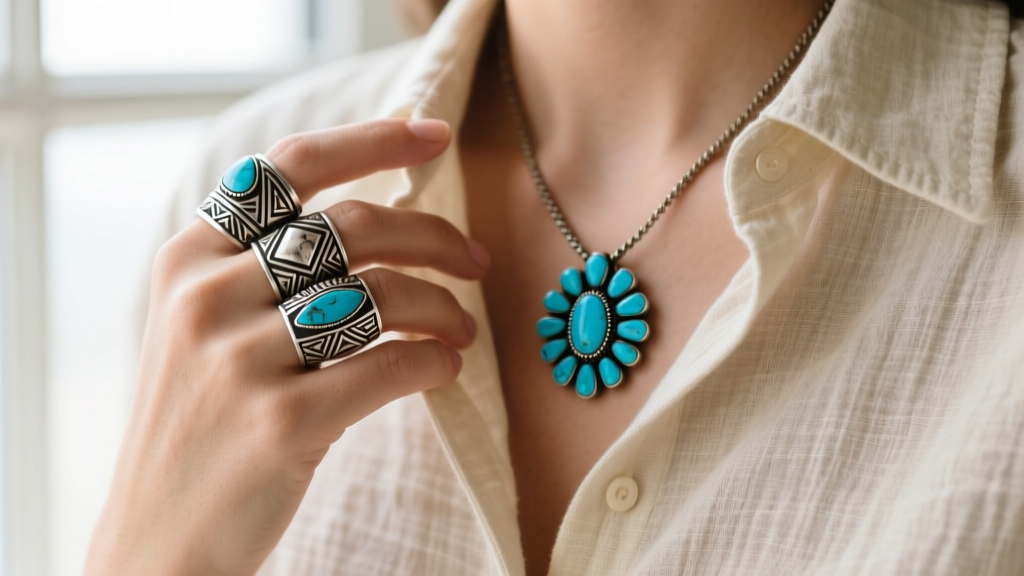
Navajo silversmiths often utilize intentional oxidation (darkening the recessed areas of the silver with liver of sulfur) to create contrast and highlight the stamp work. This darkened, matte finish pairs exceptionally well with earth-toned, natural textiles. A heavy, oxidized silver squash blossom necklace worn over a crisp, minimalist beige linen shirt or a structured charcoal wool blazer creates a striking visual tension between rugged heritage and contemporary tailoring.
When stacking rings, mix textures. Pair a high-polish, smooth silver band with a heavily stamped, matte-finished turquoise ring. This prevents the hand from looking cluttered and allows the distinct craftsmanship of each piece to breathe. For cuffs, wear them directly on the skin or over the sleeve of a thin, fitted turtleneck in the colder months to maintain a sleek silhouette.
The Future of Southwestern Heirloom Jewelry
The trajectory of Jason Livingston Navajo jewelry and the broader artisan Southwestern market points toward a future where indigenous craftsmanship is rightfully categorized alongside global haute joaillerie. As raw materials like high-grade, untreated turquoise become increasingly scarce due to mine closures, the intrinsic and artistic value of existing heavy-gauge silver pieces will only appreciate.
For the discerning collector in 2026, investing in authentic, structurally robust Navajo jewelry is not merely a fashion choice—it is an act of cultural preservation and a highly astute acquisition of wearable, generational wealth.


