Top Jewelry Trends for Women in 2026: A Beginner's Guide
Discover the top jewelry trends for women in 2026. Learn beginner-friendly styling techniques, metal mixing rules, and how to build a timeless capsule.


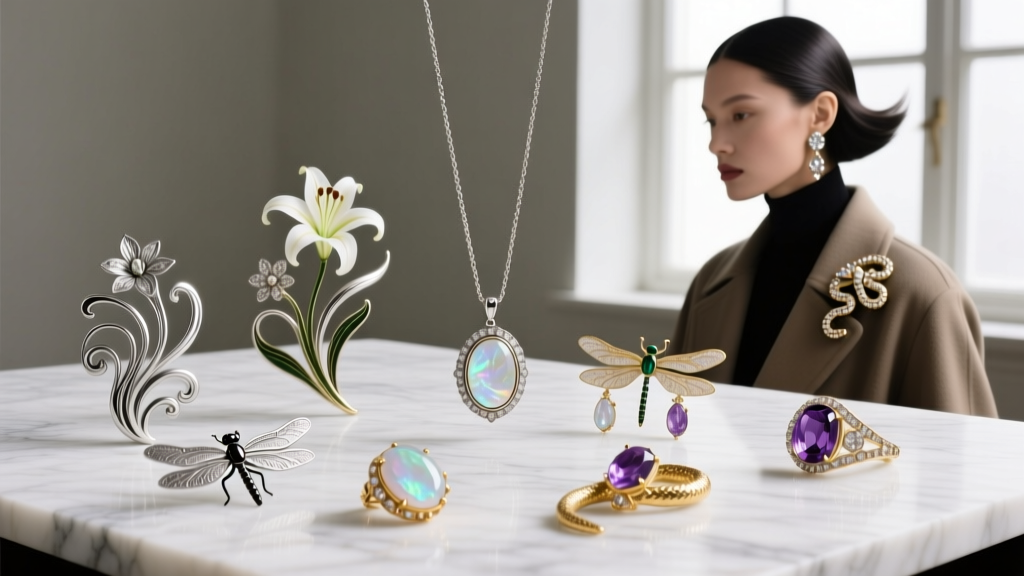
If you have been scrolling through social media or browsing boutique windows lately, you have likely noticed a shift. The chaotic, heavy maximalism of the early 2020s has evolved into something far more refined. As we navigate the current fashion landscape, the top jewelry trends for women in 2026 are all about "curated personalism"—pieces that feel deeply personal, effortlessly layered, and masterfully mixed.
For beginners, stepping into the world of jewelry styling can feel intimidating. Do you mix metals? How many chains are too many? What is the difference between gold-filled and vermeil? This comprehensive, beginner-friendly explainer will decode this year's defining aesthetics and provide you with a concrete, actionable framework to build a jewelry wardrobe that feels modern, expensive, and uniquely yours.
The Core 2026 Jewelry Trends for Women (Decoded)
Before we dive into styling mechanics, we need to understand the foundational elements dominating the market this year. The 2026 landscape is defined by three distinct pillars:
1. Sculptural Silver and Liquid Metal
Silver is no longer just the budget-friendly alternative to gold; it is the star of the show. However, we are not talking about delicate, high-polish chains. The 2026 silver trend focuses on liquid metal and sculptural forms. Think molten-looking cuffs, asymmetrical ear maps, and brushed-finish signet rings with a thickness of 4mm to 6mm. The key here is texture. Brushed and matte finishes catch the light differently, providing an organic, almost artisanal feel that elevates simple outfits like a crisp white button-down or a ribbed knit turtleneck.
2. The "Lived-In" Gold Layer
While silver provides sculptural drama, gold remains the anchor of the everyday capsule. The current trend moves away from perfectly matched, uniform sets. Instead, the "lived-in" look champions a mix of chain link styles—combining a delicate 14-inch cable choker with a heavier 20-inch paperclip chain. The goal is to mimic a collection gathered over decades, rather than purchased all at once from a single catalog.
3. Organic and Asymmetric Pearls
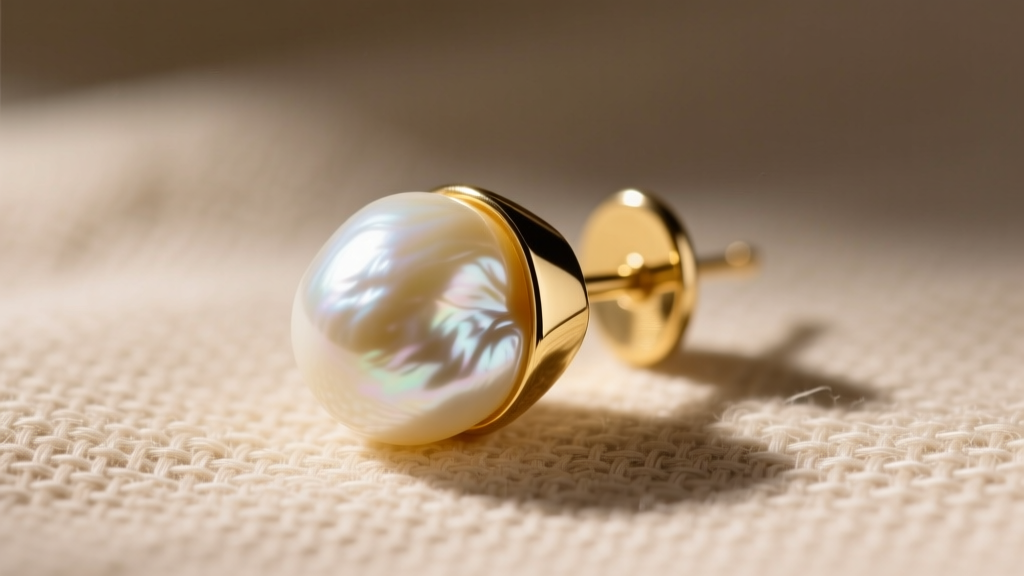
Perfectly round, high-luster Akoya pearls are taking a backseat to their wilder cousins. Baroque and Keshi pearls, characterized by their irregular, organic shapes, are the definitive pearl trend of 2026. According to the Gemological Institute of America (GIA), the unique surface characteristics and asymmetrical drill holes of baroque pearls make each piece entirely one-of-a-kind. Look for freshwater baroque pearls in the 9mm to 12mm range, ideally set in matte gold caps or suspended on invisible nylon threading for a modern, floating illusion.
The Beginner's Framework: How to Actually Layer Necklaces
Layering is the most prominent styling technique of the decade, but it is also where most beginners fail. The secret to avoiding a tangled, cluttered mess lies in strict spatial planning and varying chain geometries. We call this the Rule of Three, which relies on distinct length separations and contrasting link patterns.
The Necklace Layering Cheat Sheet
Use this exact blueprint to construct a flawless three-piece layer. Ensure there is a minimum of 3 to 4 inches between each chain to prevent tangling and allow each piece to breathe.
| Layer Position | Ideal Length | Recommended Chain Style | Clasp Type |
|---|---|---|---|
| Base (The Anchor) | 14" - 15" (Choker) | 1.5mm Cable or Box Chain | Spring Ring (for lightweight) |
| Mid (The Statement) | 18" (Princess) | 3mm Paperclip or Curb Link | Lobster Claw (for durability) |
| Long (The Elongator) | 22" - 24" (Matinee) | 2mm Rolo or Snake Chain | Magnetic or Large Lobster |
Pro Tip: If you are buying chains individually, look for brands that offer adjustable extender chains (usually 2 inches). This allows you to micro-adjust the spacing based on the neckline of your shirt.
Metal Mixing Demystified: A Step-by-Step Guide
For years, the golden rule of fashion dictated that you must stick to one metal family. In 2026, mixing yellow gold, white gold, and silver is not just acceptable; it is expected. However, randomly throwing different metals together looks accidental, not intentional. Here is how to mix metals like a professional stylist.
The 70/30 Ratio Rule
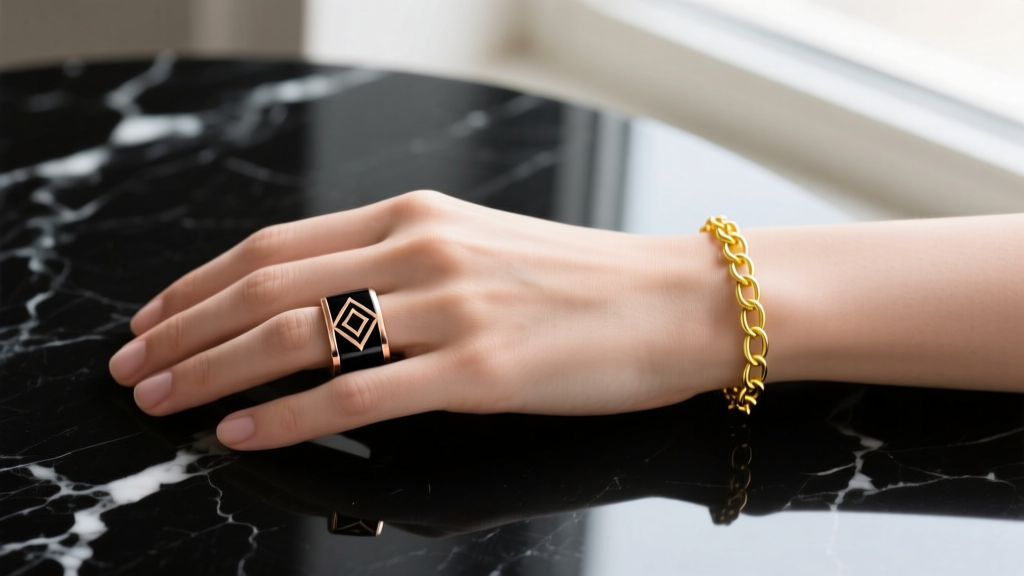
Never split your metals 50/50. Choose one metal to be your dominant tone (70% of your jewelry) and use the secondary metal as an accent (30%). For example, if you are wearing three gold rings and a gold bracelet, introduce a single silver statement ring to break up the warmth and add visual friction.
Anchoring with a Bridge Piece
The easiest way to justify mixing metals is to wear a "bridge piece"—an item of jewelry that intentionally features both tones. A two-tone signet ring, a watch with a mixed-metal bezel, or a necklace with alternating gold and silver links acts as a visual anchor. Once the eye registers the intentional combination in the bridge piece, the rest of your mixed-metal styling makes logical sense.
Budgeting and Material Grades: What to Invest In
When exploring the latest jewelry trends for women, it is crucial to understand what you are actually buying. The market is flooded with misleading terminology. To build a capsule that will not turn your skin green or tarnish within a month, you must understand material grades.
- Solid 14k Gold: The ultimate investment for everyday wear. It contains 58.5% pure gold, making it durable enough to resist scratching and bending. Ideal for rings and permanent bracelets.
- 14k Gold-Filled (1/20 14k GF): The best budget alternative. By FTC guidelines, gold-filled items must contain a layer of gold that is at least 1/20th of the total weight of the item, mechanically bonded to a brass core. It will last years without flaking.
- Gold Vermeil: Vermeil is a thick layer of gold (minimum 2.5 microns) plated over a solid sterling silver base. It is excellent for statement earrings or chunky cuffs, but the plating will eventually wear off with heavy friction.
- Argentium Silver (935 or 960): Traditional sterling silver (925) is prone to tarnishing due to its copper content. Argentium replaces some copper with germanium, making it highly tarnish-resistant and brighter. Always look for Argentium when buying silver chains.
For a deeper understanding of how precious metals are regulated and stamped in the United States, refer to the Federal Trade Commission (FTC) Jewelry Guides. Knowing these stamps will save you from overpaying for cheap costume jewelry disguised as fine pieces.
Common Beginner Mistakes to Avoid in 2026
Even with the right pieces, execution is everything. Avoid these three common styling pitfalls:
- Ignoring Neckline Geometry: A 16-inch choker looks stunning with a deep V-neck or an off-the-shoulder top, but it will visually choke a high crew neck. Match the curve of your jewelry to the curve of your garment.
- Over-Accessorizing the Face: If you are wearing bold, sculptural silver drop earrings, skip the layered necklaces. Let one zone of your body be the focal point. In 2026, styling is about negative space as much as it is about the jewelry itself.
- Buying Plated Brass: If a piece is described as "gold-plated" without mentioning a silver or gold-filled base, it is likely plated brass. Brass reacts with the acids in your sweat, leaving a green residue on your skin. Always verify the base metal before purchasing.
Final Thoughts on Building Your Capsule
Navigating the jewelry trends for women in 2026 does not require an unlimited budget or a degree in fashion design. It requires a strategic approach to proportions, an understanding of metallurgy, and the confidence to break outdated rules. Start small: invest in a high-quality 14k gold-filled paperclip chain, add a sculptural silver ring, and practice the 70/30 metal mixing rule. Over time, your jewelry box will transform from a chaotic drawer of impulse buys into a curated, cohesive collection that elevates every outfit you own.