How to Authenticate & Buy Vintage 70's Women's Jewelry
Discover how to authenticate, evaluate, and style vintage 70's women's jewelry. Learn hallmark secrets, material grades, and pricing for 1970s pieces.

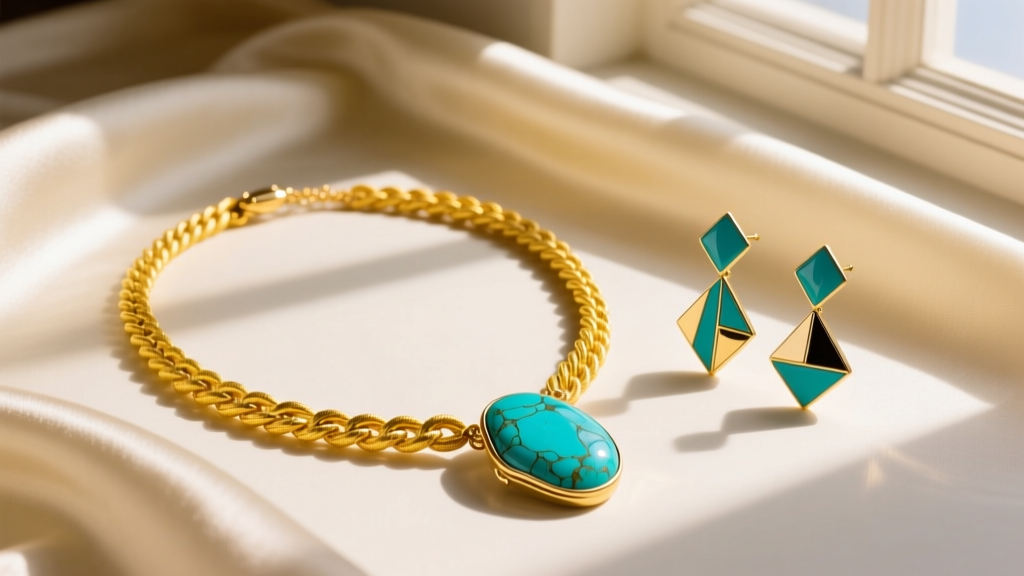
The 1970s was a decade of radical self-expression, and the jewelry of the era reflects a fascinating collision of cultural movements. From the earthy, tactile appeal of the bohemian naturalist movement to the high-octane sparkle of Studio 54, 70's women's jewelry remains some of the most highly sought-after vintage on the market today. In 2026, collectors and style enthusiasts are moving past fast-fashion reproductions, seeking out authentic, well-crafted original pieces. However, buying vintage requires a trained eye. This comprehensive buying guide will teach you how to authenticate, evaluate, and style genuine 1970s pieces, ensuring you invest in quality rather than cleverly disguised retro replicas.
The Three Pillars of 1970s Jewelry Design
To accurately date and evaluate a piece, you must first understand the three dominant aesthetics that defined the decade. Each subculture utilized vastly different materials and construction techniques.
1. The Bohemian and Naturalist Movement
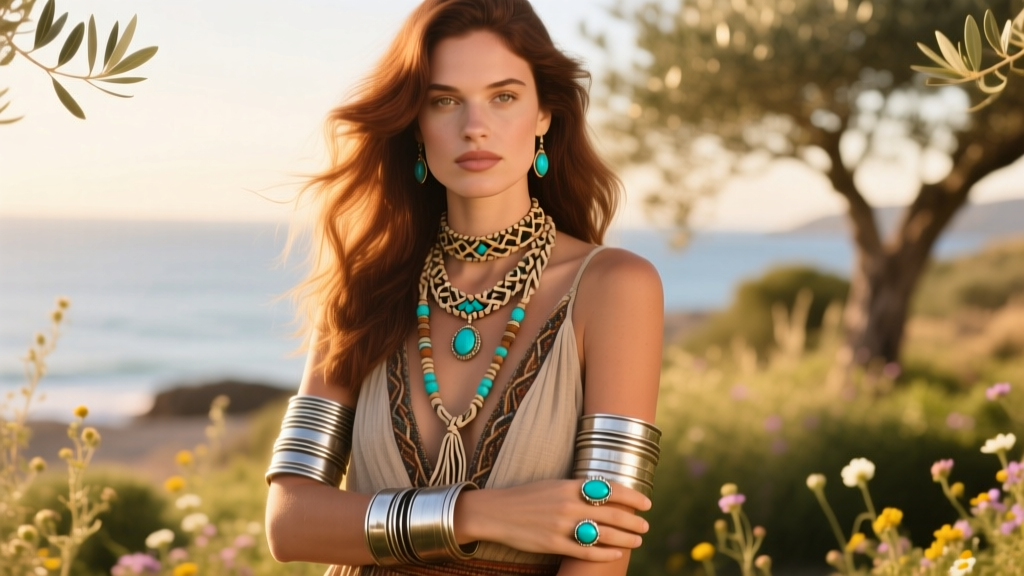
Driven by a back-to-the-land ethos and global travel, bohemian jewelry relied on organic, unrefined materials. Look for hand-woven macramé integrated with metal beads, raw uncut gemstones, and heavy use of turquoise, coral, and lapis lazuli. Feather motifs, leather wrapping, and hand-hammered copper were also ubiquitous. Authentic 70s boho pieces often feature slight asymmetries that indicate hand-craftsmanship rather than machine casting.
2. Disco Glamour and Lucite
As the decade progressed, nightlife culture demanded jewelry that caught the light and moved with the body. Disco-era pieces favored massive scale and high shine. Designers utilized Lucite, pavé rhinestones, and highly polished yellow gold. Large hoop earrings, oversized collar necklaces, and cocktail rings featuring synthetic or semi-precious stones cut in bold, geometric shapes were staples of this glamorous subculture. Look for thick gold plating (often marked as HGE or heavy gold electroplate) on disco-era costume pieces.
3. Modernist and Brutalist Gold
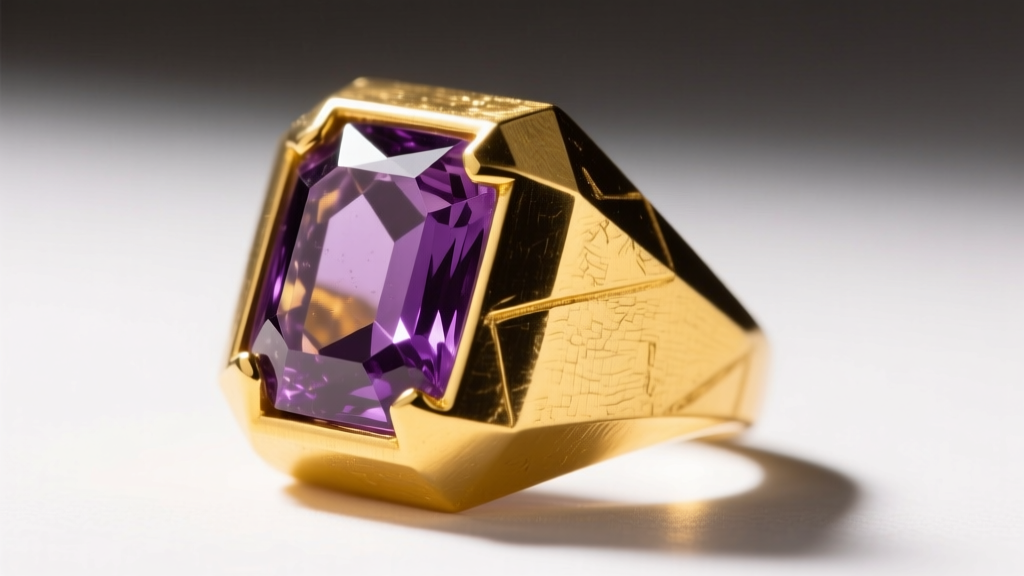
Fine jewelry designers like Aldo Cipullo and David Webb championed a brutalist, modernist approach that rejected the delicate aesthetics of the 1950s. This style is characterized by heavy, textured 14k and 18k yellow gold, often featuring hammered finishes, sharp angular lines, and the integration of raw, unpolished crystals. These pieces are highly architectural, incredibly durable, and remain highly relevant in contemporary luxury styling.
Material Authentication and Hallmark Guide
Authenticating 70's women's jewelry requires a close inspection of materials and maker's marks. According to the Lang Antiques University, the placement, font, and style of a hallmark can instantly date a piece and verify its origins.
Precious Metals vs. Costume Marks
In the United States, 14k gold was the standard for fine jewelry in the 1970s, while European pieces heavily favored 18k. Look for the "14k" or "585" stamp, often located on the clasp tongue, the jump ring, or the inner band of a ring. For costume jewelry, powerhouse brands like Napier, Trifari, and Monet dominated the market. A crucial authentication detail: the copyright symbol (©) was widely adopted by jewelry designers post-1955. If you see a Trifari mark with the © symbol, a distinct 1970s aesthetic, and a hang-tag attachment style, you are likely looking at an authentic late-century piece.
The 1970s Native American Turquoise Boom
The 70s saw an unprecedented surge in demand for Native American silver and turquoise jewelry, largely driven by celebrity endorsements and a broader cultural fascination with the American Southwest. When evaluating these pieces, check the silver weight; authentic 70s squash blossom necklaces are notably heavy, often exceeding 150 grams. Furthermore, the Gemological Institute of America (GIA) notes that turquoise from this era was often untreated or lightly stabilized using early epoxy resins. If a vintage turquoise stone looks overly perfect, glassy, and uniformly bright blue without any natural matrix veining, it may be a modern synthetic replacement, heavily dyed howlite, or block turquoise.
Condition Checklist: Identifying 70s Failure Modes
Vintage jewelry carries the wear of its history. Before purchasing, inspect the piece for these common 1970s failure modes to avoid costly restorations:
- Fold-Over Clasp Tension: Many 70s necklaces and bracelets utilized fold-over clasps or early box clasps rather than modern lobster claws. Test the hinge; if it lacks a firm "snap" and falls open under the weight of the chain, it requires a jeweler's adjustment or replacement.
- Vermeil Degradation: Gold vermeil (gold plated over sterling silver) was incredibly popular for mid-priced 70s jewelry. Inspect high-friction areas like clasp joints, jump rings, and the backs of earrings. If the underlying silver is exposed, the piece is still wearable, but its collector resale value drops by 30-40%.
- Porous Stone Damage: Coral, malachite, and turquoise are highly porous. Avoid pieces that show signs of chemical damage, such as chalky white spots, dulling, or micro-fractures. This damage typically occurs when previous owners wore them in chlorinated pools or cleaned them with ultrasonic machines.
- Lucite Yellowing: Clear and white Lucite pieces from the disco era are prone to UV degradation. Inspect the material under natural light; a yellow or brownish tint indicates irreversible chemical breakdown.
2026 Market Pricing and Value Guide
Understanding current market values prevents overpaying for retro reproductions. Use this framework to gauge fair market value for authentic 70's women's jewelry.
| Category | Material / Style | Price Range (USD) | Key Value Drivers |
|---|---|---|---|
| Costume | Gold-plated, Enamel, Lucite | $45 - $180 | Brand (Napier, Trifari), condition of plating, bold geometric motifs. |
| Mid-Tier Artisan | Sterling Silver, Turquoise, Coral | $250 - $800 | Native American hallmarks, stone quality, silver weight (grams). |
| Fine Modernist | 14k/18k Yellow Gold, Brutalist | $1,500 - $6,000+ | Designer attribution (Webb, Cipullo), gold weight, provenance. |
| High Glamour | Diamonds, Platinum, 18k Gold | $4,000 - $15,000+ | Carat weight, signed pieces by heritage houses (Cartier, Van Cleef). |
How to Style 70s Pieces for Modern Wardrobes
The key to wearing 1970s jewelry in 2026 without looking like you are wearing a costume is to practice strategic contrast. The 70s was an era of "more is more," but modern styling requires balancing scale and texture.
The Rule of Thirds in Layering
When layering 70s gold chains or bohemian turquoise necklaces, utilize the rule of thirds. Start with a 16-inch choker or collar, add a 20-inch pendant necklace (like a heavy gold sovereign coin or a turquoise squash blossom), and finish with a 24-to-30-inch opera-length chain. This creates a cascading visual triangle that flatters the neckline without tangling.
Mixing Metals and Eras
Do not be afraid to mix 1970s yellow gold with contemporary white gold or platinum pieces. The warm, rich tones of 70s gold provide a stunning contrast against modern, minimalist silver jewelry. Pair a brutalist, hammered gold 70s cocktail ring with a sleek, modern tailored blazer to let the architectural metalwork stand out as a focal point.
Expert Styling Tip: If you are wearing a highly detailed, oversized 1970s statement necklace, skip the earrings entirely or opt for simple, flush-set diamond or gold studs. Let the vintage piece command the attention it deserves without competing with other loud accessories.
Investing in authentic 70's women's jewelry is not just about acquiring beautiful objects; it is about preserving wearable art from a pivotal era of design. By carefully checking hallmarks, understanding material vulnerabilities, and styling with modern intentionality, you can build a vintage collection that is both historically significant and effortlessly chic.


