How to Clean and Maintain Trendy Jewelry for Women
Discover expert cleaning and maintenance tips for trendy jewelry for women. Learn how to protect PVD gold, vermeil, and enamel from daily wear.

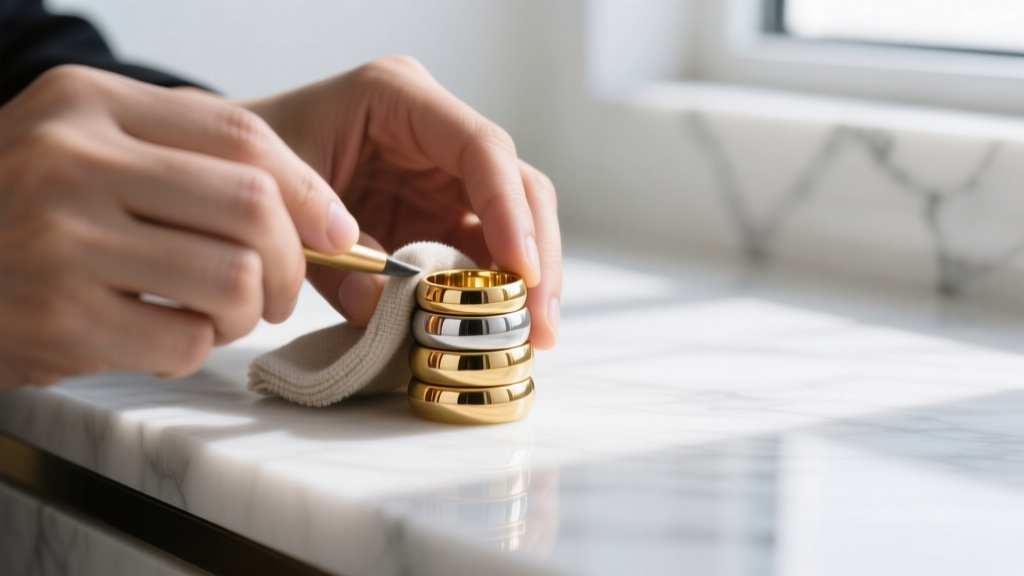
The landscape of trendy jewelry for women has evolved dramatically as we move through 2026. Today’s most sought-after pieces are no longer just about aesthetics; they are marvels of modern metallurgy and design. From chunky PVD (Physical Vapor Deposition) gold hoops to intricate enamel signet rings and heavy vermeil chains, the materials defining current trends require highly specific care protocols. The days of tossing all your accessories into a single plastic bin or scrubbing them with harsh commercial dips are over. In fact, using outdated cleaning methods on modern demi-fine and coated jewelry will permanently destroy the finishes that make them so desirable.
This comprehensive guide dives deep into the chemistry, material grades, and exact maintenance routines required to keep your trendy jewelry for women looking pristine. Whether you are wearing a 0.5-micron PVD titanium piece or a 2.5-micron vermeil necklace, understanding the molecular reality of your jewelry is the first step toward lifelong preservation.
The Material Breakdown: What You Are Actually Wearing
Before applying any cleaning solution, you must identify the exact composition of your jewelry. The trendy jewelry for women dominating the market this year relies heavily on advanced plating and coating techniques that behave very differently from solid karat gold.
PVD Gold on Titanium or Stainless Steel
Physical Vapor Deposition (PVD) is a vacuum-coating process that bonds gold at a molecular level to a base metal, usually titanium or 316L surgical steel. PVD layers typically range from 0.3 to 1.0 microns thick. While incredibly scratch-resistant and hypoallergenic, PVD is highly vulnerable to chlorine, bleach, and abrasive polishing cloths. Scrubbing PVD with a standard silver polishing cloth will literally strip the molecular bond, leaving you with a dull, patchy steel ring.
Heavy Vermeil (Sterling Silver Base)
According to the Federal Trade Commission (FTC) guidelines, true vermeil must consist of a sterling silver base plated with at least 2.5 microns of 10k, 14k, or 18k gold. Vermeil offers the luxurious warmth of solid gold but remains susceptible to sulfur-induced tarnishing if the gold layer wears thin, exposing the silver beneath to oxidizing agents in the air and your skin.
Cold Enamel and Resin Accents
Colorful, geometric enamel accents are a massive trend in 2026. Unlike traditional kiln-fired vitreous enamel, most trendy jewelry uses cold enamel (epoxy resin). This material is essentially a hardened plastic. It will melt, cloud, or crack if exposed to hot water, ultrasonic vibrations, or alcohol-based cleaners.
The Daily Maintenance Matrix
To eliminate guesswork, refer to this matrix before cleaning any piece in your collection. Using the wrong agent is the leading cause of premature aging in demi-fine jewelry.
| Material Type | Approved Cleaning Agent | Tools to Use | Strictly Avoid |
|---|---|---|---|
| PVD Gold / Titanium | Distilled water + pH-neutral dish soap | Lint-free microfiber, ultra-soft baby brush | Silver dip, polishing cloths, chlorine |
| Heavy Vermeil | Mild soap suds (avoid soaking the base) | 100% cotton swab, microfiber | Ultrasonic cleaners, baking soda paste |
| Cold Enamel / Resin | Damp microfiber cloth only | Soft cotton cloth | Hot water, alcohol, ammonia, ultrasonic |
| Lab-Grown Diamonds | Ammonia-based glass cleaner or mild soap | Soft bristle brush | Hard bristle brushes that scratch settings |
Deep Cleaning Protocols by Material
When your trendy jewelry for women accumulates lotion buildup, dead skin cells, and environmental dust, a simple wipe-down will not suffice. Follow these exact deep-cleaning protocols to restore brilliance without compromising the structural integrity of the pieces.
The PVD and Vermeil Soak Method
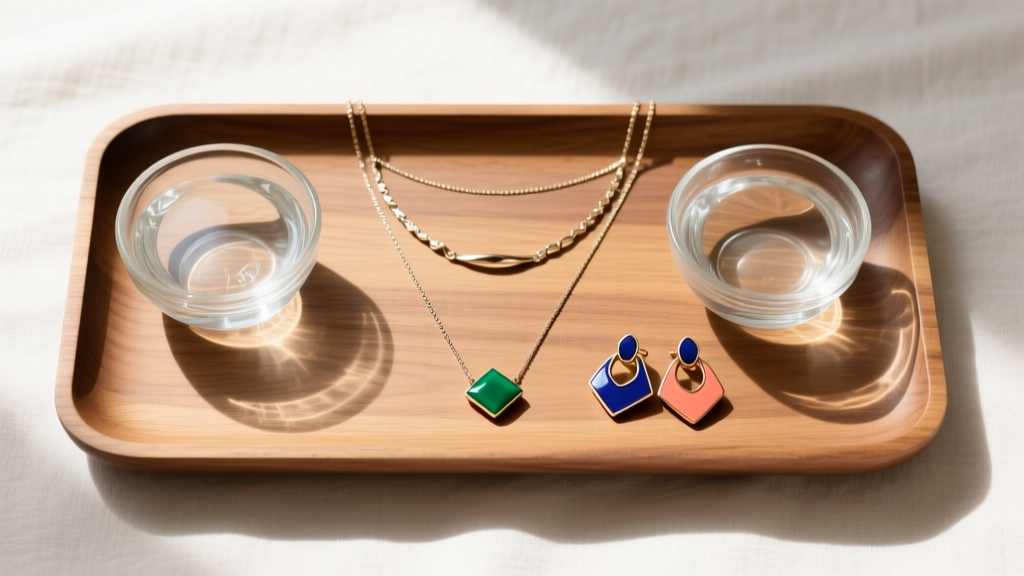
Never use tap water for soaking. Tap water contains chlorine and dissolved minerals that can leave micro-deposits on gold surfaces and accelerate silver oxidation. Instead, create a cleaning bath using 8 ounces of distilled water and exactly three drops of a pH-neutral, lotion-free dish soap (such as original blue Dawn).
- Submerge the jewelry for no more than 3 to 5 minutes. Prolonged soaking can weaken the adhesive bonds in pave settings.
- Remove the piece and gently agitate it with an ultra-soft baby toothbrush. The bristle diameter of a baby brush is typically under 0.1mm, which is soft enough to clean under gallery wires without scratching a 2.5-micron vermeil layer.
- Rinse briefly with fresh distilled water.
- Pat dry immediately with a lint-free microfiber cloth. Air-drying leads to water spots that are difficult to remove without aggressive rubbing.
Managing Skin pH and Chemical Exposure
The average human skin pH ranges from 4.7 to 5.75, making it naturally acidic. When you sweat, your body releases lactic acid, urea, and salts. If you wear trendy brass-based or silver-based jewelry during workouts, this acidic cocktail will rapidly eat through thin gold plating. Always remove your jewelry before exercising, swimming (chlorine destroys PVD instantly), or applying chemical exfoliants like AHAs and BHAs to your skin. If your jewelry does come into contact with sweat, rinse it with distilled water immediately upon removal.
The Ultrasonic Trap: Why You Must Avoid It
Many consumers purchase affordable ultrasonic jewelry cleaners, assuming they are safe for all metals. For the trendy jewelry for women dominating today's market, ultrasonic cleaners are a catastrophic trap.
'Ultrasonic cleaners use high-frequency sound waves to create microscopic bubbles in a liquid solution. When these bubbles collapse against the jewelry—a process called cavitation—they generate intense localized shockwaves.' — Gemological Institute of America (GIA)
While cavitation is excellent for blasting dirt out of solid platinum or diamond settings, it will literally shatter cold enamel, shake lab-grown stones out of delicate prong settings, and cause micro-fractures in PVD coatings. Never place vermeil, enamel, resin, or PVD-coated jewelry into an ultrasonic machine. The risk of irreversible structural damage far outweighs the convenience.
Proper Storage to Prevent Micro-Scratches and Tarnish
How you store your jewelry is just as critical as how you clean it. The trendy jewelry for women in 2026 often features mixed textures—such as hammered vermeil paired with high-polish resin. Storing these pieces together in a single communal dish guarantees micro-scratches, as the harder resin and steel components will grind against the softer gold and silver surfaces.
The Anti-Tarnish Ecosystem
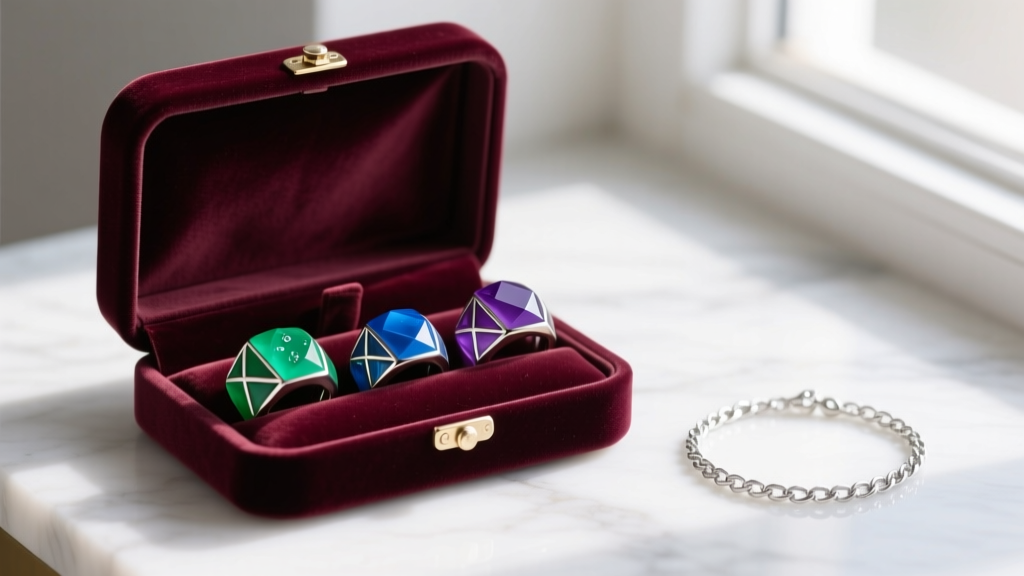
To build a proper storage ecosystem, invest in a jewelry box lined with treated anti-tarnish flannel. These fabrics are embedded with microscopic silver particles that absorb sulfur and other corrosive gases before they can reach your vermeil or sterling silver pieces.
- Individual Polybags: Store every piece in its own airtight, zip-top polyethylene bag. Squeeze out as much air as possible before sealing to limit oxygen exposure.
- Silica Gel Packets: Drop a small, fresh silica gel packet into your main jewelry drawer or storage box to control ambient humidity. Moisture is the primary catalyst for silver sulfide (tarnish) formation.
- Flat Storage for Chains: Always store trendy paperclip and cable chains completely flat and fully clasped. Hanging them or tossing them in a pile will inevitably lead to severe tangling, which often results in broken links when attempting to untangle them forcefully.
Conclusion
Caring for the trendy jewelry for women you love does not require expensive professional services or harsh chemical dips. By understanding the specific material grades—from PVD titanium to heavy vermeil—and adopting a gentle, chemistry-aware cleaning routine, you can easily extend the lifespan of your favorite pieces by years. Stick to distilled water, pH-neutral soaps, ultra-soft brushes, and airtight storage, and your jewelry will continue to make a flawless statement season after season.


