How to Style 70s Jewelry for Women: A Beginner's Guide
Discover how to style 70s jewelry for women with our beginner-friendly guide. Learn to mix vintage turquoise, yellow gold, and bold motifs effortlessly.

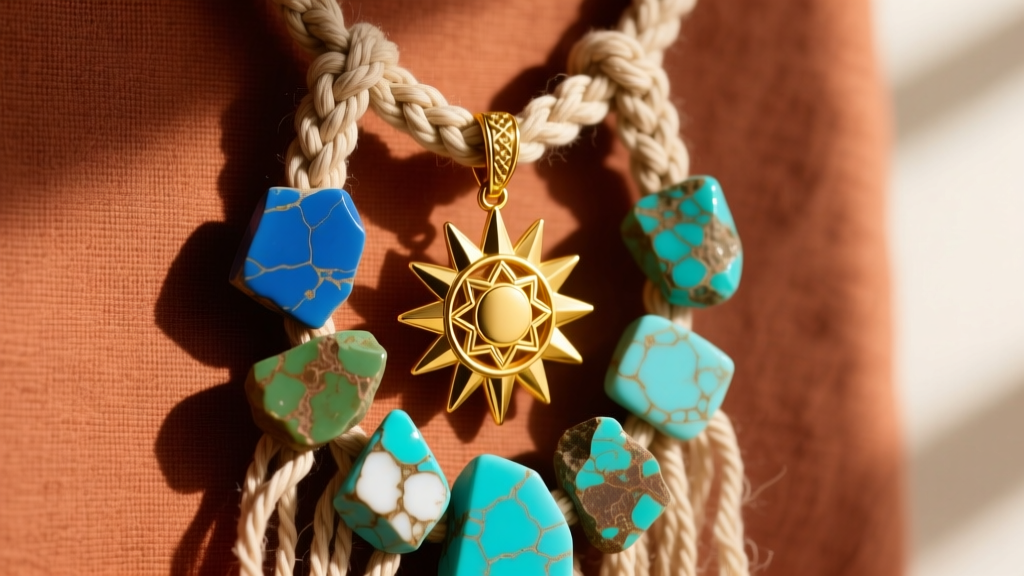
The 1970s remains one of the most influential decades in fashion history, characterized by a radical shift toward self-expression, earthy bohemianism, and unapologetic glamour. For modern collectors and style enthusiasts, integrating 70s jewelry for women into a contemporary wardrobe offers a masterclass in texture, scale, and color. However, the line between a chic, curated vintage look and an accidental costume can be incredibly thin.
This beginner-friendly explainer will decode the essential hallmarks of 1970s jewelry, provide a concrete framework for styling these bold pieces today, and offer expert insights into sourcing and maintaining authentic vintage finds in 2026.
The Core Elements of 1970s Jewelry Design
To successfully style vintage pieces, you must first understand the design language of the era. The 1970s moved away from the rigid, structured plastics of the 1960s Mod movement, embracing organic textures, heavy metalwork, and global influences.
- The Sunburst Motif: Radiating lines symbolizing energy and freedom were ubiquitous in 70s pendants and rings.
- Florentine Finish: A cross-hatched engraving technique applied to yellow gold, creating a matte, textured surface that catches the light diffusedly. This was heavily popularized by Italian goldsmiths in Valenza Po.
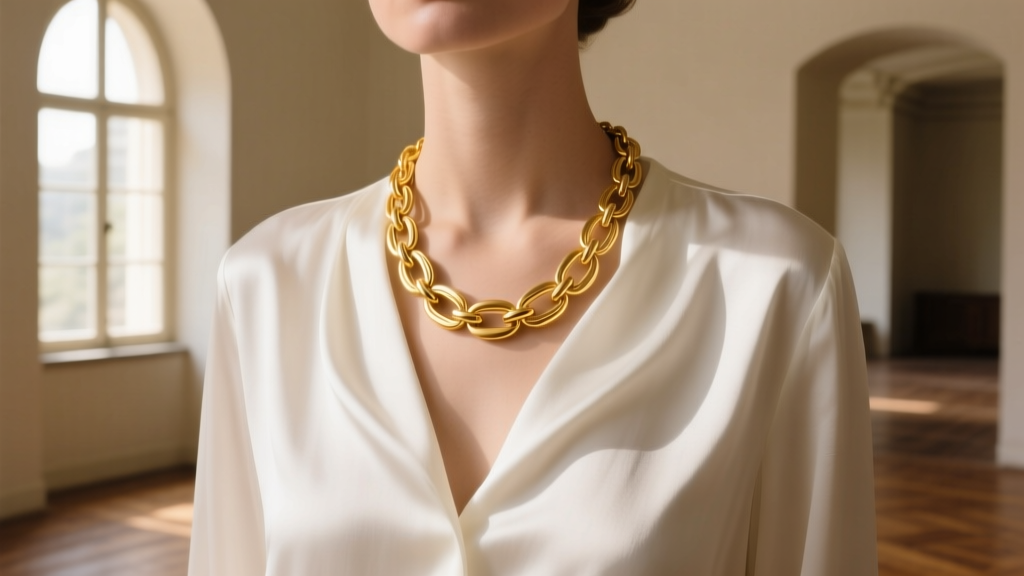
- Modular and Geometric Links: Chunky, interlocking gold links (often worn as chokers or long sautoirs) that moved fluidly with the body.
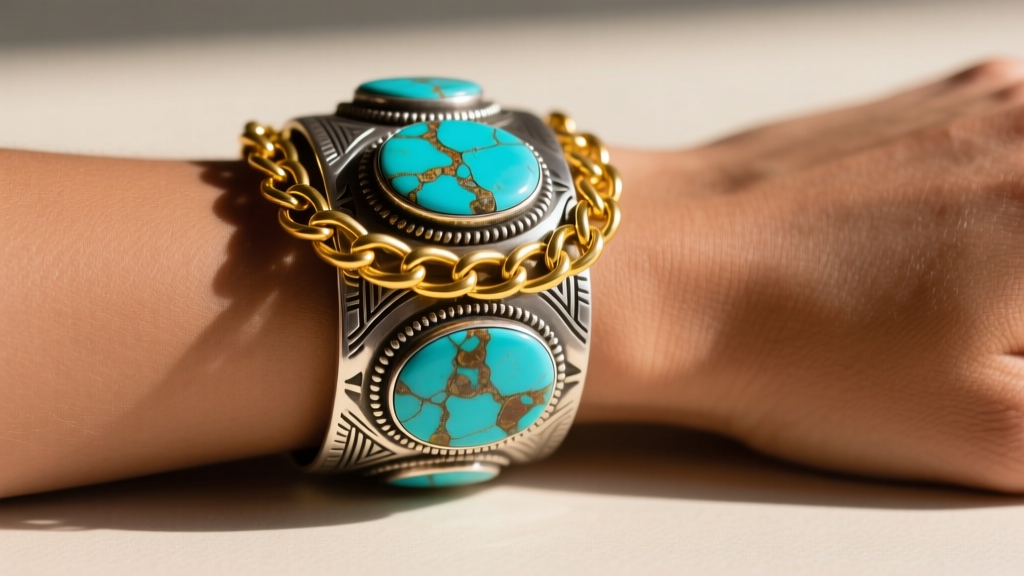
- Native American Silverwork: The 70s saw a massive surge in the popularity of Navajo and Zuni turquoise and sterling silver jewelry, driven by the era's bohemian and counterculture movements.
Material Breakdown: What to Look For
Authenticating and understanding the materials used in 70s jewelry is critical for both valuation and styling. According to the Lang Antiques Vintage Jewelry Guide, the 1970s favored warm metals and opaque, earth-toned gemstones.
| Material | 1970s Characteristics | Authentication & Sourcing Tip |
|---|---|---|
| Yellow Gold (14k/18k) | Heavy gram weights (15g-40g for chains), Florentine finishes, rope and herringbone weaves. | Look for hallmarks like '14k' or '750'. Note: 70s herringbone chains are prone to permanent kinking; inspect flat against a surface before buying. |
| Turquoise | Large, irregular cabochons, often set in sterling silver or 14k gold. | The Gemological Institute of America (GIA) notes that natural, untreated Sleeping Beauty turquoise from the 70s is highly prized today, as the mine closed in 2012. Beware of modern dyed howlite imitations. |
| Lapis Lazuli | Deep royal blue with distinct golden pyrite flecks, often cut into geometric shapes or used in signet rings. | According to the GIA Lapis Lazuli Guide, genuine high-grade Afghan lapis will show natural calcite veining and pyrite. Uniform, plastic-like color indicates synthetic reconstruction. |
| Bakelite & Resin | Carved bangles, oversized hoop earrings in butterscotch, cherry, and tortoiseshell hues. | Use the hot water test (smells like camphor) or Simichrome polish test (turns yellow) to authenticate true vintage Bakelite over modern celluloid. |
How to Style 70s Jewelry for Women Today
The most common mistake beginners make when wearing 70s jewelry for women is treating it as a monolith. Wearing a macrame necklace, oversized turquoise rings, and heavy gold hoops simultaneously will result in a theatrical costume rather than a cohesive personal style. Instead, apply the 70/30 Styling Framework.
The 70/30 Framework: Grounding the Vintage
This rule dictates that 70% of your visual outfit should consist of modern, minimalist, or tailored basics, while 30% serves as the vintage focal point.
- Choose One Hero Piece: Select a single, high-impact 70s item. A 24-inch Florentine gold modular link necklace or a wide Navajo turquoise cuff works perfectly.
- Anchor with Modern Neutrals: Pair the hero piece with a crisp white silk button-down, a tailored charcoal blazer, or a simple ribbed cashmere turtleneck. The clean lines of modern tailoring allow the organic textures of the 70s piece to stand out.
- Complement, Don't Compete: If your hero piece is a heavy gold necklace, your supporting jewelry should be nearly invisible. Opt for simple 1mm gold stud earrings and skip the bracelets entirely.
Mixing Metals: The 70s Taboo Broken
While the early 70s strictly separated yellow gold and sterling silver, the late 70s disco era began experimenting with mixed metals. Today, you can confidently stack a vintage 14k yellow gold signet ring with a modern platinum or white gold band. The key to successful metal mixing is maintaining a consistent finish (e.g., pairing matte vintage gold with brushed modern silver) rather than mixing high-polish pieces that clash in reflectivity.
Sourcing Authentic Vintage vs. High-Quality Reproductions
As the demand for authentic 70s jewelry for women surges in 2026, the market is flooded with 'vintage-inspired' fast fashion. Knowing where to look and what to pay is essential for building a meaningful collection.
Price Benchmarks for Authentic 70s Pieces
- 14k Yellow Gold Sunburst Pendants (1970-1979): $600 – $1,800 (Highly dependent on gram weight; expect 5g to 15g).
- Authentic Navajo Sterling Silver & Turquoise Cuffs: $400 – $2,500+ (Pieces hallmarked by recognized artisans like Mary Morgan or Raymond Begay command premium prices).
- Vintage Bakelite Carved Bangles: $150 – $800 (Rare colors like 'end-of-day' swirls or apple juice yellow sit at the top of this range).
For verified authentic pieces, platforms like 1stDibs, specialized Etsy sellers with documented estate sourcing, and live auction houses remain the safest avenues. Avoid unverified marketplace listings that use terms like '70s style' or 'retro,' which are legal loopholes for selling modern reproductions.
Care and Maintenance for Vintage 70s Pieces
Vintage jewelry requires specific care protocols, particularly regarding the porous gemstones heavily favored in the 1970s.
- Never Use Ultrasonic Cleaners on Turquoise or Lapis: The high-frequency vibrations and chemical baths will strip the natural oils from turquoise, causing it to crack or change color, and can dissolve the binders in stabilized lapis lazuli.
- Herringbone Chain Storage: 1970s herringbone gold chains are notoriously fragile due to their flat, interlocking weave. Always store them laid perfectly flat in a soft pouch. Hanging them will cause gravity-induced stress fractures and permanent kinks.
- Polishing Florentine Finishes: Do not use abrasive polishing cloths on Florentine gold. The friction will gradually wear down the cross-hatched engraving, turning a textured matte surface into a smooth, shiny one, thereby destroying its historical integrity and value.
Final Thoughts on Building Your Collection
Styling 70s jewelry for women is ultimately about embracing contrast. The bold, unapologetic nature of 1970s design thrives when placed against the backdrop of a modern, streamlined wardrobe. By understanding the material hallmarks, respecting the structural vulnerabilities of vintage gold weaves, and applying the 70/30 styling framework, you can seamlessly integrate these wearable artifacts into your daily rotation. Start with one authentic hero piece, learn its history, and let it dictate the evolution of your personal style.


