How to Style 70s Style Jewelry: Step-by-Step Guide
Learn how to style 70s style jewelry with modern outfits. Our step-by-step guide covers layering, materials, and proportions for a flawless boho-chic look.

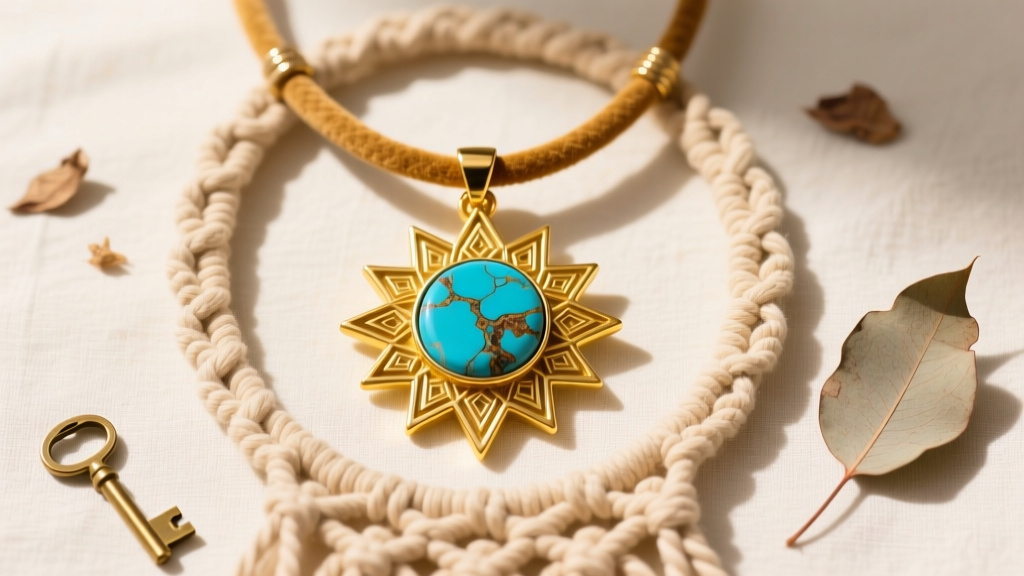
The Anatomy of Authentic 70s Style Jewelry
The 1970s marked a radical departure from the structured, diamond-heavy silhouettes of the mid-century. Driven by global travel, the counterculture movement, and a newfound appreciation for artisanal craftsmanship, 70s style jewelry embraced organic textures, bold geometric motifs, and vibrant, unpolished gemstones. To successfully integrate these vintage pieces into a modern wardrobe, you must first understand the era's defining characteristics. Unlike the mass-produced costume jewelry of previous decades, the most coveted 70s pieces were heavily influenced by Native American silversmithing, Moroccan metalwork, and the rise of the 'festival' aesthetic.
Defining Motifs and Textures
When hunting for authentic pieces, look for specific design hallmarks. Sunburst patterns, floral repoussé, and heavy granulation were incredibly popular. Textures played a massive role; the Florentine finish (a cross-hatched engraving technique) and hammered gold surfaces were used to catch the light and give metals an earthy, hand-wrought appearance. According to Vogue's Vintage Jewelry Guide, the era's jewelry was meant to look as though it had been unearthed on a global expedition, rather than purchased from a sterile boutique.
Step 1: Selecting the Right Metals and Materials
The foundation of any 70s inspired look lies in the materials. The decade saw a massive shift away from the platinum and white gold of the 1950s, heavily favoring warm, rich yellow gold and natural, uncut stones. When curating your collection, prioritize these specific materials to ensure historical accuracy and aesthetic warmth.
- Yellow Gold (14k and 18k): The undisputed king of the 70s. Look for pieces with a matte, brushed, or Florentine finish rather than high-polish.
- Turquoise: Authentic 70s pieces frequently feature Sleeping Beauty or Bisbee turquoise. Because the Sleeping Beauty mine closed in 2012, vintage pieces with this bright, unwebbed blue stone are highly prized. Always consult the Gemological Institute of America (GIA) guidelines to avoid dyed howlite masquerading as vintage turquoise.
- Lapis Lazuli: Sourced primarily from Afghanistan during this era, high-quality 70s lapis should exhibit a deep, royal blue color with natural, glittering pyrite inclusions.
- Macrame and Natural Fibers: Hand-knotted hemp or cotton cords paired with bone, wood, or amber beads represent the softer, bohemian side of the decade.
| Material | Authentic 70s Hallmark | 2026 Sourcing Strategy | Estimated Vintage Price |
|---|---|---|---|
| Yellow Gold | 14k/18k, Florentine or hammered finish | Estate sales, verified vintage dealers | $800 - $3,500+ |
| Turquoise | Sleeping Beauty or Bisbee, natural matrix | Specialized lapidary dealers, avoid dyed howlite | $150 - $1,200 |
| Lapis Lazuli | Afghan origin, deep royal blue with pyrite | Gem shows, reputable mineral collectors | $200 - $900 |
| Macrame | Hand-knotted hemp, bone beads | Artisan platforms, vintage boho boutiques | $45 - $250 |
Step 2: Mastering the Art of the Layered Necklace
Layering is the most recognizable hallmark of 70s style jewelry. However, a successful boho-chic stack requires meticulous attention to length, weight distribution, and proportion. Throwing on three random chains will result in a tangled mess; a curated cascade requires a strategic approach.
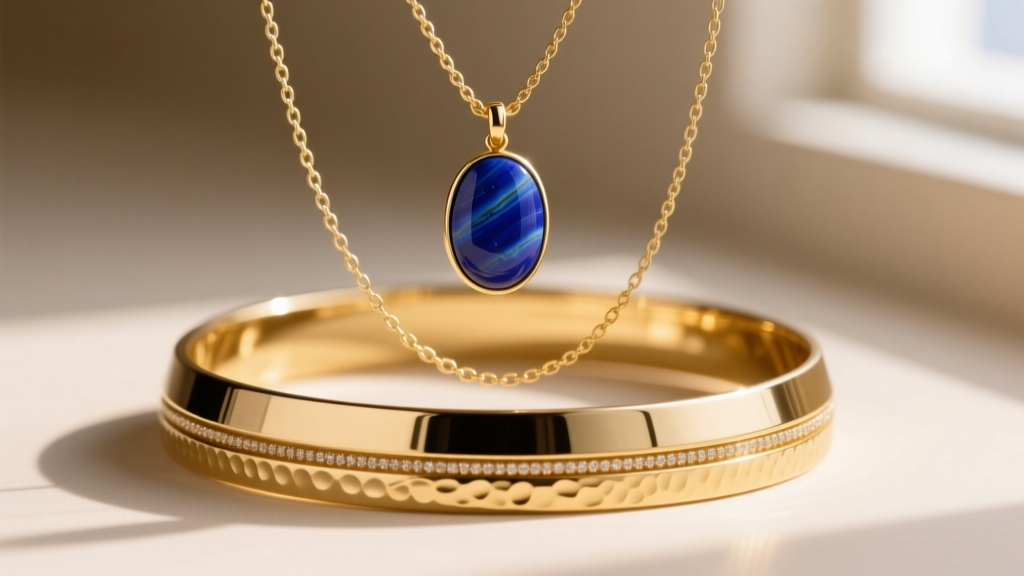
The Cascade Method
- The Base Layer (14-16 inches): Start with a delicate gold chain, a woven leather cord, or a velvet choker. This anchors the stack and draws the eye to the collarbone.
- The Focal Point (18-20 inches): This is where your primary 70s pendant lives. Opt for a heavy turquoise cabochon set in sterling silver or a repoussé gold sunburst. Ensure the chain is sturdy enough to hold the pendant without stretching; a 2mm rope chain or a thick leather cord is ideal.
- The Sweeping Layer (24-30 inches): Finish with a long, unadorned chain or a strand of natural amber beads. This elongates the torso and adds movement. For heavy stone strands, ensure the clasp is a secure fold-over or bayonet clasp, which were standard in the 70s for weight-bearing jewelry.
Step 3: Balancing Proportions with Statement Cuffs and Rings
The 70s were not for the faint of heart when it came to wrist and finger adornment. Wide, sculptural cuffs and bold signet rings were everyday staples. To wear these today without looking like you are wearing a theatrical costume, you must balance the volume.
When selecting a vintage cuff, look for widths between 1.5 and 3 inches. Hinged cuffs with a figure-eight safety clasp offer the best security for heavier, solid-gold pieces. If you are wearing a massive, textured gold cuff on one wrist, leave the other wrist bare or adorn it with a simple, thin macrame bracelet. This creates an intentional, high-low contrast that feels thoroughly modern.
For rings, the 70s popularized the 'midi-ring' and the oversized geometric signet. Stack two or three textured gold bands across different joints of the same finger, or wear a single, massive lapis lazuli cocktail ring on your index finger. Avoid pairing heavy cuffs with heavy cocktail rings on the same arm; the visual weight will overwhelm your silhouette.
Step 4: Integrating 70s Pieces into a 2026 Wardrobe
The key to styling vintage jewelry in 2026 is juxtaposition. If you wear 70s style jewelry with a literal 70s outfit (like a full suede fringe jacket and bell-bottoms), you risk looking like a caricature. Instead, use the jewelry to inject warmth and history into minimalist, contemporary tailoring.
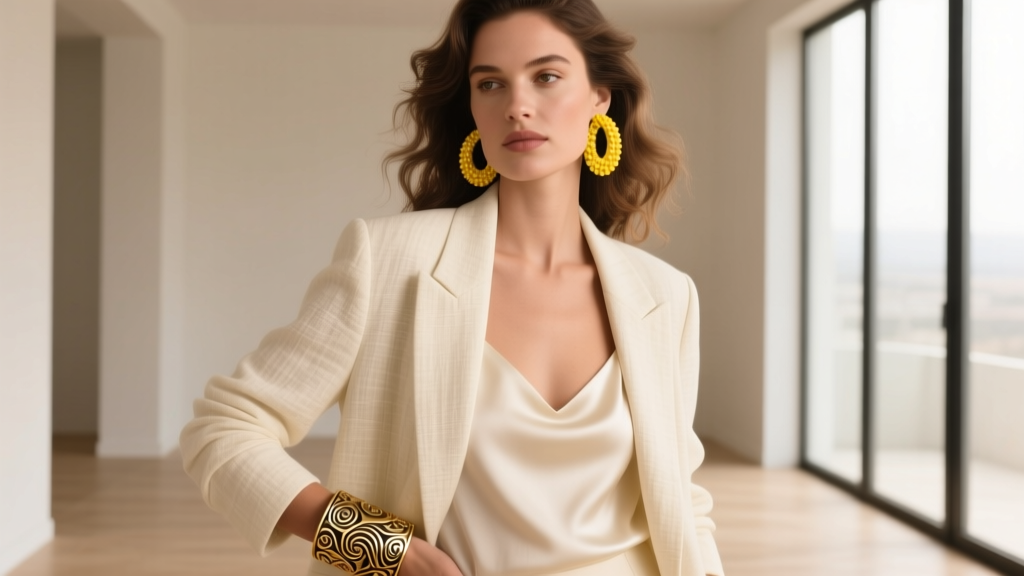
Outfit Formulas for the Modern Bohemian
- The Power Suit Contrast: Pair a sharply tailored, oversized charcoal blazer with a layered stack of turquoise and gold necklaces. The rigid structure of the suit is instantly softened by the organic textures of the stones.
- The Silk Slip Dress: A bias-cut silk slip dress provides a sleek, blank canvas. Add a heavy, 3-inch hammered gold cuff and thick, textured hoop earrings to elevate the look from 'sleepwear' to 'red-carpet bohemian'.
- The Elevated Denim: A crisp white poplin shirt tucked into high-waisted, straight-leg denim is the perfect backdrop for a 30-inch amber bead necklace and multiple gold signet rings.
'The 1970s wasn't just about wearing jewelry; it was about wearing your identity. The mix of global influences—from Native American silversmithing to Moroccan metalwork—created a deeply personal adornment style. Today, we style these pieces not as costumes, but as artifacts of personal history.'
— Fashion Historian and Vintage Curator
Troubleshooting Common 70s Styling Mistakes
Even seasoned collectors make errors when translating vintage aesthetics to modern wear. Here is how to troubleshoot the most common pitfalls:
- Mistake: Mixing too many metal tones. While mixed metals are popular today, authentic 70s style jewelry was heavily monochromatic in its metal choice. Stick strictly to yellow gold or oxidized sterling silver within a single stack to maintain historical coherence.
- Mistake: Ignoring clasp hardware. A beautiful 1970s gold chain can be ruined by a modern, cheap lobster clasp. If a vintage piece has been retrofitted with a modern clasp, take it to a bench jeweler to have a period-accurate spring ring or hook clasp reattached.
- Mistake: Over-accessorizing the face. The 70s featured large, dramatic earrings (like hammered gold hoops or chandelier turquoise drops). If you are wearing statement earrings, skip the necklace entirely and let the earrings frame your face. Let the jewelry breathe.
Final Thoughts on Boho-Chic Curation
Mastering 70s style jewelry is an exercise in curation and restraint. By understanding the historical context of the materials, respecting the engineering of vintage layering, and pairing these bold artifacts with modern, minimalist silhouettes, you can create a deeply personal, timeless aesthetic. Start with one authentic, high-quality focal piece—a heavy turquoise pendant or a hammered gold cuff—and build your collection slowly, allowing each piece to tell its own story.


