Troubleshooting Jewelry for Teens: Allergies, Tarnish & Dress Codes
Solve common teen jewelry problems. Learn to fix nickel allergies, stop silver tarnish, and navigate school dress codes with safe metals.


The Hidden Headaches of Teen Self-Expression
When it comes to jewelry for teens, the line between trendy self-expression and frustrating skin irritation is remarkably thin. Teenagers are increasingly experimenting with piercings, layered necklaces, and stacked rings, but the fast-fashion jewelry market is riddled with metallurgical traps. From sudden allergic contact dermatitis to chains that snap during gym class, navigating the world of teen accessories requires a solid understanding of materials science and practical troubleshooting. This guide bypasses generic styling advice to solve the specific, everyday problems that plague teen jewelry collections in 2026.
The Green Skin & Itch Factor: Troubleshooting Metal Allergies
The most frequent complaint among teen jewelry wearers is the dreaded "itch and rash" combo, often accompanied by a greenish tint on the skin. It is crucial to distinguish between two different chemical reactions: copper oxidation and nickel contact dermatitis.
Copper Oxidation vs. Nickel Allergy
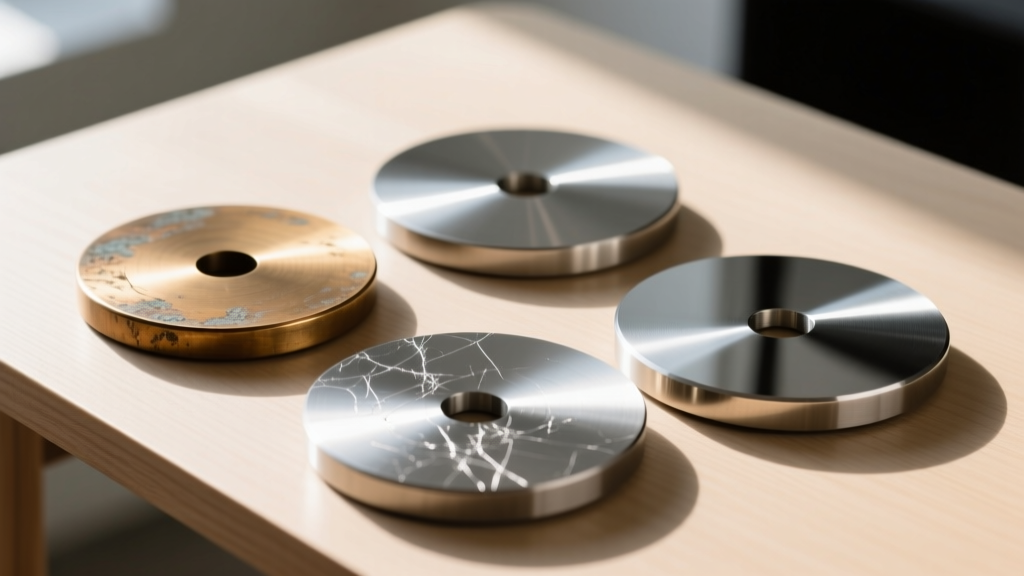
If a ring turns a teen's finger green, it is usually not an allergy. It is a harmless chemical reaction between the copper in brass or low-karat gold alloys and the acids in sweat. However, if the skin becomes red, raised, and intensely itchy, you are dealing with a nickel allergy. According to the American Academy of Dermatology, nickel allergy is the most common contact allergy, affecting up to 36% of women and teenage girls. The culprit is often cheap "surgical steel," which contains up to 12% nickel.
The Troubleshooting Protocol for Sensitive Skin
When a teen experiences a flare-up, the immediate fix is to remove the jewelry and wash the area with a gentle, fragrance-free cleanser. For the long-term upgrade, you must look past misleading marketing terms like "hypoallergenic" (which is legally unregulated) and seek specific material grades.
- ASTM F136 Titanium: This is the gold standard for body jewelry. It contains zero nickel and is biocompatible. Look for brands that explicitly state "implant-grade F136" rather than just "titanium."
- Niobium: An elemental metal that is highly reactive to oxygen, creating a safe, inert surface layer. It is an excellent, budget-friendly alternative for ear cuffs and cartilage rings.
- 14k or 18k Solid Gold: Ensure it is nickel-free white gold (alloyed with palladium) or standard yellow gold. Avoid gold-plated brass, as the plating will eventually wear off and expose the reactive base metal.
Tarnish Nightmares: Keeping Silver and Plated Pieces Bright
Teens are tough on jewelry. Between body wash residue, chlorinated pool water, and hormonal shifts that alter skin chemistry, silver and plated pieces tarnish at an accelerated rate. Troubleshooting tarnish requires knowing exactly what metal you are dealing with, as the wrong cleaning method will destroy plated jewelry.
The Aluminum Foil Redox Reaction (For Solid Sterling Only)
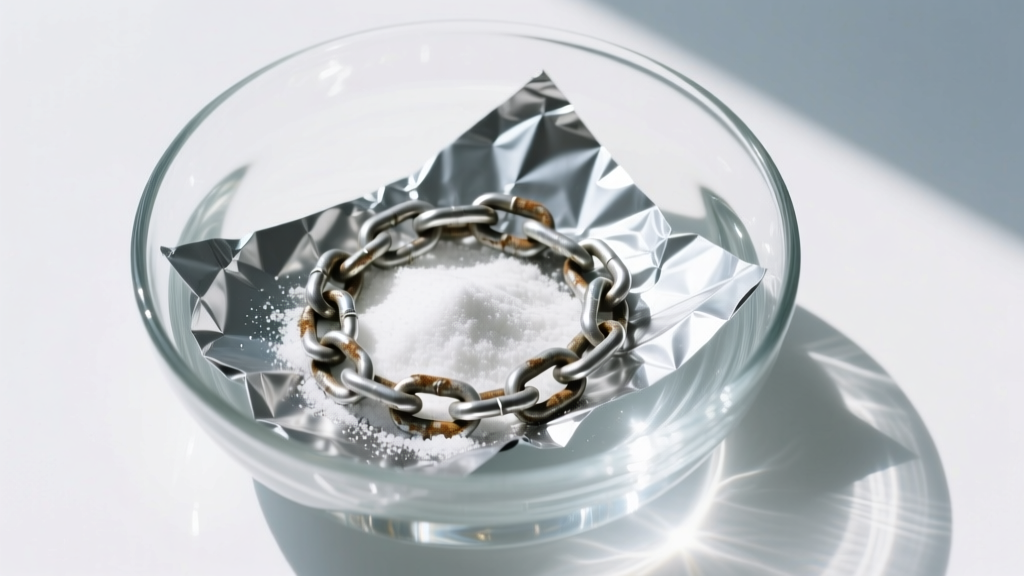
If a teen's 925 sterling silver chain has turned black, do not use abrasive polishing cloths, which remove microscopic layers of silver. Instead, use a simple electrochemical redox reaction. Line a glass bowl with aluminum foil, add hot water, a tablespoon of baking soda, and a pinch of salt. Drop the sterling silver in for three minutes. The tarnish (silver sulfide) will physically transfer from the silver to the aluminum foil. As noted by the Gemological Institute of America (GIA), this method safely restores solid silver without scratching.
The Plated Jewelry Trap
Never use the baking soda method on gold-plated or rhodium-plated brass. The alkaline solution and heat will strip the plating instantly. For plated fashion jewelry, the only safe cleaning method is a few drops of mild dish soap in lukewarm water, gently agitated with a soft baby hairbrush. To prevent tarnish, store plated pieces in anti-tarnish ziplock bags with silica gel packets to absorb ambient moisture.
Snags, Snaps, and Breaks: Fixing Flimsy Chains and Clasps
There is nothing more frustrating than a favorite necklace snapping. The root cause usually lies in the gauge (thickness) of the chain and the mechanics of the clasp.
Understanding Chain Gauges and Tensile Strength
Many affordable necklaces for teens use 22-gauge (0.6mm) or 24-gauge (0.5mm) chains to save on metal costs. These are essentially decorative threads that will snap if caught on a hoodie drawstring. For daily wear, the minimum acceptable thickness is 1.2mm (approx. 16-gauge) for cable or curb chains. If a teen prefers a delicate look, opt for a 1.0mm rope chain; the twisted structure distributes tension far better than a flat cable link.
Clasp Upgrades
The standard "spring ring" clasp is a structural weak point. The internal spring mechanism frequently fails, or the tiny lever gets bent back, leaving the chain unsecured. Take the jewelry to a local bench jeweler and ask them to solder on a lobster clasp. A lobster clasp features a solid, spring-loaded lever that locks securely into place and can withstand significantly more lateral pull before failing.
Navigating School Dress Codes Without Sacrificing Style
Many middle and high schools have strict dress codes regarding jewelry, often banning dangling earrings, heavy chains, or facial piercings for safety and distraction reasons. The problem-solving approach here is to find low-profile, high-impact alternatives that comply with the rules while satisfying the teen's desire for self-expression.
"The shift toward 'quiet luxury' and minimalist body modification has actually made it easier for students to comply with strict dress codes without feeling like they are sacrificing their personal aesthetic."
Dress-Code-Safe Alternatives
| Banned Item | The Problem | Compliant Alternative | Why It Works |
|---|---|---|---|
| Large Hoop Earrings | Snag hazard in sports/crowds | Huggie Hoops or Ear Cuffs | Hugs the lobe tightly; zero snag risk. |
| Facial Piercings (Rings) | Distracting or against policy | Threadless Flat-Back Labrets | Sits flush against the skin; looks like a tiny, subtle stud. |
| Heavy Chain Necklaces | Can be grabbed; seen as gang-affiliated | Paperclip Chains with Pendants | Lightweight, modern, and easily tucked under a collar. |
| Spiked Bracelets | Weapon/safety hazard | Textured Cuff Bracelets | Provides the same edgy, metallic aesthetic safely. |
Quick-Reference Troubleshooting Matrix
Keep this matrix handy for quick diagnostics when a jewelry emergency strikes.
- Problem: Piercing won't heal and is constantly weeping.
Cause: Nickel allergy or porous metal surface harboring bacteria.
Fix: Downsize the post and upgrade to mirror-finished ASTM F136 Titanium. Refer to ASTM International standards for verification. - Problem: Ring turns finger black/green.
Cause: Copper reacting to sweat and lotions.
Fix: Coat the inside of the band with clear polyurethane nail polish (reapply monthly) or upgrade to solid 14k gold or platinum. - Problem: Necklace clasp keeps sliding to the front.
Cause: The chain is too light, and the clasp is too heavy (center of gravity issue).
Fix: Add a small metal jump ring to the chain link opposite the clasp to act as a counterweight.
Empowering the Next Generation of Collectors
Troubleshooting jewelry for teens is ultimately an exercise in education. By teaching teenagers to read metal stamps (like 925, 14k, or F136), understand the mechanics of their clasps, and recognize the chemistry behind tarnish, we empower them to make informed purchases. Instead of throwing away a drawer full of broken, green-stained fast-fashion accessories, they can begin to curate a resilient, high-quality collection that safely expresses their evolving personal style.


