Antique vs Vintage vs Costume Jewelry Category Guidelines & ID Fixes
Master the antique vs vintage vs costume jewelry category guidelines. Learn to troubleshoot misidentified eras, test materials, and spot fakes.

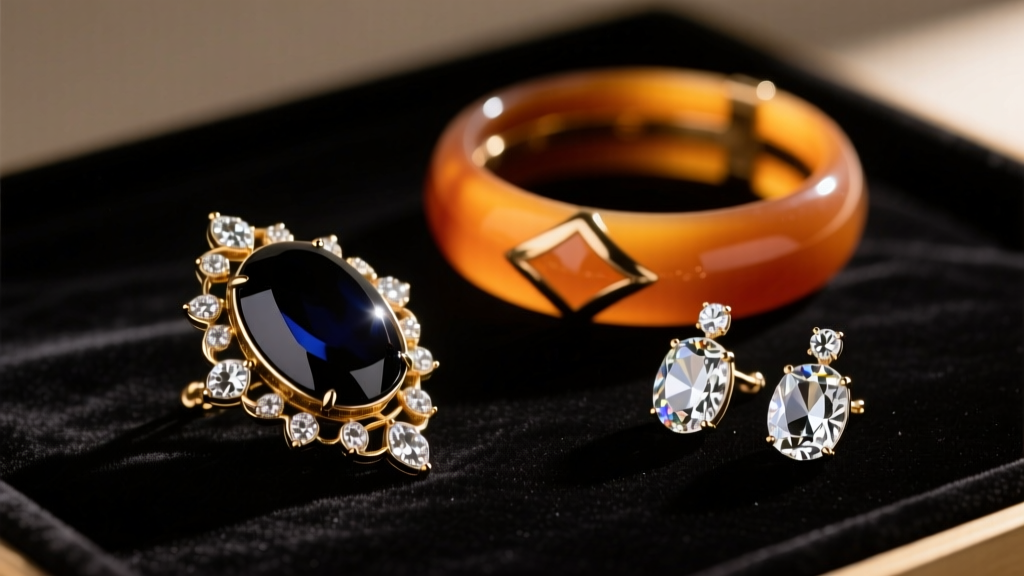
Misclassifying estate jewelry is not merely a pedantic error; it is a costly financial liability. Whether you are an auction house cataloger, a vintage dealer, or a serious collector, navigating the antique vs vintage vs costume jewelry category guidelines requires a rigorous, evidence-based diagnostic approach. As we move through 2026, the shifting timelines of jewelry eras have created massive authentication blind spots, particularly as early Art Deco pieces cross the 100-year threshold into antique status.
This troubleshooting guide bypasses generic definitions and provides a metallurgical, structural, and historical framework to resolve identification disputes, expose sophisticated fakes, and accurately categorize complex estate pieces.
The 100-Year Threshold: Troubleshooting Antique Misidentifications
By strict trade definition, 'antique' jewelry must be at least 100 years old. In 2026, this means any piece crafted in 1926 or earlier qualifies. This shifting boundary has pushed early Art Deco (1920–1926) into the antique category, causing widespread cataloging errors among dealers who still rely on outdated mental timelines.
The White Gold Anachronism
One of the most common failure modes in antique authentication is the presence of white gold in purportedly Victorian or Edwardian pieces. White gold was not patented until 1915 and did not see widespread commercial use until the 1920s. If you are evaluating a piece claimed to be from the 1890s that features a white gold setting, you are likely looking at one of three scenarios:
- Later Remount: An older old-mine or old-European cut diamond was reset into a modern white gold head.
- Misidentified Platinum: Early platinum (which became popular post-1890) is heavily worn and mistaken for white gold. Use a specific gravity test or XRF analyzer to confirm.
- Outright Forgery: A modern reproduction intentionally stamped with fake antique hallmarks.
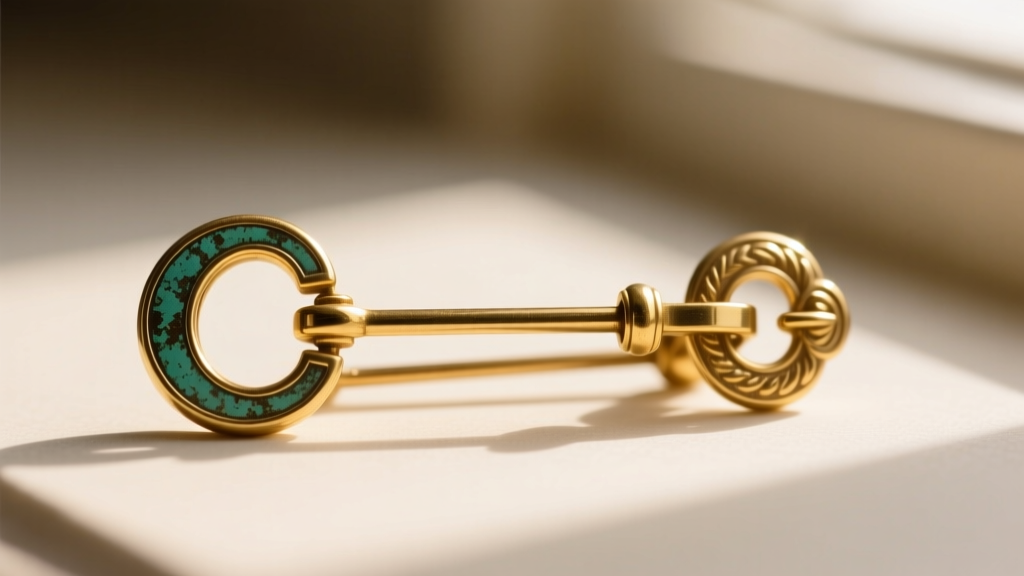
Pinchbeck vs. Low-Karat Gold
Georgian and early Victorian pieces frequently utilized Pinchbeck, an alloy of copper and zinc (typically 89% copper, 11% zinc) designed to mimic 18k gold. Over 150 years, Pinchbeck develops a distinct, dark oxidized patina that does not polish back to bright yellow like real gold. When troubleshooting suspected Pinchbeck, avoid destructive acid tests on the primary surface; instead, use an XRF (X-ray fluorescence) scanner to check for zinc content, which is absent in period-correct high-karat gold alloys.
The 20-to-99-Year Gap: Vintage Authentication Pitfalls
'Vintage' encompasses pieces between 20 and 99 years old (1927 to 2006). The most contentious troubleshooting battlegrounds within this era involve Retro (1935–1950) and Mid-Century (1950–1970) plastics and rhinestones.
Bakelite vs. Modern Acrylic and Celluloid
High-value vintage Bakelite bangles and brooches are frequently counterfeited using modern cast acrylic or highly flammable celluloid. To resolve this, deploy the Simichrome polish test. Apply a small amount of Simichrome metal polish to a cotton swab and rub an inconspicuous area of the piece. Genuine Bakelite will yield a distinct yellow-to-mustard residue. Celluloid and modern acrylic will not.
Never use the 'hot pin' test on suspected Bakelite or celluloid. Celluloid is highly combustible and can ignite instantly, while hot pins will permanently scar and devalue genuine Bakelite.
Foiled vs. Unfoiled Rhinestones
When categorizing mid-century vintage costume jewelry, examine the rhinestones under 10x magnification. Pre-1950s vintage pieces often feature foil-backed stones to enhance refraction. If the foil is intact, the piece must be categorized as 'excellent condition vintage.' If the foil is blackened or flaking (a condition known as 'dead stones'), the valuation drops by 40% to 60%. Modern retro-reproductions from the 1990s and 2000s typically use unfoiled, machine-pressed glass with mirror-back coatings.
The Costume Conundrum: When Base Metals Masquerade as Fine
Costume jewelry is a material classification, not a time period. The primary troubleshooting issue in this category is 'pot metal disease' (zinc pest) and the misrepresentation of vermeil thickness.
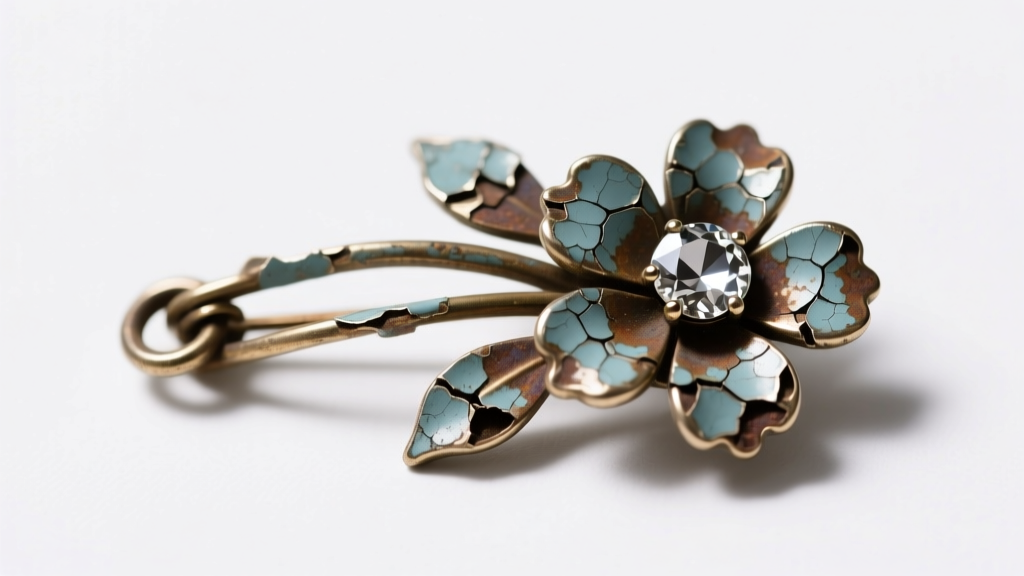
Troubleshooting Pot Metal Degradation
During WWII, precious metals were rationed, leading costume manufacturers like Trifari and Coro to use base metal alloys, often referred to as 'pot metal' or 'white metal.' These alloys are highly unstable. Zinc pest causes the metal to expand, crack, and crumble from the inside out. When evaluating 1940s costume pieces, inspect the reverse side and clasp mechanisms with a loupe. Micro-fractures or a grayish, powdery extrusion indicate active degradation. These pieces cannot be restored and should be categorized as 'display only' rather than 'wearable vintage.'
Vermeil Standards: 1950s vs. Modern
True vermeil requires a sterling silver base plated with at least 2.5 microns of 10k (or higher) gold. Many pieces labeled as 'vintage vermeil' are actually gold-plated brass. To troubleshoot this without damaging the piece, use a rare-earth neodymium magnet. Sterling silver and brass are both non-magnetic, but if the piece exhibits a slight magnetic drag, it likely contains a ferrous base metal core, immediately disqualifying it from the vermeil category.
Diagnostic Framework: Clasp and Finding Evolutions
Clasps and findings are the most reliable structural indicators for resolving era disputes. According to the Lang Antiques University, the evolution of the safety catch provides a precise dating mechanism.
| Clasp Type | Primary Era | Troubleshooting Red Flags |
|---|---|---|
| T-Bar Hinge & C-Clasp | Pre-1900 (Victorian) | If soldered with modern laser precision; indicates a reproduction. |
| Trombone Clasp | 1890–1930 (European) | Often added later to convert broken C-clasps; check for secondary solder marks. |
| Early Safety Catch | 1910–1920s | Hand-fabricated levers; if perfectly machine-stamped, suspect a 1940s replacement. |
| Modern Safety Catch | Post-1930 | Ubiquitous on vintage and costume; requires hallmark cross-referencing to date. |
Resolving Category Disputes with Buyers and Appraisers
When your categorization is challenged by a buyer or an auction house, rely on standardized nomenclature. The GIA Gem Encyclopedia and the American Society of Appraisers (ASA) dictate that terms like 'antique-style' or 'vintage-inspired' must be explicitly used for modern reproductions.
If you are listing a piece that features an antique-cut stone (e.g., a genuine 19th-century old-mine cushion) set in a modern 18k gold mount, the correct category guideline dictates it must be sold as 'Modern Jewelry with Antique Diamonds.' Never categorize the entire piece as antique based solely on the age of the gemstone. Documenting the exact metallurgical composition, clasp patent dates, and hallmark stamps in your condition reports will insulate you from returns and authentication disputes.


