Vintage Judith Ripka Jewelry: A Collector's Buying Guide
Discover our expert buying guide for vintage Judith Ripka jewelry. Learn to authenticate hallmarks, evaluate textures, and price 1980s and 90s estate pieces.

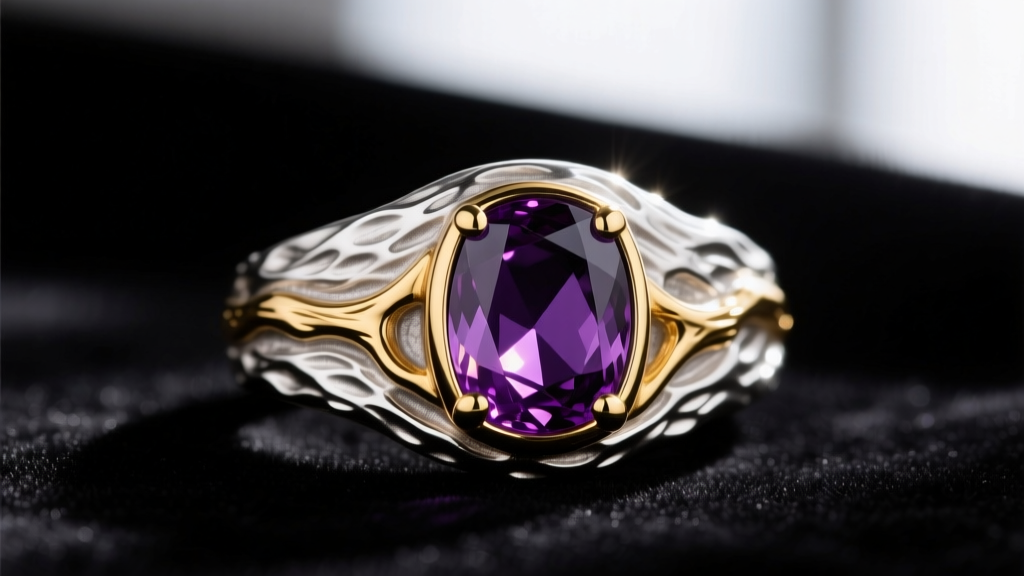
In the landscape of 2026 estate jewelry, few American designers command the immediate visual recognition and tactile appeal of Judith Ripka. Known for her opulent, heavily textured designs that blend European grandeur with American wearability, Ripka’s pieces from the 1980s and 1990s have transitioned from secondary-market bargains to highly sought-after collector's items. For serious collectors and vintage enthusiasts, navigating the market for vintage Judith Ripka jewelry requires a keen eye for her signature metalwork, an understanding of her evolving hallmarks, and a grasp of current valuation metrics.
This comprehensive buying guide will equip you with the specialized knowledge needed to authenticate, evaluate, and invest in vintage Ripka creations, ensuring you acquire genuine masterpieces rather than mass-market reproductions.
The Allure of the Bark Texture and Mixed Metals
Judith Ripka launched her eponymous brand in 1977, quickly establishing a signature aesthetic that defied the minimalist trends of the late 20th century. Her most defining contribution to American jewelry design is the 'bark' texture. Unlike stamped or machine-milled patterns, authentic vintage Ripka bark textures were originally carved into wax models using dental tools and organic materials before being cast via the lost-wax method. This results in a deeply organic, uneven, and highly reflective surface that catches light from multiple angles.
Furthermore, Ripka was a pioneer in mixing metals. While high jewelry traditionally separated sterling silver from karat gold, Ripka frequently combined oxidized sterling silver with 18k yellow gold accents—such as rope borders, bezel settings, and decorative rivets. This bimetallic approach created a rich, antique-inspired contrast that made her jewelry incredibly versatile for day-to-night wear. When evaluating vintage pieces, look for the seamless integration of these metals; the gold accents should sit flush or slightly raised against the deeply grooved silver backgrounds.
Decoding Hallmarks: Authenticating Vintage Pieces
As Ripka’s brand expanded through the 1980s and 1990s, her hallmarks evolved. Counterfeiters often replicate modern stamps, making it crucial to recognize the specific typography and placement of vintage marks. According to estate jewelry authentication standards referenced by Lang Antiques, provenance and consistent stamping are your first lines of defense.
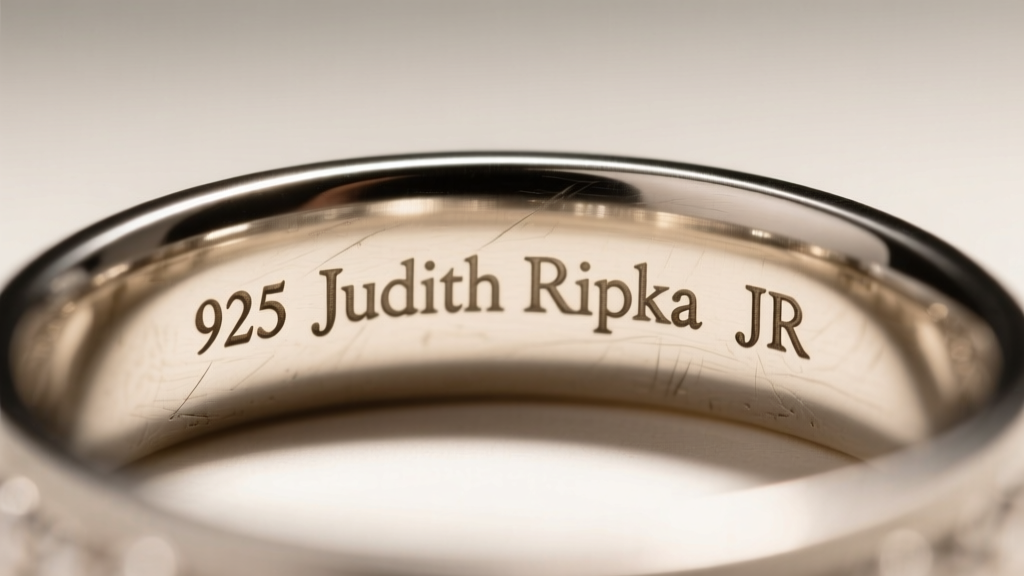
Key Vintage Stamps to Look For:
- The 'JR' Monogram: Early 1980s pieces often feature a simple, elegant 'JR' interlocking monogram. By the late 1980s, this evolved into a more stylized, blocky 'JR' often enclosed in a subtle oval or shield cartouche.
- The Full Name Stamp: 'JUDITH RIPKA' in a clean, sans-serif or slightly rounded serif font. On vintage rings, this is typically stamped on the inner shank alongside the metal purity mark.
- Metal Purity Marks: Vintage sterling pieces will bear '925'. Crucially, if the piece features gold accents, it will often be stamped '18K' or '750' in addition to '925', indicating solid gold accents rather than plating. Pieces marked '14K' are exceptionally rare in her vintage catalog, as she heavily favored the rich hue of 18k yellow gold.
- Copyright Symbols: Many 1990s production pieces include a tiny '©' next to the JR stamp, denoting copyrighted designs during her mass-production expansion era.
Pro Tip: Never rely on the hallmark alone. Counterfeiters can easily stamp a fake '925 JR' onto a cast mold. Always verify the weight, the depth of the bark texture, and the quality of the gemstone settings.
Key Vintage Collections to Target
When browsing estate sales or auction houses, knowing the specific vintage collections will help you identify high-value pieces versus standard production lines.
The Belize Collection
The Belize line represents Ripka’s foray into high jewelry. Featuring heavy 18k gold, intricate diamond pavé, and vibrant cabochon gemstones like sapphires, rubies, and emeralds, vintage Belize pieces are the most valuable in her secondary-market catalog. Look for the signature 'crocodile' or heavily scaled textures combined with micro-pavé diamond halos.
The Crocodile and Animal Motifs
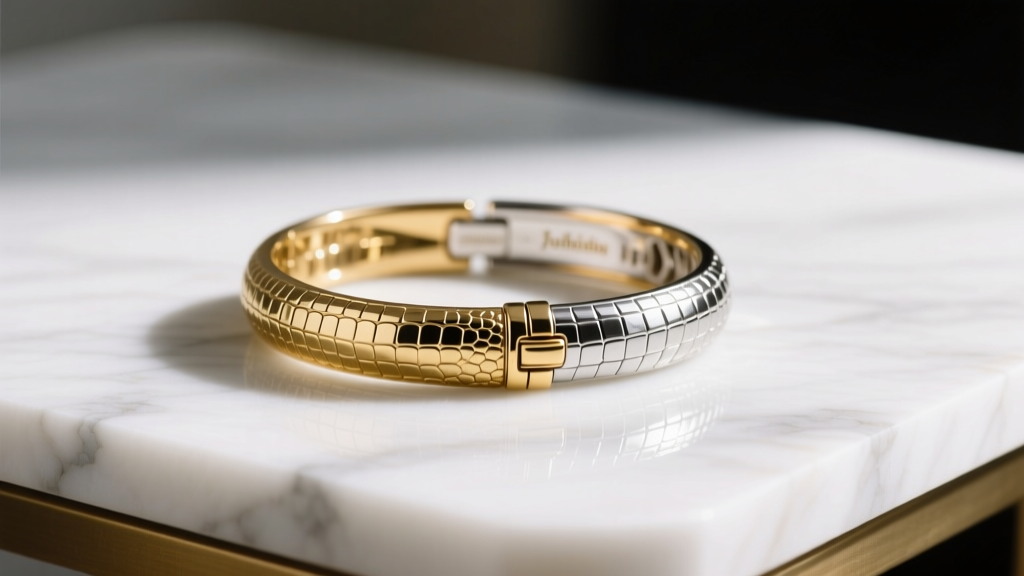
Before the Belize high-jewelry line, Ripka experimented with animal textures in sterling and gold. The 'Crocodile' texture features overlapping, asymmetrical scales that are far more irregular and lifelike than modern laser-etched equivalents. Vintage crocodile bangles and rings from the late 1980s are currently experiencing a surge in demand among collectors of statement jewelry.
Heart and Cable Motifs
Ripka’s heart-shaped pendants and rings, often bordered by her signature twisted 'cable' or 'rope' wire work, are staple vintage finds. The cable borders on authentic 1990s pieces are individually cast and soldered, showing slight, organic irregularities. Modern reproductions often feature perfectly uniform, machine-extruded cable borders that lack the handmade charm of the originals.
Material Breakdown, Condition, and Pricing
Understanding the material composition is vital for assessing both the condition and the fair market value of vintage Judith Ripka jewelry in 2026. The GIA Gem Encyclopedia notes that many colored gemstones from the 1980s and 90s, such as citrine and amethyst, were routinely heat-treated to enhance color—a standard and accepted practice that does not diminish the value of vintage Ripka pieces, provided it is disclosed.
| Material Profile | Era | 2026 Market Price Range | Condition Red Flags |
|---|---|---|---|
| Sterling Silver with 18k Gold Accents | 1980s - 1990s | $250 - $850 | Gold accents rubbing off (indicating vermeil rather than solid gold); deep scratches in the silver bark. |
| Solid 18k Yellow Gold (Heavy Cast) | 1980s - 2000s | $3,500 - $12,000+ | Porosity in the gold casting; worn-down prongs on heavy gemstone settings. |
| Sterling Silver with Gold Vermeil | Late 1990s - 2000s | $100 - $300 | Patchy vermeil wear on high-friction areas; tarnish bleeding through the gold plating. |
| Belize High Jewelry (18k, Diamonds) | 1990s - 2010s | $8,000 - $25,000+ | Chipped cabochons; missing micro-pavé diamonds; damaged hidden clasps. |
The Tarnish Debate: To Polish or Not to Polish?
One of the most common mistakes novice buyers make is aggressively polishing vintage Ripka sterling silver. The deep crevices of the bark and rope textures are supposed to retain oxidation (tarnish). This dark contrast is what gives the texture its three-dimensional depth. A piece that has been commercially tumbled or heavily polished will look flat, washed-out, and significantly lose its vintage market appeal. Always look for pieces with deep, dark crevices and bright, raised high-points.
Where to Source Authentic Vintage Pieces
Finding genuine vintage Judith Ripka jewelry requires looking beyond standard mall jewelers and focusing on vetted estate platforms and auction houses.
- 1stDibs and Ruby Lane: These platforms are excellent for sourcing 1980s and 1990s sterling and mixed-metal pieces. Always request high-resolution macro photos of the hallmarks and the inside of the ring shanks or bracelet clasps.
- Sotheby’s and Christie’s Online Auctions: For the Belize collection and solid 18k gold masterworks, major auction houses provide the necessary provenance and gemological reports. According to recent Sotheby's luxury jewelry market reports, signed American designer pieces from the 1980s are seeing renewed bidding wars.
- Estate Sales and Probate Auctions: Ripka’s jewelry was a staple of affluent American wardrobes in the 1990s. Local high-end estate sales in areas like Palm Beach, Scottsdale, and the Upper East Side often yield unlisted, pristine vintage pieces at below-market prices.
Final Verdict: Is Vintage Ripka Worth the Investment?
As the jewelry market continues to cycle through nostalgic trends, the bold, unapologetic glamour of 1980s and 1990s 'power jewelry' is firmly back in the spotlight. Vintage Judith Ripka jewelry offers a unique value proposition: you are acquiring heavy, substantial pieces of wearable art with genuine historical design significance, often at a fraction of their original retail cost or the cost of comparable contemporary designer jewelry.
By focusing on her iconic bark textures, verifying the bimetallic 925/18K hallmarks, and preserving the original oxidized finishes, collectors can build a stunning, valuable archive of American jewelry history. Whether you are hunting for a statement crocodile bangle or an intricate Belize cocktail ring, the secondary market for vintage Ripka remains a rich vein for the informed buyer.


