Preserving Vintage Costume Jewelry Worth Money: Care Tips
Learn expert cleaning and care tips for preserving vintage costume jewelry worth money. Protect rhinestones, bakelite, and enamel from damage.

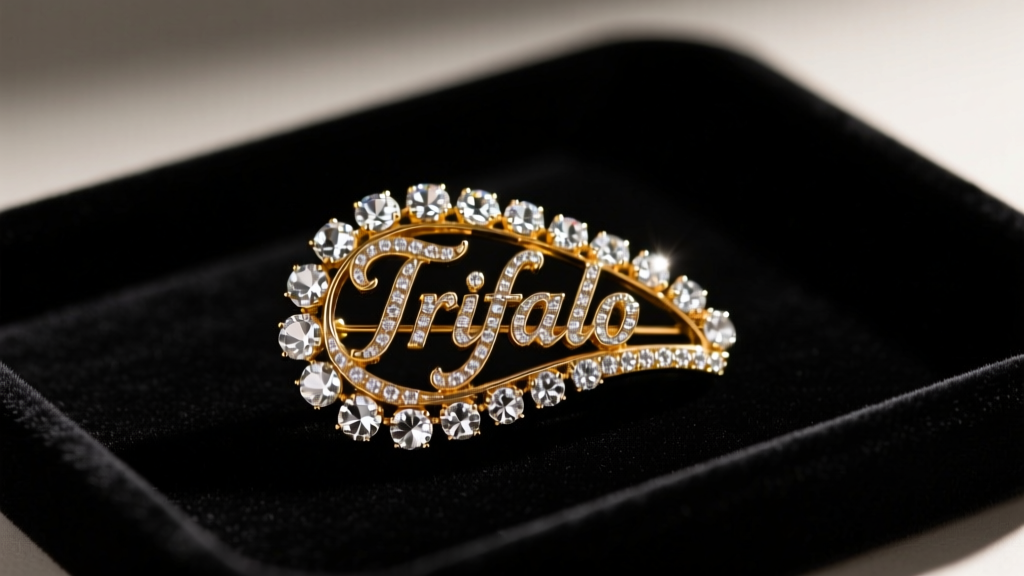
The secondary market for mid-century and Art Deco adornments has surged, making proper maintenance a critical skill for collectors and inheritors alike. When you possess vintage costume jewelry worth money—such as signed Crown Trifari pieces, early Miriam Haskell Russian gold designs, or carved Bakelite bangles—improper cleaning can instantly destroy decades of patina and plummet the item's appraisal value. Unlike fine jewelry, which can often withstand ultrasonic baths and harsh chemical dips, costume pieces are constructed from complex, fragile composites. This comprehensive guide details the exact protocols required to clean, stabilize, and store high-value vintage costume pieces without compromising their historical integrity or market price.
Identifying High-Value Vintage Costume Materials
Before applying any cleaning agent, you must accurately identify the materials. High-end vintage costume jewelry rarely relies on a single medium; it is a composite of base metals, glass, resins, and organic elements. Understanding the chemistry of these materials is the first step in preservation.
- Phenolic Resin (Bakelite): Prized for its deep, opaque colors and carved motifs. Bakelite develops a highly desirable patina over time that collectors actively seek.
- Foiled Glass Rhinestones: Glass stones with a delicate metallic backing (foil) applied to the pavilion to increase light refraction. Extremely common in 1920s to 1950s high-end pieces.
- Russian Gold Plating: A signature of Miriam Haskell, this involves a thick 24-karat gold wash applied over a brass or copper base, often with a deliberately textured, matte finish.
- Enamel and Pâte de Verre: Fused glass powders on metal substrates, highly susceptible to thermal shock and chemical etching.
The Chemistry of Foiled Rhinestones: A Zero-Water Rule
The most common and catastrophic mistake made by amateur cleaners is submerging foiled rhinestones in water or liquid jewelry dips. The "foil" is literally a microscopic layer of metallic paint or silver leaf glued to the back of the glass stone. When liquid seeps past the metal prongs—which often loosen over decades of wear—it becomes trapped between the glass and the foil.
This trapped moisture rapidly oxidizes the metallic backing, turning it black or mottled brown. In the collector's market, this is known as a "dead stone." A dead stone cannot be reversed without unsetting the glass, stripping the old foil, and re-foiling it—a specialized conservation process that costs far more than the stone's replacement value and diminishes the piece's originality. According to conservation guidelines from the Victoria and Albert Museum, moisture is the primary enemy of composite historical adornments.
Safe Cleaning Protocol for Foiled Stones:
- Use a dry, soft-bristled makeup brush (like a clean eyeshadow brush) to gently sweep away surface dust from the table (top) of the stone.
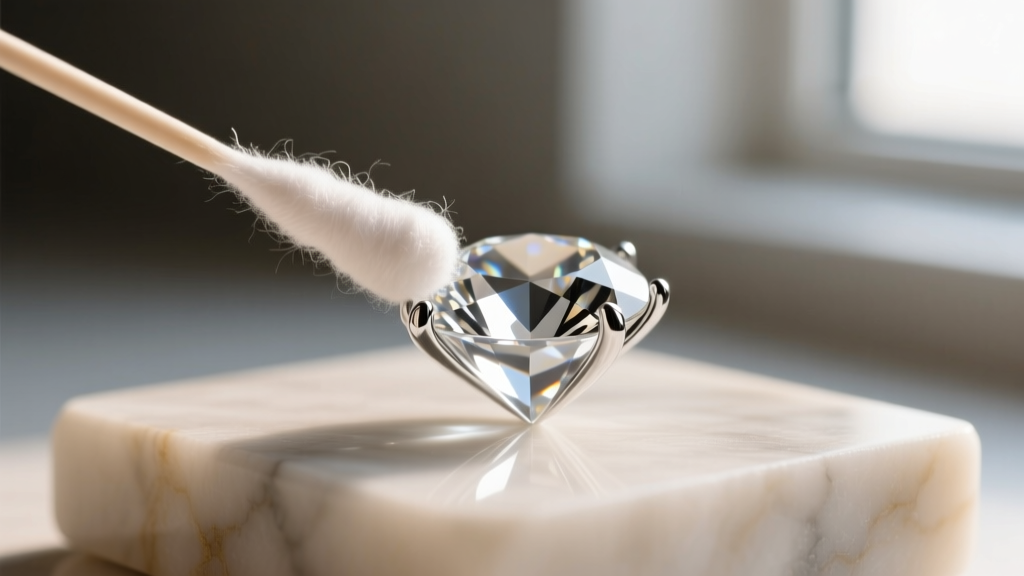
- For stubborn grime on the metal prongs, lightly dampen a cotton swab with isopropyl alcohol (90% or higher, as it evaporates instantly) and carefully swab the metal setting, strictly avoiding the glass edges where the prongs meet the stone.
- Never use Windex, ammonia, or ultrasonic cleaners. The cavitation bubbles in an ultrasonic bath will shatter the fragile glass or strip the foil backing entirely.
Material-Specific Care and Risk Assessment
Different eras and manufacturers utilized vastly different base metals and finishes. Use the table below as a quick-reference framework before attempting any DIY conservation.
| Material / Finish | Approved Cleaning Agent | Application Tool | Risk Level |
|---|---|---|---|
| Foiled Rhinestones | None (Dry only) / 90% Isopropyl | Soft makeup brush / Q-tip | Extreme (Water destroys foil) |
| Miriam Haskell Russian Gold | None (Dry polish only) | Dry microfiber cloth | High (Liquids strip 24k wash) |
| Carved Bakelite | Simichrome Polish / Mild Soap | Soft cotton cloth | Low (Avoid harsh abrasives) |
| Unfoiled Glass / Crystal | Glass Cleaner (Ammonia-based) | Microfiber cloth | Low (Keep away from base metal) |
| Verdigris on Base Metal | White Vinegar (Spot treatment) | Wooden toothpick | Medium (Can strip plating) |
Preserving Miriam Haskell and Russian Gold Finishes
Miriam Haskell pieces from the 1930s through the 1950s represent some of the most valuable vintage costume jewelry worth money on the market today. The brand's signature "Russian Gold" plating is a complex, multi-layered finish that includes a 24-karat gold wash over an antique-treated brass base. This finish is notoriously fragile.
Commercial jewelry dips, silver polishes, and even mild soap and water will strip the gold wash, leaving behind a dull, brassy underlayer. Once the Russian Gold finish is compromised, the piece loses up to 70% of its collector value. To maintain these pieces, rely exclusively on dry polishing. Use a high-quality, untreated microfiber cloth to gently buff the surface. If the piece features intricate filigree that has trapped decades of skin oils and lotion, use a dry, soft-bristled toothbrush to dislodge the debris. For deep structural grime, seek a professional jewelry conservator who specializes in mid-century electroplating.
Tackling Verdigris: The Green Menace
Verdigris is the informal term for the green, crusty buildup that frequently appears on vintage copper, brass, and bronze alloys. Chemically, it is usually copper acetate or copper carbonate, formed when the base metal reacts with moisture, oxygen, and the acids in human sweat or cosmetics. While a tiny amount of patina is acceptable, active verdigris is corrosive and will eventually eat through the metal plating and weaken the structural integrity of the clasps and prongs.
Experts at the Antique Jewelry University caution against aggressive scraping, which removes the underlying gold or silver plating alongside the corrosion. Instead, employ a targeted, mechanical removal strategy:
- Use a wooden toothpick or a fiberglass scratch pen to gently pick away the crusty green buildup. Never use a steel needle or metal pin, as it will gouge the softer base metal.
- For stubborn spots, dip the very tip of a cotton swab in white vinegar and apply it strictly to the verdigris. The mild acetic acid will dissolve the copper salts.
- Immediately neutralize the area by wiping it with a swab dampened with distilled water, then dry it instantly with a blast of compressed air or a hairdryer on the cool setting.
- Apply a micro-crystalline wax (like Renaissance Wax) to the treated area to seal the metal from future oxidation.
Bakelite and Lucite: Polishing Without Stripping Patina
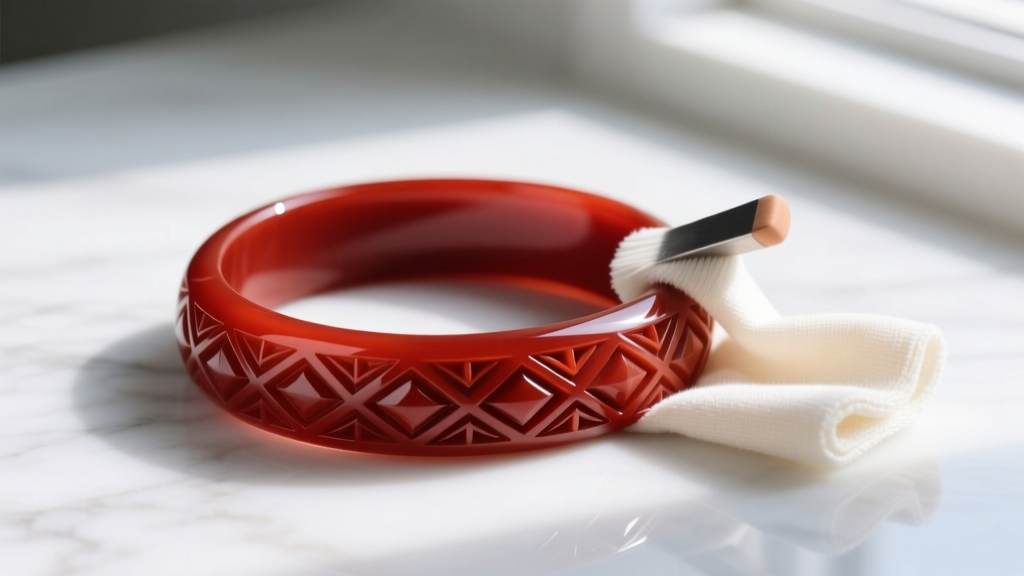
Bakelite (polyoxybenzylmethylenglycolanhydride) and Lucite (PMMA) were the premier plastics of the Art Deco and Retro eras. Bakelite, in particular, commands premium prices, especially in rare colors like apple juice, creamed corn, or deep cherry red. Over time, Bakelite develops a dark, oxidized patina. While some collectors prefer this aged look, a gentle polish can restore the material's original luster without destroying its value.
Avoid using abrasive metal polishes like Brasso, which contain harsh chemicals that can micro-scratch the phenolic resin and leave a chalky white residue in the carved crevices. Instead, use Simichrome Polish. Despite being marketed for metals, Simichrome is widely considered the gold standard in the collector community for safely polishing Bakelite. Apply a tiny amount to a soft cotton cloth, rub the surface in circular motions, and buff away the residue. The cloth will turn yellow—this is the oxidized layer coming off, revealing the vibrant, original color beneath. Never submerge Bakelite in hot water; while the "hot water sniff test" (smelling for a formaldehyde odor) is a common authentication trick, prolonged heat exposure can cause micro-fractures in the resin.
Archival Storage and Environmental Controls
The care of vintage costume jewelry worth money extends far beyond the cleaning bench; how you store these pieces dictates their longevity. Base metals are highly reactive to atmospheric humidity and sulfur compounds present in the air.
- Anti-Tarnish Strips: Place 3M anti-tarnish strips in your storage drawers or boxes. These strips absorb airborne sulfides and must be replaced every six months.
- Acid-Free Tissue: Never wrap vintage pieces in standard tissue paper or newspaper, as the acids and inks will transfer to the metal and accelerate tarnishing. Use only unbuffered, acid-free archival tissue paper.
- Humidity Control: Store your collection in a room with a stable relative humidity of 45-55%. Include silica gel desiccant packets in enclosed display cases to prevent the moisture buildup that triggers verdigris and foil oxidation.
- UV Protection: Prolonged exposure to direct sunlight will fade dyed Lucite, degrade organic materials like faux pearls, and cause enamel to become brittle. Keep pieces in closed drawers or UV-filtering display cases when not being worn.
When to Seek Professional Conservation
While routine maintenance can be handled at home, certain scenarios require the intervention of a professional jewelry conservator. If a piece features missing foil, shattered pâte de verre, or structural fractures in the base metal casting, DIY repairs using cyanoacrylate (Super Glue) or epoxy will permanently ruin the artifact. Professional conservators use reversible, archival-grade adhesives like Paraloid B-72, ensuring that today's repairs can be safely undone by tomorrow's experts. By respecting the delicate chemistry of these mid-century masterpieces, you ensure that your collection remains both historically intact and financially lucrative for decades to come.


