Vintage Christmas Jewelry: 2026 Holiday Style Trends
Discover the top vintage Christmas jewelry trends for 2026. Learn how to style mid-century holiday brooches, Victorian garnets, and retro enamel pieces.

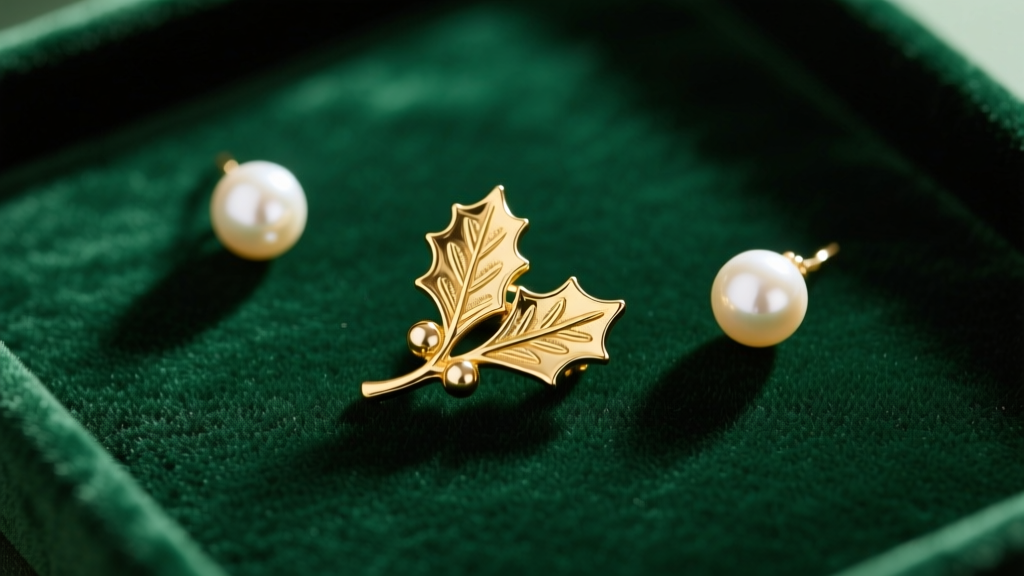
The holiday season presents a unique sartorial opportunity to integrate historical craftsmanship into modern winter wardrobes. As we navigate the 2026 holiday season, the demand for vintage Christmas jewelry has shifted from novelty costume pieces to highly curated, investment-grade antiques and mid-century collectibles. Collectors and style enthusiasts are no longer settling for mass-produced seasonal trinkets; instead, they are seeking out the rich material history, intricate enamel work, and gemological significance of authentic vintage and antique holiday motifs. Whether you are sourcing a 1950s sterling vermeil tree brooch or a Victorian Bohemian garnet pendant, understanding the material grades, historical context, and current market valuations is essential for building a distinguished holiday jewelry collection.
Mid-Century Marvels: The Golden Age of Holiday Costume Jewelry
The 1950s and 1960s represent the zenith of American holiday costume jewelry, driven by a post-war economic boom and the rise of the suburban holiday aesthetic. During this era, legendary design houses like Trifari, Coro, and Miriam Haskell produced seasonal pieces that remain highly coveted in 2026. The most iconic of these are the sterling silver Christmas tree brooches, often featuring intricate openwork branches set with glass cabochons or aurora borealis (AB) rhinestones.
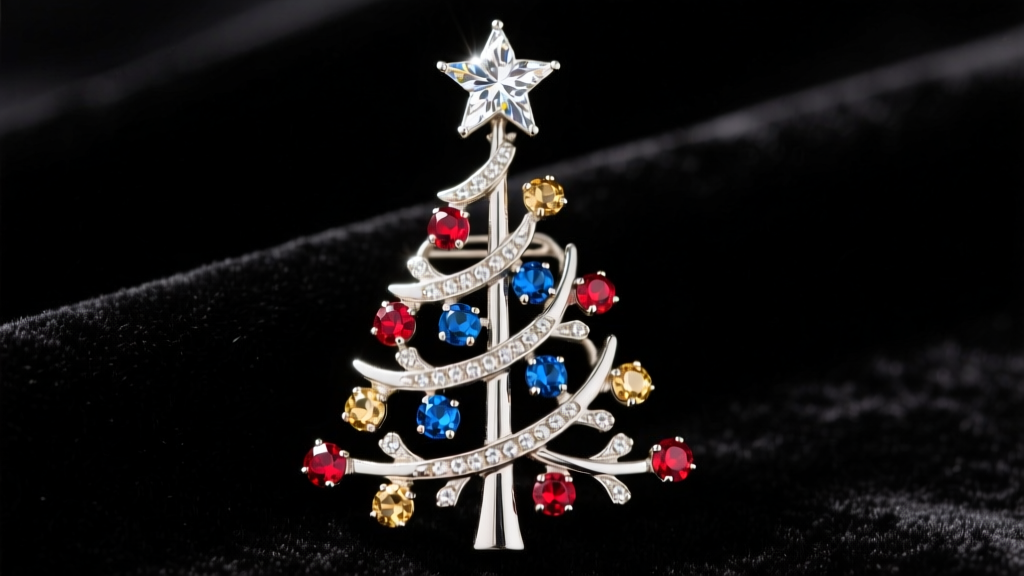
When evaluating mid-century vintage Christmas jewelry, the presence of Aurora Borealis rhinestones is a critical dating marker. Introduced by Swarovski in collaboration with Christian Dior in 1955, AB stones feature a microscopically thin metallic coating that creates a rainbow iridescence. A Coro sterling tree brooch featuring intact, unclouded AB stones and a functioning trombone clasp currently commands between $250 and $450 on the secondary market, whereas unsigned or damaged examples hover in the $45 to $80 range. Furthermore, look for Miriam Haskell's signature Russian gold plating—a 24k gold wash over brass or copper that yields a distinct, warm, antique patina perfectly suited for holiday velvet and silk textures.
Victorian Winter Elegance: Garnets, Jet, and Celestial Motifs
While the Victorians (1837–1901) did not produce jewelry explicitly marketed as "Christmas" merchandise in the modern commercial sense, their winter-appropriate motifs and rich color palettes make Victorian antique jewelry a staple of sophisticated holiday styling. The era's fascination with celestial bodies, nature, and deep crimson gemstones aligns perfectly with the visual language of the holiday season.
Identifying Authentic Victorian Holiday Pieces
To build a genuine Victorian holiday collection, focus on Bohemian garnets and Whitby jet. Bohemian garnets (pyrope) are characterized by their deep, blood-red hue and are typically rose-cut and set in clusters within 15k yellow or rose gold. According to the Gemological Institute of America (GIA), pyrope garnets lack the brownish secondary tones seen in almandine garnets, giving them a vibrant, icy brilliance under candlelight or warm indoor lighting. When sourcing these pieces, verify the gold purity; as noted by Lang Antiques University, 15k gold was the standard in Great Britain until 1932, making it a reliable hallmark for dating authentic Victorian and Edwardian pieces.
- Crescent Moon and Star Brooches: Often set with rose-cut diamonds or seed pearls, symbolizing the night sky of the winter solstice.
- Whitby Jet Pendants: Hand-carved floral or geometric motifs in deep black fossilized wood, offering a striking contrast against crimson holiday silks.
- Guilloché Enamel Lockets: Translucent vitreous enamel over engine-turned metal, frequently in deep royal blues and forest greens.
2026 Market Valuation and Investment Trends
The vintage Christmas jewelry market in 2026 is defined by a bifurcation between high-end antique gemstone pieces and premium-signed mid-century costume jewelry. Unsigned novelty pieces have seen a depreciation in value due to market saturation, while verified pieces from specific artisan houses are appreciating by 8% to 12% annually.
| Era / Style | Key Materials & Markers | Holiday Motif Examples | 2026 Market Value Range |
|---|---|---|---|
| Victorian (1880-1900) | 15k Gold, Bohemian Pyrope Garnet, Rose-Cut Diamonds | Star pendants, floral wreath brooches, ivy leaf pins | $600 – $3,500+ |
| Art Deco (1920-1935) | Platinum, White Gold, Onyx, Calibré-Cut Emeralds | Geometric snowflakes, stylized holly leaf clips | $1,200 – $8,000+ |
| Retro (1940-1950) | Sterling Vermeil, Lucite, Synthetic Rubies | Large 3D ribbon bows, patriotic/seasonal shield pins | $150 – $650 |
| Mid-Century (1950-1970) | Base Metals, AB Rhinestones, Cold Enamel | Christmas trees, Santa faces, poinsettia clips | $80 (unsigned) – $500 (signed) |
Advanced Styling Frameworks for the Modern Collector
Integrating vintage Christmas jewelry into a contemporary 2026 wardrobe requires moving beyond the traditional "pin it on a lapel" approach. The most compelling holiday styling relies on juxtaposition and structural conversion.
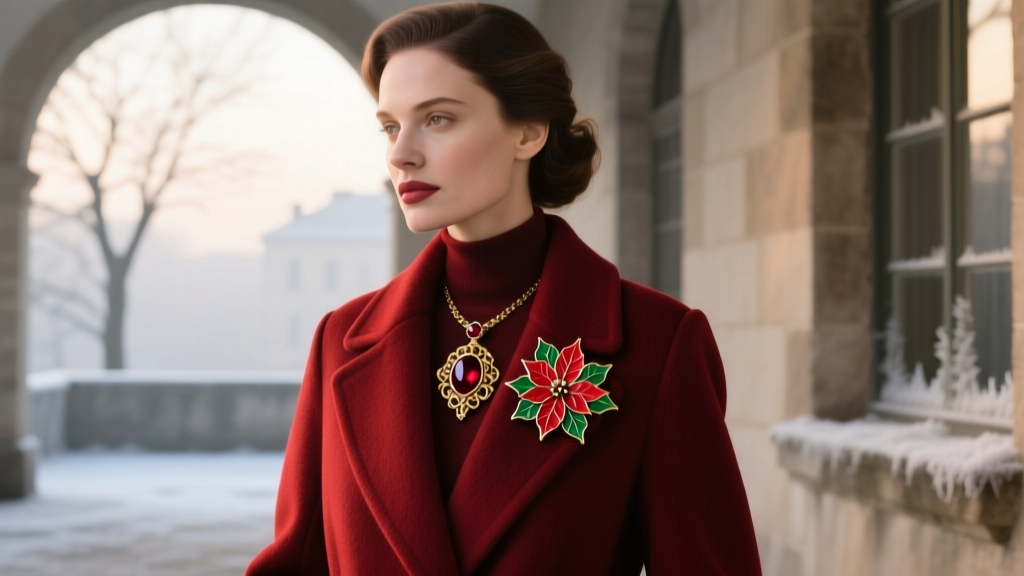
The Layering Technique for Holiday Galas
For formal holiday events, utilize the "anchor and accent" framework. Anchor your neckline with a substantial, non-seasonal antique piece—such as an Edwardian platinum and diamond lavalier necklace. Then, accent the periphery with a vintage Christmas motif. A 1940s sterling vermeil holly leaf double-clip can be separated and pinned asymmetrically to the shoulder of a velvet blazer or the cuff of a silk sleeve. This prevents the jewelry from looking like a novelty costume and instead frames it as an intentional, high-fashion artifact.
Structural Conversion: Brooch to Pendant
Many mid-century and Victorian brooches suffer from structural stress when worn on modern, lightweight knitwear. To preserve the integrity of the piece and the garment, invest in an 18k gold or platinum locking pendant converter. These devices slide over the brooch's pin stem and lock it securely, allowing you to suspend heavy sterling tree brooches or garnet wreath pins from a 20-inch antique gold chain. This not only protects the vintage C-clasps from bending but also positions the jewelry directly in the line of sight.
Authentication and Sourcing Protocols
When sourcing vintage Christmas jewelry, authentication is paramount, particularly for pieces claiming to be Victorian or signed mid-century designer items. Always examine the reverse of the piece. A vintage brooch should feature a hinge and clasp system consistent with its purported era. For example, a simple "C-clasp" without a rolling safety catch generally indicates a piece manufactured prior to the 1910s, while a tube hinge and locking safety catch point to a mid-20th-century origin.
Furthermore, be wary of "franken-pieces"—brooches where missing rhinestones have been replaced with modern, machine-cut cubic zirconia or foiled glass that lacks the depth of original leaded glass or early synthetic spinel. Use a 10x jeweler's loupe to inspect the foil backing of antique stones; degraded or blackened foil is a natural sign of age and moisture intrusion, whereas pristine, uniformly reflective foil in a supposedly 19th-century piece is a red flag for modern reproduction. By prioritizing material integrity, historical hallmarks, and structural soundness, you can curate a vintage Christmas jewelry collection that holds both profound aesthetic value and enduring financial worth.


