How to Authenticate and Style Maejean Vintage Jewelry
Learn how to authenticate, value, and style Maejean vintage jewelry. Our step-by-step guide covers hallmarks, materials, and mid-century styling tips.

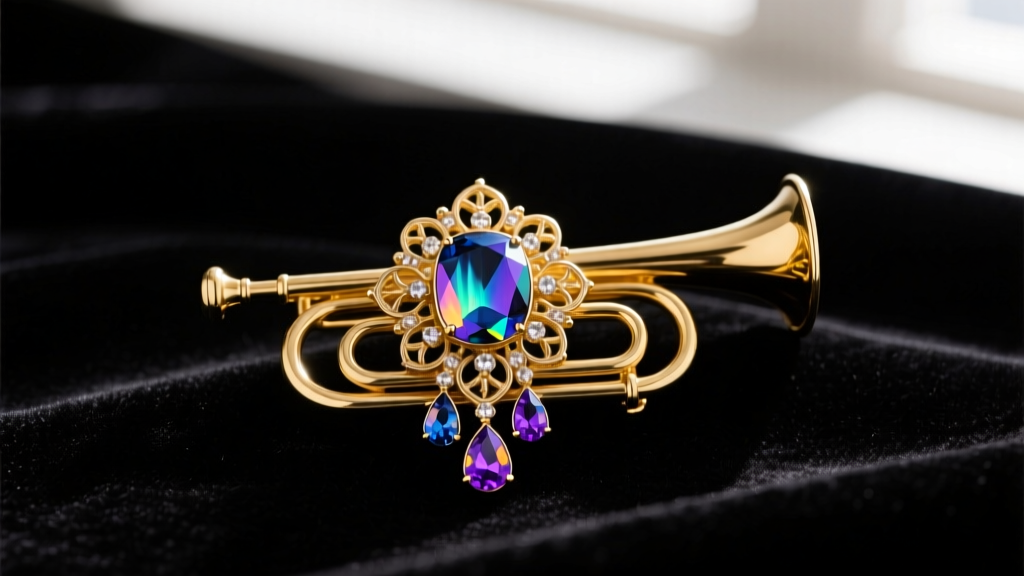
The Allure of Mid-Century Maejean
For collectors and enthusiasts of mid-century fashion, Maejean vintage jewelry represents a fascinating intersection of Hollywood glamour and accessible luxury. Flourishing during the post-WWII economic boom, Maejean and similar makers capitalized on the era's demand for bold, ornate accessories that mimicked fine jewelry aesthetics. However, the secondary market is currently flooded with misattributed pieces, reproductions, and unsigned lookalikes. Whether you are hunting for a pristine parure set or trying to date a single gold-tone brooch, authenticating these pieces requires a meticulous, step-by-step approach. This guide will walk you through the exact methodologies used by professional appraisers to identify, value, and style Maejean vintage jewelry in 2026.
Step 1: Decoding the Maejean Hallmarks and Maker’s Marks
The first step in authentication is locating and analyzing the maker's mark. Maejean pieces were typically stamped on the reverse of the clasp, the back of a brooch, or the inner band of a ring.
The Copyright Act of 1955
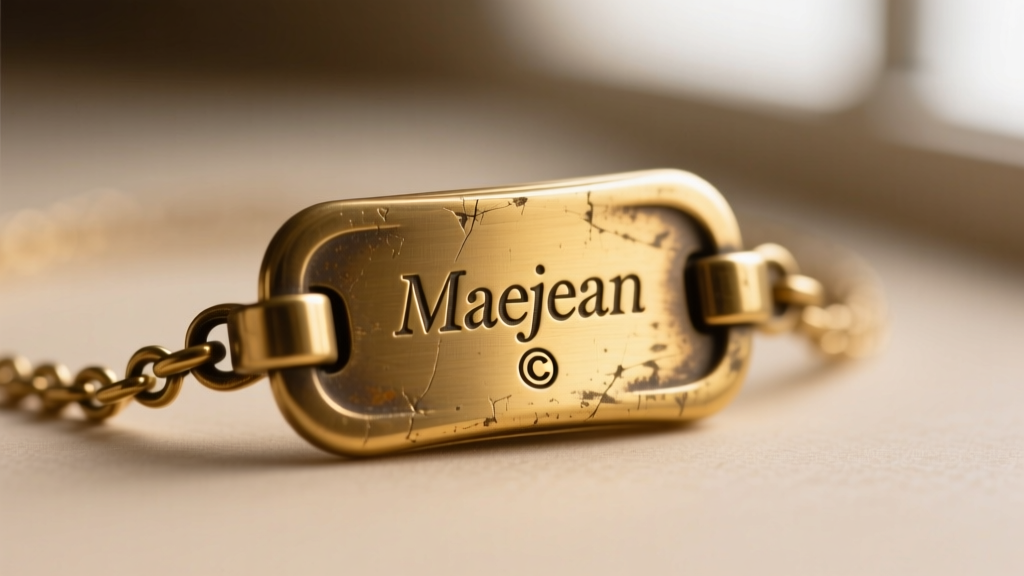
The most critical dating tool for mid-century costume jewelry is the copyright symbol (©). Before the Jewelry Design Copyright Act of 1955, jewelry designs could not be copyrighted in the United States. If your piece features the © symbol next to the Maejean signature, you can definitively date the manufacturing to 1955 or later. Pieces lacking the © mark but bearing the signature are likely from the early 1950s or late 1940s.
Stamp Depth and Font Analysis
Authentic Maejean hallmarks were applied via steel die-stamping into the base metal. Under a 10x jeweler's loupe, genuine stamps will show clean, sharp edges with consistent depth. Cast marks—where the hallmark is molded into the metal rather than stamped—often appear raised, blurred, or pitted. If the font looks irregular or the metal shows signs of modern laser engraving, you are likely looking at a contemporary reproduction. For comprehensive community verification, cross-referencing your hallmark with the Costume Jewelry Collectors Club International database is highly recommended.
Step 2: Analyzing Mid-Century Materials and Stones
Maejean vintage jewelry is renowned for its elaborate use of rhinestones, glass pearls, and gold electroplating. The materials used can narrow down the production window to a specific three-to-five-year span.
- Aurora Borealis (AB) Rhinestones: Introduced by Swarovski in 1956, AB stones feature a micro-thin metallic coating that creates an iridescent, rainbow-like reflection. If a signed Maejean piece features genuine AB stones, it was manufactured no earlier than 1956. Beware of modern acrylic imitations; vintage glass AB stones are cold to the touch and significantly heavier.
- Foil-Backed Glass: Many Maejean brooches and earrings utilize foil-backed glass stones to enhance brilliance. Over decades, moisture can breach the setting, causing the foil to oxidize and turn black or gray. While 'dead' stones lower the monetary value, they serve as an excellent indicator of age, as modern reproductions typically use solid acrylic or unfoiled machine-cut glass.
- Base Metals and Plating: The core of most Maejean pieces is a brass or white-metal alloy (often referred to as pot metal, containing zinc, lead, and tin). These were heavily electroplated with gold or rhodium. Look for 'wear-through' spots on high-friction areas like clasp hinges or pin stems; vintage wear will reveal yellow brass or dull gray pot metal beneath, whereas modern fakes may reveal silvery stainless steel or cheap aluminum.
Step 3: Inspecting Clasps and Construction Quality
The hardware used to secure the jewelry provides vital forensic clues. Mid-century manufacturing relied heavily on specific clasp mechanisms that were largely phased out by the 1970s.
Trombone Clasps: Often found on Maejean brooches, the trombone clasp features a push-pull mechanism that locks the pin into a cylindrical barrel. While more common in European jewelry, high-end American makers adopted them for secure, heavy pieces in the 1950s. Fold-Over Clasps: Frequently used on necklaces and bracelets, these feature a hinged flap that snaps over a small metal loop. Early fold-over clasps were relatively wide and lacked the safety chains that became standard in the late 1960s. Examine the soldering points where the clasp meets the body of the jewelry. Vintage Maejean pieces exhibit hand-soldered joints, which may appear slightly uneven or show minor heat discoloration, unlike the perfectly uniform laser-welded joints of modern mass-produced jewelry.
Step 4: The Maejean Valuation Matrix
Valuing Maejean vintage jewelry requires balancing rarity, condition, and completeness. The market for mid-century costume jewelry has matured significantly, with serious collectors paying premiums for complete, well-preserved sets. Below is a current valuation framework based on recent auction data and dealer pricing from platforms like Ruby Lane.
| Piece Type | Condition & Identifiers | Estimated 2026 Market Value |
|---|---|---|
| Parure Set (Necklace, Bracelet, Earrings, Brooch) | Mint, signed with ©, original AB stones intact | $450 - $850 |
| Statement Cocktail Ring | Excellent, minor gold-plate wear, signed | $120 - $250 |
| Single Brooch / Pin | Good, missing 1-2 stones, unsigned but attributed | $35 - $65 |
| Clip-Back Earrings | Fair, heavy patina, unsigned | $15 - $30 |
Note: Provenance and unique design motifs (such as floral tremblant pieces or intricate Egyptian Revival designs) can push values 20-30% above the standard matrix.
Step 5: Styling Maejean Pieces for the Modern Wardrobe
Styling mid-century costume jewelry in 2026 is all about juxtaposition. The heavy, ornate nature of Maejean's gold-tone and rhinestone designs can easily look costumey if paired with the wrong garments. To integrate these vintage treasures into a contemporary wardrobe, follow these structural styling rules:
The Rule of Proportion and Contrast
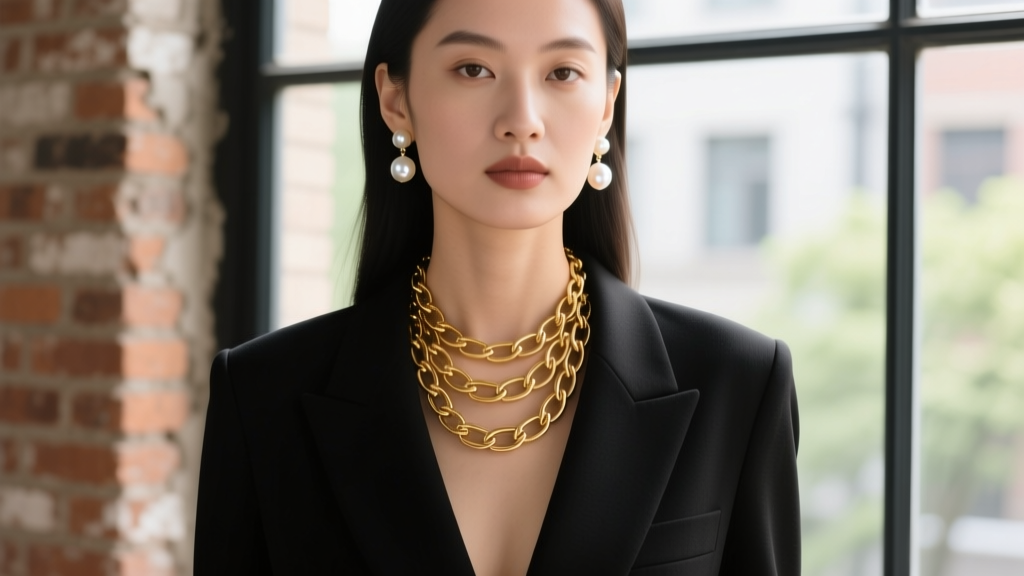
Pair heavy, oversized Maejean cocktail rings or wide-link bracelets with minimalist, structured fabrics. A chunky, gold-plated 1950s link bracelet looks exceptionally striking against the cuff of a crisp, oversized white poplin shirt or a tailored black wool blazer. Avoid pairing intricate vintage brooches with busy patterns; instead, pin a large floral Maejean brooch to the lapel of a solid-color camel coat or directly onto a wide leather belt to cinch a midi dress.
Day-to-Night Transitions
For daytime wear, isolate the pieces. Wear the glass pearl stud earrings and a simple gold chain from a Maejean parure set with a casual cashmere sweater. Save the heavy, multi-layered rhinestone necklace and matching cuff bracelet for evening wear, allowing the aurora borealis stones to catch low, warm ambient lighting.
Cleaning and Preservation Protocols
Proper maintenance is critical for preserving the value of your collection. Never use ultrasonic cleaners or harsh chemical dips on Maejean vintage jewelry. Ultrasonic vibrations will shatter the fragile glue bonds holding foil-backed stones in place, and chemical dips will strip the gold electroplating and ruin the iridescent coating on AB rhinestones.
Instead, use a soft, lint-free microfiber cloth to gently buff the metal. For stubborn grime in the crevices of the metalwork, use a dry, soft-bristled makeup brush to dislodge dust. If a non-foiled stone requires cleaning, dip a cotton swab in a mild solution of distilled water and pH-neutral dish soap, carefully swab the stone's surface, and immediately dry it with a separate swab. Store your pieces individually in acid-free tissue paper or unbleached cotton pouches to prevent the sulfur in the air from tarnishing the base metals and to stop heavier pieces from crushing delicate prong settings.


