Authenticating Top Vintage Jewelry Brands: A Buyer's Guide
Master the art of identifying and valuing vintage jewelry brands. Learn hallmark decoding, pricing data, and red flags for fine and costume pieces.

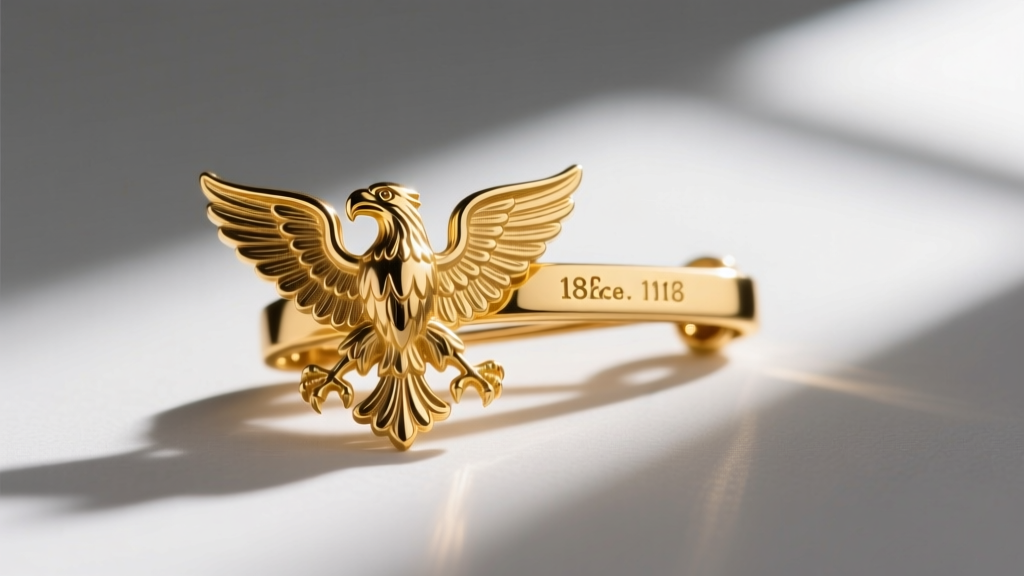
The secondary market for vintage jewelry brands has evolved into a highly sophisticated ecosystem. Whether you are hunting for Art Deco masterpieces signed by Cartier or mid-century costume rarities by Trifari, authentication requires more than a cursory glance at a clasp. In today's market, sophisticated forgeries and "Frankenstein" pieces—jewelry cobbled together from authentic and reproduction parts—routinely deceive amateur buyers. This guide provides a deep-dive framework for identifying, authenticating, and valuing the most coveted vintage jewelry brands across both the fine and costume categories.
The Fine Jewelry Tier: Decoding European and American Hallmarks
When evaluating high-end vintage jewelry brands like Cartier, Van Cleef & Arpels, or Boucheron, the hallmark is your first line of defense. However, hallmarks must be read in the context of the piece's metallurgy and era.
French Eagle Head and Maker's Marks
For French vintage jewelry brands, the tête d'aigle (eagle head) is the legal guarantee of 18k (750) gold. Crucially, authentic French hallmarks are struck with a steel punch, creating a slightly raised or deeply indented impression with crisp, symmetrical edges. Under a 10x triplet loupe, a genuine punch mark will show slight displacement of the surrounding metal. Conversely, modern laser-etched hallmarks—a common tactic on counterfeit pieces—appear perfectly flat, shallow, and uniformly darkened due to the burning process.
Furthermore, authentic pieces from top houses will feature a poinçon de maître (maker's mark), typically a diamond-shaped lozenge containing the brand's initials and a symbol (like a star or anchor). According to the GIA Gem Encyclopedia, cross-referencing these specific maker's marks with historical registries is essential, as counterfeiters often use generic or incorrect lozenge symbols.
Serial Number Registries and Typography
Brands like Cartier and Tiffany & Co. utilize strict serial number registries. On vintage Cartier pieces, the serial number is typically a combination of letters and numbers (e.g., a 4-digit to 6-digit alphanumeric code) engraved in a specific, proprietary font. The engraving should be clean, with sharp serifs and consistent depth. Fakes often feature hand-engraved or poorly stamped serial numbers with uneven spacing or incorrect typefaces.
The Golden Age of Designer Costume Jewelry
The mid-20th century birthed a revolution in costume jewelry, elevating base metals and glass to high art. Identifying vintage jewelry brands from this era requires an understanding of proprietary alloys and patented mechanics.
Miriam Haskell and the Russian Gilt Standard
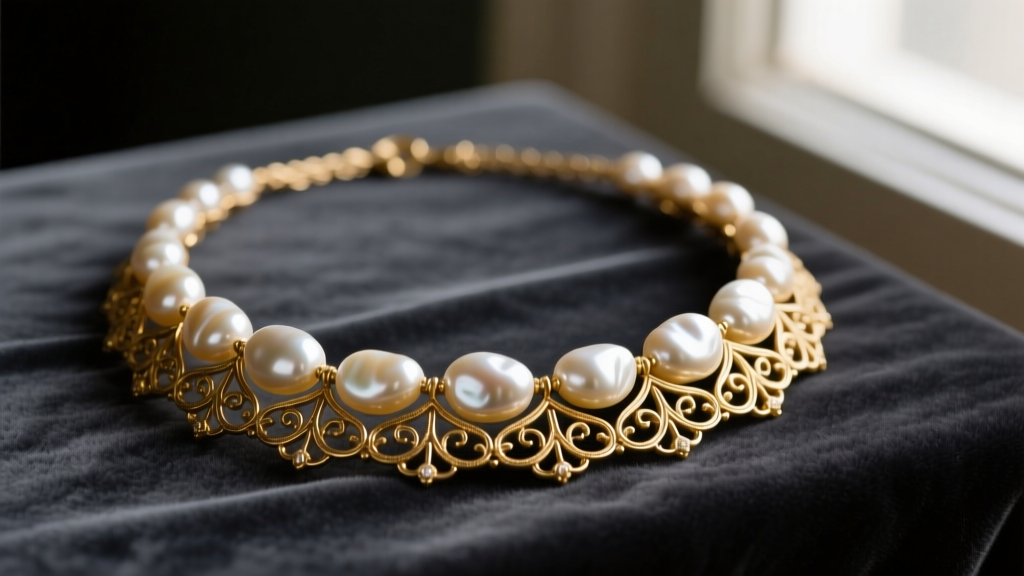
Miriam Haskell pieces are instantly recognizable to trained eyes by their use of "Russian Gilt." This specific brass alloy was plated with a matte, 24k gold wash that possesses a distinct, warm, slightly reddish hue. Early Haskell pieces (pre-1940s) were rarely signed, making authentication reliant on the intricate, hand-wired filigree work and the use of early plastics like Galalith. Later pieces feature the iconic horseshoe or oval plaques soldered to the reverse. A major red flag is a Haskell piece with a bright, shiny, yellow-gold finish; this indicates the piece has been aggressively re-plated, destroying its original historical patina and slashing its collector value by up to 70%.
Trifari: From Wartime Sterling to Trifanium
Under the creative direction of Alfred Philippe, Trifari dominated the market. Authentication hinges on understanding their material shifts. During World War II, base metals were restricted, forcing Trifari to use sterling silver. These pieces are marked with "Trifari Sterling" or "KTF" (the early block mark). Post-1955, Trifari introduced "Trifanium," a proprietary non-tarnishing base metal. Pieces from this era bear the Crown mark (a crown over the letter T). Collectors highly prize the wartime "Jelly Belly" figurative brooches, which feature carved Lucite bellies set in sterling. Authentic Jelly Bellies exhibit a seamless integration of the Lucite and metal; fakes often show visible glue residue or poorly cast metal prongs.
2026 Market Valuation Matrix
Pricing for vintage jewelry brands fluctuates based on condition, rarity, and provenance. The table below outlines current market baselines for highly sought-after signatures.
| Brand | Era / Key Identifier | Condition Requirement | Estimated Market Value (USD) |
|---|---|---|---|
| Cartier | Art Deco Tutti Frutti (Carved Gems) | Original silk cord, signed mount | $150,000 - $2,500,000+ |
| Trifari | WWII Sterling Jelly Belly Poodle | Intact Lucite, no silver polish damage | $3,500 - $8,000 |
| Miriam Haskell | 1930s Unmarked Baroque Pearl Wreath | Original Russian Gilt, intact wiring | $1,200 - $3,500 |
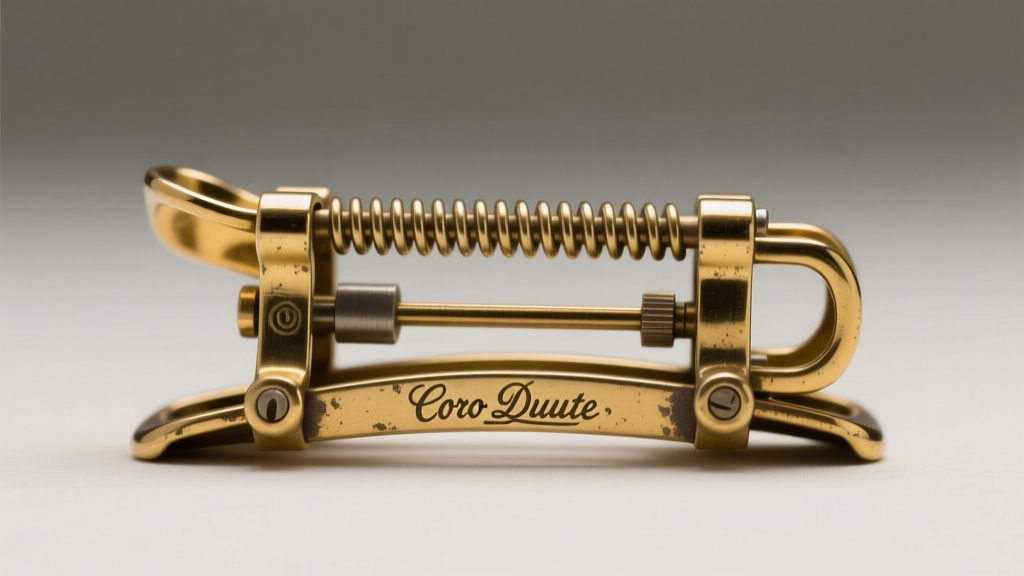
| Coro | 1930s Quarette (4-part dress clip) | Functional spring mechanisms | $400 - $900 |
| Boucheron | 1940s Retro Gold & Ruby Clips | French Eagle Head, intact rubies | $15,000 - $45,000 |
Hardware, Clasps, and Mechanics: The Hidden Telltales
Amateur buyers focus on the front of the jewel; experts flip it over. The hardware used in vintage jewelry brands is heavily tied to specific time periods and patent laws.
- Trombone Clasps: Characterized by a push-pull tube mechanism, these were predominantly used on European pieces from the late 19th century through the 1930s. If you see a trombone clasp on a piece claimed to be a 1960s American designer brooch, it is likely a reproduction or a replacement.
- C-Clasps and Locking Catches: The simple C-clasp was standard until the early 1900s. The invention of the locking safety catch (patented around 1901 but widely adopted by 1910) revolutionized brooch security. A piece featuring an early, thick C-clasp with a modern, thin rolling safety catch is a prime suspect for a "Frankenstein" assembly.
- Coro Duettes: Patented by Gaston Candas in 1931, the Duette mechanism allowed two dress clips to be joined into a single brooch via a specialized spring-loaded frame. Authentic frames are stamped with the Coro patent number. As noted by Collectors Weekly, missing the original frame reduces a Duette's value to that of two standard, unattached clips.
Red Flags: Spotting Fakes and Frankenstein Pieces
The most dangerous vintage jewelry brands to buy without expertise are those that have been "restored" by unscrupulous sellers. Watch for these critical failure modes:
"A genuine vintage piece tells a cohesive story of its era. When the clasp, the pin stem, the hallmark, and the stone cuts contradict one another, you are looking at a composite forgery." — Estate Jewelry Appraisal Guidelines
Stone Replacement and Foil-Back Degradation
In vintage costume jewelry, rhinestones were often foil-backed to enhance brilliance. Over decades, moisture breaches the setting, causing the foil to oxidize and turn black. Unethical sellers will pop out the dead stones and replace them with modern, unfoiled acrylic or glass stones. Under magnification, modern replacement stones will lack the distinct faceting patterns (like the flat-table, high-crown cuts of the 1920s) and will show modern adhesive residue around the prongs.
Re-Tipping and Solder Scars
In fine vintage jewelry, inspect the prongs under a loupe. If a ring features vintage European-cut diamonds but the prongs look brand new, uniform, and lack wear, they have likely been re-tipped. While re-tipping is a standard repair, heavy solder scars on the shank indicate the piece may have been resized multiple times or, worse, that a hallmark was cut out and replaced to hide a structural flaw.
Sourcing Strategy and Provenance Verification
When acquiring high-value vintage jewelry brands, provenance is paramount. Auction houses like Bonhams and Sotheby's provide detailed cataloging that traces a piece's lineage, which justifies their buyer's premiums. For mid-tier costume pieces, specialized estate sales and vetted antique shows offer better margins, but require you to bring your own tools: a 10x Hastings triplet loupe, a digital caliper for measuring pin stems, and a UV flashlight to detect modern synthetic resins masquerading as vintage Bakelite or Lucite.
Final Authentication Checklist
Before finalizing any purchase, run the piece through this rapid diagnostic checklist: Does the hallmark match the era's typography? Is the clasp mechanism historically accurate for the claimed decade? Do the stones show consistent, era-appropriate wear and faceting? By mastering these granular details, you transition from a passive shopper to an authoritative collector, capable of unearthing genuine masterpieces in a market saturated with reproductions.


