Gifting Flint Estate Jewelry & Coin Pieces: A Collector's Guide
Discover how to gift authentic flint estate jewelry & coin pieces. Learn valuation, occasion matching, and styling tips for numismatic treasures.

The Intersection of Numismatics and Vintage Adornment
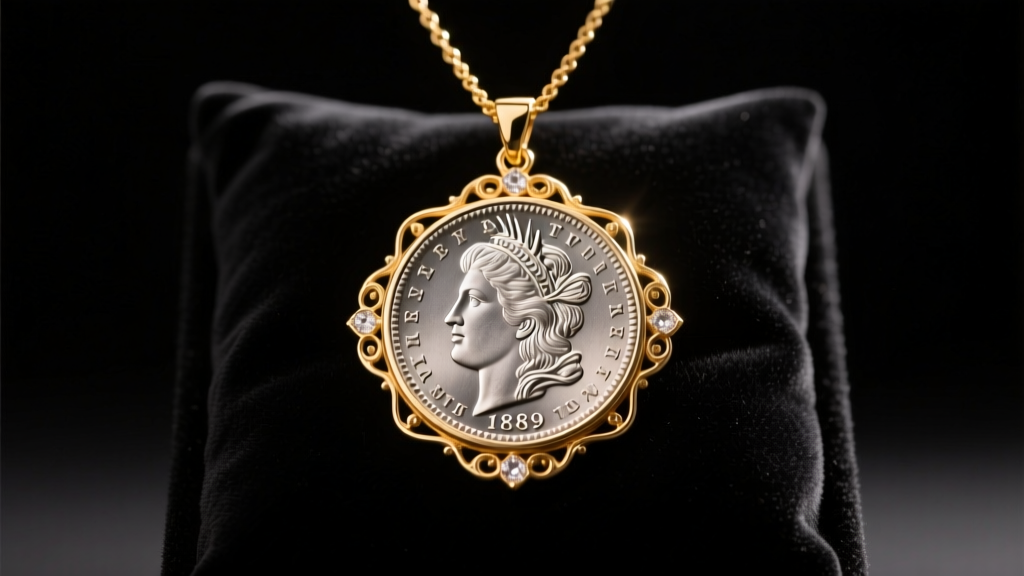
The world of vintage gifting has evolved far beyond standard diamond solitaires and mass-produced gold chains. Today’s most discerning gift-givers are seeking pieces with profound historical weight, tangible intrinsic value, and a story that spans generations. This is where the specialized niche of numismatic jewelry shines. Collectors and gift-givers alike are increasingly turning to specialized regional liquidations. When browsing what dealers often classify as flint estate jewelry & coin inventories, you are tapping into a rich vein of Midwestern industrial-era estates where heavy gold mounts and historical numismatics frequently cross paths.
These estate collections often feature 19th and early 20th-century coins—ranging from circulated Morgan Silver Dollars to pristine British Sovereigns—encased in custom mid-century gold bezels. Gifting a piece of estate coin jewelry is not merely giving an accessory; it is presenting a tangible artifact of economic history, married to the craftsmanship of vintage goldsmithing. However, navigating this crossover market requires a keen eye for both gemological and numismatic details to ensure your gift is both authentic and appropriately valued.
Occasion Matching: When to Gift Historical Coin Jewelry
Matching the historical era and material of a coin pendant or ring to the recipient’s milestone is crucial for a meaningful gift. Here is a strategic framework for occasion matching:
- Milestone Anniversaries (10th to 25th): A Victorian-era British Sovereign (minted between 1837 and 1901) set in an 18k yellow gold bezel is the quintessential anniversary gift. The coin features the iconic St. George and the Dragon reverse, symbolizing protection and enduring strength. Expect to pay between $800 and $1,400 for a well-preserved estate mount.
- Graduations and Academic Achievements: Ancient Roman bronze or silver denarii, often sourced from European antiquities and set in sterling silver or 14k white gold, make exceptional graduation gifts. They represent the foundations of Western civilization, history, and classical studies. These are highly accessible, typically ranging from $150 to $350.
- Significant Birthdays (21st, 30th, 50th): The American Morgan Silver Dollar (minted 1878–1921) is a crowd favorite. Weighing exactly 26.73 grams and composed of 90% silver, these substantial coins are often mounted in heavy 14k gold rope bezels. They convey a sense of American heritage and industrial prosperity, perfect for marking a major life transition.
- Retirements: A $20 Saint-Gaudens Double Eagle gold coin, even in a lower circulated grade (like VF-30), mounted in a custom 22k gold bezel, represents the ultimate retirement reward. This is a high-end investment piece, with estate examples starting around $3,200 and easily exceeding $5,500 depending on the gold weight of the mount.
Evaluating Authenticity and Mount Quality
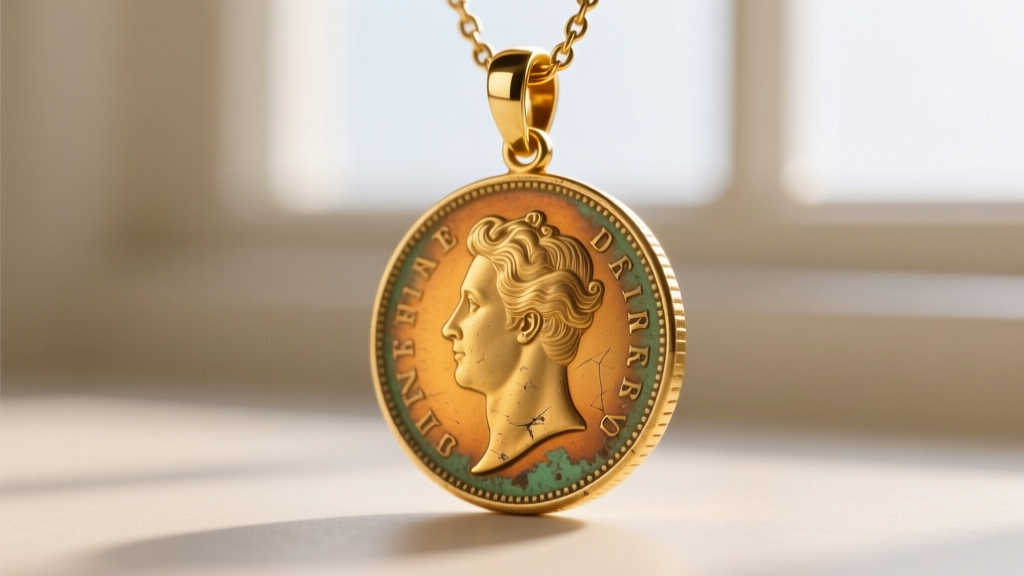
When evaluating estate coin jewelry, you must assess two distinct components: the numismatic authenticity of the coin and the metallurgical integrity of the jewelry mount. Many estate pieces from the 1970s and 1980s were crafted by local jewelers who used excessive heat or harsh soldering techniques, which can permanently alter the coin's surface or diminish its numismatic grade.
Always examine the bezel construction. A high-quality estate mount will utilize a pressure-fit or a meticulously soldered bezel that does not obscure the coin's rim or lettering. Prong mounts, while allowing more light to hit the coin, can scratch the surface if the prongs are pushed too aggressively over the coin's face. Use a 10x jeweler's loupe to inspect the coin's edge for tool marks or solder bleed.
| Coin Type | Era / Origin | Typical Estate Mount | Estimated Estate Price Range | Best Gifting Occasion |
|---|---|---|---|---|
| Roman Bronze | 300 AD - 400 AD | Sterling Silver Bezel | $120 - $250 | Graduation, History Buffs |
| Morgan Silver Dollar | 1878 - 1921 | 14k Yellow Gold Rope | $450 - $900 | Milestone Birthdays |
| British Sovereign | 1817 - 1932 | 18k Yellow Gold Bezel | $800 - $1,400 | Anniversaries, Heirlooms |
| St. Gaudens $20 Gold | 1907 - 1933 | 22k/24k Custom Bezel | $3,200 - $5,500+ | Retirement, Major Legacy |
The Importance of XRF Testing
Because estate jewelry often lacks modern hallmarking standards, verifying the gold purity of the mount is essential. Reputable dealers will use X-Ray Fluorescence (XRF) spectrometry to test the exact karatage of the bezel without damaging the piece. According to the Gemological Institute of America (GIA), non-destructive testing is the gold standard for evaluating mixed-material estate pieces where the intrinsic value of the mount heavily influences the overall price.
Preservation Ethics in Estate Coin Jewelry
One of the most common mistakes new collectors make is attempting to clean an estate coin pendant to make it look "new." In the numismatic world, a coin's patina—the natural toning acquired over decades or centuries—is a vital component of its value and historical character. Harsh chemical dips or abrasive polishing cloths will strip this patina, instantly reducing the coin's grade and market value.
If you are purchasing a piece for a collector, it is highly recommended to seek out coins that have been graded and encapsulated by the Professional Coin Grading Service (PCGS) or the Numismatic Guaranty Company (NGC) prior to being mounted. Some master jewelers create custom, transparent acrylic or sapphire-front bezels that allow the coin to remain in its original graded slab, offering the ultimate protection while still functioning as a wearable pendant. If the coin is raw (ungraded) and already mounted, simply wipe the gold bezel with a soft microfiber cloth and leave the coin's surface entirely untouched.
Styling Numismatic Estate Pieces in 2026
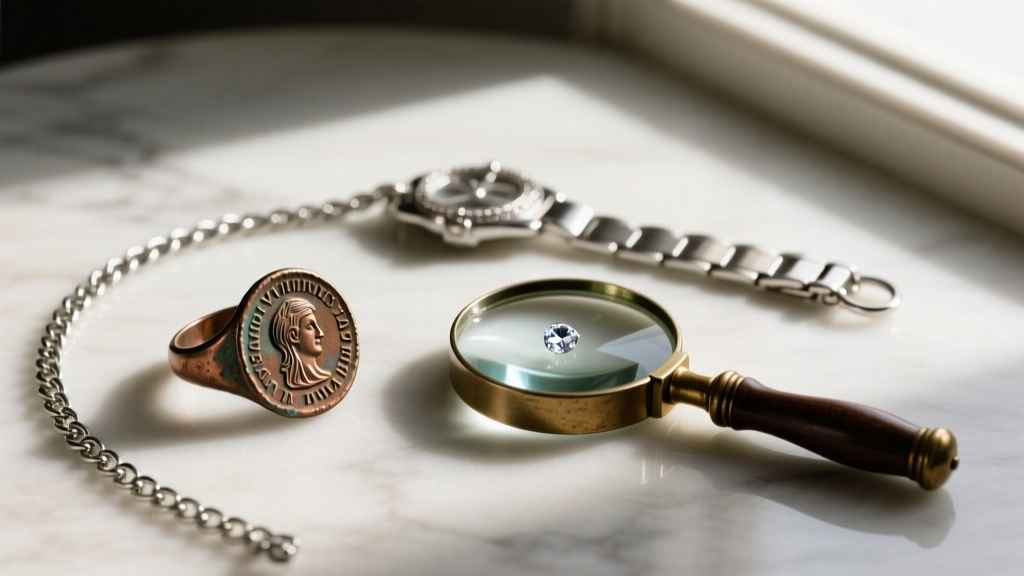
The styling of vintage coin jewelry has shifted dramatically in recent years. The rigid, formal presentation of the 1980s—where a single gold coin hung from a thick rope chain—has been replaced by a more eclectic, layered approach. In 2026, the trend leans heavily into mixed metals and historical juxtaposition.
For a contemporary look, layer a mid-century 14k gold Morgan dollar pendant with a delicate, oxidized sterling silver chain and a smaller, minimalist Roman bronze coin on a shorter choker chain. This creates a cascading timeline effect. Men’s styling has also embraced the rugged aesthetic of estate coin rings, particularly those featuring Indian Head cents or Mercury dimes set into heavy, brushed-finish signet rings. Pairing these with vintage leather accessories, such as repurposed pocket watch fobs, grounds the piece in a distinctly masculine, heritage-inspired wardrobe.
Final Sourcing and Authentication Checklist
Before finalizing your purchase from an estate liquidator or antique dealer, run through this essential checklist to ensure you are gifting a piece of genuine historical and material value:
- Verify the Coin Date and Mint Mark: Use a loupe to check for obscured mint marks (e.g., the 'CC' for Carson City on Morgan dollars), which can exponentially increase the value.
- Inspect the Bail and Jump Ring: Ensure the solder points on the bail (the loop that holds the chain) are solid and show no signs of micro-fractures, especially on heavier gold sovereign mounts.
- Request a Weight Receipt: A proper estate appraisal should list the exact gram weight of the gold mount separately from the coin's weight, ensuring transparency in pricing.
- Check for PVC Damage: If the estate piece was stored in a soft plastic flip for decades, look for green, sticky residue on the coin's surface, which indicates PVC damage that requires professional conservation.
By understanding the deep intersection of numismatics and vintage goldsmithing, you can confidently select a piece of estate coin jewelry that serves not just as a beautiful adornment, but as a wearable, enduring legacy.