Cleaning Vintage Navajo Jewelry Hallmarks And Turquoise Safely
Learn how to clean vintage Navajo jewelry without damaging delicate hallmarks or porous turquoise. Expert care tips for silver patina preservation.

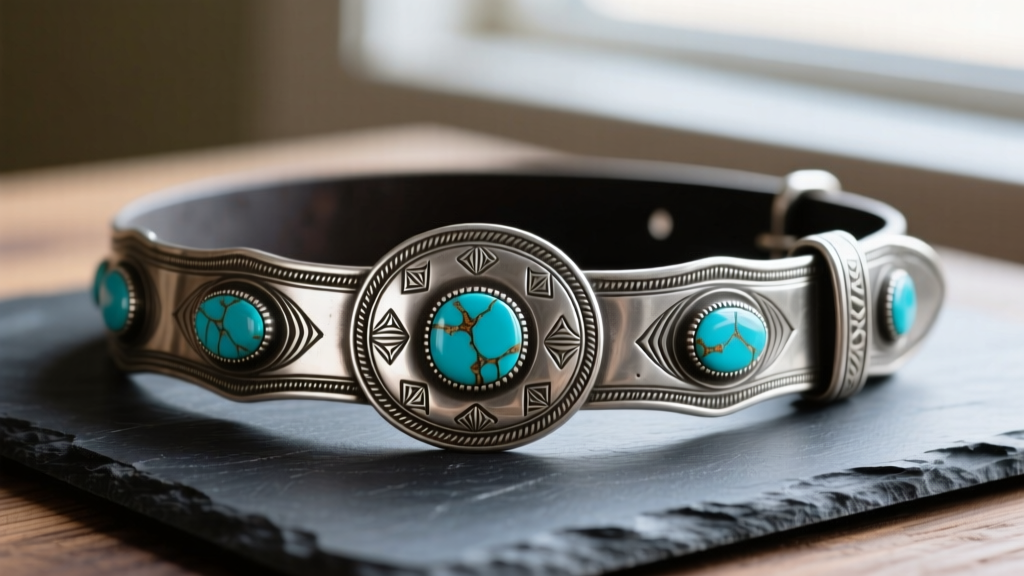
The Intersection of Authentication and Conservation
For collectors and enthusiasts, the allure of Native American silverwork lies not just in its aesthetic beauty, but in its rich historical provenance. When you begin researching vintage Navajo jewelry hallmarks, you quickly realize that these tiny stamped initials, pictographs, and words are the lifeblood of authentication. They tell the story of the silversmith, the era of creation, and the trading post that distributed the piece. However, a major dilemma arises when it comes time to maintain these treasures: how do you clean decades of grime, lotion, and oxidation without erasing the very hallmarks that authenticate and value the piece?
Cleaning vintage Navajo jewelry requires a profound understanding of mid-century metallurgy, stone porosity, and the physics of silver tarnish. Aggressive polishing doesn't just strip away the desirable antique patina; it physically removes microscopic layers of silver. On vintage pieces where hallmarks were stamped with shallow steel dies, over-polishing can obliterate a maker's mark entirely, dropping the piece's value from thousands of dollars to mere scrap weight. This guide provides a meticulous, conservation-grade approach to maintaining your collection.
Identifying Your Silver: Coin vs. Sterling Gauges
Before applying any cleaning solution, you must identify the silver alloy, which is often dictated by the era and the hallmark itself. According to the Indian Arts and Crafts Board (IACB), early Navajo silversmiths (pre-1930s) primarily melted down US and Mexican coins to create their jewelry. This "coin silver" typically contains 90% silver and 10% copper. It is softer, more malleable, and develops a distinct, warm, dark patina over time.
By the late 1930s and 1940s, as trading posts like the Fred Harvey Company began supplying pre-cut sheet silver, the transition to sterling silver (92.5% silver, 7.5% copper) became standard. Sterling is harder and takes a brighter polish, but the copper content makes it highly susceptible to sulfur-induced tarnishing. If your hallmark indicates a mid-century sterling piece (often stamped simply as "STERLING" or with a specific artist's initials like "MH" for Mary Morgan), the silver layer on lightweight vintage cuffs may be less than 1.5 millimeters thick. Machine polishing or heavy rouge application on these thin gauges will wear right through the stamp.
The Cardinal Sins of Navajo Silver Cleaning
To protect both the vintage Navajo jewelry hallmarks and the precious stones they cradle, you must absolutely avoid the following common household cleaning methods. The Smithsonian National Museum of the American Indian advises against harsh chemical interventions for indigenous metalwork.
- Commercial Silver Dips (e.g., Tarn-X): These contain thiourea and hydrochloric acid. They strip tarnish instantly but leave a microscopic pitted surface on the silver that accelerates future tarnishing. More disastrously, if the dip touches porous turquoise, it penetrates the stone's matrix, permanently turning it a sickly green or black.
- The Baking Soda and Aluminum Foil Bath: While popular on the internet, this galvanic reaction transfers silver sulfide from the jewelry to the foil. It strips all patina—including the dark oxidation inside the hallmark stamps that provides the contrast needed to read them. It can also cause spalling (flaking) in treated or stabilized turquoise.
- Ultrasonic Cleaners: The high-frequency vibrations can easily fracture vintage stones, especially natural, untreated turquoise or coral, which often have microscopic internal fissures. It can also loosen the traditional sawtooth bezels used by Navajo smiths to secure the stones.
- Jewelry Polishing Cloths on Stamped Areas: Treated cloths contain mild abrasives. Rubbing them directly over a shallow hallmark acts like fine sandpaper, slowly eroding the raised edges of the stamp.
Step-by-Step: The Safe Cleaning Protocol
Proper maintenance is about removing modern contaminants (skin oils, lotions, dirt) while preserving historical oxidation. Follow this conservation-safe method:
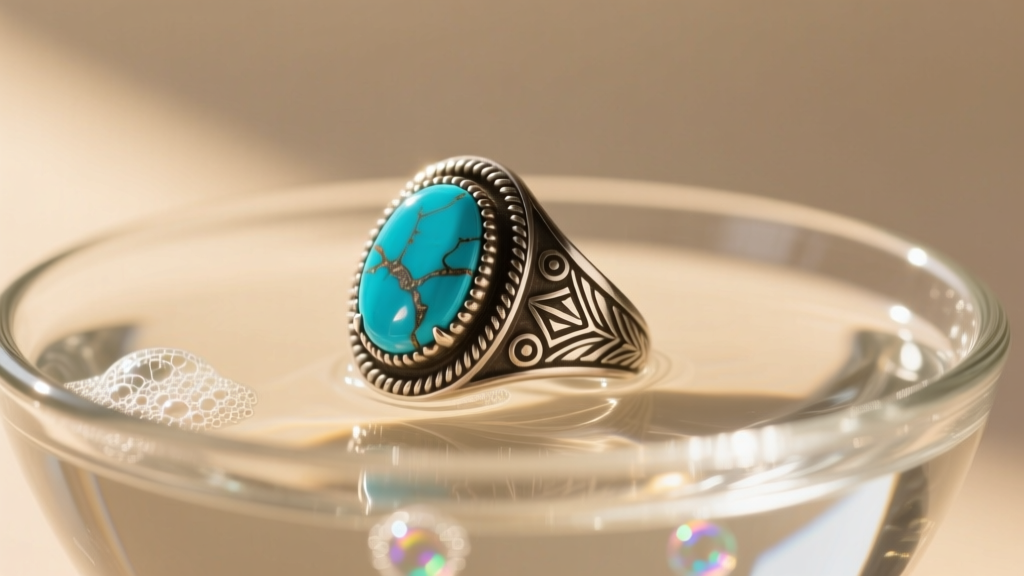
- Prepare a Neutral Bath: Mix a few drops of pH-neutral dish soap (like original blue Dawn) into a bowl of distilled water. Avoid tap water, as the chlorine and minerals can react with the copper in the silver alloy.
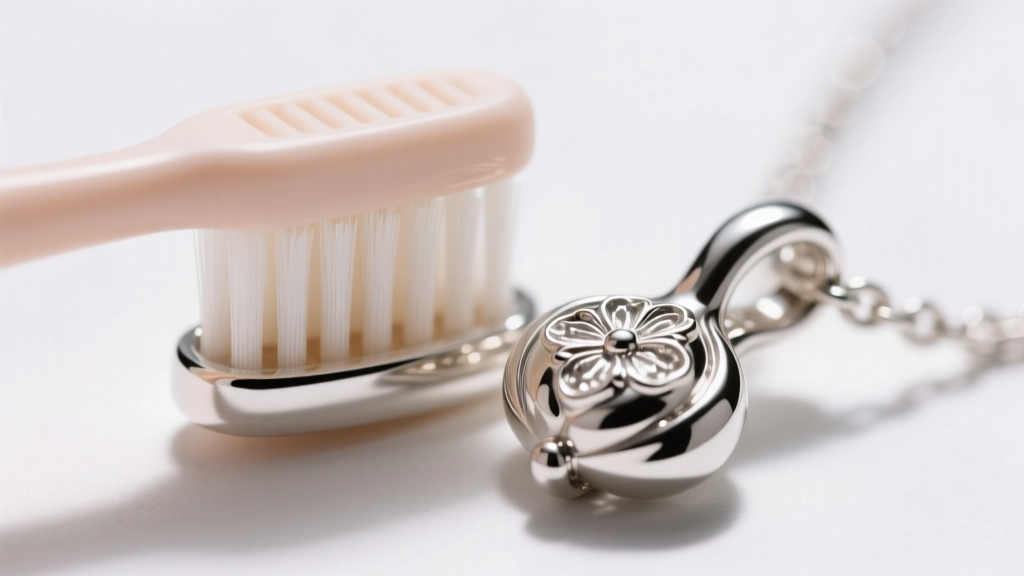
- Targeted Agitation: Dip an extra-soft baby toothbrush into the solution. Gently brush the high-polish areas of the silver and the face of the stones. Do not scrub the crevices or the stamped hallmark areas.
- The Toothpick Technique for Hallmarks: If dirt is impacted inside the hallmark stamp, do not use metal tools. Take a wooden toothpick, dip it in the soapy water, and gently trace the inside of the letters. The wood is softer than silver and will not scratch the stamp's interior walls.
- Rinse and Dry Immediately: Rinse briefly under a slow stream of distilled water. Immediately pat dry with a lint-free microfiber cloth. Use a hair dryer on the "cool" setting to blow moisture out of the bezel settings; trapped moisture under a stone can degrade the backing and cause the turquoise to crack from the inside.
Protecting the Stamp: Micro-Polishing
If the high points of the silver need a shine, use a 100% cotton flannel cloth. Wrap the cloth tightly around your index finger and gently glide it over the raised, smooth surfaces of the cuff or ring. Stop immediately when you approach the recessed areas of the vintage Navajo jewelry hallmarks. The goal is to create a visual contrast: bright, gleaming silver on the high points, and deep, dark, undisturbed patina inside the stamps and stamped borders.
Material-Specific Care Chart
Navajo silversmiths incorporate a variety of organic and inorganic materials. Each requires a distinct approach to ensure the cleaning process does not damage the stone while you attempt to preserve the surrounding silver and hallmarks.
| Material | Porosity & Hardness | Cleaning Restrictions | Maintenance Tip |
|---|---|---|---|
| Natural Turquoise | Highly porous (Mohs 5-6) | Never submerge for long periods; no chemicals or oils. | Wipe with a barely damp cloth. Avoid wearing while applying cosmetics. |
| Red Coral | Organic, sensitive to acids (Mohs 3.5-4) | Avoid all acids, including citrus and vinegar. No ultrasonic. | Polish gently with a dry, soft cloth. Store away from extreme heat. |
| Spiny Oyster Shell | Organic calcium carbonate (Mohs 3.5) | Highly sensitive to prolonged water exposure which can dull the finish. | Keep completely dry. Clean only with a soft, dry jeweler's brush. |
| Jet (Lignite) | Organic fossilized wood (Mohs 2.5-4) | Can absorb oils and become sticky or dull. Avoid solvents. | Rub gently with a drop of mineral oil on a Q-tip once a year to maintain luster. |
Storage and Environmental Controls
Prevention is always superior to intervention. The environment in which you store your vintage Navajo pieces dictates how often they need to be cleaned, which in turn reduces the cumulative wear on the hallmarks. Silver tarnishes primarily due to hydrogen sulfide in the air and high humidity.
Store your collection in a low-humidity environment (ideally between 40-50% relative humidity). Utilize Pacific Silvercloth for wrapping individual pieces; this specialized fabric is embedded with microscopic silver particles that intercept and absorb tarnish-causing gases before they reach your jewelry. Additionally, place 3M Anti-Tarnish strips inside your storage boxes or display cases, replacing them every six months.
"The patina on a vintage Navajo squash blossom or concho belt is a physical record of its age and the environment it has lived in. Stripping a piece to a mirror shine doesn't make it look 'new'; it erases its history and destroys the contrast that makes the silversmith's hallmark legible." — Conservation Guidelines, Heard Museum
By adopting these meticulous, conservation-minded practices, you ensure that the vintage Navajo jewelry hallmarks remain crisp, legible, and intact for the next generation of collectors, while keeping the silver radiant and the turquoise vibrant.


