Antique Cameo Jewelry Buying Guide: Spotting Authentic Carvings
Master the art of collecting antique cameo jewelry. Learn to authenticate shell, lava, and hardstone carvings, identify eras, and value rare profiles.

The Enduring Allure of the Carved Profile
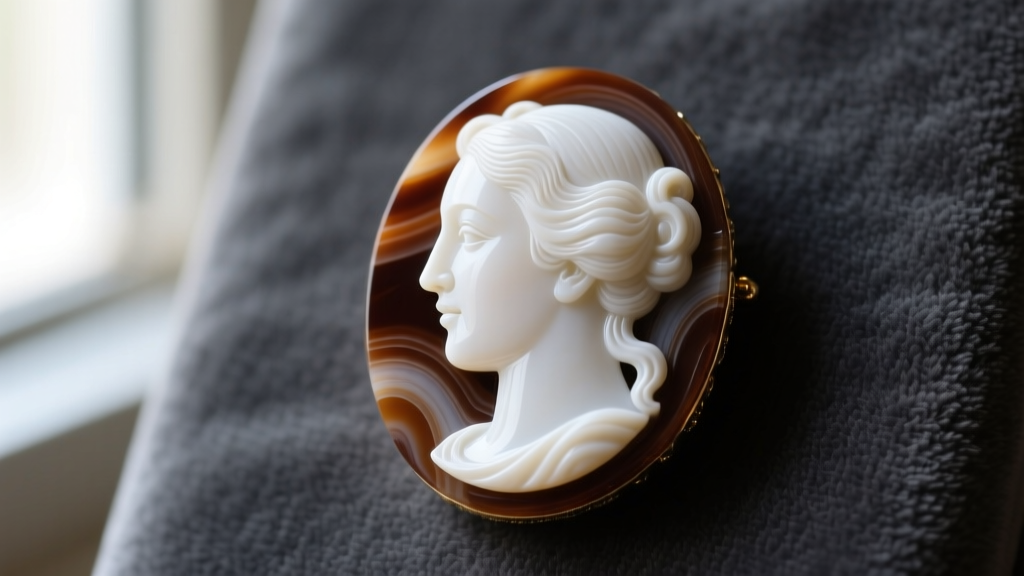
The allure of antique cameo jewelry lies in its tactile history and the sheer mastery required to carve a three-dimensional portrait from layered stone or shell. Originating in the Hellenistic period and popularized during the Roman Empire, cameos experienced a massive resurgence during the 18th and 19th centuries. Today, as collectors and vintage enthusiasts seek out these wearable sculptures, the market is flooded with modern resin replicas, laser-cut imitations, and celluloid fakes. For the serious collector, understanding the nuances of material, era, and carving technique is non-negotiable. This comprehensive buying guide will equip you with the gemological and historical frameworks needed to authenticate and value genuine antique cameo jewelry.
Material Breakdown: Shell, Lava, and Hardstone
The value and authenticity of a cameo are inextricably linked to its base material. According to the Gemological Institute of America (GIA), historical carvers relied on specific organic and inorganic materials that offered natural color banding, allowing the subject to stand out in high relief against a contrasting background.
1. Shell Cameos (Bullmouth and Helmet)
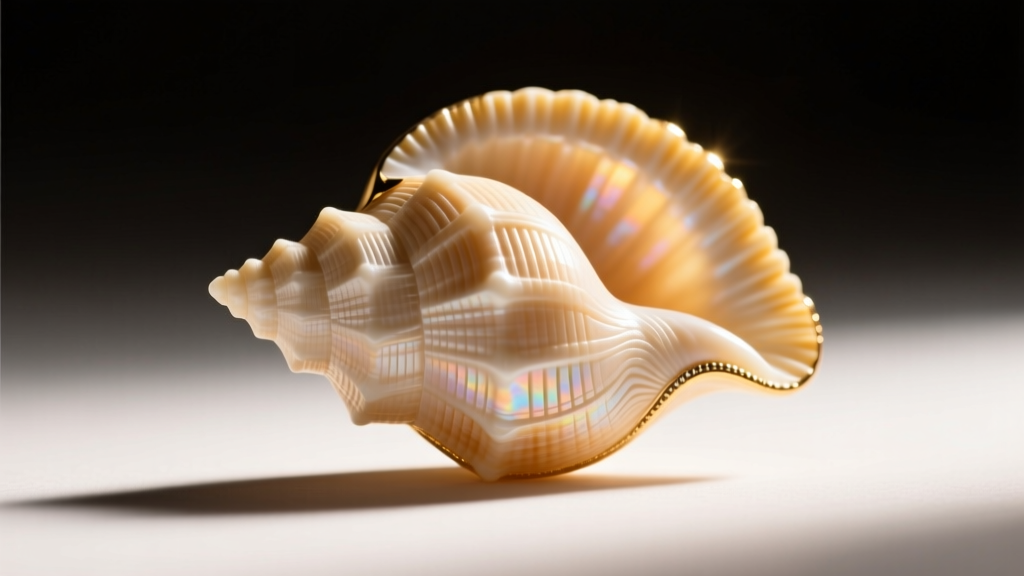
The most common antique cameos are carved from the Cassis rufa (bullmouth) or Cypraecassis rufa (helmet) shells. These shells naturally feature a stark white outer layer over a rich orange, peach, or deep brown interior. Shell is relatively soft (Mohs 2.5 to 3), allowing artisans to carve intricate, delicate details like individual curls of hair and draped fabrics. However, shell is also brittle and prone to drying out and cracking over a century of wear.
2. Lava Cameos (Vesuvian Stone)
Highly prized as souvenirs from the 18th and 19th-century Grand Tour of Italy, lava cameos were carved from the volcanic ash and stone of Mount Vesuvius. They typically feature gray, brown, or pale blue-gray backgrounds with white or cream figures. Lava is highly porous and lightweight. Because of its porous nature, it absorbs oils and skin acids, often darkening unevenly over time if not properly cared for.
3. Hardstone Cameos (Sardonyx, Agate, and Onyx)
The pinnacle of cameo collecting is the hardstone cameo. Sardonyx (a banded variety of chalcedony) and agate boast a Mohs hardness of 6.5 to 7. Carving these stones required diamond-tipped lathes, immense physical effort, and months of labor. Hardstone cameos feature razor-sharp details, deep undercuts, and a glass-like luster that shell and lava cannot replicate. They are significantly rarer and command premium prices at auction.
| Material | Mohs Hardness | Primary Peak Era | Avg. Market Value (Good Condition) | Key Identifier |
|---|---|---|---|---|
| Shell (Cassis rufa) | 2.5 - 3.0 | Victorian (1837-1901) | $150 - $800 | Warm translucency, orange/brown banding |
| Lava (Vesuvian) | 3.5 - 4.0 | Georgian / Grand Tour | $500 - $2,500 | Porous texture, lightweight, matte finish |
| Sardonyx / Agate | 6.5 - 7.0 | Renaissance / Victorian | $1,500 - $15,000+ | Glassy luster, sharp undercuts, cold to touch |
Era Identification: Decoding the Profile and Setting
Dating a cameo requires analyzing both the carving style and the metalwork setting. The Victoria and Albert Museum notes that the aesthetic preferences of different monarchs heavily influenced cameo production.
Victorian Era (1837–1901)
Victorian cameos are characterized by high-relief carving and romantic or mythological subjects. You will frequently see profiles of goddesses, cherubs, and floral motifs. The settings are typically 15k or 18k yellow gold, often featuring ornate Etruscan revival granulation or simple rolled gold frames. Mourning cameos, carved from black onyx or jet, were also prevalent during the latter half of this era following the death of Prince Albert.
Edwardian and Art Deco Eras (1901–1930s)
Edwardian cameos became more delicate, often set in platinum or silver with diamond halos. The profiles were smaller and more refined. By the Art Deco period, geometric frames replaced ornate scrollwork. However, this era also saw the mass production of the first high-quality celluloid and Bakelite cameos, which were molded rather than carved, flooding the market with affordable imitations.
The Authentication Toolkit: Spotting Fakes and Replicas
Distinguishing a hand-carved antique cameo from a modern laser-cut or molded replica is the most critical skill for a buyer. Rely on these three definitive tests:
The Undercut Test (The Ultimate Tell)
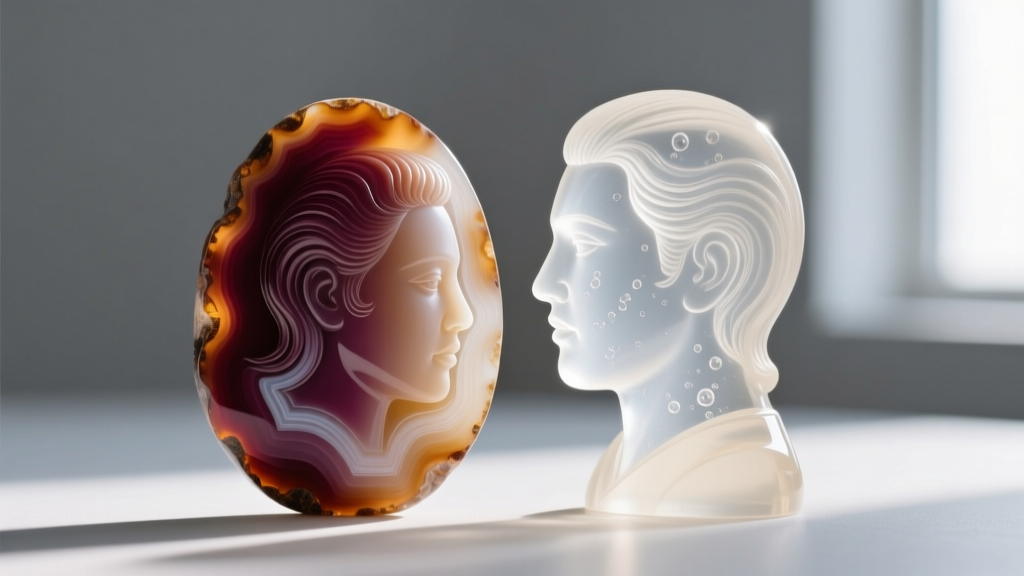
This is the most reliable indicator of hand-carving. An "undercut" occurs when the carver removes material beneath the surface plane, such as tucking a strand of hair behind the neck or carving deeply beneath the chin. Molded plastic or resin cameos cannot have undercuts because the piece would not release from the two-part mold. If you look at the side profile of a cameo and the carving is completely flush with a flat, sloping background, it is almost certainly a molded fake.
The Magnification and Striations Test
Using a 10x jeweler's loupe, examine the background and the edges of the figure. Hand-carved shell and stone will exhibit microscopic, directional tool marks and random striations. Conversely, molded plastic will show a perfectly smooth, glassy surface, or faint concentric circular lines left by the milling machine that created the master mold. Laser-cut cameos will show a uniform, pitted texture and unnaturally sharp, perfectly uniform edges lacking the subtle variations of a human hand.
The Light and Temperature Tests
Hold a shell cameo up to a strong LED light. Genuine shell will exhibit a warm, milky translucency, allowing light to pass through the thinner white layers. Plastic and resin will remain dead opaque or uniformly cloudy. Furthermore, hardstone cameos (agate/onyx) will feel noticeably cold to the touch and take time to warm up in your hand, whereas plastic will immediately match your body temperature.
Valuation Metrics: What Drives the Price?
Not all antique cameos are created equal. When appraising a piece, collectors and auction houses evaluate several specific variables:
- Direction of the Profile: While right-facing profiles are the most common, left-facing profiles are historically rarer and can command a 20% to 30% premium, particularly in Victorian shell cameos.
- Subject Matter: Standard female profiles are abundant. Cameos depicting specific mythological figures (such as Dionysus/Bacchus, Medusa, or Hermes) or historical portraits (like Emperor Augustus or Queen Victoria) are highly sought after and significantly more valuable.
- Condition and Flaws: Hairline cracks in lava cameos or chipped noses and broken hair curls in shell cameos drastically reduce value. However, minor wear to the gold setting or a replaced C-clasp (a common Victorian repair) is acceptable and expected in genuine antiques.
- Depth of Relief: The higher the relief (the further the subject protrudes from the background), the more skilled the carver and the more valuable the piece. Master carvers could achieve relief depths of up to 15 millimeters in large sardonyx stones.
Care and Preservation Protocols
Antique cameos require specialized care to survive another century. Organic materials like shell and lava are highly sensitive to environmental changes.
Expert Insight: Never use ultrasonic cleaners or harsh chemical dips on lava or shell cameos. The high-frequency vibrations can cause microscopic fissures in porous lava stone and shatter brittle, century-old shell layers. Furthermore, commercial silver polishes will strip the natural patina from the carved material.
For routine cleaning, use only a soft, dry brush or a barely damp cloth with distilled water. To prevent shell cameos from drying out and cracking—a phenomenon known as "crazing"—collectors should apply a microscopic drop of pure mineral oil to the carved surface once a year, gently buffing off any excess. Always store antique cameos in a climate-controlled environment, ideally in a soft velvet pouch to prevent the hardstone or metal settings from scratching the softer carved surfaces.
Final Thoughts for the Prospective Buyer
Purchasing antique cameo jewelry is an exercise in historical detective work. By prioritizing the undercut test, understanding the distinct properties of shell versus hardstone, and recognizing the stylistic hallmarks of the Victorian and Edwardian eras, you can build a collection of genuine, museum-quality wearable art. Always buy from reputable dealers who provide transparent provenance and allow for thorough loupe inspection before finalizing your acquisition.


