Expert Care for DeWitt Antique Jewelry & Coin Co Estate Finds
Discover specialized cleaning and maintenance tips for estate coin jewelry and antique metals, inspired by DeWitt Antique Jewelry & Coin Co standards.

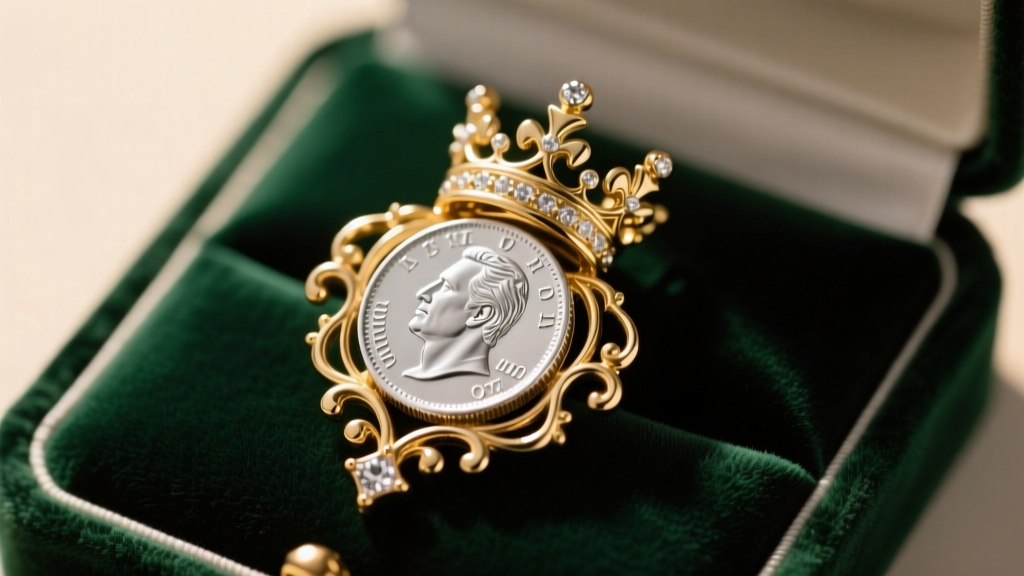
The Intersection of Numismatics and Antique Jewelry
Estate coin jewelry represents a fascinating crossroads where the precise, grade-driven world of numismatics collides with the aesthetic, wear-focused realm of antique adornment. From Victorian sovereign rings and 1920s Peace dollar brooches to ancient Roman denarius pendants, these pieces demand a highly specialized approach to maintenance. When evaluating and preserving such dual-category estate pieces, specialists at institutions like DeWitt Antique Jewelry & Coin Co emphasize a fundamental truth: what benefits the jewelry mount can catastrophically destroy the numismatic value of the coin itself.
As of 2026, the collector market for uncleaned, original-surface numismatic jewelry has surged, with buyers paying steep premiums for pieces that retain their historical toning and patina. Standard jewelry cleaning protocols—ultrasonic baths, silver dips, and aggressive polishing—are not just inappropriate for these items; they are actively destructive. Understanding the metallurgical differences between jewelry alloys and coinage alloys is the first step in preserving these wearable artifacts.
The Golden Rule: Never Polish Numismatic Surfaces
The most common mistake new collectors make when acquiring estate coin jewelry is attempting to 'restore' the coin to a brilliant shine. According to the American Numismatic Association, cleaning a coin can reduce its numismatic value by 50% to 80%, regardless of the historical significance of the piece.
Coin silver, particularly vintage United States coinage, is typically struck in an alloy of 90% silver and 10% copper (900 fine). This differs from standard sterling silver jewelry, which is 92.5% silver. The higher copper content in coin silver makes it highly reactive to sulfur in the atmosphere, forming a layer of silver sulfide known as 'toning' or 'patina.' This toning is a historical record of the coin's environment. Using thiourea-based chemical silver dips (commonly found in commercial tarnish removers) strips this silver sulfide layer instantly. While the coin may appear bright white, the chemical reaction causes micro-pitting on the surface, leaving a flat, dead, and artificially porous finish that experts can easily identify under magnification.
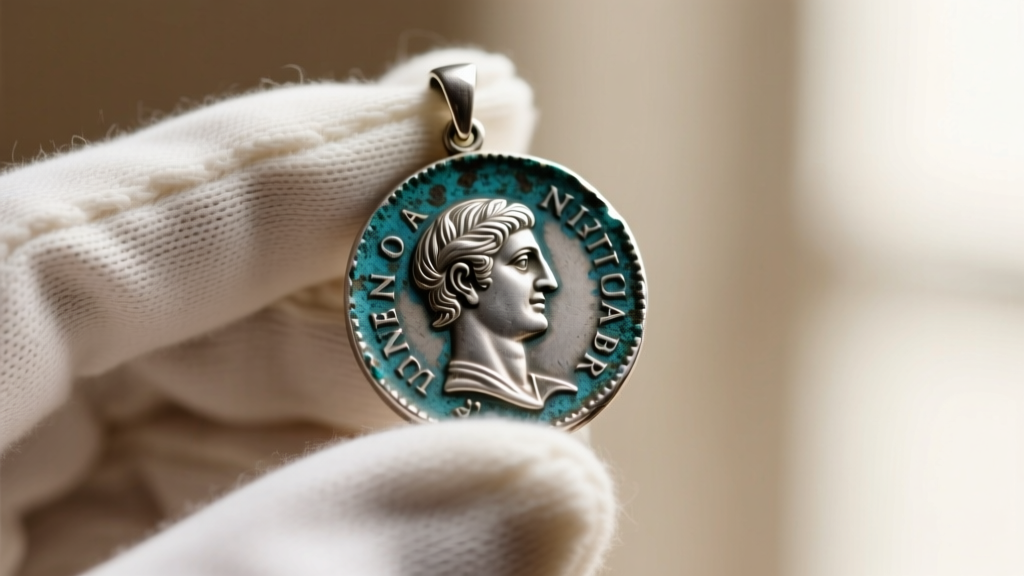
Step-by-Step Cleaning Protocol for Coin Jewelry
When maintaining pieces sourced from specialized dealers like DeWitt Antique Jewelry & Coin Co, the goal is to clean the jewelry mount without compromising the coin. This requires a meticulous, multi-step protocol that isolates the two materials.
1. The Dry Dusting Method
Before introducing any liquids, remove surface debris using a soft, natural-bristle camel-hair brush. Avoid synthetic brushes, which can generate static electricity and micro-scratches on softer, high-karat gold mounts or worn ancient bronze coins. Gently sweep the crevices of the bezel and the jump rings to dislodge trapped skin cells, cosmetic powders, and environmental dust.
2. The Targeted Mount Wash
If the jewelry mount (e.g., a 14k gold rub-over bezel or a silver solder harness) requires degreasing, use a conservation-grade, non-detergent soap such as Orvus WA Paste. Dilute a pea-sized amount in distilled water. Using a micro-swab or a very soft, baby-toothbrush, carefully apply the solution only to the metal mount and the back of the setting. Avoid letting the soapy water pool on the face of the coin. Rinse the mount with a gentle stream of distilled water, ensuring no tap water (which contains chlorine and minerals) touches the piece.
3. Drying and Sealing
Never air-dry antique coin jewelry, as water spots can permanently etch into porous ancient coins or oxidized silver. Use a lint-free microfiber cloth to blot the mount, followed by a blast of cool, dry air from a manual camera lens blower to clear moisture from tight bezel gaps. Once completely dry, apply a micro-thin layer of microcrystalline wax (such as Renaissance Wax) to the jewelry mount to inhibit future tarnish. Do not apply wax to the coin itself, as it can trap moisture and promote 'bronze disease' in copper alloys or obscure the fine details of the strike.
Material-Specific Maintenance Chart
Different eras of coin jewelry utilize vastly different materials. Use the following framework to determine the appropriate maintenance strategy for your specific piece.
| Material / Era | Common Alloys | Safe Cleaning Agent | Primary Risk Factor |
|---|---|---|---|
| Victorian Coin Brooches | 900 Fine Silver, 15k Gold | Dry brush, Orvus Paste on mount | Solder joint failure, patina stripping |
| Ancient Roman/Bronze | Orichalcum, Billon, Bronze | Dry brush only | Chloride-induced 'Bronze Disease' |
| Mid-Century Coin Rings | 90% Silver / 10% Copper | Distilled water rinse | Copper spot formation, rim wear |
| 1970s Diamond Krugerrands | 22k Gold (91.6%), Diamonds | Mild degreaser on diamonds only | Scratching soft 22k gold bezels |
The Danger of Ultrasonic Cleaners
According to research published by the Gemological Institute of America, ultrasonic cleaners operate using high-frequency sound waves (typically 40kHz to 45kHz) that create microscopic cavitation bubbles in liquid. While highly effective for removing grime from modern diamond settings, ultrasonics are notoriously dangerous for antique coin jewelry.
- Solder Fracture: Early 20th-century coin brooches and pendants were often assembled using lead-tin or low-temperature silver solders. The vibrations from an ultrasonic bath can easily shatter these brittle historical joints, causing the coin to fall out of its mount.
- Enamel Destruction: Many Victorian and Edwardian coin pieces feature guilloché or champlevé enamel on the surrounding mount. Ultrasonic cavitation will fracture and flake antique enamel instantly.
- Surface Pitting: If the coin itself is submerged, the cavitation bubbles can implode against the coin's surface, causing microscopic pitting that ruins the mint luster and numismatic grade.
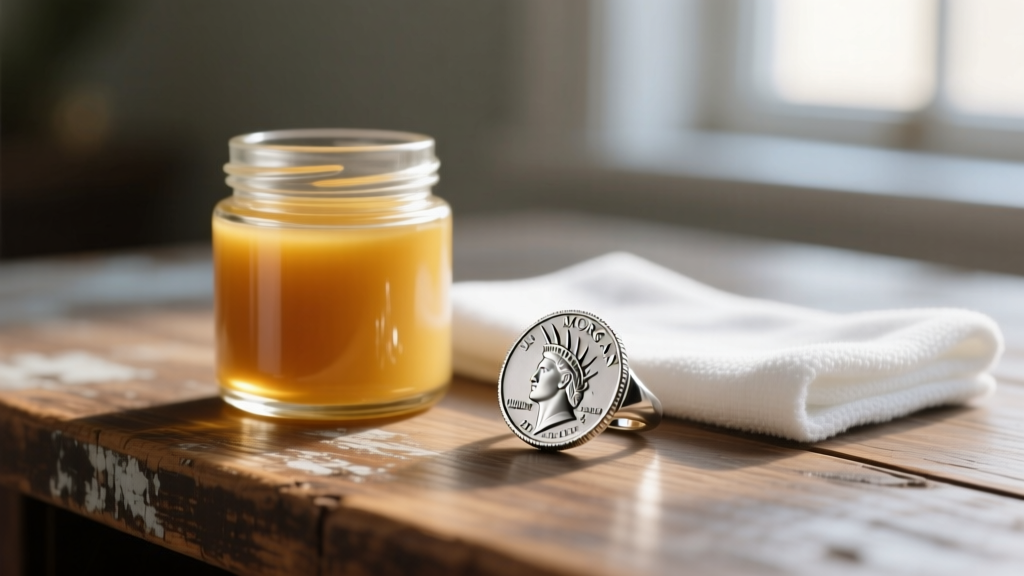
Storing and Preserving Estate Coin Pieces
Proper storage is arguably more critical than cleaning when it comes to preserving the value of estate coin jewelry. The environment in which these pieces are kept dictates the rate of chemical degradation.
Archival Storage Solutions
Never store antique coin jewelry in standard PVC (polyvinyl chloride) plastic bags or commercial jewelry boxes lined with synthetic velvet. PVC off-gasses hydrochloric acid over time, which reacts with the copper in coin silver to form a sticky, green residue that can permanently ruin a coin's surface. Instead, utilize archival-quality, PVC-free polyethylene bags or acid-free tissue paper.
For long-term storage, maintain a relative humidity (RH) level below 40%. High humidity accelerates the formation of silver sulfide and can trigger active corrosion in ancient copper alloys. Place 3M anti-tarnish strips or activated charcoal sachets inside your storage safe or archival box to absorb airborne sulfur compounds. If you are storing a high-value piece, such as a rare 1907 Saint-Gaudens gold coin set in a custom Art Nouveau pendant, consider a sealed display case with an inert argon gas environment to completely halt oxidation.
'The patina on an antique coin is not dirt; it is the physical manifestation of time. When we polish away the toning on a Victorian sovereign brooch, we are erasing a century of history that can never be artificially replicated.' — Conservation Standard, DeWitt Antique Jewelry & Coin Co Archives.
When to Seek Professional Conservation
While routine dusting and careful mount washing can be performed at home, certain scenarios require the intervention of a professional numismatic conservator. If your estate coin jewelry exhibits signs of active 'bronze disease' (a powdery, light-green spotting on ancient copper coins), or if the solder joints securing the coin within its bezel are visibly lifting, cease all cleaning immediately. Attempting to stabilize active chlorides or re-solder antique mounts with modern torches requires specialized metallurgical expertise. By respecting the delicate balance between jewelry aesthetics and numismatic preservation, you ensure that these remarkable pieces of wearable history survive for future generations to study and admire.


