2026 Trend Analysis: Navigating The Estate Coin & Jewelry Galleria
Discover 2026 trends in numismatic jewelry. Learn how to evaluate, authenticate, and invest in pieces from a premier estate coin & jewelry galleria.

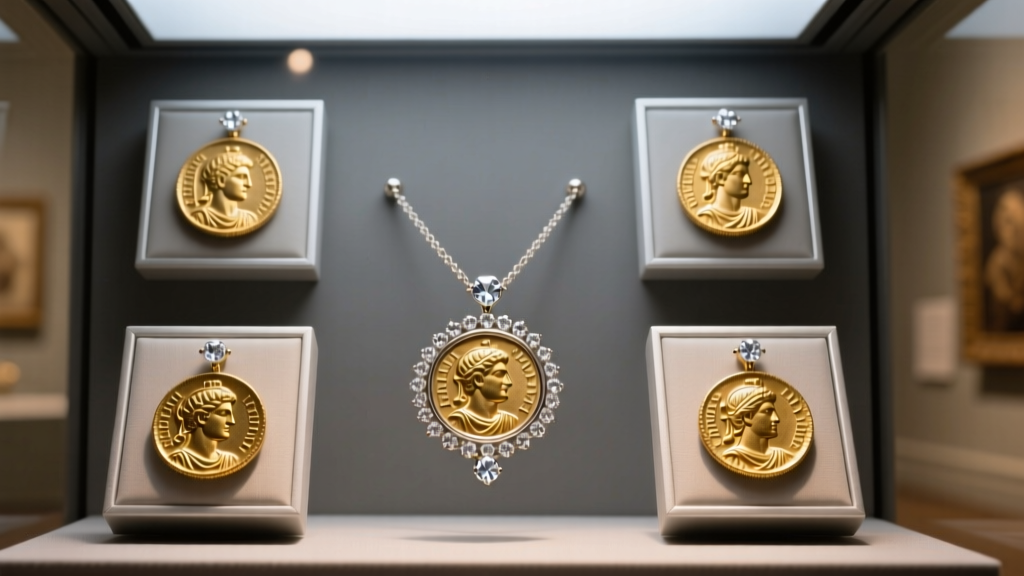
The intersection of historical antiquities and wearable luxury has reached a pivotal moment in 2026. As collectors and fashion-forward investors seek tangible assets that hedge against market volatility, the modern estate coin & jewelry galleria has evolved from a niche curiosity shop into a premier destination for high-net-worth acquisition. No longer just a place to pawn inherited silver, today's top-tier gallerias operate as hybrid institutions, merging the rigorous authentication standards of numismatics with the gemological expertise of high jewelry houses.
For the discerning buyer, understanding how to navigate these specialized spaces is critical. The market is currently flooded with both genuine historical artifacts and mass-produced "ancient-style" replicas. This comprehensive style and trend analysis will decode the 2026 landscape of numismatic jewelry, providing you with the actionable frameworks needed to source, authenticate, and value wearable history.
The Convergence of Numismatics and High Jewelry
In 2026, the concept of "wearable wealth" has shifted away from purely brand-driven luxury (like standard designer logos) toward pieces with intrinsic historical and material value. An elite estate coin & jewelry galleria capitalizes on this by offering dual-asset pieces: a historically significant coin paired with a precious metal and gemstone mount. The appeal is rooted in diversification. You are simultaneously holding a graded numismatic artifact and a piece of fine jewelry.
According to data tracked by the American Numismatic Association (ANA), the demand for ancient and vintage coins set in custom, non-destructive jewelry mounts has seen a 34% year-over-year increase among millennial and Gen Z collectors. These demographics prioritize unique provenance and storytelling over traditional diamond solitaires. Consequently, gallerias are adapting their curation strategies, focusing heavily on Roman denarii, Byzantine solidi, and Victorian-era gold sovereigns encased in ethically sourced 18-karat gold and platinum settings.
What Defines a Premier Estate Coin & Jewelry Galleria?
Not every vintage shop qualifies as a true galleria. When conducting your style and trend analysis of local or international dealers, you must look for a strict adherence to dual-discipline authentication. A legitimate estate coin & jewelry galleria will provide documentation that addresses both the coin and the mount independently.
The Triple-Authentication Standard
Before making a significant acquisition, ensure the galleria provides or facilitates the following verifications:
- Numismatic Grading: The coin should be authenticated by a recognized authority such as the Professional Coin Grading Service (PCGS) or the Numismatic Guaranty Company (NGC). For ancient coins, look for certifications from David Sear or NGC Ancients.
- Gemological Certification: Any accompanying diamonds or colored gemstones must be graded by the Gemological Institute of America (GIA) or a equivalent international lab, detailing the 4Cs and any treatment indications.
- Metallurgical Assay: The mount should be stamped and verified for its precious metal content (e.g., 750 for 18k gold, 950 for platinum), with independent XRF (X-ray fluorescence) testing available upon request for high-value estate pieces.
Top Numismatic Jewelry Categories Dominating 2026
Walking into a premier estate coin & jewelry galleria this year, you will notice distinct trends in which historical eras are being prioritized for jewelry conversion. The focus is on coins that offer high visual contrast, durable metallurgy, and recognizable iconography.
Ancient Roman & Greek Silver and Gold
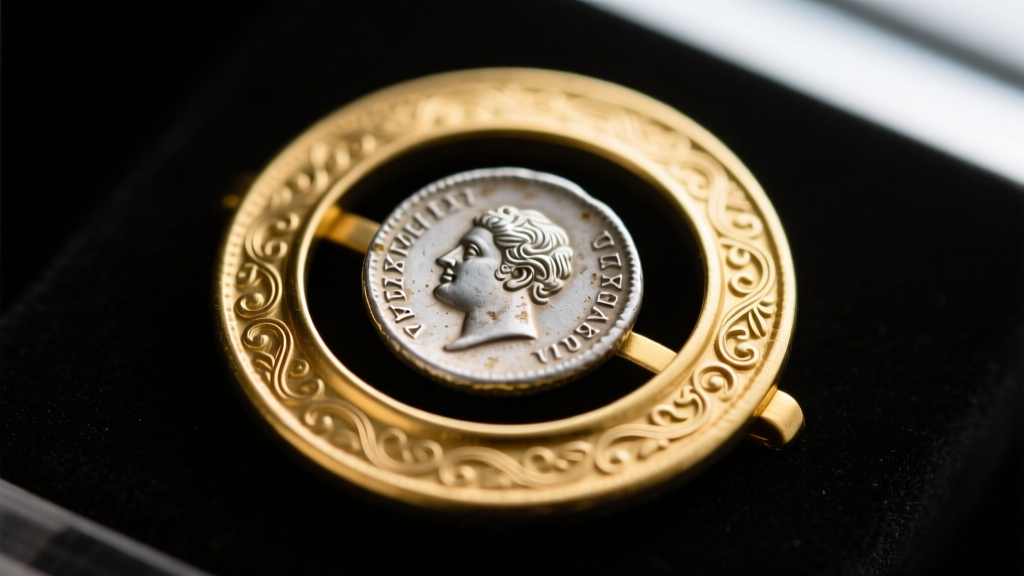
The Roman Denarius (typically 18-20mm in diameter, struck in high-grade silver) remains the undisputed king of ancient coin jewelry. In 2026, the trend is to set these in minimalist, matte-finished 18k yellow gold bezels that allow the dark, tonal patina of the silver to contrast sharply with the warm gold. Greek silver drachmas and tetradrachms, featuring high-relief portraits of Athena or Alexander the Great, are highly sought after for statement pendants. Gold aurei and solidi are rarer, usually reserved for bespoke, high-security halo mounts featuring micro-pavé diamond accents.
Victorian & Edwardian Sovereign Mounts
British gold sovereigns (22k gold, weighing exactly 7.98 grams) offer a highly liquid, globally recognized asset. The current style trend favors original Victorian-era ornate mounts—featuring intricate millegrain edges and old European cut diamonds—over modern, mass-produced bezels. Collectors are actively hunting for estate pieces where the original 19th-century mount has survived intact, as this adds a "craftsmanship premium" to the overall valuation.
Mid-Century Latin American Gold Pesos
For buyers seeking pure bullion weight combined with bold, mid-century retro aesthetics, the Mexican 50 Peso Centenario and the South American gold onza series are trending heavily. These large-format coins (often 37mm or larger) are being repurposed into heavy, architectural pendants and oversized signet rings, appealing to a gender-neutral, avant-garde fashion demographic.
| Category | Coin Type | Mount Style | Primary Value Driver | Avg. Premium Over Melt |
|---|---|---|---|---|
| Investment Grade | PCGS/NGC Slabbed Ancients | Custom Pressure-Fit Platinum | Numismatic Rarity & Grade | 40% - 150%+ |
| Collector Grade | Raw Victorian Sovereigns | Antique 18k Gold & Diamond | Estate Provenance & Mount | 25% - 60% |
| Fashion Grade | Common Date Bullion | Modern 14k Gold Bezel | Gold Melt Weight | 10% - 20% |
Sourcing Strategy: The Critical Importance of the Mount
The most crucial piece of actionable advice for anyone buying from an estate coin & jewelry galleria is understanding how the coin is secured within its setting. The mounting technique directly dictates whether the piece is a sound numismatic investment or merely a decorative trinket.
The Golden Rule: Never Buy Soldered Coins
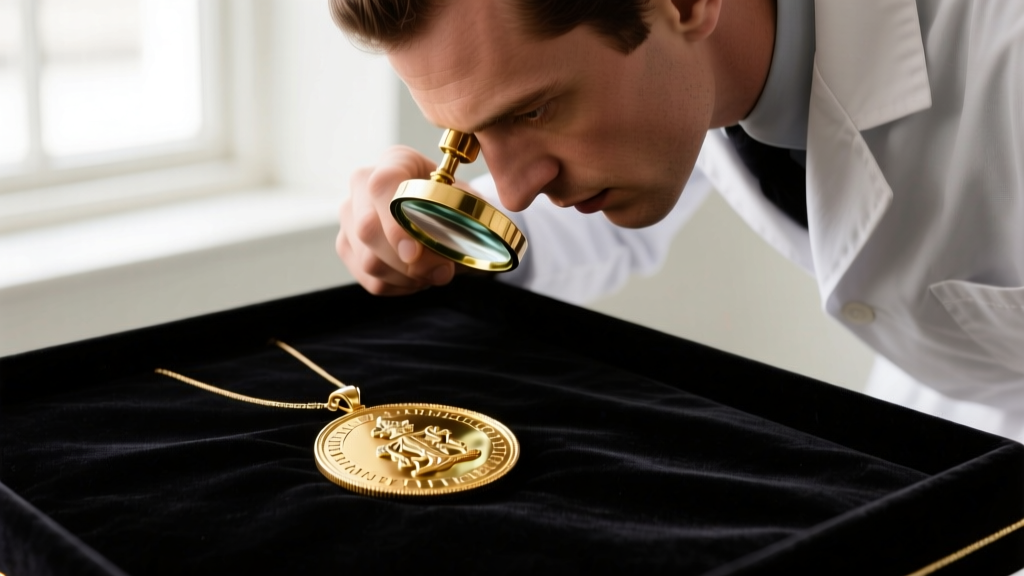
In the mid-20th century, it was common practice for jewelers to solder a gold loop or bezel directly onto the edge or surface of a coin. This is a catastrophic failure mode for numismatic value. Soldering introduces foreign metals (like lead or zinc from the solder) and alters the coin's surface, instantly downgrading it from a collectible artifact to mere scrap melt value. When inspecting a piece at a galleria, use a 10x jeweler's loupe to examine the junction where the gold meets the coin. You should see a clean, mechanical separation.
Pressure-Fit Bezels and Custom Halos
Modern and high-end estate mounts utilize a pressure-fit bezel or a custom-machined halo. The coin sits in a precisely measured recess, and the outer lip of the gold or platinum is gently burnished over the very edge of the coin's rim (the denticles) to hold it in place. This secures the coin firmly for daily wear without applying adhesives, drilling holes, or introducing heat. When negotiating at an estate coin & jewelry galleria, always ask the dealer to explain the mounting mechanism; their ability to articulate the non-destructive nature of the bezel is a strong indicator of their expertise.
"A true numismatic jewel preserves the artifact's history. The moment a torch touches a Roman denarius, you haven't made jewelry; you've destroyed a two-thousand-year-old document." — Master Jeweler & Numismatist, 2026 Guild Symposium.
Valuation Metrics: Beyond the Melt Value
To accurately assess pricing at an estate coin & jewelry galleria, you must deconstruct the piece into three distinct value components. Never accept a single, lump-sum appraisal without understanding the underlying math.
- The Intrinsic Melt Value: Calculate the exact scrap value of the gold or platinum mount based on the current daily spot price, minus a standard 10-15% refining fee. For the coin itself, calculate its specific precious metal content (e.g., a British Sovereign contains exactly 0.2354 troy ounces of pure gold).
- The Numismatic Premium: Consult recent auction hammer prices for the specific coin in its exact grade. A common-date Roman denarius in "Fine" condition might carry a $150 premium, while a rare mint-mark error in "Extremely Fine" condition could command $2,500 or more.
- The Craftsmanship & Estate Multiplier: If the mount is a standard, modern casting, add a flat fabrication fee ($150-$300). However, if the piece is a verified Victorian or Art Deco estate mount with high-quality old-cut diamonds, the mount itself carries an antique jewelry premium, often adding 30% to 50% to the total baseline value.
By mastering this tripartite valuation framework, you transform from a passive shopper into an informed collector. The estate coin & jewelry galleria is no longer just a retail space; it is a treasure hunt where knowledge is your most valuable currency. As 2026 progresses, the integration of historical artifacts into daily luxury wear will only deepen, making these specialized gallerias essential waypoints for the modern connoisseur.


