The Ultimate Guide to Buying Antique Eisenberg Jewelry
Discover how to authenticate, value, and buy antique Eisenberg jewelry. Learn hallmark identification, crystal grading, and fair market pricing.

The "Antique" Misnomer: Understanding the Timeline
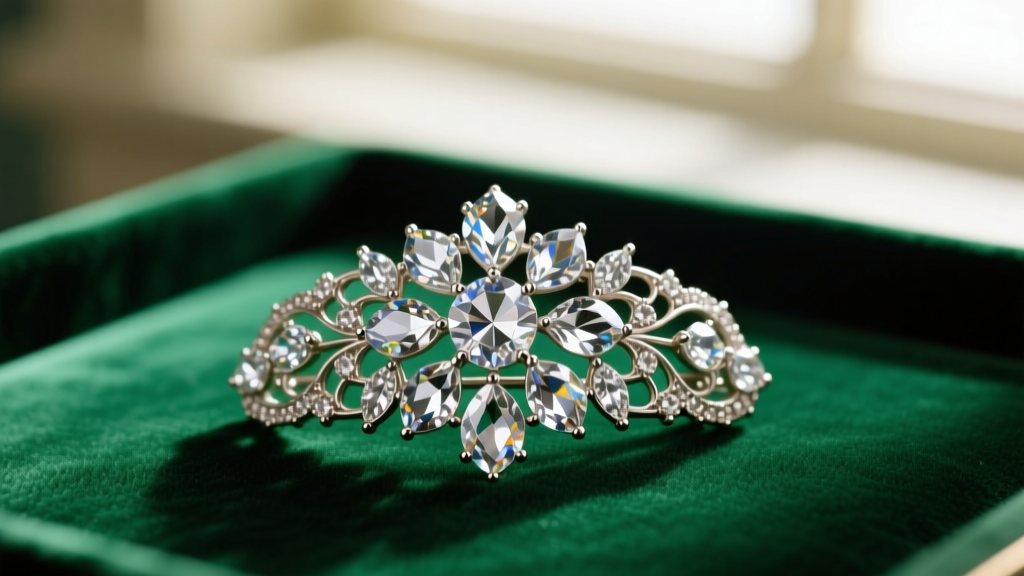
When collectors search for antique eisenberg jewelry, they are often looking for the breathtaking, high-quality costume pieces produced during the 1930s and 1940s. However, as any seasoned gemologist or vintage appraiser will tell you, the term "antique" strictly applies to items that are at least 100 years old. Because the Eisenberg company began producing jewelry in the late 1930s, their earliest pieces are technically classified as "vintage" rather than antique. Yet, the search intent remains the same: buyers want the heavy, luxurious, pre-1950s masterpieces that rival fine jewelry in their craftsmanship and brilliance.
Eisenberg & Sons originally started as a high-end women's clothing line in Chicago in 1914. To accessorize their garments, they commissioned elaborate, oversized crystal jewelry. The pieces were so wildly popular that customers began stealing the jewelry right off the mannequins, prompting the company to transition into a dedicated jewelry manufacturer by 1940. Understanding this timeline is critical when evaluating provenance, as the era of production dictates the materials, hallmarks, and ultimate market value of the piece you are considering.
Decoding Eisenberg Hallmarks and Signatures
Authentication is the cornerstone of buying vintage costume jewelry. Forgers frequently cast modern replicas using inferior base metals and glued glass stones. To ensure you are acquiring genuine vintage pieces, you must scrutinize the hallmarks. According to the Vintage Fashion Guild, Eisenberg's signatures evolved significantly over the decades, providing a reliable roadmap for dating your finds.
| Era | Signature / Mark | Format Details | Collector Rarity |
|---|---|---|---|
| 1930s | Unmarked | Originally attached via foil labels to clothing; surviving standalone pieces lack metal stamps. | Extremely High |
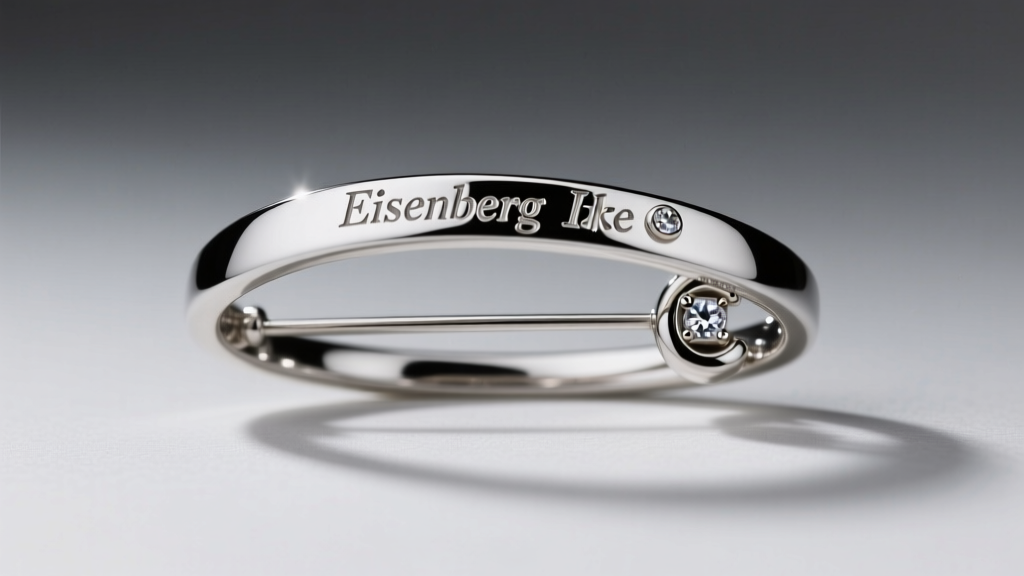
| 1940–1958 | Eisenberg Original | Stamped in script or block letters on the reverse; sometimes accompanied by a paper tag. | High |
| 1958–1970s | Eisenberg Ice | Stamped or engraved; reflects a shift to slightly smaller, more refined designs. | Moderate |
| 1970s+ | E | A simple block letter "E" stamped into the metal. | Low |
Material Analysis: Crystals, Metals, and Plating
The primary reason collectors seek out early Eisenberg pieces is the uncompromising quality of the materials. Unlike many mid-century competitors who relied on glued rhinestones and cheap pot metal, Eisenberg demanded excellence.
The Swarovski and Hirshmann Connection
Eisenberg sourced the finest leaded crystals available, primarily from Swarovski in Austria and Hirshmann in Czechoslovakia. These stones are characterized by their exceptional clarity, precise faceting, and brilliant light refraction. Look for complex cuts like marquise, baguette, and chaton. A genuine 1940s piece will feature stones that are meticulously prong-set by hand. If you inspect a piece and notice adhesive residue or stones sitting flat in a glued channel, walk away—it is either a later reproduction or a heavily compromised original.
Wartime Sterling vs. Base Metals
One of the most fascinating aspects of collecting this brand is the impact of World War II on production. Between 1943 and 1946, base metals were strictly rationed for the war effort. Consequently, Eisenberg crafted their jewelry in sterling silver. These highly coveted pieces are stamped with both the "Eisenberg Original" mark and a "Sterling" designation. Following the war, the company returned to using high-quality white metal alloys heavily plated in rhodium to mimic the cool, untarnished look of platinum and white gold.
Critical Inspection: What to Look For Before Buying
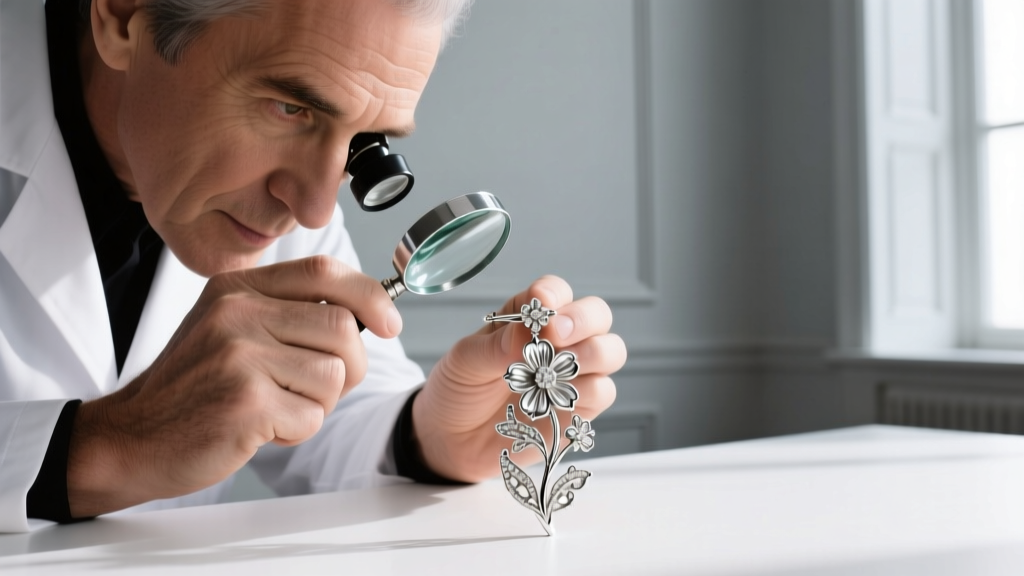
When evaluating antique eisenberg jewelry at estate sales, auctions, or online marketplaces, condition is everything. Use a jeweler's loupe to conduct a thorough inspection, paying special attention to the following failure modes:
- Prong Integrity: Run a piece of soft silk or cotton over the stone settings. If it snags, the prongs are bent or lifted. Re-tipping prongs on vintage costume jewelry is difficult and expensive, often requiring a specialist who understands soft white metals.
- Clasp Mechanics: 1940s brooches typically feature simple "C-clasps" or double-prong fur clips. The invention of the roll-over safety clasp did not become standard until the late 1950s. If a purported 1940s "Original" features a modern safety clasp, it has either been repaired (lowering its value) or is a later "Ice" era piece.
- Rhodium Wear (Brassing):strong> Inspect the high-contact areas of the metal. If the bright, silvery rhodium plating has worn away to reveal a yellowish or brassy base metal underneath, the piece suffers from "brassing." While some patina is acceptable, heavy brassing significantly reduces market value.
- Replaced Stones: Because Eisenberg used specific Austrian and Czech cuts, a missing stone replaced with a modern acrylic or lower-grade glass rhinestone will stand out under UV light or magnification due to differences in faceting and lead content.
Market Valuation: Pricing Tiers in 2026
The vintage jewelry market has seen steady appreciation, driven by a renewed interest in Old Hollywood glamour and sustainable fashion. Based on recent auction data and insights from Collectors Weekly, here is a realistic pricing framework for authentic pieces in excellent condition:
| Piece Category | Era / Mark | Estimated 2026 Market Value |
|---|---|---|
| Standard Floral Brooches | Eisenberg Ice (1960s) | $120 – $350 |
| Heavy Crystal Fur Clips | Eisenberg Original (1940s) | $450 – $1,200 |
| Sterling Silver Necklaces | Wartime Sterling (1943-1946) | $900 – $2,800+ |
| Rare Figural / Enamel Pieces | Original or Ice | $1,500 – $4,500+ |
Collector's Tip: Figural pieces, such as the famous Eisenberg Ice Skater or the intricate Mermaid brooches, command massive premiums. However, they are also the most frequently counterfeited. Always demand high-resolution macro photos of the hallmarks and stone settings before purchasing figural pieces online.
Final Verdict: Building an Investment-Grade Collection
Acquiring authentic vintage and so-called antique Eisenberg jewelry requires a discerning eye and a solid understanding of mid-century manufacturing techniques. By focusing on the heavy, prong-set "Originals" from the 1940s, verifying the presence of correct period clasps, and ensuring the rhodium plating remains intact, you can build a collection that not only sparkles with historical significance but also holds robust financial value. For further education on identifying vintage construction methods, the Lang Antiques University offers excellent resources on clasp evolution and metal plating history. Happy hunting, and always let the quality of the crystals guide your hand.


