Best Estate Jewelry Co Picks: 2026 Anniversary Gift Guide
Discover the ultimate 2026 anniversary gift guide. Learn how to navigate a premier estate jewelry co for Art Deco, Victorian, and Retro milestone pieces.

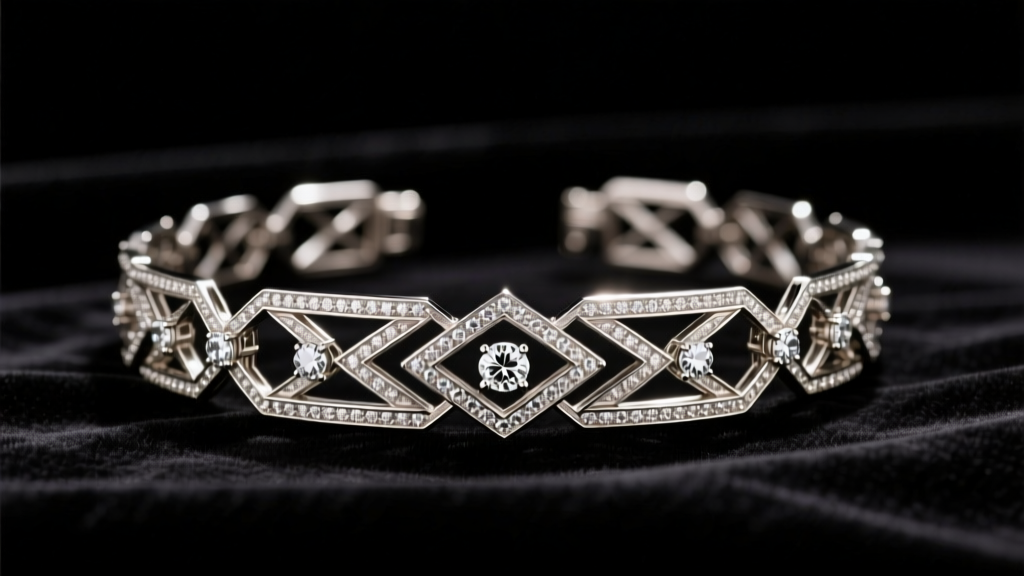
Gifting vintage and antique jewelry transforms a standard milestone into a deeply personal, historically rich experience. As we move through 2026, discerning collectors and romantic partners alike are turning away from mass-produced mall jewelry, opting instead for the unparalleled craftsmanship of the past. However, navigating the secondary market requires a strategic approach. Partnering with a reputable estate jewelry co is not just about access to inventory; it is about securing verified provenance, authenticated hallmarks, and museum-quality condition reports. Whether you are commemorating a 10th anniversary or a golden 50th, this comprehensive guide breaks down exactly how to match historical eras to modern milestones, complete with metallurgical specifics and valuation frameworks.
Decoding Milestones: Era-to-Anniversary Matching Framework
Traditional anniversary gift lists provide a thematic baseline, but an expert-level estate jewelry co can help you translate these themes into rare, investment-grade historical pieces. Here is how to map specific eras to traditional milestone materials.
10th Anniversary (Tin/Aluminum): The Art Deco Platinum & Mixed Metal Era
The traditional 10th-anniversary gifts are tin or aluminum, representing durability and flexibility. In the realm of estate jewelry, this translates perfectly to the experimental mixed-metal work of the 1920s and early 1930s. While platinum (typically 900pt or 950pt) dominated the Art Deco era, avant-garde jewelers occasionally incorporated aluminum or white gold alloys to create striking, lightweight geometric contrasts. When browsing an estate jewelry co, look for Art Deco filigree bar pins or sautoir necklaces that feature platinum front-plates backed by 14K white gold or early aluminum alloys. Expect to pay between $2,800 and $6,500 for high-quality, unaltered pieces featuring calibré-cut synthetic sapphires (historically accurate to the era) and old European cut diamonds.
25th Anniversary (Silver): Victorian 925 Sterling & Enamel Mastery
Silver is the undisputed king of the 25th anniversary. The Victorian era (1837–1901) offers some of the most intricate silverwork in history, particularly following the 1854 Hallmarking Act which standardized silver purity marks. Seek out Scottish agate silver jewelry, characterized by its vibrant banded agates set in 925 sterling silver, or Niello silver pieces featuring a striking black sulfur-silver alloy inlay. A premier estate jewelry co will often carry 'Mizpah' silver lockets or repousse silver chatelaines. According to the Victoria and Albert Museum, Victorian silver was often heavily oxidized intentionally to highlight the depth of repousse floral motifs. Budget $1,200 to $4,000 for exceptional, hallmarked Victorian silver necklaces and brooches.
50th Anniversary (Gold): Retro 14K/18K Gold & Gemstone Cocktail Rings
The 50th anniversary demands gold, and no era celebrates gold quite like the Retro period (1935–1950). Driven by World War II restrictions that made platinum scarce, jewelers pivoted to massive, three-dimensional 14K and 18K rose and yellow gold designs. Look for 'Tank' bracelets inspired by military tread, or gaspipe chain link necklaces. Because diamonds were heavily restricted during the war, Retro gold pieces frequently feature large, vibrant semi-precious stones like citrine, amethyst, and aquamarine, alongside synthetic rubies. A specialized estate jewelry co will verify that the gold is original and that the spring ring clasps have not been replaced with modern lobster claws, which severely devalues the piece.
The Buyer’s Checklist: Vetting an Estate Jewelry Co
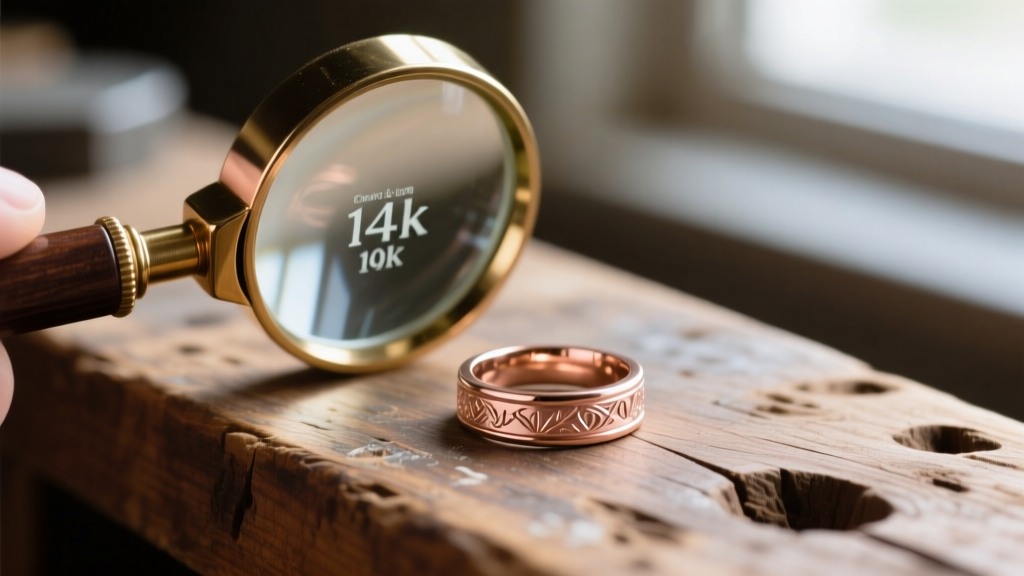
Not all dealers are created equal. When evaluating an estate jewelry co for a high-stakes anniversary gift, demand transparency across the following technical and ethical vectors:
- Gemological Certification: Ensure the company employs GIA (Gemological Institute of America) Graduate Gemologists. The GIA Gem Encyclopedia remains the gold standard for identifying period-specific synthetic vs. natural stones, which is critical for Art Deco and Retro pieces.
- Provenance Documentation: High-end estate companies should provide a dossier detailing the piece's history, previous auction appearances, or original maker's marks (e.g., Boucheron, Cartier, or Tiffany & Co.).
- Condition Reports: Request macro-photography of the prongs, gallery wire, and clasps. For Victorian pieces, ensure the dealer discloses any 're-foiling' (replacing the reflective metal backing behind closed-set garnets or topaz).
- Return and Resizing Policies: Antique shanks are often thin and brittle. A reputable dealer will offer in-house laser welding for resizing, which prevents the thermal shock and porosity associated with traditional torch soldering on antique gold.
Investment & Pricing Matrix: What to Expect in 2026
The vintage jewelry market has seen significant shifts in valuation over the last few years. Below is a current pricing matrix to help you benchmark offers from your chosen estate jewelry co.
| Era | Primary Metals & Purity | Key Identifying Features | 2026 Entry Price Range | Investment Grade Price Range |
|---|---|---|---|---|
| Georgian (1714-1837) | 18K Gold, Silver-topped Gold | Foil-backed stones, cannetille work, closed-back settings | $3,500 - $8,000 | $15,000 - $60,000+ |
| Victorian (1837-1901) | 925 Silver, 15K/18K Gold | Mourning jet, banded agate, repousse, serpent motifs | $800 - $2,500 | $5,000 - $25,000 |
| Art Deco (1920-1935) | 900pt/950pt Platinum, 18K White Gold | Milgrain edges, calibré-cut gems, geometric filigree | $2,500 - $7,000 | $12,000 - $100,000+ |
| Retro (1935-1950) | 14K/18K Rose & Yellow Gold | Tank bracelets, invisible settings, massive cocktail rings | $1,800 - $4,500 | $8,000 - $35,000 |
Styling & Gifting: Archival Presentation and Care
Archival Packaging and Presentation
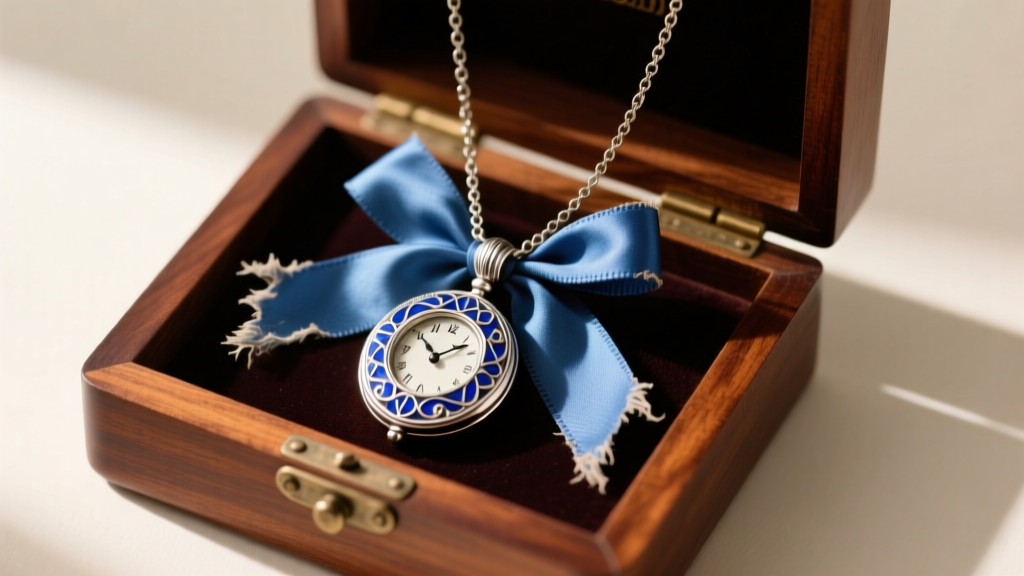
Presentation is paramount when gifting estate jewelry. Avoid modern, chemically treated velvet boxes that can emit sulfur gases, which rapidly tarnish antique sterling silver and react with copper alloys in rose gold. Instead, request that the estate jewelry co package the piece in an archival, acid-free box lined with unbleached cotton or Pacific Silvercloth. For an added touch of historical romance, source a period-appropriate antique leather or mahogany valet box from a separate antiquities dealer to house the piece.
Specialized Insurance and Ongoing Care
Standard homeowner's insurance policies rarely cover the full replacement value of authenticated antique jewelry, as they often depreciate items based on modern mass-market equivalents. Secure a specialized jewelry insurance policy through providers like Jewelers Mutual or Chubb, utilizing a recent appraisal from an ASA (American Society of Appraisers) certified professional. Furthermore, include a strict care guide with your gift: warn the recipient to never use ultrasonic cleaners on Georgian or early Victorian jewelry, as the high-frequency vibrations will shatter foil-backed stones and dissolve the historic shellac used to secure early gem settings. Gentle cleaning with a soft baby toothbrush, lukewarm water, and a drop of mild, phosphate-free dish soap is the only safe method for these irreplaceable treasures.
Ultimately, selecting a piece from a trusted estate jewelry co is an exercise in storytelling. You are not merely gifting metal and stone; you are gifting a survivor of history, a piece of wearable art that has already witnessed decades of human experience and is now ready to anchor the next chapter of your own.


