The Ultimate 2026 Gift Guide to Vintage Jewelry Boxes
Discover the perfect vintage jewelry boxes for every occasion in our 2026 gift guide. Learn about eras, wood types, and archival lining tips.

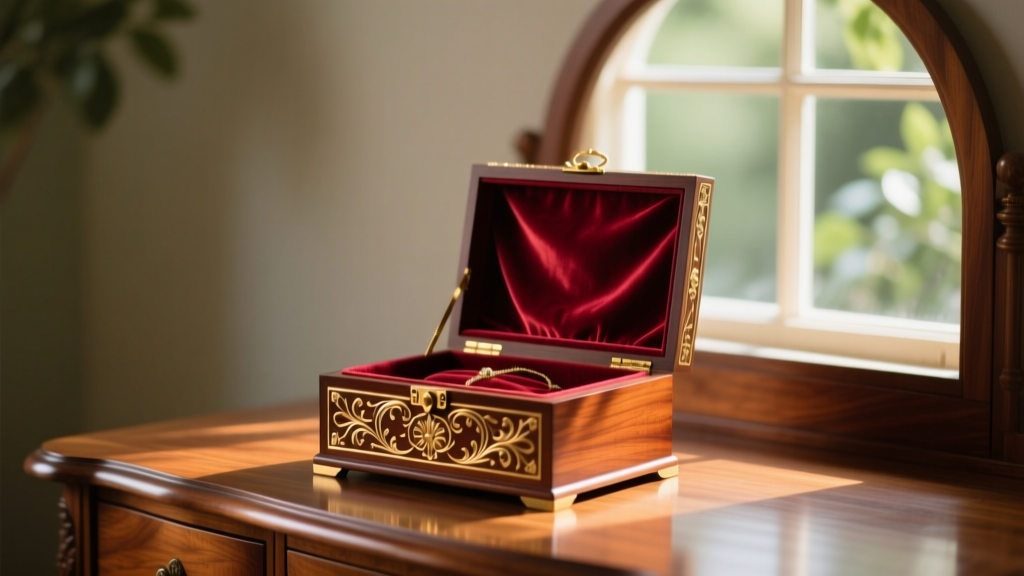
Gifting a piece of fine jewelry is a timeless gesture, but gifting the home for that jewelry elevates the present into an heirloom experience. In 2026, as collectors and enthusiasts increasingly prioritize sustainable, history-rich accessories over mass-produced modern alternatives, vintage jewelry boxes have emerged as one of the most thoughtful and sophisticated gifts available. Whether you are shopping for a serious antique jewelry collector, a bride-to-be, or someone celebrating a major milestone, an antique or vintage box offers a masterclass in craftsmanship, secret compartments, and historical charm.
However, navigating the secondary market for antique storage requires more than just an eye for aesthetics. From the acidic off-gassing of mid-century synthetic linings to the fragile marquetry of Georgian campaign boxes, selecting the right vessel demands specialized knowledge. This comprehensive guide will walk you through era-matching, occasion-based gifting, and the critical conservation details that separate a thoughtful gift from a costly mistake.
The Anatomy of an Antique Jewelry Box
Before selecting a box, it is essential to understand the terminology and materials that define these historical pieces. The value and utility of vintage jewelry boxes are dictated by their exterior craftsmanship and interior engineering.
- Boulle Work: A highly prized technique popularized in the 17th and 18th centuries, featuring intricate marquetry of tortoiseshell, brass, and pewter. Boxes featuring genuine Boulle work are museum-quality investments.
- Tunbridge Ware: Originating from Tunbridge Wells in Kent, England, this Victorian-era craft involves micro-mosaic parquetry made from dozens of different natural wood shades, often depicting local landmarks or floral motifs.
- Campaign Boxes: Designed for travel during the British Empire's expansion, these leather-bound boxes feature brass corner caps, heavy-duty hinges, and nested, removable compartments designed to survive rough transit.
- The Escutcheon and Stay Chains: The escutcheon is the decorative brass or silver plate surrounding the keyhole. High-end antique boxes will also feature braided silk or leather stay chains to protect the hinges from over-extension when the heavy lid is opened.
Era-Matching Guide: Pairing the Box with the Collection
A cardinal rule of gifting vintage jewelry boxes is to match the era of the box to the recipient's primary collection. A sleek Art Deco diamond ring looks entirely out of place in a rustic Victorian walnut box. Use this 2026 market guide to align the vessel with the jewelry.
| Era | Defining Materials | Ideal Jewelry Match | 2026 Market Value |
|---|---|---|---|
| Georgian (1714-1837) | Tortoiseshell, brass, leather, parchment | Paste gems, foil-backed rings, cameos, mourning hair jewelry | $1,200 - $4,500+ |
| Victorian (1837-1901) | Burl walnut, Tunbridge ware, rosewood, velvet | Seed pearl parures, lockets, jet, enamel mourning pieces | $150 - $850 |
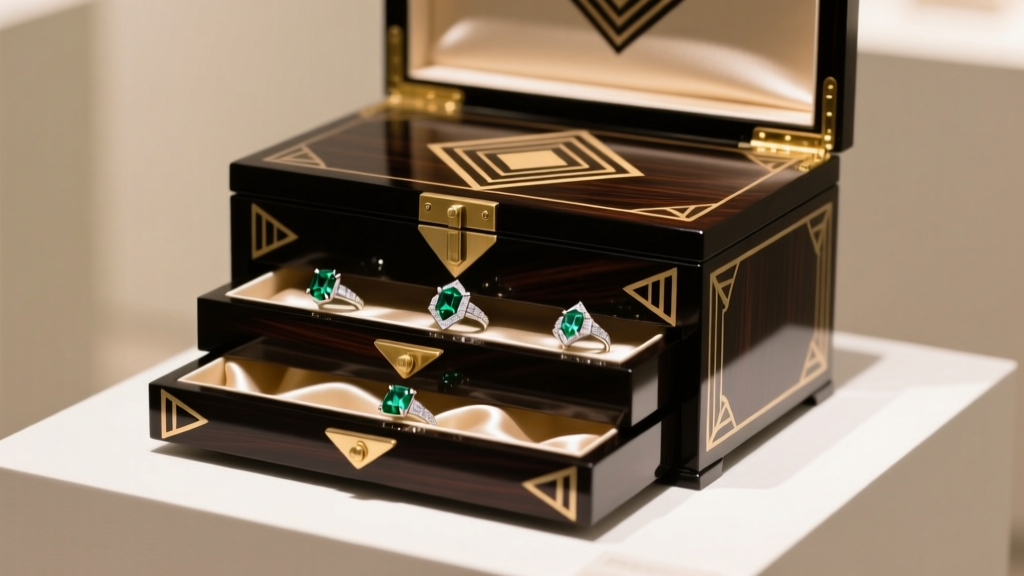
| Art Deco (1920-1939) | Macassar ebony, Bakelite, shagreen, silk | Geometric diamond cuts, carved jade, onyx, platinum filigree | $350 - $1,800 |
| Mid-Century (1950s-60s) | Teak, rosewood veneer, glass, mirrored tops | Retro gold, chunky turquoise, charm bracelets, cocktail rings | $80 - $300 |
Occasion Matching: Which Box for Which Milestone?
The emotional weight of the occasion should dictate the style, size, and functionality of the box you choose to gift.
The 50th Anniversary: The Heirloom Campaign Box
For a golden anniversary, you are celebrating endurance and legacy. A Georgian or early Victorian leather-bound campaign box is the ultimate symbolic gift. These boxes were literally built to survive generations of travel and wear. Look for boxes with original brass carrying handles and intact interior mirror frames. They provide ample space for a couple's combined lifetime of acquisitions, from wedding bands to anniversary diamonds.
The Engagement or Bridal Shower: The Sweetheart Box
Victorian 'sweetheart' boxes—often heart-shaped, crafted from pressed paper-mâché, or featuring intricate mother-of-pearl inlay—are deeply romantic. Alternatively, an Art Deco vanity case with a working mirror and dedicated lipstick/comb compartments serves as a glamorous, functional gift for a bride preparing for her honeymoon.
The Serious Collector's Milestone: The Tunbridge Ware Masterpiece
If the recipient is a dedicated horologist or antique ring collector, a large, multi-tiered Tunbridge Ware box is a masterstroke. The intricate wood mosaics demonstrate a level of patience and artistry that mirrors the meticulous nature of serious collecting.
The Conservator's Warning: Acidic Linings and Tarnish
Here is where many well-meaning gift-givers make a catastrophic error. The interior lining of a vintage jewelry box is just as important as its exterior wood. If you are gifting a box to someone who collects silver, pearls, or organic gems, you must be hyper-aware of the lining materials.
'Never store pearls or silver in vintage boxes with original mid-century synthetic linings without consulting a conservator. The off-gassing can cause irreversible damage to organic nacre and accelerate silver sulfide tarnishing.'
During the mid-20th century, manufacturers frequently used early polyurethane foams, cellulose acetate, and chemically treated synthetic velvets. As these materials degrade, they release volatile organic compounds (VOCs) and sulfur gases. According to the Gemological Institute of America (GIA), pearls are highly susceptible to acidic environments, which can dull their luster and pit their surfaces. Similarly, sulfur off-gassing will cause sterling silver to turn black almost overnight.
The Archival Solution
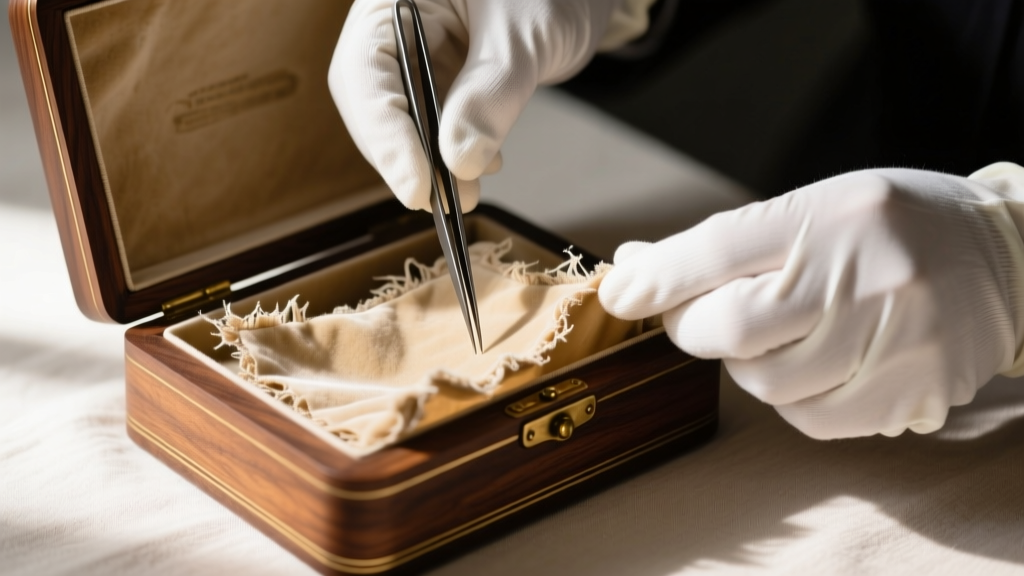
If you purchase a stunning 1950s teak box but suspect the lining is compromised, the most thoughtful gift you can offer is a professional archival restoration. Have a conservator replace the degraded fabric with Oddy-tested, acid-free materials such as unbleached cotton, Tyvek, or archival-grade suede. The Victoria and Albert Museum's conservation guidelines heavily emphasize the use of inert, non-off-gassing materials for the long-term storage of precious metals and organic gems. Gifting a vintage box with a freshly installed, museum-grade interior shows a profound level of care and expertise.
2026 Sourcing & Authentication Checklist
When shopping on estates, auction houses, or specialized antique platforms, run through this physical inspection checklist to ensure you are buying a quality piece:
- The Hinge Test: Inspect the hinge pins. High-quality antique boxes use solid brass pins. If you see rust or magnetic attraction, the hinges are likely later steel replacements, which significantly lowers the value.
- The Veneer Tap: Gently tap the wooden exterior with your knuckle. A solid, dull thud indicates healthy wood. A hollow, papery sound suggests the veneer has delaminated from the substrate due to fluctuating humidity—a common issue with 19th-century rosewood.
- The Lock Mechanism: Original keys are a major value-adder. Test the lock gently. If the escutcheon is loose or the lock feels gritty, it may require servicing by a specialist locksmith. Never force an antique lock.
- The Olfactory Check: Open the box and smell the interior. A faint scent of aged wood, cedar, or lavender is normal and desirable. A sharp, musty, or chemical odor indicates active mildew or degrading synthetic foams that will require expensive professional remediation.
- The Secret Compartment: Many Victorian and Georgian boxes feature hidden glove compartments or false bottoms activated by pressing a specific velvet pad or pulling a drawer past its natural stop. Check for these mechanical delights—they add immense charm and value.
Final Thoughts on Presentation
Gifting vintage jewelry boxes is about more than just providing storage; it is about passing the torch of stewardship. By carefully matching the historical era of the box to the recipient's collection, and by ensuring the interior environment is chemically safe for their treasures, you are providing a gift that will protect their most cherished memories for another century. In 2026, as we look for more meaningful, sustainable ways to celebrate our loved ones, the antique jewelry box remains an unmatched gesture of elegance and foresight.


