Is Antique Avon Jewelry Real? A Beginner's Valuation Guide
Discover the truth about antique Avon jewelry. Learn how to date, authenticate, and value vintage Avon pieces with our beginner guide.

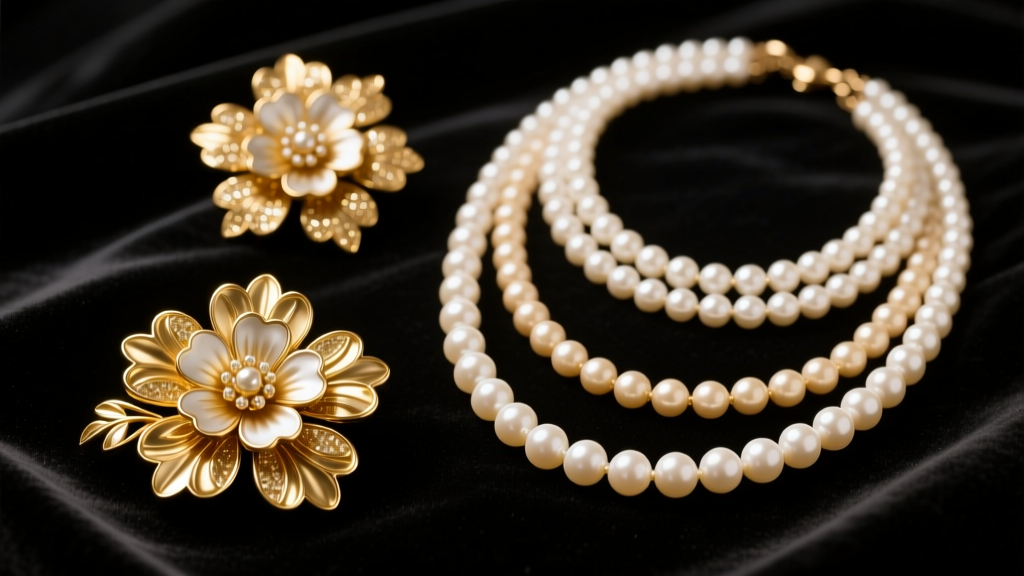
If you have recently inherited a family collection or stumbled upon a velvet-lined box at an estate sale, you might be wondering about the value of what is commonly searched as antique Avon jewelry. As a beginner stepping into the world of vintage accessories, navigating maker's marks, material grades, and market pricing can feel overwhelming. However, collecting Avon pieces offers a fascinating glimpse into late-20th-century American fashion history.
In this comprehensive beginner-friendly explainer, we will debunk the most common myths surrounding Avon's timeline, teach you how to authenticate specific eras, and provide a concrete valuation framework to help you understand what your pieces are actually worth in today's market.
The Great Misconception: "Antique" vs. "Vintage" Avon
Before diving into valuation, we must address a critical terminology error that plagues beginner collectors. True antique Avon jewelry does not exist. By definition, an antique must be at least 100 years old. While the company's origins date back to 1886 when David H. McConnell founded the California Perfume Company, the brand did not officially adopt the name "Avon" until 1939. More importantly, according to Avon's Official Heritage Timeline, the company did not introduce its first jewelry collection until 1971.
Therefore, any piece of Avon jewelry you encounter is technically vintage (typically defined as 20 to 99 years old) or modern retro, not antique. When you see listings for "antique Avon jewelry" on auction sites, it is usually a misnomer used by sellers trying to inflate the perceived value of 1970s or 1980s costume pieces.
Decoding the Maker's Marks: How to Authenticate
Identifying genuine Avon pieces requires a keen eye for the company's evolving maker's marks. According to the Lang Antiques University, costume jewelry marks are your best indicator of age and authenticity. Here is a breakdown of the most common stamps you will find on the clasps, earring posts, or reverse sides of brooches:
- "AVON" (Block Letters): Used primarily in the early 1970s. These early pieces are highly sought after because they often overlap with high-quality manufacturing partners.
- "©AVON" (Copyright Symbol): Introduced in the mid-to-late 1970s to protect their designs from overseas knockoffs. This is the most common mark you will encounter.
- "A" (Stylized): A minimalist stamp used on smaller items like ring bands or earring posts where space was limited, prevalent in the 1980s.
- "AVON BRASS CO." or "AVON CO.": Found on slightly heavier, more substantial base-metal pieces from the late 1970s and early 1980s.
- Paper Tags: Be aware that many early 1970s Avon pieces were not stamped at all. Instead, they featured glued-on paper foil tags that read "AVON." If the tag has worn away, the piece may appear unmarked.
Material Realities and Manufacturing Partners
To accurately value Avon jewelry, you must understand its metallurgy. Avon was primarily a costume jewelry brand. The vast majority of their catalog was constructed from base metals (such as brass, pewter, or pot metal) and finished with gold electroplating or silver washing. The gemstones are almost exclusively glass rhinestones, lucite, carved resin, or faux pearls made from coated glass beads.
The "Secret" High-End Collaborations
Here is an insider secret that separates novice collectors from seasoned experts: in the 1970s, Avon contracted legendary high-end costume jewelry manufacturers to produce their early lines. If you can identify a piece manufactured by Trifari, Kramer, or Ciner for Avon, the value increases significantly. These pieces often feature superior aurora borealis (AB) glass rhinestones, thicker gold plating, and intricate pave settings that rival fine jewelry.
The Sterling Silver Exceptions
While 95% of Avon's output is base metal, the company did release specific high-end lines in the late 1980s and 1990s marked "AVON STERLING" or "925". These pieces, often featuring genuine semi-precious stones like amethyst, onyx, or turquoise, carry a premium based on their intrinsic silver weight and gemstone quality.
Valuation Framework: What Are Your Pieces Worth?
Pricing vintage Avon jewelry requires a realistic understanding of the current collector's market. Because Avon produced millions of pieces via direct sales representatives, the market is heavily saturated. However, specific eras and conditions command higher prices. Below is a structured valuation guide based on current 2026 market trends:
| Era / Line | Key Identifiers | Average Market Value | Collector Demand |
|---|---|---|---|
| Early 1970s (First Editions) | Block "AVON" mark, paper tags, Trifari/Kramer craftsmanship | $45 – $125+ | High |
| Late 70s - 80s (Costume Boom) | ©AVON mark, large rhinestones, bold gold-tone statement pieces | $15 – $35 | Moderate |
| 90s - Y2K (Mass Market) | Minimalist designs, "A" mark, lightweight base metals | $5 – $12 | Low |
| Avon Sterling / Gemstone | Stamped "925" or "AVON STERLING", genuine stones | $40 – $90 (Melt + Gem) | Moderate to High |
| New-in-Box (NIB) Vintage Sets | Original 1970s/80s packaging, velvet pouches, untouched tags | $75 – $200+ | Very High |
Condition and Flaws: The Dealbreakers
When evaluating a piece of vintage Avon jewelry for purchase or resale, condition is the ultimate arbiter of price. Costume jewelry is highly susceptible to environmental degradation. Before buying, inspect the piece for these three common failure modes:
- Rhinestone Foil Degradation: Turn the piece over and look at the back of the glass stones. If the silver or gold foil backing has turned black, gray, or cloudy, the stone has "gone dead" and lost its sparkle. This reduces the value by at least 50%.
- Pot Metal Rot (Zinc Pest): Many 1980s Avon pieces were cast from cheap zinc alloys. Over time, exposure to humidity causes the metal to crack, pit, or crumble from the inside out. If you see deep pitting or structural cracking on a brooch pin or clasp, the piece is structurally compromised and virtually worthless to serious collectors.
- Faux Pearl Peeling: Avon used beautiful glass-based faux pearls in their 1970s lines. However, the pearlescent coating often flakes or peels away over decades of wear. A necklace with peeling pearls is considered "parts only" and is valued at under $5.
Where to Buy and Sell Safely
If you are looking to acquire high-quality 1970s Avon pieces, your best hunting grounds are dedicated online platforms. The Spruce Crafts recommends utilizing advanced search filters on sites like Etsy and eBay. Search specifically for "1970s Avon Trifari" or "Avon First Edition" to filter out the mass-produced 1990s inventory.
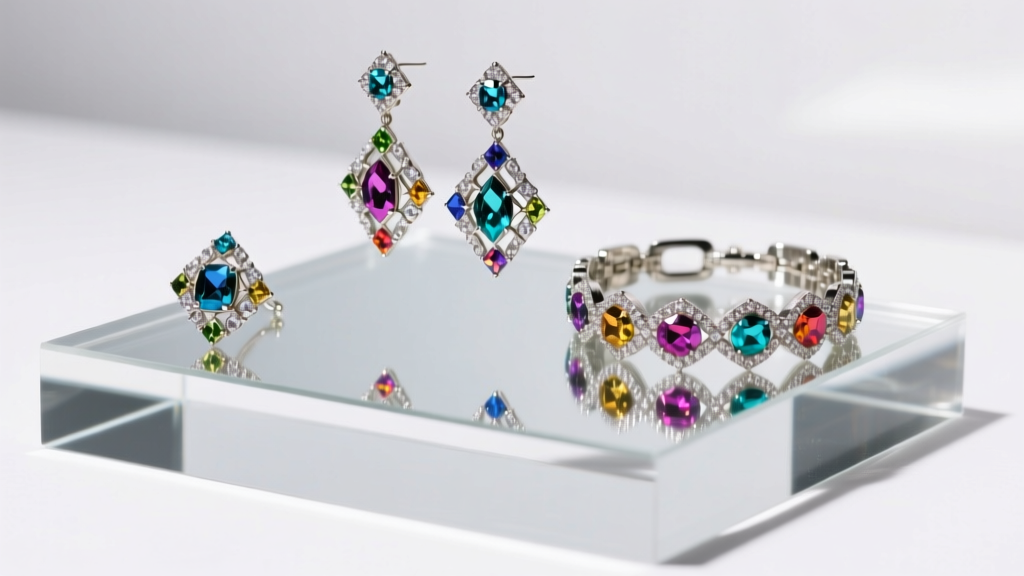
For selling, avoid local pawn shops, as they generally do not buy base-metal costume jewelry. Instead, group your pieces into "curated vintage lots" on eBay or Depop. Grouping a matching necklace, bracelet, and earring set from the 1980s will often yield a higher return than selling the items individually, as buyers are looking for complete, ready-to-wear vintage aesthetics.
Final Thoughts for the Beginner Collector
While the search term "antique Avon jewelry" is historically inaccurate, the hunt for vintage Avon pieces remains a thrilling and accessible entry point into the world of jewelry collecting. By focusing on the 1970s First Edition lines, understanding the nuances of the maker's marks, and rigorously inspecting for material degradation, you can build a stunning, historically significant collection without the fine-jewelry price tag. Armed with this valuation framework, you are now ready to navigate estate sales and online auctions with the confidence of a seasoned expert.


