Vintage Gift Guide: Nicholas Whitt Estate Jewelry Buyers Insights
Discover how to select, authenticate, and gift vintage jewelry for any occasion using expert appraisal standards and era-specific styling.

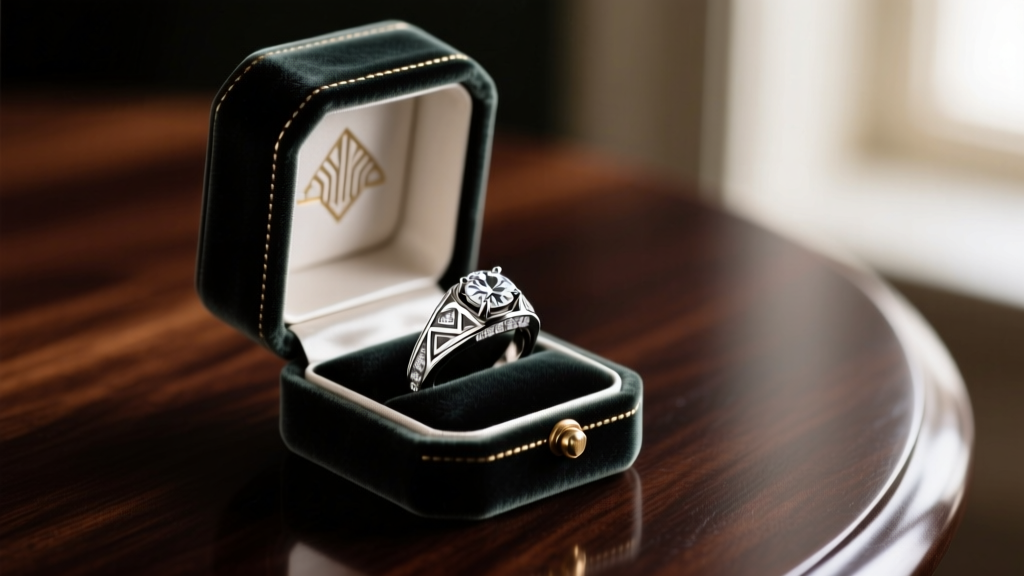
Gifting vintage or antique jewelry is a profound gesture that transcends the temporary thrill of modern mass-produced accessories. When you present a piece of history, you are offering a narrative, a testament to enduring craftsmanship, and a sustainable luxury choice. However, navigating the secondary market requires a highly discerning eye. To separate genuine historical artifacts from clever reproductions or frankenstein pieces (jewelry cobbled together from different eras), collectors and givers alike must adopt the rigorous appraisal methodologies utilized by top-tier nicholas whitt estate jewelry buyers.
In this comprehensive 2026 gift guide, we break down how to match specific antique eras to milestone occasions, decode the hidden hallmarks of vintage metals, and ensure your investment retains its historical integrity. Whether you are sourcing a Victorian mourning brooch or an Art Deco cocktail ring, applying professional buyer standards is the only way to guarantee your gift is both authentic and appropriately valued.
Matching Vintage Eras to Milestone Occasions
Every jewelry era possesses a distinct visual language and emotional resonance. Matching the historical context of the piece to the personality of the recipient and the nature of the occasion is the hallmark of a thoughtful gift.
Victorian (1837–1901): Deep Sentiment and Romance
Victorian jewelry is heavily steeped in symbolism, sentimentality, and mourning traditions. For intimate anniversaries or deeply romantic gestures, look for acrostic jewelry. Popularized in the early 19th century, these pieces use the first letter of each gemstone to spell out a secret message. A 'DEAREST' ring, for example, features a Diamond, Emerald, Amethyst, Ruby, Emerald, Sapphire, and Tourmaline set in a continuous row. According to the Antique Jewelry University, these pieces were highly personal and remain exceptional gifts for partners who appreciate hidden meanings and poetic romance.
Art Deco (1920–1935): Bold Geometry and Independence
Characterized by stark geometric contrasts, calibré-cut stones, and the pioneering use of platinum, Art Deco jewelry reflects the liberation and industrial optimism of the Jazz Age. This era is the perfect match for milestone birthdays (such as a 30th or 40th) or celebrating a major entrepreneurial success. The sharp lines and bold onyx-and-diamond contrasts appeal to recipients with a strong, modern fashion sensibility who view jewelry as architectural armor rather than mere decoration.
Retro (1935–1950): Triumphant Gold and Career Milestones
Due to platinum shortages during World War II, Retro jewelry is defined by massive, three-dimensional 14k and 18k rose and yellow gold designs, often featuring large, dramatic cocktail rings and flexible gas-pipe link bracelets. A Retro piece is an outstanding gift for career achievements, promotions, or retirement, symbolizing resilience, boldness, and hard-won triumph.
The Authentication Matrix: Insights from Estate Buyers
When evaluating pieces for high-stakes gifting, relying on a seller's word is insufficient. Professional nicholas whitt estate jewelry buyers employ a strict matrix of gemological and metallurgical tests to verify provenance. Here is how you can apply a fraction of that rigor before making a purchase.
Decoding Hallmarks and Metal Purity
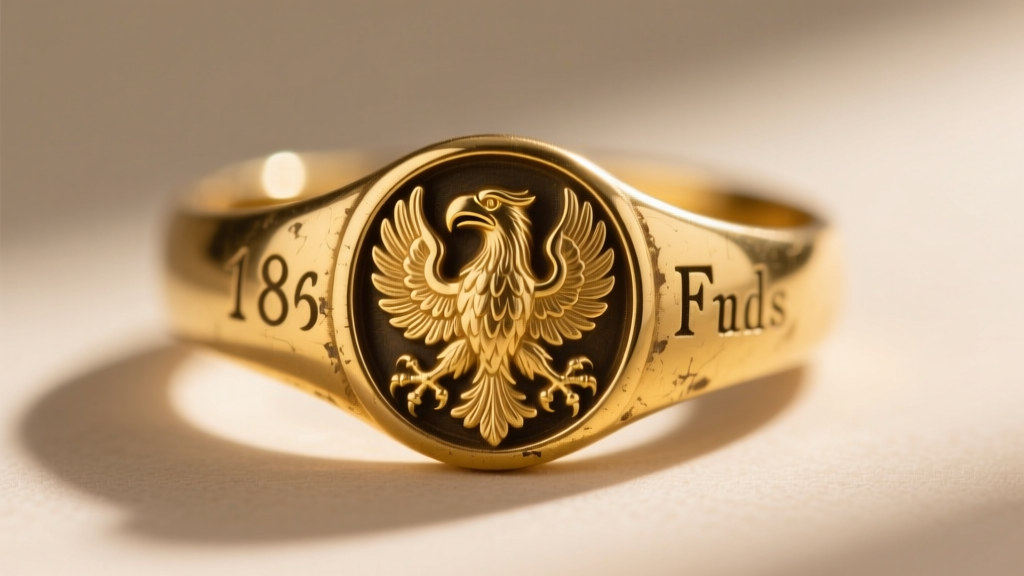
Hallmarks are the DNA of antique jewelry. While British assay marks (like the anchor for Birmingham or the leopard's head for London) are widely recognized, continental marks require specialized knowledge. For instance, the French eagle head indicates 18k gold (introduced in 1838), while the dog head signifies platinum.
The White Gold Trap: A common mistake amateur buyers make is misidentifying white gold as platinum. White gold was not patented until 1915 (by the Belais brothers). If you are examining a purported Edwardian (1901–1915) or Victorian ring that is made of white gold rather than platinum or silver, it is an immediate red flag indicating the piece is either a later reproduction or has been heavily altered.
Gemological Anachronisms
Diamond cuts are highly era-specific. A genuine Victorian or Edwardian piece will typically feature Old Mine Cuts (OMC) or Old European Cuts (OEC). These hand-cut diamonds possess a high crown, a small table, and an open, flat culet that creates a distinctive 'chunky' scintillation. If a ring features a modern Round Brilliant with a laser-inscribed GIA report number on the girdle, the setting may be antique, but the stone is a modern replacement, drastically altering the historical valuation. Furthermore, be aware of the Verneuil process; synthetic rubies and sapphires were commercially viable by 1902. Finding a synthetic ruby in an Art Deco piece does not mean it is a fake, but it must be priced accordingly.
2026 Valuation and Pricing Expectations
The estate jewelry market has seen significant shifts in 2026, with collectors heavily favoring signed pieces and rare historical cuts. Below is a structured guide to average retail pricing for authenticated, ready-to-gift estate pieces.
| Historical Era | Defining Characteristics | Avg. Gift Price Range (2026) | Ideal Gifting Occasion |
|---|---|---|---|
| Victorian (1837-1901) | Yellow gold, seed pearls, enamel, acrostic gems | $1,200 – $4,500 | Romantic Anniversaries |
| Edwardian (1901-1915) | Platinum, millegrain, garland motifs, lace-like filigree | $3,500 – $12,000 | Weddings & Engagements |
| Art Deco (1920-1935) | Geometric, onyx, emeralds, calibré cuts, filigree | $4,000 – $18,000 | Milestone Birthdays |
| Retro (1935-1950) | Chunky rose gold, large cocktail rings, flexible links | $2,500 – $8,000 | Career Milestones |
Preservation and Sizing: Gifting Without Compromising Value
One of the most critical challenges in gifting antique jewelry is ensuring a proper fit without destroying the piece's historical integrity or structural soundness. Sizing an antique ring is not as simple as cutting the shank and adding modern solder.
The Laser Welding Imperative
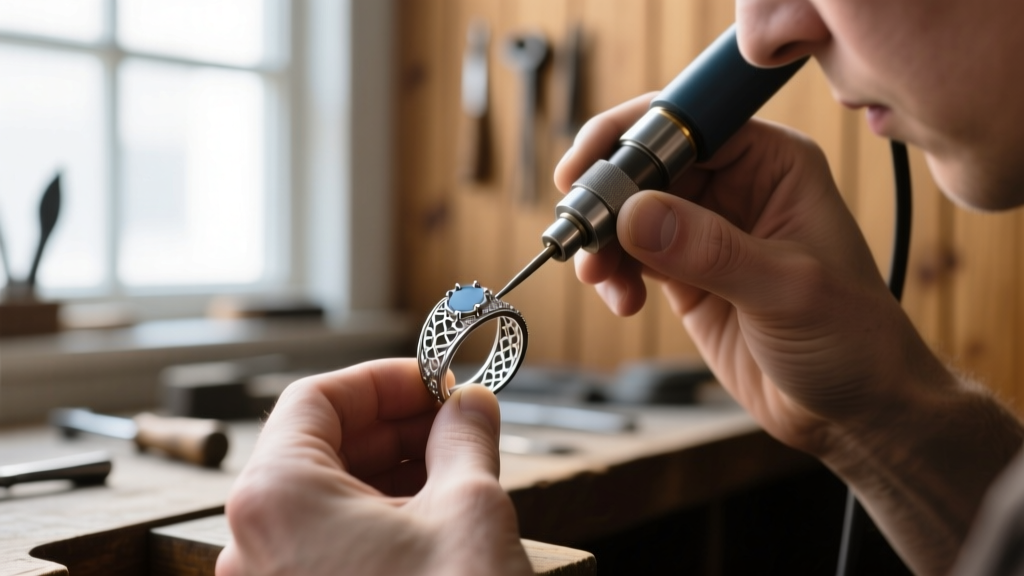
Traditional torch soldering requires high heat that can easily fracture antique enamel, shatter old-cut diamonds with internal inclusions, or melt the delicate millegrain detailing characteristic of Edwardian platinum work. When preparing a vintage gift, you must insist that your jeweler uses laser welding. Laser welders use highly concentrated light to fuse metal in a microscopic, heat-controlled zone, allowing for sizing and prong re-tipping without disturbing the surrounding antique patina or risking thermal shock to fragile gemstones.
Patina and Polish
Never aggressively polish an antique piece before gifting it. The soft, oxidized shadows in the crevices of a Victorian brooch or an Art Deco bracelet—known as patina—are proof of its age and authenticity. Aggressive machine polishing strips away microscopic layers of metal, softening crisp hand-engraved edges and significantly reducing the value in the eyes of serious collectors and nicholas whitt estate jewelry buyers. A gentle ultrasonic clean (if the stones are non-porous) and a light hand-brush are all that is required to prepare the piece for presentation.
Sourcing Safely in the Secondary Market
When sourcing a gift, provenance documentation is just as important as the physical piece. Reputable dealers will provide a detailed condition report noting any replacements, re-shanking, or modern soldering. According to the GIA Diamond Cut History archives, understanding the evolution of lapidary techniques is vital for verifying the age of the stones themselves. Always request high-resolution macro photography of the hallmarks, the culets of the diamonds, and the clasp mechanisms (such as the transition from C-clasps to modern safety catches on brooches) before finalizing your purchase.
"The true value of an estate piece lies not just in its carat weight, but in its survival. Every scratch, maker's mark, and hand-cut facet tells a story of the era it was born in."
Conclusion: The Ultimate Timeless Gesture
Gifting vintage jewelry requires a blend of historical knowledge, gemological skepticism, and deep empathy for the recipient's personal style. By adopting the stringent evaluation standards of professional estate buyers, you protect yourself from costly reproductions and ensure that your gift is a genuine artifact of history. Whether it is a sentimental Victorian acrostic ring or a fierce Retro gold cocktail piece, an authenticated antique jewel is a wearable legacy that will continue to tell its story for generations to come.


