Identifying Valuable Vintage Jewelry: 2026 Market Trends
Discover the 2026 market trends for valuable vintage jewelry. Learn to identify high-value Art Deco, Retro, and Mid-Century pieces with expert pricing data.

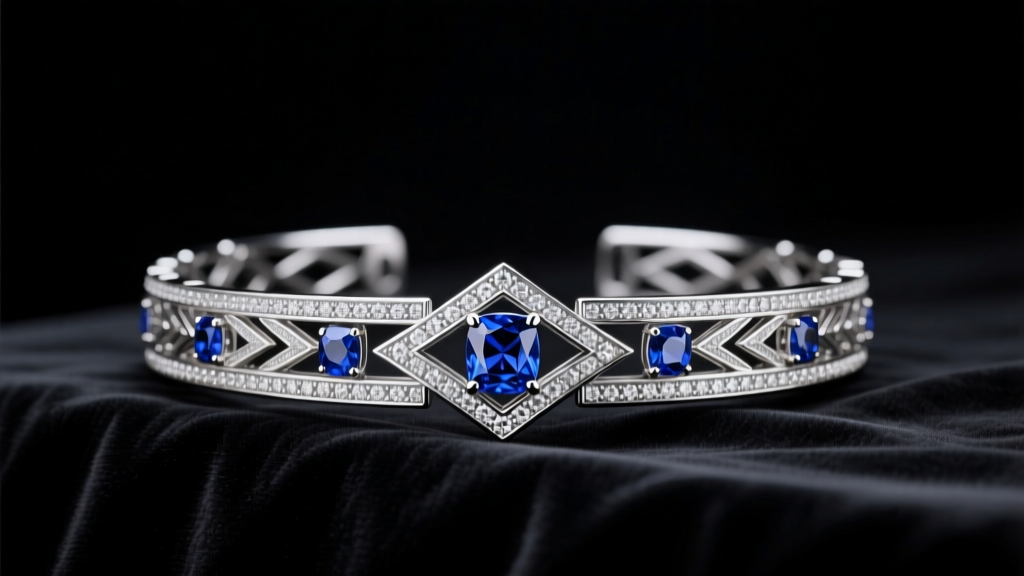
The landscape of estate collecting has shifted dramatically as we move through 2026. The definition of valuable vintage jewelry is no longer dictated solely by carat weight or intrinsic metal value. Today's most sophisticated collectors and investors are prioritizing provenance, period-correct construction techniques, and rare maker marks over generic brilliance. As 'quiet luxury' continues to influence the broader fashion ecosystem, the secondary market has seen a massive flight toward quality, rarity, and historical integrity.
Whether you are a seasoned bidder at international auction houses or a picker scouring regional estate sales, understanding the micro-trends and technical hallmarks of the current market is essential. This guide breaks down the specific eras, construction methods, and maker signatures that are commanding record premiums in 2026.
The 2026 Market Shift: Provenance Over Polish
In previous decades, a heavy 18k gold chain or a large solitaire diamond ring could reliably fetch a premium based on melt and stone value. In 2026, the market for valuable vintage jewelry has bifurcated. Mass-produced mid-century commercial pieces are stagnating, while highly specific, hand-fabricated pieces from the Art Deco and Retro periods are seeing double-digit year-over-year appreciation.
According to recent market analyses from Sotheby's, collectors are increasingly willing to pay a 'survival premium' for pieces that retain their original, unaltered state. A piece of jewelry that has never been sized, re-tipped, or rhodium-plated can command 30% to 50% more than an identical piece that has undergone modern bench work.
Hallmarks of High-Value Eras: What Collectors Are Paying For
To identify truly valuable vintage jewelry, you must look past the gemstones and examine the metallurgy and fabrication techniques. The two eras currently dominating the high-end market are Art Deco and Retro.
Art Deco (1920–1935): Die-Struck Platinum and Verneuil Synthetics
The pinnacle of Art Deco value lies in die-struck platinum. Unlike modern cast jewelry, die-striking involved forcing platinum sheets into steel dies under immense pressure, resulting in incredibly dense, crisp, and durable filigree work. When examining a piece, look for the razor-sharp edges of the milgrain detailing and the absence of porosity (tiny bubbles) in the metal, which is a dead giveaway of modern casting.
Furthermore, do not dismiss synthetic gemstones. In the 1920s, GIA archives note that the Verneuil flame-fusion process produced synthetic rubies and sapphires that were highly prized and expensive. Finding an original Art Deco bracelet featuring calibré-cut Verneuil synthetic sapphires is actually more desirable to a purist collector than one that has been retrofitted with modern natural stones, as it proves the piece is period-correct and unaltered.
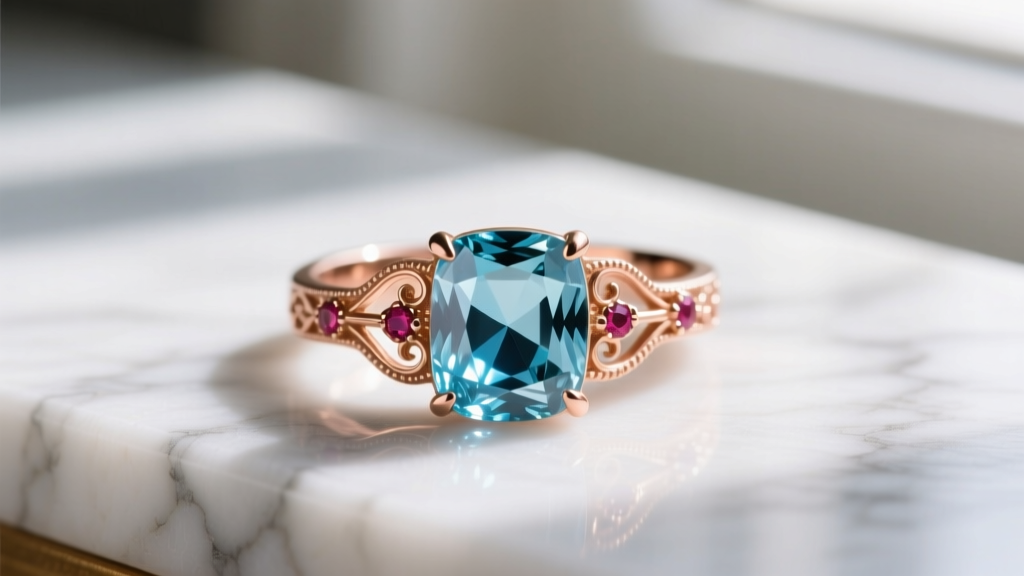
Retro (1935–1950): 18k Rose Gold and Gas-Pipe Chains
World War II fundamentally altered jewelry manufacturing. Platinum was restricted for military use, forcing jewelers to pivot to gold. The most valuable vintage jewelry from the Retro era features massive, three-dimensional 18k rose gold designs. Because gold was also rationed, jewelers developed techniques to make the metal look larger and heavier than it actually was.
Look for 'gas-pipe' or 'tube link' chains. These flexible, hollow tubular links were a hallmark of high-end Retro necklaces and bracelets (often by houses like Van Cleef & Arpels or Mauboussin). The engineering required to create these flexible, snake-like chains without modern laser welding is a major value driver. If a Retro piece feels unexpectedly lightweight but visually substantial, it is likely a highly desirable, period-correct hollow-constructed treasure.
2026 Price Index: Valuable Vintage Jewelry by Category
The following table outlines current baseline auction ranges for pristine, unaltered pieces in the 2026 market. These ranges assume excellent condition with original clasps and period-correct stones.
| Era / Style | Primary Metal | Key Gemstone Focus | Base Auction Range | Premium Maker Multiplier |
|---|---|---|---|---|
| Art Deco (Geometric) | Platinum (900/1000) | Old European Cut Diamonds | $8,000 - $25,000 | 3x - 5x (Cartier, Boucheron) |
| Art Deco (Japonisme) | Platinum & Enamel | Carved Jade & Coral | $15,000 - $45,000 | 5x - 8x (Lacloche, Sterlé) |
| Retro (Statement) | 18k Rose Gold | Cushion Aquamarine / Citrine | $4,000 - $12,000 | 2x - 4x (Flato, Mellerio) |
| Mid-Century Modern | 18k Yellow Gold | Cabochon Turquoise / Lapis | $3,000 - $9,000 | 4x - 6x (David Webb, Schlumberger) |
The 'Maker Mark' Premium: Signatures That Multiply Value
In 2026, the signature on the shank or clasp is often worth more than the materials themselves. While Cartier and Van Cleef & Arpels remain blue-chip investments, the most aggressive bidding wars are happening over independent, avant-garde designers of the 20th century.
'The market has matured. Buyers are no longer just buying a beautiful object; they are buying a piece of art history. A signed Suzanne Belperron clip brooch isn't just jewelry; it's a sculptural artifact that defies the conventions of its time.' — Senior Specialist, European Jewelry Department
Top Tier Makers to Watch in 2026
- Suzanne Belperron: Famously, Belperron never signed her pieces, claiming 'my style is my signature.' Authentication relies on specific mount types, archival sketches, and the presence of French assay marks. Verified pieces routinely shatter pre-sale estimates.
- Paul Flato: Known for his 'Ribbon' motifs and whimsical, asymmetrical designs in the 1930s and 40s. His work in 18k gold with unusual gemstone pairings is highly sought after by American collectors.
- Boivin: The Parisian house is famous for its brutalist, oceanic motifs (like the iconic Starfish brooch). Heavy, articulated gold pieces from Boivin are currently experiencing a massive surge in demand among younger, fashion-forward collectors.
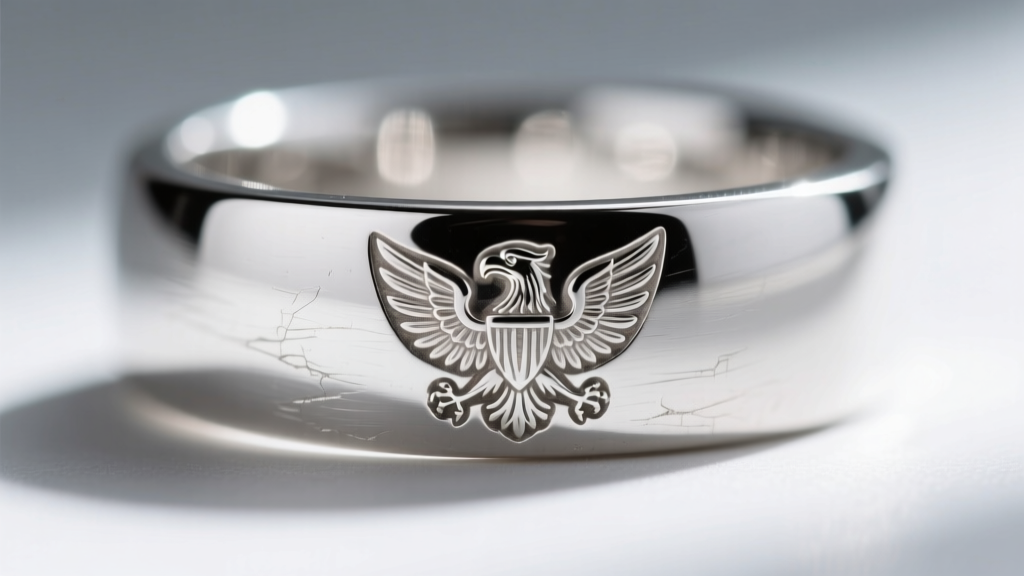
Authentication Red Flags: Spotting 'Frankenstein' Pieces
As the price of valuable vintage jewelry climbs, so does the prevalence of 'Frankenstein' pieces—jewelry that has been cobbled together from different eras or heavily altered. To protect your investment, you must know how to spot these value-destroying modifications. The experts at Lang Antiques University emphasize the importance of clasp and finding analysis.
Technical Red Flags to Inspect
- The Clasp Anachronism: If you are looking at a purported 1920s Art Deco bracelet, it should feature a trombone clasp or a simple fold-over safety. If it has a modern 'lobster claw' or a push-button box clasp with a figure-eight safety, the piece has been altered, immediately reducing its collector value by up to 60%.
- Laser Welding Scars: Inspect the joints of platinum filigree under a 10x loupe. Antique platinum was soldered using a blowpipe, which leaves a slightly softer, blended joint. Modern laser welding leaves tiny, perfectly round, pitted craters. A laser-welded joint on an Edwardian or Deco piece indicates modern repair or alteration.
- Replaced Earring Fittings: It is incredibly common for Victorian screw-backs or early lever-backs to be replaced with modern post-and-butterfly fittings. While sometimes necessary for wearability, purists will discount the piece. Always ask if the original fittings are included in the lot.
Sourcing Strategy: Where to Find Undervalued Pieces
Finding truly valuable vintage jewelry at a fair market price requires looking where the major players aren't. While Christie's and Sotheby's handle the multi-million-dollar Belperron and Cartier masterpieces, the mid-tier market ($5,000 to $20,000) is ripe for discovery at regional auction houses.
Houses like Bonhams (specifically their regional UK and US estate sales), Doyle, and Freeman's often feature 'unresearched' lots. A lot described simply as '18k gold and diamond retro brooch' might bear the faint, obscured hallmark of a master maker like Sterlé or Marchak. Learning to read French eagle head and dog head hallmarks, as well as British maker's marks, will allow you to spot hidden value in poorly cataloged regional auctions. In 2026, the greatest returns belong to those who combine gemological knowledge with historical detective work.


