Nouveau Antique Jewelry: 2026 Market & Style Analysis
Discover how nouveau antique jewelry is reshaping 2026 vintage trends. Learn to identify authentic Art Nouveau pieces, value enamel work, and style them.

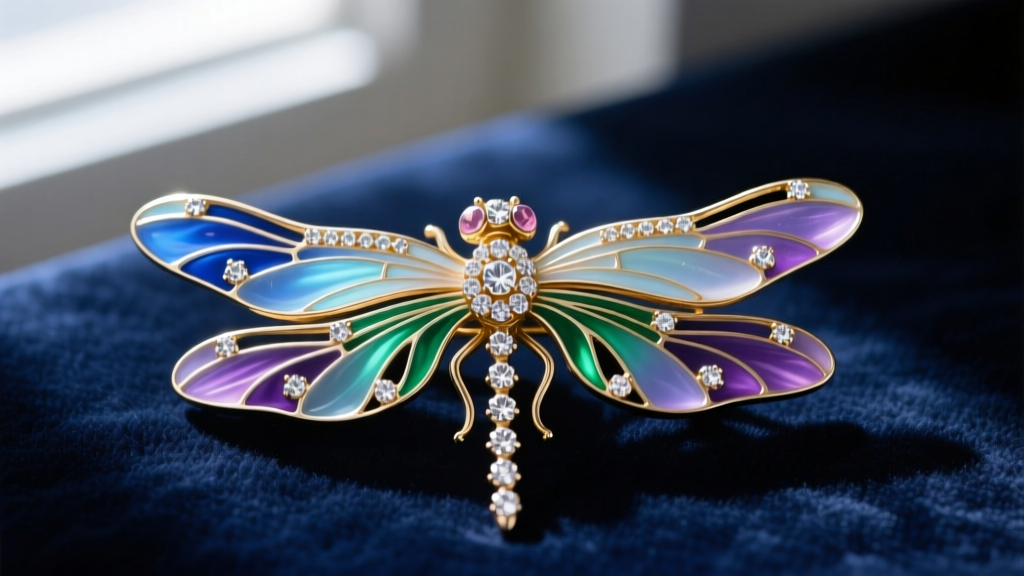
The Resurgence of the Whiplash Curve: Why Nouveau is Dominating 2026
For the past decade, the geometric rigidity and diamond-heavy aesthetics of Art Deco dominated auction houses and estate sales. However, as contemporary fashion in 2026 embraces fluid silhouettes, biophilic design, and a rejection of mass-produced uniformity, nouveau antique jewelry has surged to the forefront of collector demand. Originating between 1890 and 1910, the Art Nouveau movement was a direct rebellion against the industrial revolution. Today, that same rebellion resonates with modern buyers seeking organic, hand-fabricated masterpieces.
According to the Metropolitan Museum of Art, the defining characteristic of this era is the 'whiplash' curve—a dynamic, undulating line inspired by plant stems, ocean waves, and female hair. In 2026, we are seeing a massive shift toward these organic motifs, with collectors prioritizing the asymmetrical, nature-bound designs of masters like René Lalique, Georges Fouquet, and Louis Comfort Tiffany over the symmetrical, architectural lines of the 1920s.
Material Alchemy: Decoding Authentic Nouveau Antique Jewelry
Unlike later eras that prioritized the intrinsic value of diamonds and platinum, Art Nouveau jewelers valued artistry over carat weight. They were alchemists, elevating humble materials through sheer technical mastery. Understanding these materials is critical for accurate valuation and authentication.
The Plique-à-Jour Enamel Technique
The holy grail of nouveau antique jewelry is plique-à-jour enamel. Translating to 'letting in daylight,' this technique creates a stained-glass effect by suspending translucent enamel within a gold or silver filigree framework, with no metal backing. Because the enamel is incredibly fragile—often less than a millimeter thick—surviving pieces from the 1890s are exceptionally rare and command massive premiums. When inspecting a piece, hold it to the light; authentic plique-à-jour will glow with a luminous, stained-glass intensity, whereas later 1970s revivals often use opaque champlevé or guilloché enamel backed by solid metal to fake the look.
The Gemstone Hierarchy: Demantoid, Opal, and Moonstone
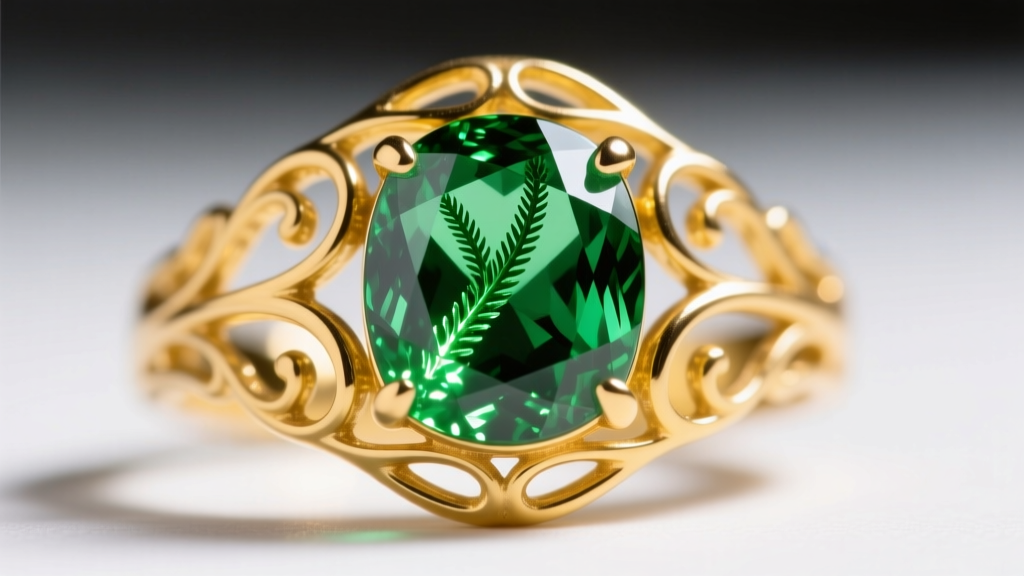
While diamonds were used, they were typically small rose-cuts serving as accents. The true stars of the era were phenomenal and vividly colored gemstones. The Gemological Institute of America (GIA) notes that Russian demantoid garnet was the most prized stone of the period. Mined in the Ural Mountains, these vivid green gems often contain 'horsetail' inclusions—fibrous strands of chrysotile asbestos. In a fascinating twist of gemology, these inclusions actually increase the value of a demantoid garnet, serving as a geographic fingerprint of its Russian origin. Opals (both black and white) and moonstones were also heavily utilized for their mystical, shifting play-of-color, perfectly matching the era's fascination with the ethereal and the occult.
Market Valuation: What Collectors Are Paying in 2026
The market for nouveau antique jewelry has bifurcated. Masterworks by signed, historically significant jewelers are treated as fine art, often selling in specialized evening auctions. Meanwhile, unsigned but high-quality pieces are being aggressively acquired by a new generation of vintage enthusiasts. Below is the 2026 market valuation matrix based on recent auction data and estate appraisals.
| Category | Maker / Origin | 2026 Price Range (USD) | Key Identifiers & Condition Notes |
|---|---|---|---|
| Masterwork | Lalique, Fouquet, Wolfers | $150,000 - $1M+ | Intact plique-à-jour, signed maker's mark, French Eagle's Head hallmark. |
| Mid-Tier | Signed lesser-known, Tiffany | $25,000 - $85,000 | Excellent enamel, high-karat gold, minor enamel micro-fractures acceptable. |
| Entry-Level | Unsigned French / Belgian | $3,500 - $15,000 | Small pendants, stick pins, or hair combs. May lack major gemstones. |
| Revival / Reproduction | 1970s Murano, Mass Cast | $200 - $1,200 | Uniform casting seams, opaque enamel, modern soldering, no hallmarks. |
Spotting the Fakes: 1970s Revivals vs. 1890s Originals
As the value of authentic nouveau antique jewelry has skyrocketed, the market has been flooded with 1970s and 1980s reproductions. Distinguishing between a genuine 1895 original and a 1975 revival requires a jeweler's loupe and an understanding of historical manufacturing techniques.
- Examine the Reverse: Authentic Art Nouveau pieces were often finished as beautifully on the back as the front. Look for intricate repoussé work or micro-chasing on the reverse of the metal. 1970s revivals typically have flat, unfinished, or pitted backs indicative of modern rubber-mold casting.
- Check for Casting Seams: Original pieces were either hand-fabricated from sheet metal and wire, or cast in small sections and meticulously soldered and filed. If you see a uniform, raised casting seam running along the edge of a complex motif, it is a modern reproduction.
- Verify the Hallmarks: French Art Nouveau jewelry should bear the 'Eagle's Head' (Tête d'Aigle) hallmark, indicating a minimum of 18k gold. This stamp is usually found on the back of the pendant bail or the pin stem. Beware of pieces that are stamped '18k' in a modern, blocky font without the accompanying French maker's mark (poinçon de maître), which is typically a diamond-shaped lozenge.
- Assess the Enamel: Vintage enamel often shows microscopic crazing or tiny chips, especially around the edges where it meets the metal. Perfectly pristine, glossy enamel on a piece claiming to be 120 years old should immediately trigger suspicion.
Modern Styling: Integrating Organic Antiques into Contemporary Wardrobes
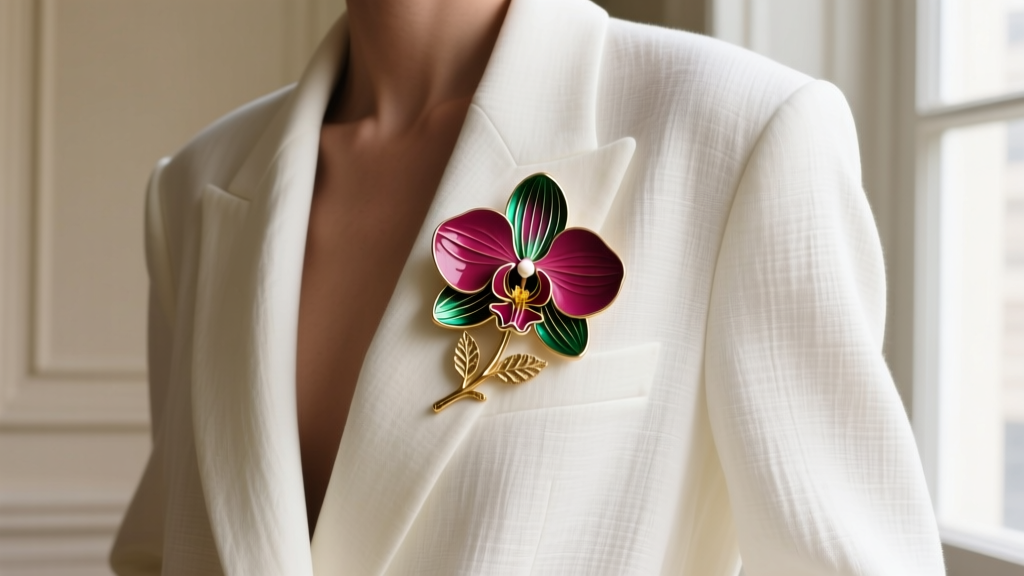
The challenge with nouveau antique jewelry is that its highly ornate, sometimes macabre motifs (think skull-adorned orchids or intertwined serpents) can easily look costumey if not styled correctly. The 2026 approach is all about juxtaposition—pairing the organic, historical weight of the piece with sharp, modern minimalism.
'The modern collector doesn't want to look like a museum exhibit. They want the organic soul of the 1890s grounded by the sharp tailoring of 2026. Contrast is the ultimate styling tool.'
— Elena Rostova, Vintage Jewelry Archivist
Three Actionable Styling Frameworks for 2026
1. The Sartorial Anchor: Take an oversized Art Nouveau brooch—perhaps a Lalique-inspired femme fatale or a botanical fern—and pin it to the lapel of a sharply tailored, oversized linen or wool blazer. The rigid structure of the modern garment provides a canvas that allows the whiplash curves of the brooch to pop without overwhelming the wearer.
2. The Hair Slide Revival: Many antique Nouveau pieces were originally designed as hair combs or tiaras, featuring tortoiseshell or horn bases. Work with a master jeweler to carefully remove the ornate gold and enamel motif from its fragile base and convert it into a modern, heavy-duty hair slide. Worn in a low, sleek chignon, it offers a subtle nod to history while remaining highly functional.
3. The Layered Pendant: Art Nouveau pendants often feature heavy, ornate bails. Instead of wearing them on their original, delicate chains, thread them onto a modern, 2mm solid 18k yellow gold cable chain. Layer this with a simple, unadorned gold choker and a longer, minimalist diamond solitaire drop. This creates a curated, multi-era stack that feels intentional rather than dated.
Conclusion
The resurgence of nouveau antique jewelry in 2026 is more than a fleeting trend; it is a reclamation of wearable art. By understanding the material alchemy of plique-à-jour enamel, the geographic significance of demantoid garnets, and the structural hallmarks of 19th-century fabrication, collectors can navigate this high-stakes market with confidence. Whether you are acquiring a masterwork for a private collection or styling a modest unsigned pendant for daily wear, Art Nouveau offers a timeless, organic beauty that continues to defy the rigid boundaries of modern design.


