Decoding Retro Jewelry Period Metals And Gem Materials
Explore the unique metals and gemstones of the retro jewelry period. Learn to identify WWII-era rose gold, palladium, and synthetic stones.

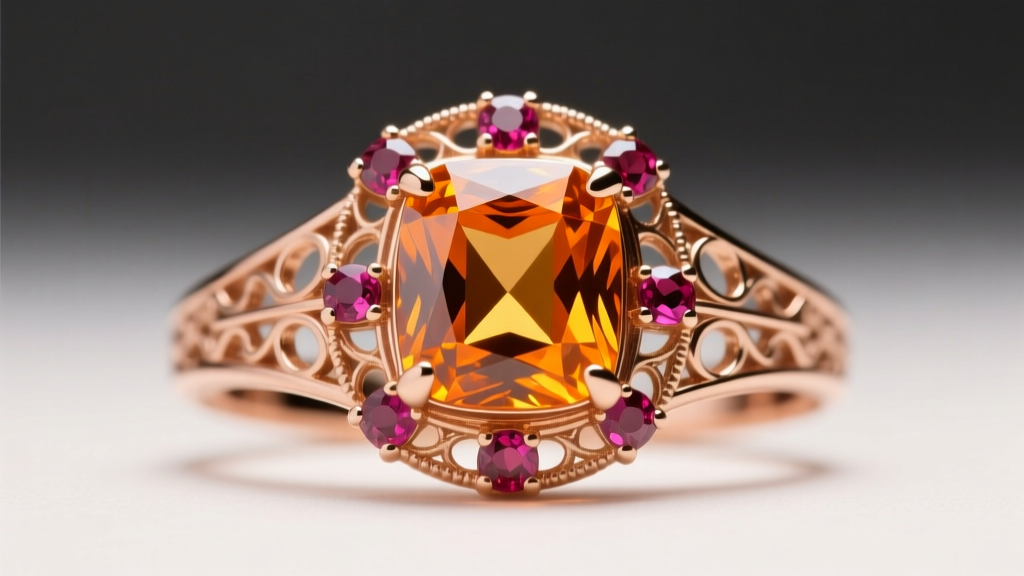
The retro jewelry period (roughly spanning 1935 to 1950) represents one of the most fascinating eras in gemological and metallurgical history. Unlike the Art Deco movement, which was defined by the stark contrast of platinum and diamonds, Retro jewelry was born out of global conflict, material rationing, and a sudden, forced pivot in manufacturing capabilities. For modern collectors, appraisers, and vintage enthusiasts, understanding the specific material properties, alloy compositions, and synthetic substitutes of this era is not just an academic exercise—it is the primary framework for authentication and valuation.
In this comprehensive guide, we dissect the exact metallurgical shifts, gemological workarounds, and organic plastics that define the retro jewelry period, providing you with actionable testing methodologies and identification markers.
The Historical Catalyst: How WWII Shaped Material Scarcity
To understand the materials of the retro jewelry period, one must understand the geopolitical constraints of the late 1930s and 1940s. In 1942, the United States government declared platinum a strategic metal, entirely banning its use in jewelry manufacturing to redirect it for military applications (specifically for use in explosives and aircraft engines). Simultaneously, global supply chains for precious gemstones were severed as Asian and African trade routes fell under Axis control.
Jewelers were forced to innovate. The bold, three-dimensional, and oversized silhouettes characteristic of Retro jewelry—such as the famous Tubogas chains and massive cocktail rings—were actually design solutions to maximize visual impact while minimizing the use of restricted, high-density metals. Gold was stretched, hammered, and woven to create volume without excessive weight.
Decoding the Alloys: Gold, Rose Gold, and Palladium
With platinum off the table, gold became the undisputed king of the retro jewelry period. However, pure 24k gold was too soft for the bold, structural designs of the era, and high-karat yellow gold was heavily regulated. This led to a surge in low-karat gold alloys and the introduction of palladium as a platinum surrogate.
The Copper Surge: Rose and Green Gold
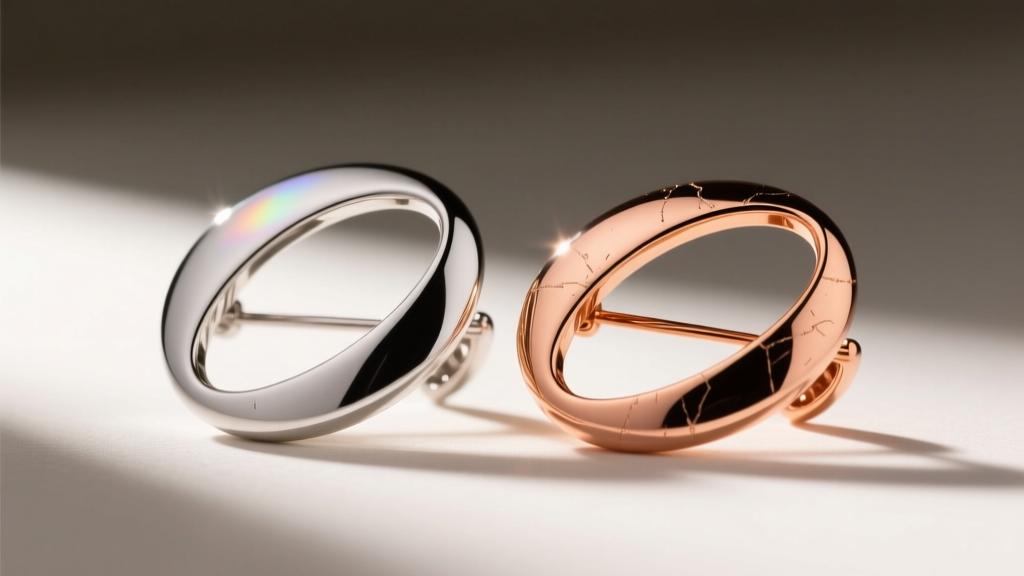
To stretch gold supplies, jewelers heavily utilized 10k, 14k, and occasionally 9k gold. The distinctive "rose gold" of the 1940s is markedly different from modern rose gold. Vintage Retro rose gold contains a significantly higher copper content—often between 20% and 25%—giving it a deep, reddish-pink hue that borders on salmon. To prevent the copper from making the alloy too brittle or overly red, a small percentage of silver (usually 2% to 5%) was added as a mellowing agent. Conversely, "green gold" was achieved by increasing the silver and cadmium content while reducing copper, creating a subtle olive-yellow tint popular in floral and nature-inspired Retro motifs.
Palladium: The Platinum Stand-In
Palladium, a member of the platinum group metals (PGM), was introduced to the American jewelry market around 1939 as a direct substitute for platinum. In its pure state, palladium is relatively soft. During the retro jewelry period, it was typically alloyed with 5% ruthenium or copper to increase its hardness and workability. However, palladium is notorious for work-hardening rapidly and becoming brittle if not annealed correctly during manufacturing. Today, authentic 1940s palladium pieces often exhibit micro-fissures at the prong tips or shank joints due to this historical metallurgical limitation.
| Material | Typical Retro Alloy Composition | Visual Traits & Patina | Common Hallmarks |
|---|---|---|---|
| Rose Gold (14k) | 58.5% Gold, 20-25% Copper, 2-5% Silver | Deep salmon-pink; develops a rich, dark copper-oxide patina in crevices. | 14K, 585, or maker's mark only. |
| Palladium | 95% Palladium, 5% Ruthenium/Copper | Grey-white hue; lacks the bright, mirror-like reflectivity of platinum. | PALL, Pd, or 950 Pd. |
| Green Gold (14k) | 58.5% Gold, 25% Silver, 10% Copper, 6.5% Cadmium | Subtle olive-green/yellow; highly resistant to tarnish. | 14K, 585. |
Gemstone Substitutes: The Rise of Synthetics and Semi-Precious Stones
The blockade of traditional gemstone hubs like Burma (rubies) and Ceylon (sapphires) forced the retro jewelry period to rely heavily on two alternative sources: laboratory-grown synthetics and large, South American semi-precious stones.
Flame-Fusion Synthetics (The Verneuil Process)
Synthetic rubies and sapphires were not a "cheap" alternative during the 1940s; they were a technological marvel and a patriotic necessity. Produced via the Verneuil (flame-fusion) process, these stones were chemically identical to their natural counterparts but possessed distinct gemological inclusions. According to the GIA Gem Encyclopedia, flame-fusion synthetics are characterized by curved striae (growth lines) and spherical gas bubbles, whereas natural rubies exhibit angular growth zoning and rutile silk. If you are examining a Retro cocktail ring featuring perfectly matched, vivid red rubies with zero angular inclusions under 10x magnification, you are almost certainly looking at period-correct synthetics.
The Brazilian Boom: Citrine, Amethyst, and Aquamarine
With fine diamonds and precious gems scarce, jewelers turned to Brazil, which maintained open trade routes with the Allies. Massive, step-cut (emerald-cut) citrines, deep purple amethysts, and pale blue aquamarines became the focal points of Retro designs. These stones were often cut in oversized, geometric shapes weighing 20 to 50 carats, set in bold gold frames to maximize their visual footprint. As noted by the Lang Antique Jewelry University, the use of these large, semi-precious stones is one of the most defining visual hallmarks of the late 1940s Retro aesthetic.
Plastics and Organics: Bakelite, Lucite, and Carved Coral
While high jewelry relied on gold and synthetics, the costume and mid-tier jewelry markets of the retro jewelry period saw an explosion in the use of advanced plastics and organics. Understanding the chemical properties of these materials is vital for authentication, as modern reproductions are rampant.
Bakelite: The Heavyweight Thermoset
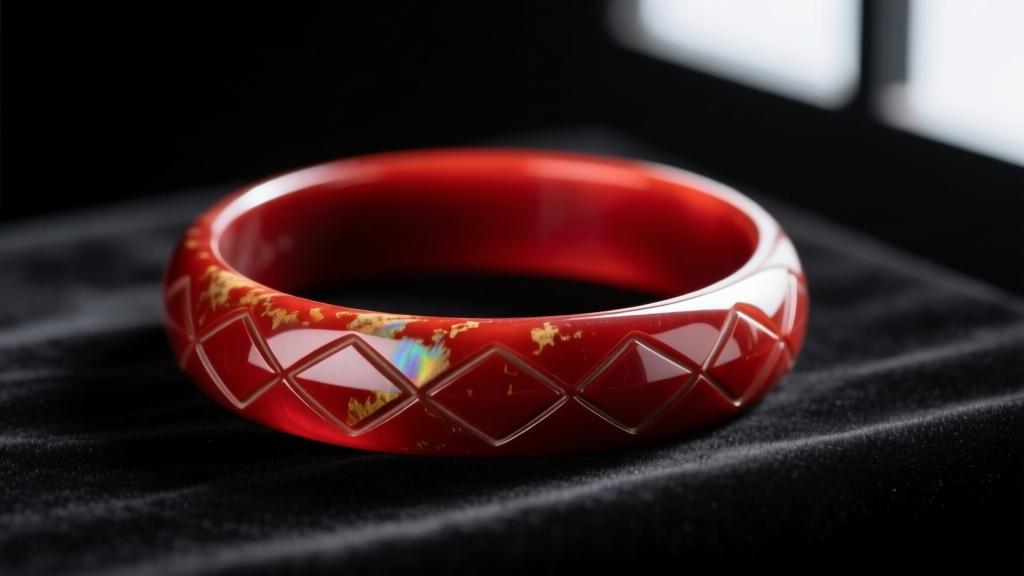
Bakelite (polyoxybenzylmethylenglycolanhydride) is a thermosetting plastic, meaning it is molded under heat and pressure and cannot be re-melted. Authentic 1940s Bakelite is remarkably dense, possessing a specific gravity of roughly 1.30 to 1.33, making it feel surprisingly heavy in the hand compared to modern acrylics.
Authentication Protocol: The most reliable non-destructive test for vintage Bakelite is the Simichrome polish test. Applying a small amount of Simichrome metal polish to a cotton swab and rubbing it on an inconspicuous area of the plastic will yield a bright yellow residue on the swab if the piece is genuine phenolic resin. Alternatively, running the piece under hot tap water for 30 seconds will release a distinct, sharp formaldehyde odor—a byproduct of the original chemical curing process.
Lucite and Reverse-Carved Intaglios
Lucite (polymethyl methacrylate, or PMMA) was lighter and more transparent than Bakelite. During the Retro period, it was frequently used for "reverse-carved intaglios," where a design (often a flower or a dog) was carved into the flat back of a clear Lucite cabochon and then painted. When viewed from the front, the image appears to float in 3D space within the plastic. Modern fakes often feature laser-etched or glued-on decals on the back; genuine Retro intaglios will show distinct tool marks and hand-painted pigment pooling in the carved grooves under magnification.
Valuation and Authentication Framework for Collectors
Valuing pieces from the retro jewelry period requires a nuanced understanding of material rarity versus design desirability. A common pitfall for novice collectors is undervaluing synthetic stones or overvaluing damaged palladium.
"In the Retro period, the value of the piece is rarely dictated by the intrinsic melt value of the gold or the natural origin of the gemstone. Instead, the premium is placed on the architectural complexity of the metalwork, the condition of the mechanical fittings, and the provenance of the design house."
Pricing Tiers and Market Realities (2026 Outlook)
- Entry-Level Costume ($150 - $600): Bakelite bangles, Lucite reverse-carved brooches, and silver-plated base metal pieces. Value is highly dependent on the absence of "crazing" (micro-cracking) in the plastics and the retention of original paint.
- Mid-Tier Semi-Precious ($1,200 - $4,500): 14k rose gold cocktail rings featuring large Brazilian citrines or amethysts with synthetic ruby accents. Pricing scales with the intricacy of the gold weave (e.g., snake-chain or Tubogas styles command a 30-40% premium over standard cast bands).
- High-Jewelry & Signed Pieces ($10,000 - $85,000+): Signed pieces by houses like Van Cleef & Arpels (e.g., the Zip necklace or Ludo Hexagone bracelets), Cartier, or Tiffany & Co., featuring complex mechanical movements, hidden clocks, or rare multi-alloy gold weaving.
Common Failure Modes to Inspect
When evaluating Retro jewelry, always inspect the following failure points:
- Palladium Embrittlement: Check the prongs on palladium settings. Due to historical work-hardening issues, prongs may snap rather than bend when subjected to pressure. Use a loupe to look for stress fractures at the base of the prong.
- Copper Oxide Degradation: In high-copper rose gold alloys, prolonged exposure to sweat and cosmetics can cause "bronze disease" or severe pitting. Inspect the interior of the shank for deep, powdery green or black corrosion spots.
- Thermoset Crazing: Bakelite and early cellulose acetate are prone to environmental crazing—a network of fine, white cracks that penetrate the surface. Once crazed, the structural integrity of the plastic is compromised, reducing the value by up to 60%.
Conclusion: The Enduring Legacy of Retro Materials
The retro jewelry period remains a masterclass in adaptation. The forced reliance on copper-heavy gold alloys, palladium, flame-fusion synthetics, and advanced phenolic plastics resulted in a bold, unapologetic aesthetic that continues to captivate collectors today. By mastering the specific material properties, alloy compositions, and gemological markers detailed in this guide, you can confidently navigate the vintage market, authenticate true period pieces, and appreciate the incredible ingenuity of 1940s jewelers who turned wartime scarcity into enduring art.


