Vintage Floral Jewelry: A Beginner's Guide to Eras & Motifs
Discover how to identify, value, and style vintage floral jewelry. Explore Victorian, Art Nouveau, and Retro botanical motifs in our beginner's guide.

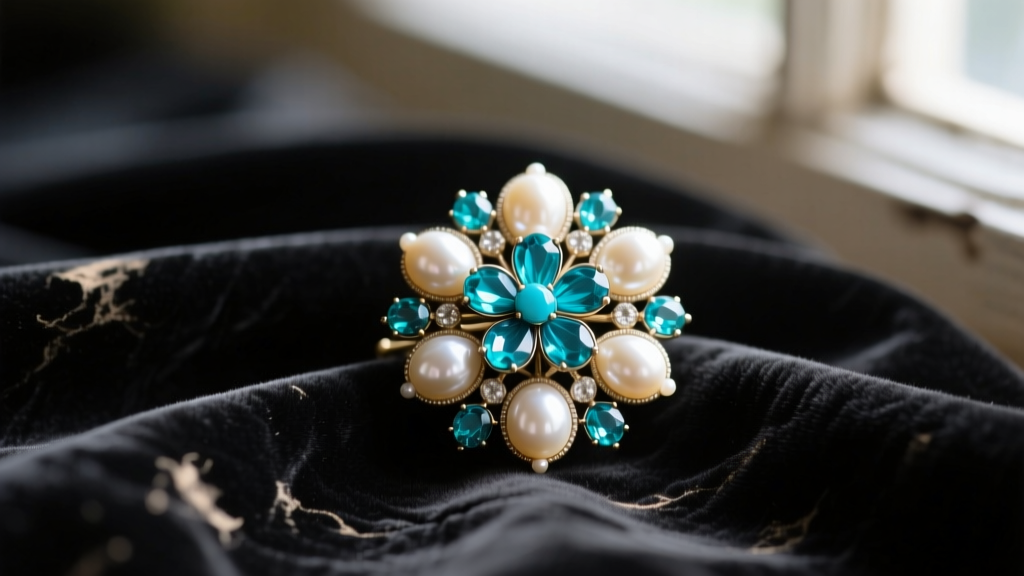
For centuries, botanically inspired adornments have captivated collectors and fashion enthusiasts alike. Vintage floral jewelry is more than just a decorative accessory; it is a wearable archive of horticultural history, metallurgical innovation, and shifting cultural sentiments. Whether you are drawn to the delicate seed-pearl forget-me-nots of the Victorian era or the bold, enameled rose-gold blossoms of the Retro period, building a collection requires a keen eye for historical context and material authenticity.
This beginner-friendly explainer will decode the language of botanical motifs, help you identify specific historical eras, and provide actionable frameworks for sourcing and authenticating your first vintage floral pieces without overpaying.
The Language of Flowers: Why Botanical Motifs Endure
The obsession with floral jewelry peaked during the 19th century alongside the rise of floriography—the Victorian language of flowers. In an era where strict societal norms repressed open emotional expression, jewelry became a secret communication tool. A pansy motif meant "thinking of you," while ivy symbolized fidelity and eternal attachment. Understanding these hidden meanings adds a profound layer of provenance to your collection. When evaluating a piece, identifying the specific flower can often help pinpoint its original intent, whether it was a mourning piece, a betrothal gift, or a token of platonic friendship.
Decoding Eras: A Timeline of Vintage Floral Jewelry
To accurately value and date vintage floral jewelry, you must understand how botanical interpretations shifted across major design movements. The way a petal is rendered tells you exactly when the piece was forged.
Victorian (1837–1901): Sentiment and Realism
Early Victorian floral jewelry favored hyper-realistic, three-dimensional renditions of nature. Jewelers utilized pietra dura (stone inlay) and intricate gold repoussé work. Seed pearls were heavily used to represent tears or purity, often clustered to form the centers of daisies or forget-me-nots. By the late Victorian period, the discovery of South African diamond mines led to the incorporation of rose-cut diamonds into floral clusters, mimicking the dew drops on morning petals.
Art Nouveau (1890–1910): Organic Whiplash Curves
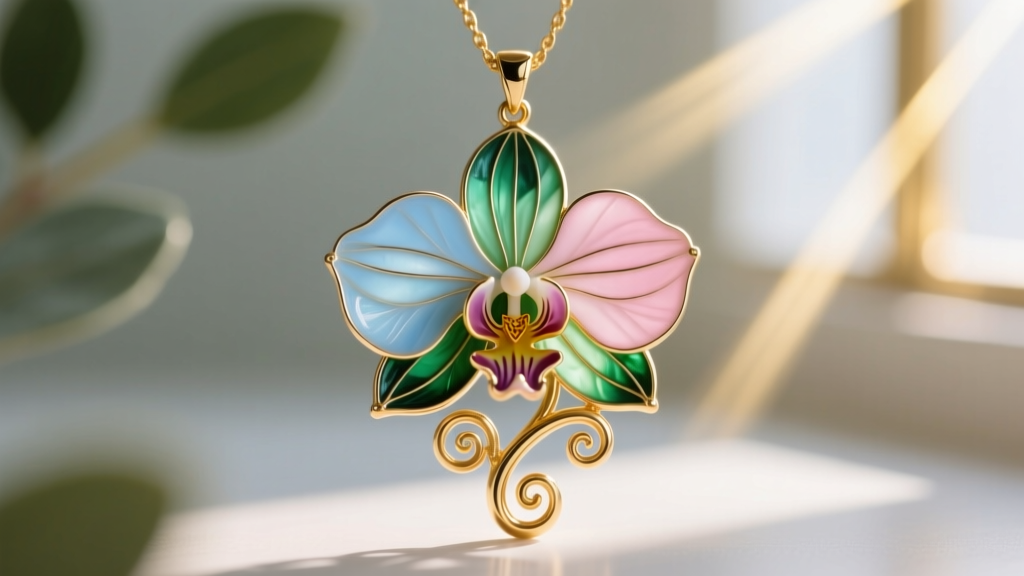
Art Nouveau rejected mass production, embracing the untamed, asymmetrical aspects of nature. Floral motifs from this era—particularly orchids, lilies, and thistles—were highly stylized, featuring sinuous "whiplash" curves. According to the Metropolitan Museum of Art, Art Nouveau jewelers like René Lalique pioneered the use of plique-à-jour enamel (a technique resembling stained glass without a backing) to create translucent, lifelike petals. Horn, carved ivory, and opals were favored over traditional precious stones.
Art Deco (1920–1935): Geometric Blossoms
As the world modernized, florals became abstract and geometric. Art Deco floral jewelry is defined by calibrated-cut gemstones (stones cut to exact millimeter sizes to fit seamlessly into a metal grid). The most famous example is Cartier’s "Tutti Frutti" style, which featured intricately carved rubies, emeralds, and sapphires shaped into leaves and berries, set against stark platinum and diamond geometric backgrounds. The Gemological Institute of America (GIA) notes that the contrast between vibrant, carved colored stones and stark white metals is the hallmark of high-end Deco botanicals.
Retro & Mid-Century (1935–1960): Bold Gold & Enamel
During World War II, platinum was reserved for military use, forcing jewelers to pivot to gold—specifically rose and yellow gold. Retro floral jewelry is characterized by oversized, voluminous cocktail rings and brooches featuring large, sweeping metal petals, often accented with vibrant guilloché enamel. Mid-century pieces later introduced atomic-age starbursts that blurred the line between floral and celestial motifs, utilizing textured gold bark and branch designs.
Material Identification: What Are You Actually Buying?
Beginners often overpay for pieces because they misidentify the base materials. Use this framework to align the metal and gemstones with the purported era.
| Era | Common Metals | Typical Gemstones & Materials | Beginner Price Range (Authentic) |
|---|---|---|---|
| Victorian | 9k-15k Yellow Gold, Pinchbeck, Coin Silver | Seed Pearls, Turquoise, Garnet, Coral, Hair | $150 - $600 |
| Art Nouveau | 18k Gold, Silver, Horn | Plique-à-jour Enamel, Opal, Moonstone | $400 - $2,500+ |
| Art Deco | Platinum, White Gold, Silver | Onyx, Jade, Calibrated Sapphires, Marcasite | $250 - $1,200 |
| Retro / Mid-Century | 14k Rose/Yellow Gold, Gold-Filled Brass | Guilloché Enamel, Citrine, Aquamarine, Rhinestones | $100 - $800 |
Condition Checks: Avoiding Costly Floral Fakes
When inspecting vintage floral jewelry, structural integrity and historical accuracy are paramount. A piece may look Victorian, but modern manufacturing tell-tales can instantly devalue it.
- The Clasp Test: Examine the back of brooches. A simple "C-clasp" (a hook without a locking mechanism) generally dates a piece to pre-1900. The "trombone clasp" (a push-pull tube lock) was popular in European Art Deco pieces. If you see a modern lobster claw or a standard safety catch with a rolling wheel on a supposedly Victorian piece, the clasp has been replaced, or the piece is a later reproduction.
- Prong Wear: Floral clusters often feature dozens of tiny stones held by micro-prongs. Use a 10x jeweler's loupe to check for flattened or worn prongs. Re-tipping tiny prongs on a complex floral cluster can cost upwards of $150, which must be factored into your purchase price.
- Enamel Flaking: On Retro and Art Nouveau pieces, check the enamel under direct light. Hairline cracks or missing flakes significantly reduce value. Enamel restoration is highly specialized and expensive.
Expert Sourcing Tip: When shopping on estate jewelry platforms like Ruby Lane or 1stDibs, always ask the seller for high-resolution macro photos of the back of the piece. The finishing on the reverse (such as openwork galleries or specific hallmark stamps like the French Eagle's Head for 18k gold) is much harder to fake than the front-facing floral design.
Styling Vintage Botanicals for Modern Wear
Integrating vintage floral jewelry into a contemporary wardrobe requires balancing the ornate nature of the pieces with modern minimalism. Avoid wearing multiple highly detailed botanical pieces simultaneously, which can look costumey. Instead, let a single Art Deco floral clip serve as the focal point on a structured, solid-color blazer lapel. Alternatively, Victorian seed-pearl floral pendants layer beautifully over modern, delicate 14k gold satellite chains, bridging the gap between 19th-century sentimentality and 21st-century aesthetics. By understanding the history, materials, and structural markers of these pieces, you can confidently curate a collection that blooms with historical significance and enduring style.


