Body Jewelry Lingerie: Budget & Value Piercing Guide
Discover how to budget for body jewelry lingerie accessories. Compare material values, gauge sizes, and top brands for dermal anchors and navel drapes.

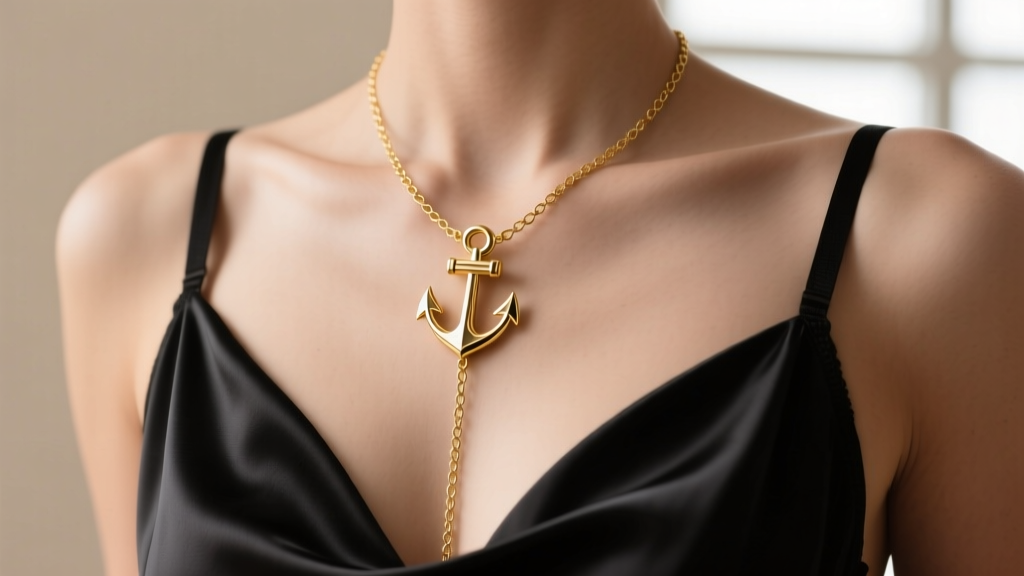
The fusion of intimate apparel and body modification has given rise to a highly specialized aesthetic niche. When styling body jewelry lingerie combinations—such as attaching delicate body chains to dermal anchors, or pairing high-waisted lace with draping navel rings—the stakes are significantly higher than standard ear piercings. The friction from silk, elastic, and lace, combined with the unique microclimate of intimate body areas, demands a strategic approach to budgeting and material selection.
As a domain expert in body piercing aesthetics, I frequently see enthusiasts make the costly mistake of prioritizing the visual drape of a chain over the structural integrity of the anchor. This guide provides a comprehensive budget and value assessment for piercings designed to interact with intimate apparel, ensuring your investment protects both your fistula and your high-end garments.
The Hidden Costs of Intimate Piercing Friction
When evaluating the true cost of body jewelry lingerie styling, you must account for the 'snag tax.' Intimate apparel features intricate lacework, delicate mesh, and tight elastic bands. Externally threaded jewelry or poorly polished cast pieces will catch on these fabrics, resulting in two types of financial loss: ruined textiles and damaged tissue.
A $15 surgical steel navel ring with a protruding threaded ball will eventually tear a $120 silk bodysuit. More importantly, the repetitive micro-trauma to the piercing fistula can lead to hypertrophic scarring or rejection, forcing you to pay for professional removal and eventual re-piercing. Therefore, the baseline requirement for any jewelry interacting with lingerie is internally threaded or threadless (push-pin) construction. According to the Association of Professional Piercers (APP), threadless and internally threaded jewelry ensures the portion passing through the tissue is completely smooth, eliminating the catch-points that destroy delicate fabrics and irritate healing fistulas.
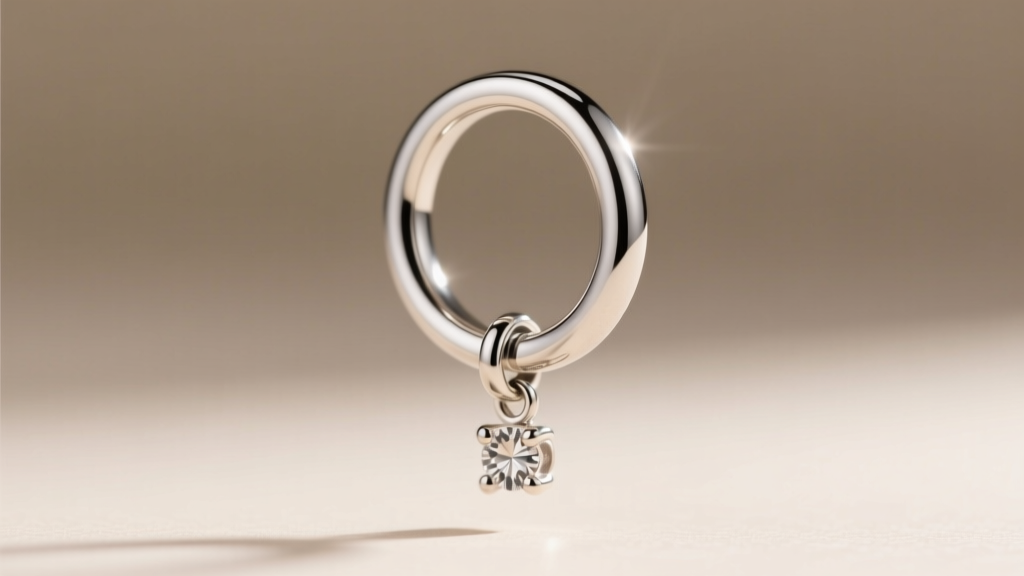
Material Value Matrix: What to Buy on a Budget
Not all metals hold up to the sweat, body oils, and friction associated with intimate wear. Below is a value assessment matrix to help you allocate your budget effectively when purchasing anchors and bars for body chains and lingerie drapes.
| Material Grade | Avg. Cost (Base/Bar) | Friction & Tarnish Resistance | Value Verdict for Intimate Wear |
|---|---|---|---|
| ASTM F-136 Implant-Grade Titanium | $25 - $60 | Exceptional; hypoallergenic, will not tarnish or react to sweat. | Best Overall Value. Mandatory for surface anchors and dermals hidden under tight fabrics. |
| Niobium | $30 - $75 | Excellent; highly biocompatible, softer than titanium but anodizable. | Great Alternative. Ideal for custom-colored rings that need to match specific lingerie hues. |
| 14k/18k Solid Gold (Nickel-Free) | $150 - $400+ | Superior; dense, polished finish glides seamlessly over lace and silk. | Premium Splurge. Best for visible navel drops or sternum dermals meant to be shown off. |
| 316L Surgical Steel | $8 - $20 | Poor; contains nickel, prone to microscopic pitting that snags fabrics. | Avoid. Not recommended for long-term intimate or friction-heavy wear. |
The 70/30 Budget Allocation Framework
When building a collection for body jewelry lingerie aesthetics, adopt the 70/30 rule. Dedicate 70% of your budget to the structural base (the dermal anchor, the surface bar, or the navel barbell) in premium ASTM F-136 titanium. Allocate the remaining 30% to the decorative tops or dangling charms. Because threadless systems allow you to swap out the visible gemstone or charm without removing the anchor, you can buy one high-quality titanium base and multiple budget-friendly titanium or gold-plated ends to match different lingerie sets.
Sizing and Gauge Standards for Lingerie-Adjacent Piercings
The structural failure of a piercing is often a sizing issue disguised as a material issue. When a dermal anchor or surface bar is used to clip a body chain, the tension and weight of the chain pull against the tissue. If the jewelry is too thin, it triggers the 'cheese-cutter effect,' where the jewelry slowly migrates and slices through the skin.
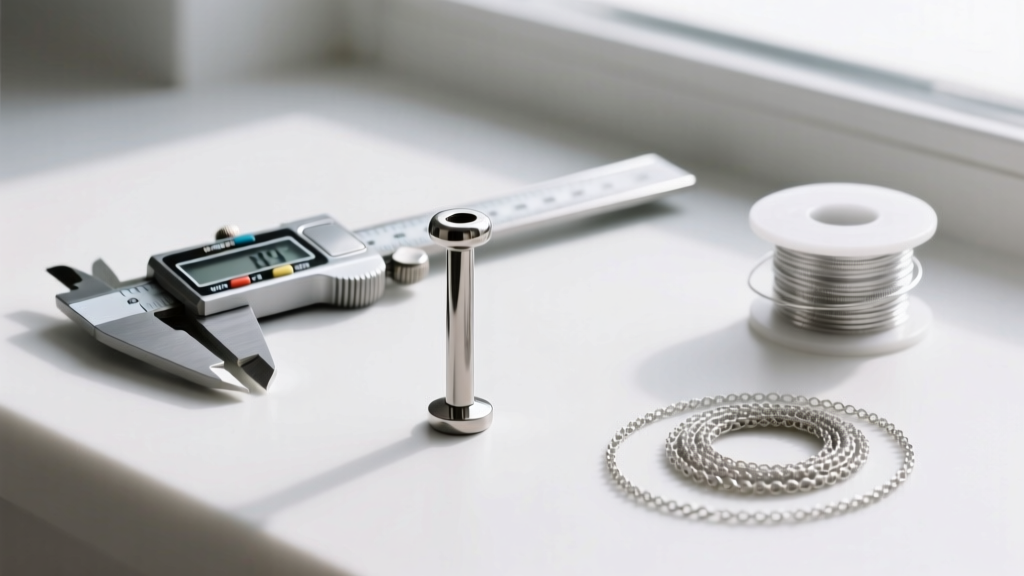
- Surface Bars (Sternum/Hip Anchors): Never use anything thinner than 14-gauge (1.6mm) for surface bars intended to hold body chains. A 12-gauge (2.0mm) is highly recommended for high-tension areas like the hips where underwear elastic rests. Furthermore, opt for a 3mm to 5mm 'rise' (the height of the post) to ensure the chain has clearance and doesn't pinch the skin against the bar.
- Dermal Anchors: Standard 12-gauge or 14-gauge dermal pockets are required. Ensure the base plate is properly fenestrated (has holes for tissue integration) to withstand the lateral pull of a draped chain.
- Navel Drapes: Standard 14-gauge (1.6mm) curved barbells are the industry standard. However, for high-waisted lingerie, the crucial metric is the drop length. A standard 10mm drop will hide beneath most lace waistbands; you will need a custom 12mm to 15mm drop to ensure the decorative charm rests visibly below the fabric line.
Maintenance Budget: Factoring in Aftercare and Replacement
A true value assessment must include the total cost of ownership. Piercings that interact with intimate apparel require rigorous hygiene protocols due to the accumulation of sweat, dead skin cells, and laundry detergent residues trapped by tight fabrics.
Budget approximately $30 to $50 annually for sterile wound wash (0.9% sodium chloride) and lint-free gauze. Avoid cotton swabs, as the fibers will wrap around threadless pins and dermal tops, creating a painful pulling hazard when removing tight clothing. Additionally, factor in a 'loss replacement' fund. Dermal tops can catch on lace and pop out. Investing in jewelry brands that use secure O-rings or precision-machined threadless tension pins will reduce the frequency of replacing lost $40 gemstone tops.
Top Value Brands for Body Chain Anchors & Navel Drapes
To maximize your budget, you must buy from manufacturers that adhere to strict metallurgical standards. Brands like BVLA (Body Vision Los Angeles) and NeoMetal are the gold standards for threadless and internally threaded jewelry. While a NeoMetal titanium threadless end might cost $25 compared to a $5 generic alternative on fast-fashion marketplaces, the NeoMetal piece features a precisely tensioned pin that will not fall out when snagged by a lace bodysuit, and a mirror-finish gem setting that won't scratch your skin or fabrics.
For budget-conscious buyers seeking high value, Industrial Strength Body Jewelry and Anatometal offer exceptional ASTM F-136 titanium bases and internally threaded options at slightly lower price points than BVLA, without compromising on the mirror-polish finish required for friction-heavy lingerie wear.
Final Verdict on Intimate Piercing Investments
Curating the perfect body jewelry lingerie aesthetic is an exercise in balancing visual drape with biomechanical reality. By prioritizing implant-grade titanium bases, insisting on threadless or internally threading, and respecting the gauge requirements for tension-bearing surface piercings, you protect your body and your wardrobe. True value in this niche isn't found in the cheapest upfront price, but in the longevity, comfort, and seamless integration of the metal against both your skin and your most delicate fabrics.


