Frenum Piercing Jewelry: 2026 Style & Trend Analysis
Explore 2026 frenum piercing jewelry trends, from implant-grade titanium curved barbells to seamless rings, ensuring safe, stylish intimate aesthetics.

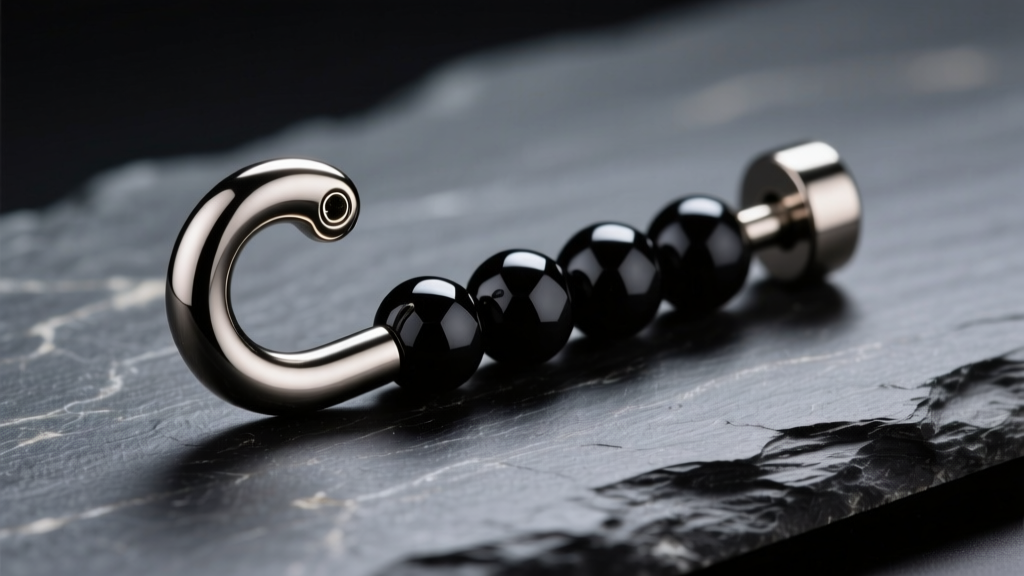
The Evolution of Intimate Aesthetics: Frenum Piercing Jewelry in 2026
The landscape of intimate body modification has undergone a radical transformation over the last decade, shifting from underground subcultures to curated, high-end personal aesthetics. At the forefront of this evolution is the frenum piercing, located on the ventral side of the penis where the glans meets the shaft. When selecting frenum piercing jewelry, the modern collector demands a flawless intersection of biocompatibility, anatomical safety, and sophisticated design. In 2026, the days of bulky, low-grade surgical steel are definitively over. Today’s market is driven by precision-machined, aesthetic-focused pieces that prioritize tissue health without sacrificing visual appeal.
Because the frenulum is a highly mobile, mucosal environment subject to significant friction and tension, jewelry selection is not merely a cosmetic choice—it is a critical medical decision. The wrong material or gauge can lead to rapid migration, tissue necrosis, or complete rejection. This comprehensive style and trend analysis breaks down the exact specifications, emerging aesthetics, and material mandates that define the pinnacle of intimate jewelry in 2026.
Material Mandates: Beyond Basic Surgical Steel
For decades, 316L surgical stainless steel was the industry default. However, modern metallurgical standards and a deeper understanding of contact dermatitis have relegated steel to the archives for fresh or high-friction piercings. Surgical steel contains nickel, an allergen that can trigger localized immune responses, leading to swelling and eventual rejection in sensitive genital tissue.
The undisputed gold standard for frenum piercing jewelry is ASTM F136 Implant-Grade Titanium, specifically ELI (Extra Low Interstitial). This alloy is entirely nickel-free, highly resistant to corrosion from bodily fluids, and possesses a surface finish that resists bacterial adhesion. For healed piercings, Niobium has surged in popularity due to its ability to be anodized into vibrant, permanent colors without the use of toxic dyes or plating. Additionally, solid 14k or 18k gold—provided it is alloyed with palladium rather than nickel—remains a premium choice for those seeking luxury, though it requires meticulous aftercare to prevent scratching.
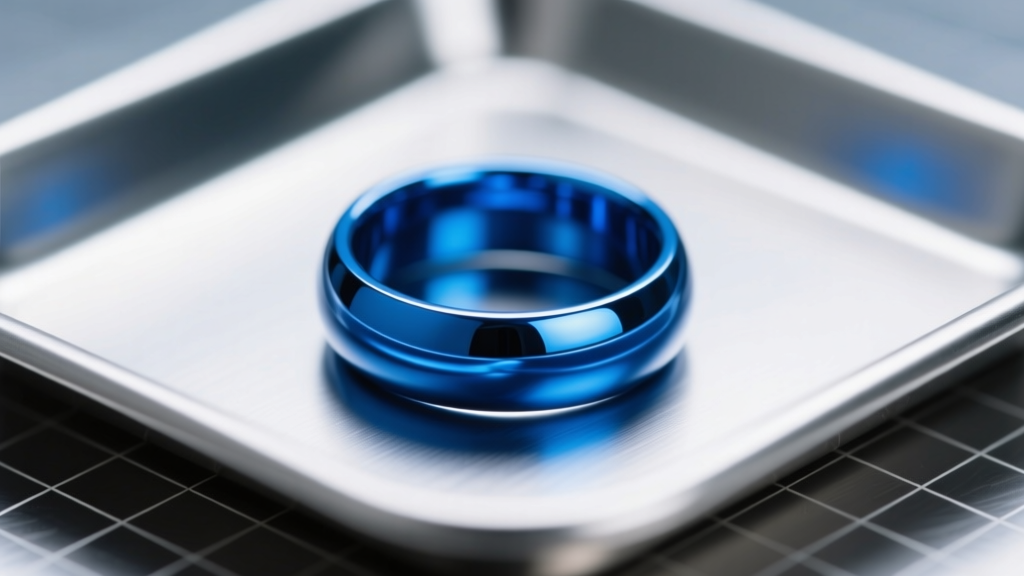
According to the Association of Professional Piercers (APP), only materials that can be reliably sterilized in an autoclave and possess a mirror-polish finish should be introduced to the body. Matte or rough finishes on sub-par metals can harbor pathogens, making high-end, mirror-polished titanium the only logical starting point for initial jewelry.
Gauge Sizing and the "Cheese Cutter" Prevention Protocol
The most frequent point of failure in intimate piercings is improper gauge selection. The frenulum is a relatively thin band of tissue. If jewelry is too thin, the natural tension of the erection and the friction of daily movement will cause the metal to slowly slice through the tissue—a phenomenon known in the piercing community as the "cheese cutter effect." This leads to painful migration and inevitable rejection.
To combat this, 2026 industry standards dictate a minimum thickness for frenum jewelry. While some outdated studios may still pierce at 12-gauge, reputable professionals now advocate for heavier jewelry to distribute weight and tension evenly across the fistula.
| Gauge Size | Millimeter | Migration Risk | 2026 Recommendation |
|---|---|---|---|
| 14g | 1.6mm | Extreme | Avoid entirely; high rejection rate |
| 12g | 2.0mm | High | Not recommended for long-term wear |
| 10g | 2.4mm | Low | Minimum standard for initial piercing |
| 8g | 3.2mm | Very Low | Ideal for most healed frenum piercings |
| 6g | 4.0mm | Minimal | Reserved for intentionally stretched tissue |
Upgrading to an 8-gauge (3.2mm) curved barbell or segment ring drastically reduces the surface pressure on the tissue, effectively neutralizing the cheese cutter effect and ensuring the longevity of the piercing.
2026 Style Trends: What’s Dominating the Market
As the demand for intimate body art has matured, so too has the design language of the jewelry. The 2026 trends reflect a desire for stealth, sophistication, and seamless functionality.
1. The Matte-Finish and PVD-Coated Curved Barbell
While mirror-polished titanium remains the medical standard for healing, healed frenum piercings are seeing a massive shift toward Physical Vapor Deposition (PVD) coatings. PVD allows titanium to be coated in deep, matte gunmetal, stealth black, or dark rose gold without introducing allergens. These matte finishes reduce light reflection, offering a subtle, modern aesthetic that appeals to minimalist collectors. Furthermore, PVD coatings are incredibly durable and will not flake or degrade in high-friction environments.
2. Seamless Segment Rings for Healed Anatomy
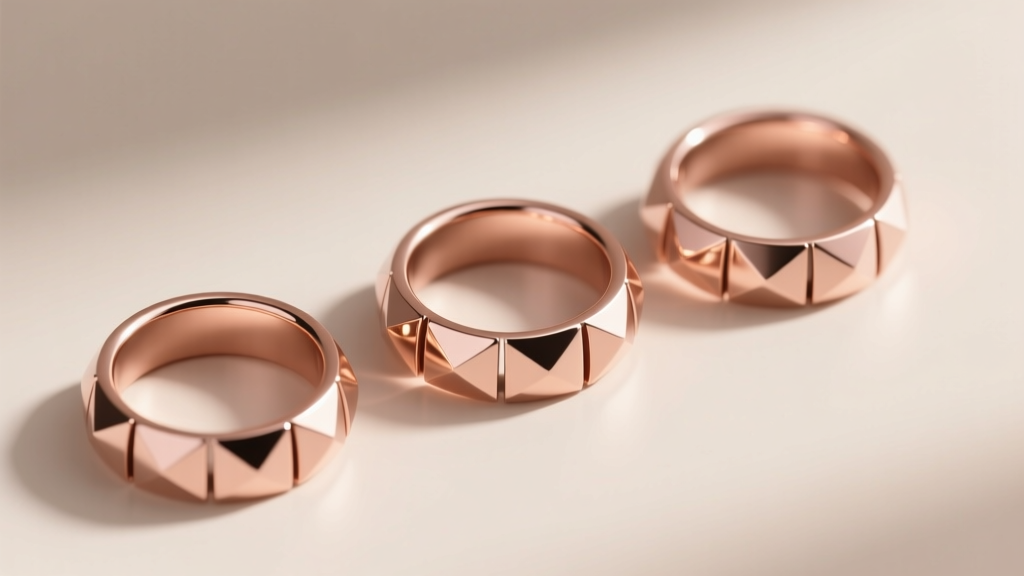
The traditional Captive Bead Ring (CBR) has long been a staple, but the bead itself presents a snag hazard during intimacy and daily life. In 2026, hinged segment rings and seamless continuous rings have largely overtaken CBRs for healed frenums. These rings feature a flush-fitting segment that clicks securely into place, creating a perfectly smooth, uninterrupted circle. This design eliminates snag points, maximizes comfort, and provides a sleek, continuous line that accentuates the anatomy.
3. The Frenum Ladder and Cohesive Stacking
The frenum ladder—stacking two to four piercings vertically along the frenulum—remains a highly sought-after configuration. The current trend emphasizes strict uniformity. Rather than mixing and matching styles, collectors are opting for identical 8-gauge threadless segment rings or matching curved barbells with uniform gemstone ends. This creates a cohesive, architectural look that highlights the precision of the piercing placement.
Mechanics Matter: Internal Threading vs. Threadless
The structural mechanics of the jewelry are just as critical as the material. External threading—where the screw threads are on the post that passes through the tissue—is universally condemned by reputable piercers. Forcing threaded metal through a delicate fistula causes micro-tears, inviting infection and scar tissue formation.
In 2026, the market is entirely dominated by two superior alternatives:
- Internally Threaded Jewelry: The threads are located on the inside of the decorative end, while the post passing through the body is perfectly smooth. Brands like Anatometal and Industrial Strength have perfected this, ensuring a flush fit that prevents tissue trauma.
- Threadless (Press-Fit) Systems: Pioneered by companies like NeoMetal, threadless jewelry uses a tiny, bent pin that creates tension inside a hollow post. This is increasingly the preferred choice for intimate piercings because it completely eliminates the risk of ends unscrewing during vigorous activity, while offering a completely smooth insertion process.
Sourcing Authentic, High-End Intimate Jewelry
When investing in frenum piercing jewelry, provenance is paramount. The market is flooded with cheap, unverified imitations from overseas manufacturers that falsely claim to be implant-grade. Authentic, high-end pieces from reputable brands like Anatometal, Industrial Strength (IS), and NeoMetal typically range from $45 to $85 for basic titanium hardware, and can exceed $150 when factoring in high-quality, bezel-set gemstone ends. While the upfront cost is higher, the investment guarantees metallurgical purity, precise threading tolerances, and long-term tissue health.
Aftercare and Long-Term Maintenance
Even the most exquisite, perfectly fitted jewelry will fail if the aftercare protocol is neglected. The healing window for a frenum piercing typically spans 8 to 12 weeks, though full tissue maturation can take up to six months. The APP Genital Piercing FAQ emphasizes that less is often more when it comes to aftercare.
The only recommended cleaning agent is sterile, 0.9% sodium chloride saline solution. Harsh chemicals, including rubbing alcohol, hydrogen peroxide, and tea tree oil, must be strictly avoided. These substances desiccate the delicate mucosal tissue, destroying new cellular growth and prolonging the healing process. Furthermore, maintaining the jewelry requires periodic checks of the threading or tension-fit ends to ensure they remain secure, preventing accidental loss or tissue irritation from loose components.
"Intimate piercings require an uncompromising approach to jewelry quality. The dynamic nature of the tissue demands materials and gauges that work in harmony with the body's natural movements, rather than fighting against them." — Senior Piercing Educator, 2026 Body Art Symposium.
By prioritizing implant-grade materials, respecting the physics of gauge sizing, and embracing the sleek, functional design trends of 2026, you can ensure that your frenum piercing jewelry remains a safe, stunning, and permanent addition to your personal aesthetic.


