How to Sterilize Body Jewelry: Trend-Proof Care Guide
Discover how to sterilize body jewelry safely. Expert guide covering autoclave, ultrasonic, and chemical methods for modern piercing trends.

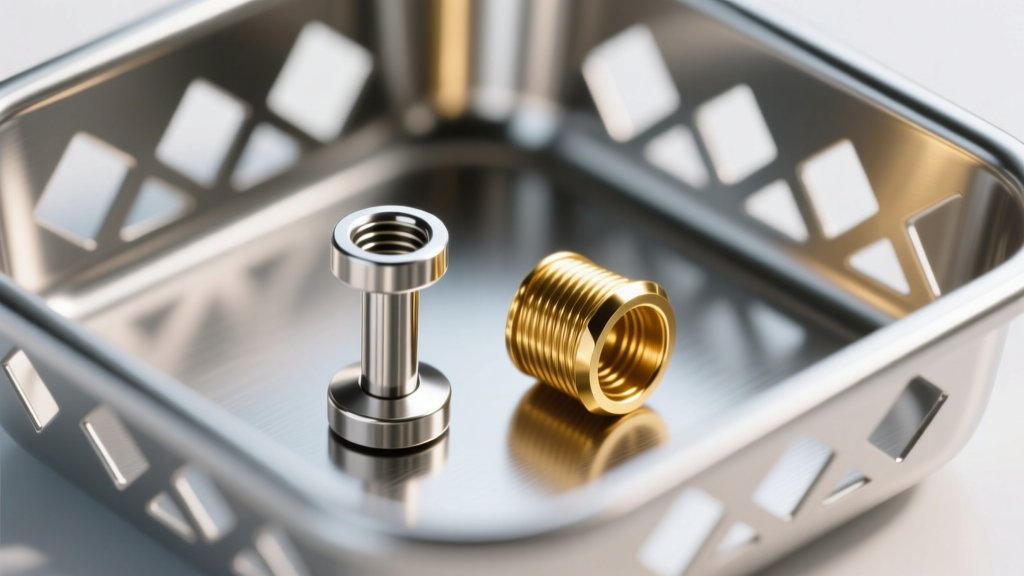
Body jewelry has evolved far beyond basic surgical steel hoops. Today, the piercing landscape is dominated by intricate, high-end wearable art. However, as jewelry designs become more complex, understanding how to sterilize body jewelry has never been more critical. Intricate settings trap dead skin and sebum, while porous organic materials harbor bacteria if treated incorrectly. Whether you are swapping out a fresh dermal top or maintaining a curated ear project, improper cleaning can ruin expensive pieces or lead to severe infections.
In this comprehensive guide, we break down the science of jewelry sterilization, analyzing how modern style trends impact hygiene protocols and providing actionable, material-specific frameworks for safe at-home and studio care.
The Modern Jewelry Trend Landscape: Why Sterilization is Harder Now
The shift toward hyper-customization has introduced new challenges for piercing aftercare. The current market favors complex threadless ends, mixed-metal segment rings, and a massive resurgence in carved organic materials like horn, wood, and bone. While visually stunning, these trends create microscopic environments where pathogens thrive.
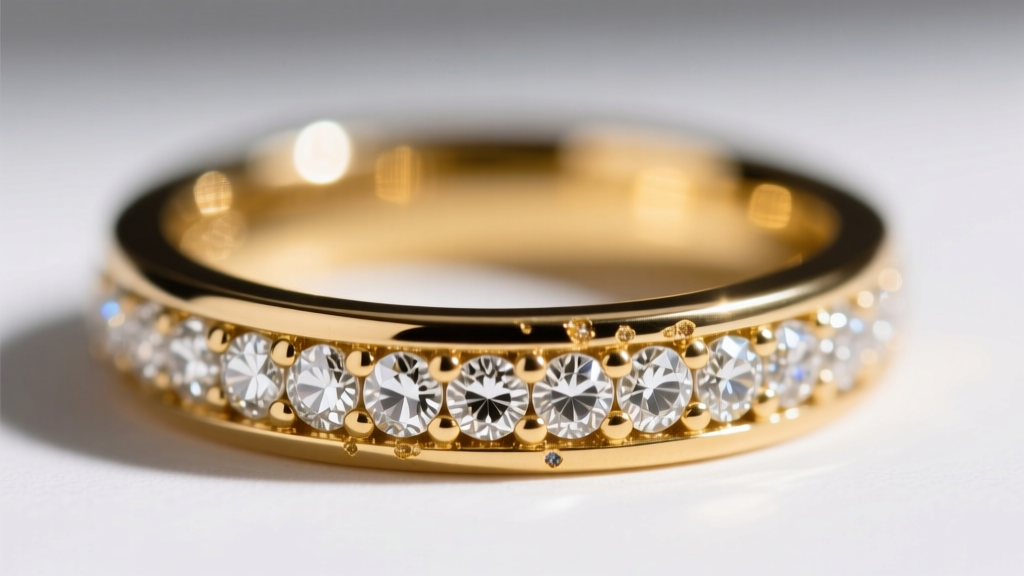
- Micro-Pave Settings: Tiny gems set closely together with minimal metal prongs create debris magnets. Sebum and dead skin cells easily lodge between the stones, requiring specialized agitation to remove.
- Threadless and Internally Threaded Mechanics: The microscopic gap between a threadless pin and the jewelry shaft can trap moisture and bacteria if not completely dried after cleaning.
- Organic Resurgence: Boho-chic trends have brought back wood and horn plugs. Unlike metals, these materials are highly porous and will warp, crack, or harbor dangerous bacterial colonies if exposed to traditional heat sterilization.
How to Sterilize Body Jewelry: Material-by-Material Breakdown
There is no universal sterilization method. Applying the wrong technique can strip anodized colors, fracture delicate gemstones, or melt acrylics. Below is a decision matrix based on material grades and current trend applications.
| Material Grade | Trend Application | Autoclave Safe? | Ultrasonic Safe? | Recommended Method |
|---|---|---|---|---|
| Implant-Grade Titanium (ASTM F-136) | Labrets, barbells, clickers | Yes | Yes | Autoclave or Ultrasonic + 70% IPA |
| Solid 14k/18k Gold | Threadless ends, chains | No (Risk to gems) | Yes (Gentle) | Ultrasonic + Mild Surfactant |
| Niobium | Seamless rings, anodized pieces | Yes | Yes (Water only) | Autoclave or gentle IPA wipe |
| Organics (Wood, Horn, Bone) | Plugs, tapers, ear weights | No | No | Antibacterial soap + Mineral oil |
| Acrylic / Bioplast | Retainers, novelty ends | No | No | Cold chemical soak only |
The Autoclave Standard for Implant-Grade Metals
True sterilization—the complete destruction of all microbial life, including bacterial spores—requires an autoclave. According to the CDC Steam Sterilization Guidelines, standard gravity autoclaves operate at 121°C (250°F) at 15 psi for a minimum of 30 minutes. This is the gold standard for implant-grade titanium (ASTM F-136) and solid niobium. However, you must never autoclave jewelry featuring heat-sensitive adhesives, opals, or acrylic components, as the thermal shock will fracture stones and melt synthetic parts.
Ultrasonic Cleaners: The At-Home Compromise
For high-end collectors who do not have access to a medical-grade autoclave, a 40kHz ultrasonic cleaner is the most effective at-home alternative. While the Association of Professional Piercers (APP) notes that ultrasonic cleaning achieves high-level disinfection rather than absolute sterilization, the process of acoustic cavitation is unmatched for physically dislodging debris from micro-pave settings and internal threads. The microscopic bubbles implode against the jewelry, blasting away sebum that a soft brush simply cannot reach.
Step-by-Step: How to Sterilize Body Jewelry at Home Safely
If you are swapping jewelry from a healed piercing and need to prep it for storage or re-insertion, follow this rigorous protocol to ensure high-level disinfection without damaging your pieces.
- Mechanical Pre-Cleaning: Use a brand-new, soft-bristled baby toothbrush and a drop of pH-neutral dish soap to gently scrub the jewelry under warm running water. This removes the bulk of surface lipids and skin cells.
- The Ultrasonic Bath: Fill your ultrasonic cleaner with distilled water and a single drop of mild surfactant. Submerge the jewelry (metals and hard gems only) and run a 3-minute cycle at 40kHz. Never use bleach, ammonia, or alcohol in an ultrasonic tank, as the cavitation can aerosolize toxic fumes and pit the metal.
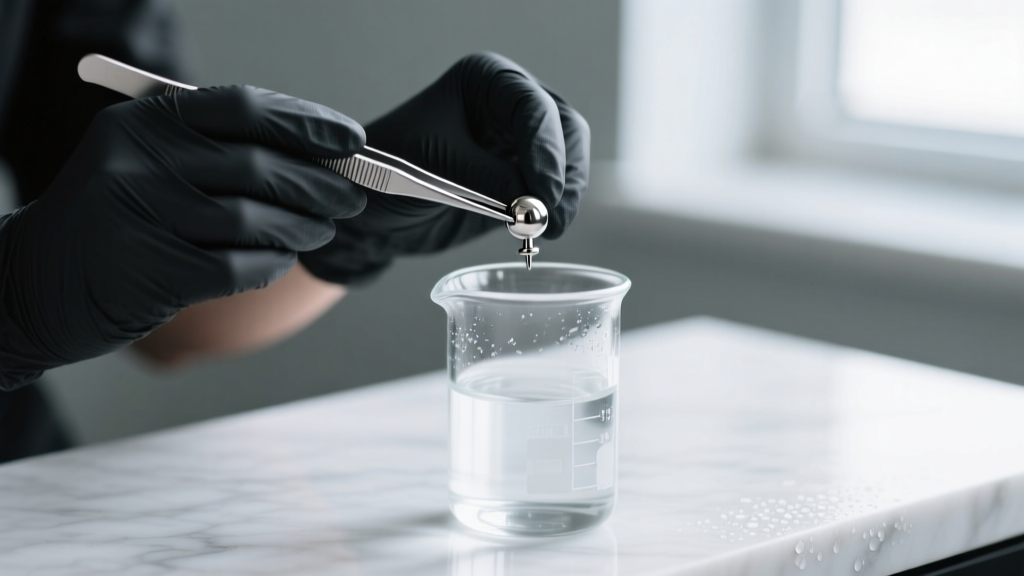
- Chemical Disinfection: Using clean nitrile gloves, remove the jewelry and rinse with distilled water. Submerge the pieces in a glass beaker filled with 70% isopropyl alcohol (IPA) for 10 minutes. (Note: 70% is more effective than 90% because the water content slows evaporation, allowing the alcohol to penetrate bacterial cell walls).
- Drying and Storage: Remove the jewelry with sterilized brass tweezers. Allow it to air dry completely on a sterile gauze pad. Moisture trapped in a threadless pin joint will cause corrosion. Store in an airtight, UV-sterilized jewelry box.
Common Sterilization Mistakes Ruining Trendy Pieces
Even experienced collectors make errors when dealing with specialized materials. Avoid these costly mistakes to preserve the integrity of your collection:
Expert Warning: Never boil anodized titanium jewelry in harsh chemical solutions. Anodizing is a controlled oxidation layer on the surface of the metal. Prolonged exposure to boiling water mixed with alkaline soaps can strip this oxide layer, instantly reverting your vibrant purple or gold clicker back to dull silver.
The Boiling Water Myth
Boiling jewelry in water on a stove is a widespread internet myth. While it reaches 100°C (212°F), it does not maintain the sustained, pressurized heat required to kill resilient bacterial spores. Worse, the rolling boil causes jewelry to bang against the metal pot, scratching high-polish gold and dulling mirror finishes. Furthermore, if your gold threadless end features prong-set gems, the rapid temperature fluctuations can cause thermal shock, fracturing diamonds or loosening the prongs entirely.
Alcohol and Organic Materials
When caring for the trending wood and horn plugs, never use isopropyl alcohol or hydrogen peroxide. These chemicals aggressively strip the natural moisture and oils from organic materials, leading to micro-fractures, warping, and a rough surface texture that will harbor bacteria and irritate your piercing. Instead, wipe organics with a damp cloth and antibacterial soap, dry immediately, and condition them weekly with pure, unrefined jojoba oil or mineral oil.
Final Thoughts on Jewelry Hygiene and Style
As body jewelry continues to blur the line between medical implant and luxury fashion accessory, your maintenance routines must evolve. Knowing exactly how to sterilize body jewelry based on its specific material composition is the hallmark of a responsible collector. By investing in an ultrasonic cleaner, respecting the thermal limits of your gemstones, and utilizing proper chemical disinfection, you ensure that your curated piercings remain as safe as they are stunning.


