Jacob's Ladder Piercing Jewelry: 2026 Budget & Value Guide
Discover the true cost of Jacob's ladder piercing jewelry in 2026. Compare implant-grade titanium vs. gold, gauge specs, and budget-friendly value tips.

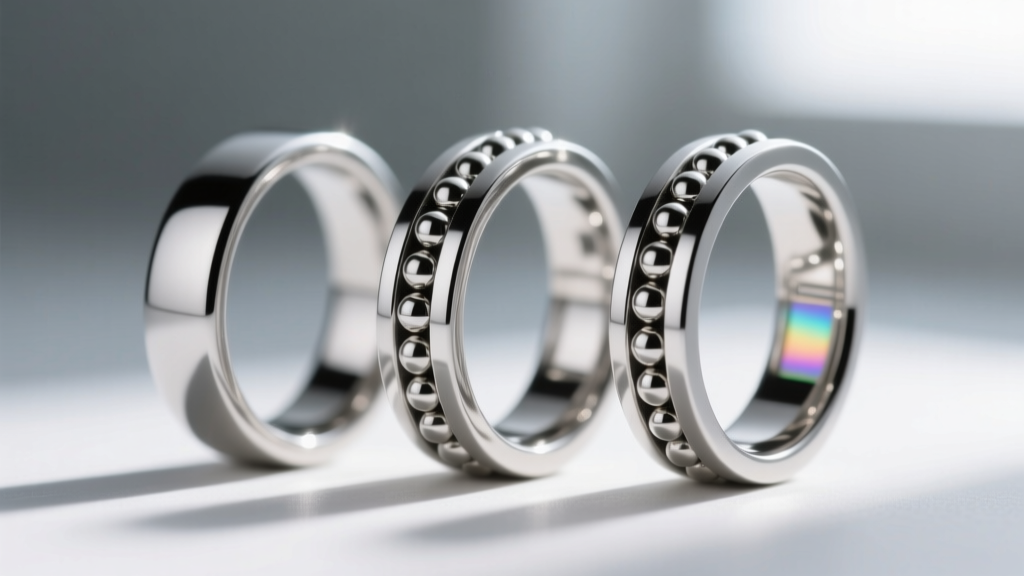
The True Cost of a Jacob's Ladder: Beyond the Initial Price Tag
When enthusiasts explore genital modifications, the Jacob's ladder remains one of the most visually striking and anatomically complex configurations. Unlike a standard Prince Albert, a true Jacob's ladder consists of a series of sequential piercings—typically three to six individual frenum or shaft piercings—that create a "ladder" effect. Because this modification requires multiple pieces of jewelry, budgeting for jacob's ladder piercing jewelry is not a simple single-item purchase; it is a compounded investment in your long-term anatomical health.
In 2026, the market for body jewelry has seen slight price adjustments due to the rising costs of medical-grade raw materials and precision CNC machining. However, the fundamental rule of genital piercings remains unchanged: you cannot afford to cut corners on material quality. The delicate, highly vascular tissue of the genital region is exceptionally prone to allergic contact dermatitis, migration, and infection if subjected to subpar alloys. This guide breaks down the exact costs, material grades, and structural requirements you need to make an informed, budget-conscious decision without sacrificing safety.
The Multiplier Effect: Calculating Your Total Investment
The most common budgeting mistake clients make is pricing out a single ring and multiplying it by their desired number of "rungs" on the ladder. While this gives you a baseline for the hardware, it ignores the reality of piercing studio pricing structures. Most reputable studios charge a base piercing fee per puncture, plus the cost of the jewelry.
If you are planning a four-rung ladder, you are paying for four separate procedures, four separate pieces of sterilized jewelry, and four separate healing periods. Therefore, the value assessment of your jewelry must be viewed through the lens of cost-per-wear and healing reliability. Cheap jewelry that causes a single piercing to reject will cost you hundreds of dollars in re-piercing fees and leave permanent scar tissue, effectively ruining the aesthetic symmetry of the entire ladder.
Material Breakdown: Where to Save and Where to Splurge
The Association of Professional Piercers (APP) maintains strict guidelines on what constitutes safe, biocompatible jewelry for initial healing and long-term wear in genital piercings. Here is how the top materials stack up in terms of budget and value for 2026.
Implant-Grade Titanium (ASTM F136)
This is the undisputed champion of value. Implant-grade titanium is lightweight, highly polished, completely nickel-free, and exceptionally strong. Brands like Industrial Strength and Anatometal offer precision-machined titanium rings that are perfect for the heavy wear-and-tear of a Jacob's ladder. It provides the safest healing environment at the most accessible price point.
Niobium
Niobium is a highly reactive metal that is completely biocompatible and can be anodized into a spectrum of vibrant colors without the use of toxic dyes or plating. While slightly softer than titanium, it is an excellent alternative for those with extreme metal sensitivities. However, it is often harder to source in the heavier gauges required for genital piercings, which can artificially inflate the price.
Solid 14k and 18k Gold
Gold is a premium splurge. For a multi-piercing configuration like a Jacob's ladder, outfitting every rung in solid 14k or 18k gold will exponentially increase your budget. If you desire the look of gold but need to manage costs, consider using titanium for the initial healing phase and upgrading to gold segment rings only after the fistulas are fully mature (typically 6 to 12 months post-piercing).
| Material Grade | Avg. Price (10g-6g) | Total Cost (4-Rung Ladder) | Healing Safety | Long-Term Value |
|---|---|---|---|---|
| Implant-Grade Titanium (F136) | $22 - $45 | $88 - $180 | Excellent | Highest |
| Niobium (Anodized) | $30 - $55 | $120 - $220 | Excellent | High |
| Solid 14k Gold | $140 - $250 | $560 - $1,000 | Very Good | Moderate (High upfront cost) |
| Solid 18k Gold | $200 - $400+ | $800 - $1,600+ | Very Good | Moderate (Soft metal) |
| "Surgical" Stainless Steel | $8 - $15 | $32 - $60 | Poor (Nickel risk) | Negative (Rejection risk) |
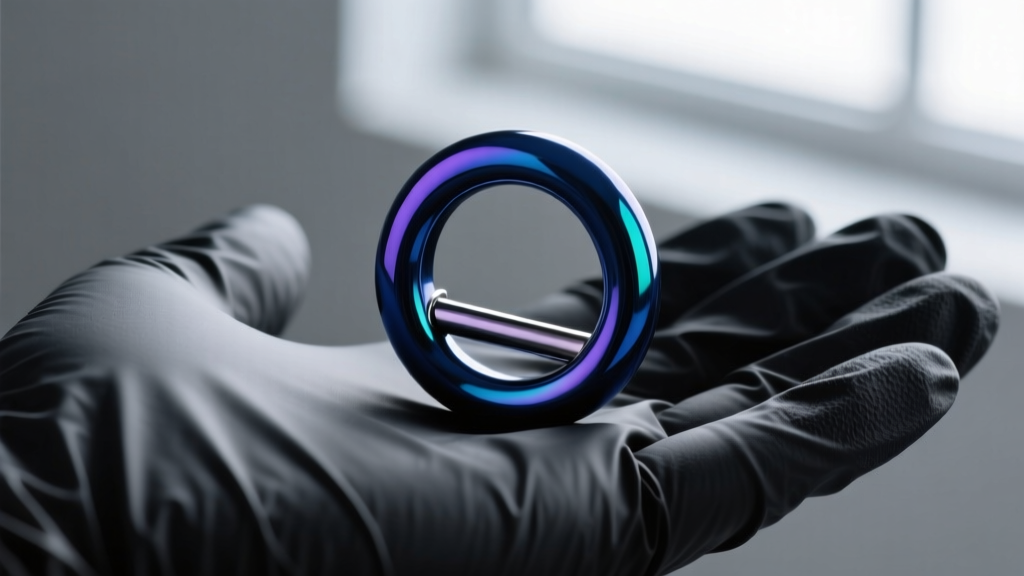
Gauge Sizing and the "Cheese Cutter" Effect
One of the most critical aspects of budgeting for jacob's ladder piercing jewelry is understanding gauge thickness. In the pursuit of cheaper prices, many online retailers stock genital jewelry in 14-gauge (1.6mm) or 12-gauge (2.0mm) thicknesses. Do not buy these.
Genital tissue is subject to significant friction, tension, and accidental snagging. When a thin ring is subjected to this tension, it acts like a wire slicing through a block of cheese—a phenomenon known in the body modification community as the "cheese cutter effect." Over time, a thin ring will slowly migrate through the tissue, eventually tearing through the skin entirely.
To prevent this, the APP recommends a minimum of 10-gauge (2.4mm) for initial genital piercings, with 8-gauge (3.2mm) or 6-gauge (4.0mm) being the gold standard for long-term stability in a ladder configuration. While 6-gauge titanium rings cost slightly more than 12-gauge rings due to the extra raw material and heavier machining requirements, they are a non-negotiable investment to prevent catastrophic tissue tearing.
Threading and Joinery: The Hidden Failure Points
When evaluating the price of captive bead rings (CBRs) or circular barbells, you must inspect how the jewelry closes. The tension of the metal and the precision of the joinery dictate the longevity of the piece.
- Seamless Segment Rings: High-end brands like NeoMetal and BVLA use precision CNC machining to create segment rings where the seam is virtually invisible. This prevents tissue from catching in the joint and harboring bacteria. They are more expensive but offer unparalleled value for a multi-ring ladder setup.
- Captive Bead Rings (CBRs): The classic choice. The bead is held in place by the natural tension of the ring. Cheaper CBRs lose their tension over time, leading to lost beads and exposed, sharp wire ends. Invest in high-tension, premium-grade CBRs.
- Internal vs. External Threading: If you opt for circular barbells (horseshoes), the threading must be internal (the screw is on the bead, not the bar). External threading features sharp ridges that will tear the delicate fistula of a healing or healed genital piercing every time it is removed. Never purchase externally threaded genital jewelry under any circumstances.
"A Jacob's ladder is a marathon, not a sprint. The tissue between each rung needs structural support. Using heavy-gauge, internally threaded or seamless titanium isn't just a preference; it's the difference between a lifelong modification and a torn frenum."
— Consensus guidelines from APP-certified genital piercing specialists.
2026 Pricing Reality Check: Spotting the Scams
As e-commerce continues to flood the market with dropshipped body jewelry, consumers must be vigilant. If you find a "6-gauge implant-grade titanium segment ring" selling for $6 on a mega-retailer site, it is almost certainly mislabeled. True ASTM F136 titanium requires certified sourcing and rigorous polishing protocols to achieve a mirror finish that won't harbor pathogens.
Furthermore, cheap rings often suffer from poor anodizing or electroplating. Plated jewelry (like gold-plated steel) will quickly wear away in the high-friction environment of a genital ladder, exposing the reactive base metals directly to your mucous membranes and bloodstream. Always purchase from dedicated, reputable body jewelry manufacturers or directly from an APP-member studio.
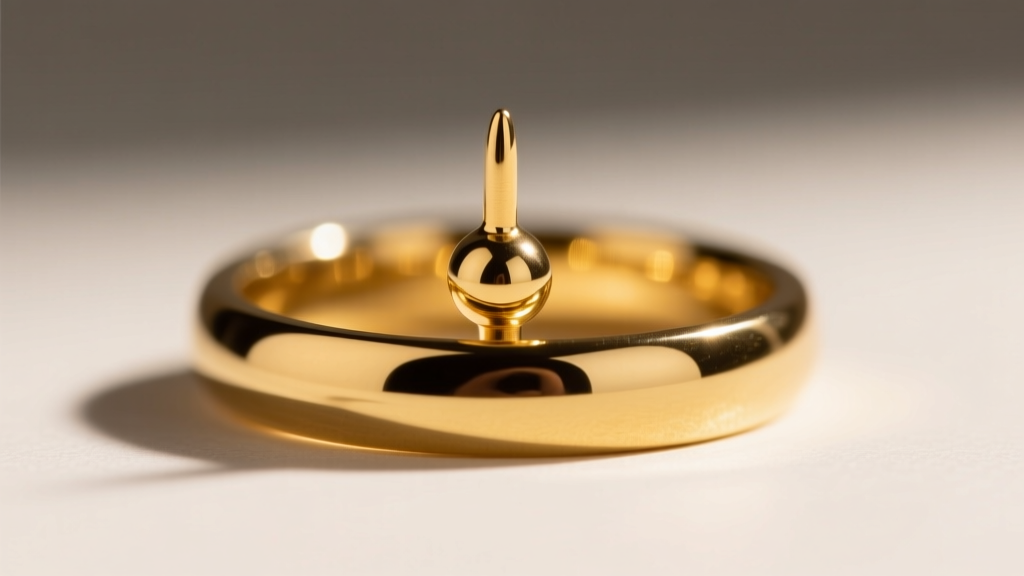
Red Flags: Cheap Jewelry Failure Modes
To maximize your budget, you must understand how cheap jewelry fails. Recognizing these failure modes will save you from wasting money on replacements:
- Pitting and Porosity: Low-quality casting methods leave microscopic pits in the metal surface. In a genital piercing, these pits trap dead skin cells, lymph, and bacteria, leading to chronic odor and recurrent localized infections.
- Tension Fatigue: Cheap CBRs are often stamped rather than machined. Repeated opening and closing for hygiene will cause the metal to fatigue, eventually snapping or losing the tension required to hold the bead.
- Allergic Sensitization: Even if you don't currently have a nickel allergy, prolonged exposure to the nickel found in cheap "surgical steel" can trigger adult-onset contact dermatitis, forcing you to abandon the piercings entirely.
Final Verdict: Maximizing Your Genital Piercing Budget
Outfitting a Jacob's ladder requires a strategic approach to budgeting. The smartest financial path in 2026 is to prioritize implant-grade titanium (ASTM F136) in a heavy gauge (8g or 6g) for the entirety of the ladder. This provides maximum biocompatibility, structural integrity, and aesthetic uniformity at a fraction of the cost of solid gold.
By allocating your budget toward high-quality, seamlessly machined rings from reputable manufacturers, you eliminate the hidden costs of infection treatments, lost beads, and the devastating expense of repairing migrated or torn tissue. A Jacob's ladder is a profound commitment to body modification; ensure the jewelry holding it together reflects the permanence and value of the art.


