Surgical Piercing Jewelry Trends: 2026 Aesthetics and Metal Grades
Explore 2026 surgical piercing jewelry trends, from PVD-coated finishes to ASTM F138 titanium upgrades, blending high fashion with healing safety.

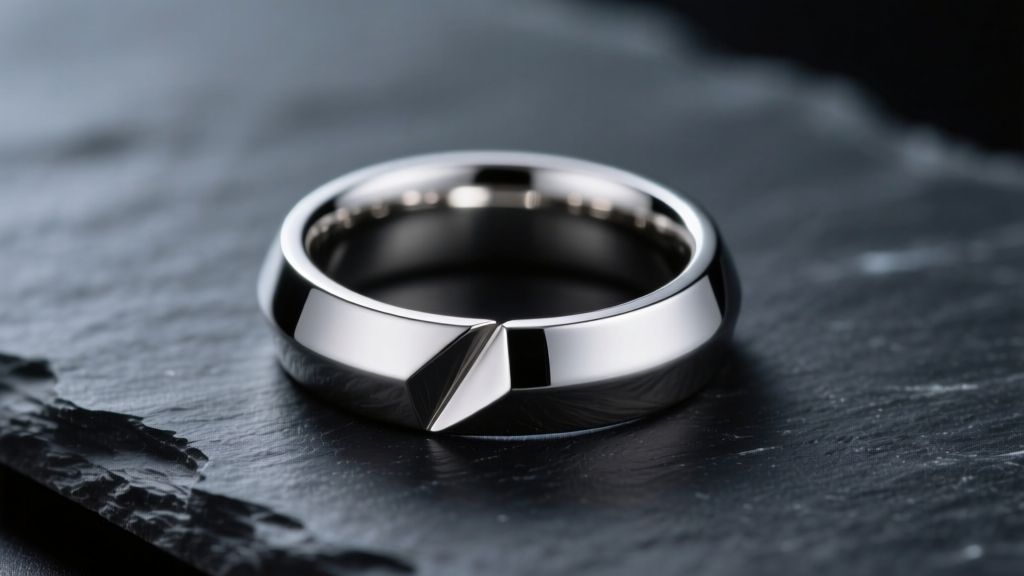
The 'Surgical' Misnomer: What We Are Actually Wearing in 2026
In the body modification community, the term 'surgical steel' is one of the most widely used—and widely misunderstood—descriptors in the market. As we navigate the style and trend landscape of 2026, the demand for surgical piercing jewelry has evolved from a simple desire for affordable silver-toned hoops to a highly educated consumer base demanding specific metallurgical certifications. The modern piercing enthusiast no longer accepts vague marketing terms; they want to know the exact alloy composition, the surface polish quality, and the biocompatibility of their jewelry. This shift has forced the industry to adapt, resulting in a fascinating intersection where high-fashion aesthetics meet rigorous medical-grade material science.
To truly understand the current market, we must first dismantle the myth of 'surgical steel' as a single, uniform material. In reality, it is a broad marketing umbrella that covers several distinct stainless steel alloys. The aesthetic trends of 2026—heavy on brutalist minimalism, dark academia PVD coatings, and architectural gauge upsizing—rely heavily on the structural integrity of these metals. But how do these trendy pieces hold up against the biological realities of a healing fistula? The answer lies deep within the crystalline structure of the alloys themselves.
316L vs. ASTM F138: The Metallurgy Breakdown
The most common alloy found in budget-friendly and mid-tier body jewelry is 316L stainless steel. The 'L' stands for low carbon, which helps prevent carbide precipitation during the manufacturing and welding processes. However, 316L still contains between 10% and 14% nickel, an essential element used to stabilize the austenitic structure of the steel and provide its signature corrosion resistance. For fully healed piercings, high-quality 316L is generally well-tolerated by the majority of the population. But the gold standard for implant-grade stainless steel is 316LVM (Vacuum Melted). The vacuum melting process removes microscopic impurities and creates a highly uniform grain structure, drastically reducing the risk of pitting and localized corrosion.
| Material Grade | Standard Designation | Nickel Content | Best Use Case | Avg. Price (USD) |
|---|---|---|---|---|
| 316L Stainless | Commercial Grade | 10-14% | Fully healed piercings, budget fashion | $12 - $25 |
| 316LVM Stainless | ASTM F138 Compliant | 10-14% (Low Release) | Healed piercings, sensitive skin | $25 - $45 |
| Ti-6Al-4V ELI | ASTM F136 Compliant | 0% | Fresh piercings, severe allergies | $35 - $85 |
| PVD-Coated 316L | Surface Modified | 0% Surface Release | Healed piercings, high-fashion trends | $30 - $65 |
2026 Style Trends: Beyond the Silver Hoop
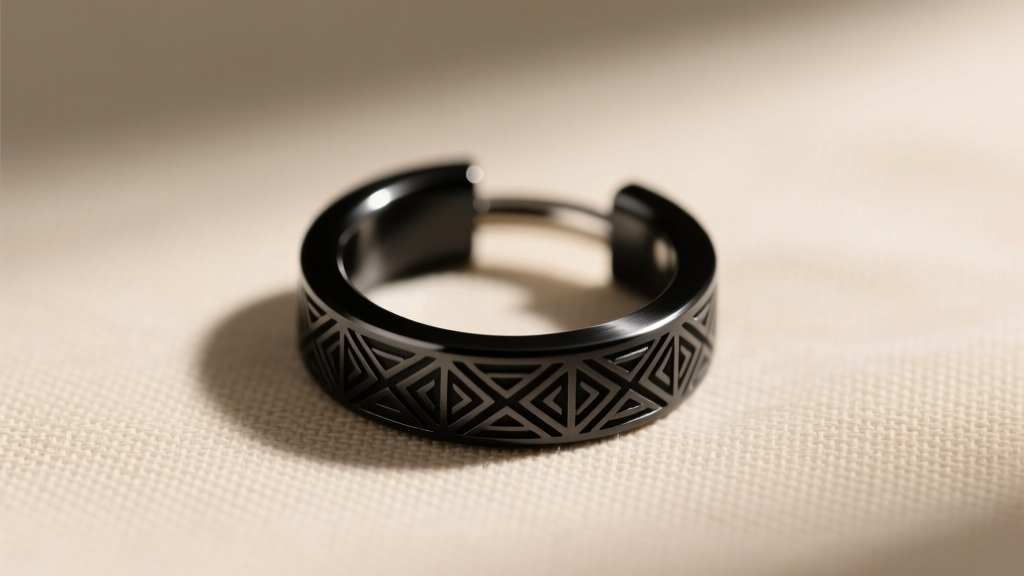
This year, the aesthetic direction of surgical piercing jewelry has taken a decidedly bold and experimental turn. The delicate, barely-there wire hoops of the early 2020s have been replaced by structural, intentional pieces that treat the body as an architectural canvas. Here are the dominant trends defining the 2026 landscape:
- Matte Black and Gunmetal PVD Coatings: Physical Vapor Deposition (PVD) has revolutionized how we color steel. Unlike traditional electroplating, which paints a layer of metal that can flake and expose the nickel-rich core, PVD uses a vacuum chamber to vaporize titanium nitride or zirconium, bonding it to the steel at a molecular level. This creates a biocompatible, scratch-resistant surface that is completely hypoallergenic. In 2026, matte black and dark gunmetal PVD finishes on 316LVM clickers and segment rings are the undisputed kings of the 'dark minimalist' aesthetic.
- Architectural Gauge Upsizing: There is a massive movement away from standard 18-gauge (1.0mm) and 16-gauge (1.2mm) jewelry in favor of thicker, more substantial pieces. Piercers and clients are increasingly opting for 14-gauge (1.6mm) and even 12-gauge (2.0mm) for septum, daith, and conch piercings. This isn't just a visual choice; thicker jewelry significantly reduces the 'cheese-cutter effect'—a phenomenon where thin wire slowly migrates through tissue due to tension. The result is a bolder, more permanent-looking silhouette that aligns perfectly with modern industrial fashion.
- The Threadless Revolution: Internal threading has long been the standard for high-end steel, but 2026 belongs to the threadless (press-fit) system. Machined 316LVM shafts paired with interchangeable, precision-fit decorative ends allow for infinite styling without the risk of cross-threading or losing a tiny screw. Brands are now offering surgical steel shafts with intricate, cast-metal ends that mimic the look of high-end platinum and white gold, providing a luxury aesthetic at a fraction of the precious metal cost.
The Nickel Factor: Navigating Allergies and EU Standards
'The presence of nickel in an alloy does not automatically make it unsafe, but the rate of nickel release in a high-chloride environment like a fresh, weeping piercing is the true danger metric.' — Metallurgical Guidelines for Body Adornment
Despite the advancements in PVD coatings and vacuum melting, the biological reality of nickel allergies remains a critical factor in jewelry selection. Under the strict EU REACH regulations, the permissible nickel release rate for prolonged skin contact is capped at 0.5 µg/cm²/week. While high-quality 316LVM steel easily passes this test in a dry, stable environment, a fresh piercing is anything but stable.
When a piercing is healing, it produces lymph, blood, and cellular debris. These fluids are rich in chloride ions. Chloride ions are highly aggressive and can attack the passive chromium oxide layer that protects stainless steel from corrosion. When this passivation layer is compromised, microscopic pitting occurs, leading to a sudden, localized spike in nickel release. This is exactly why the Association of Professional Piercers (APP) strictly advises against using any stainless steel—including 316LVM—for initial, unhealed piercings. For fresh tissue, implant-grade titanium (ASTM F136) remains the only universally safe option. Surgical steel is strictly reserved for the post-healing aesthetic phase.
Pricing Tiers and Brand Spotlights
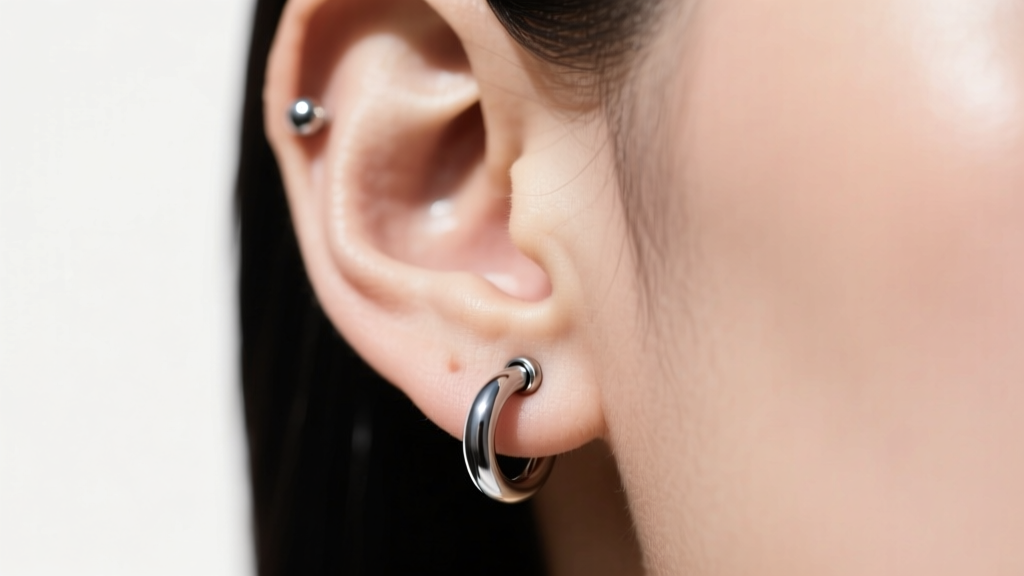
As the demand for certified, body-safe materials has grown, the market has stratified into distinct pricing tiers. Understanding where your money is going is essential for building a safe, stylish jewelry collection.
At the bottom of the barrel are the 'mall kiosk' and fast-fashion brands, pricing basic 316L hoops between $8 and $15. These pieces often suffer from poor surface polishing (which harbors bacteria), questionable alloy sourcing, and crude external threading that can tear the fistula upon insertion. Moving up to the mid-tier boutique brands ($18 to $35), you begin to see proper mirror polishing, reliable 316LVM sourcing, and the introduction of threadless systems. Finally, the high-end machined tier ($40 to $75+) features brands that machine their jewelry from solid surgical steel bar stock, ensuring flawless tolerances, perfectly smooth seams on segment rings, and full ASTM F138 compliance documentation. Investing in the mid-to-high tier is non-negotiable for anyone who values both their health and the longevity of their jewelry's finish.
Final Verdict: When to Choose Surgical and When to Upgrade
Surgical piercing jewelry in 2026 is a triumph of modern manufacturing and aesthetic bravery. The integration of PVD coatings and the shift toward bold, structural gauges have made steel more relevant and fashionable than ever before. However, the golden rule of body modification remains unchanged: respect the biology of the tissue. Use implant-grade titanium to establish the piercing and allow the fistula to mature. Once fully healed, transition to high-quality, ASTM F138 compliant 316LVM or PVD-coated surgical steel to explore the cutting-edge trends of the year. By understanding the metallurgy behind the metal, you can safely curate a collection that is as biologically harmonious as it is visually striking.


