Thistle Piercing & Fine Jewelry: Budget and Value Guide
Assess the true cost and long-term value of thistle piercing & fine jewelry. Compare titanium and gold prices, material grades, and investment ROI.

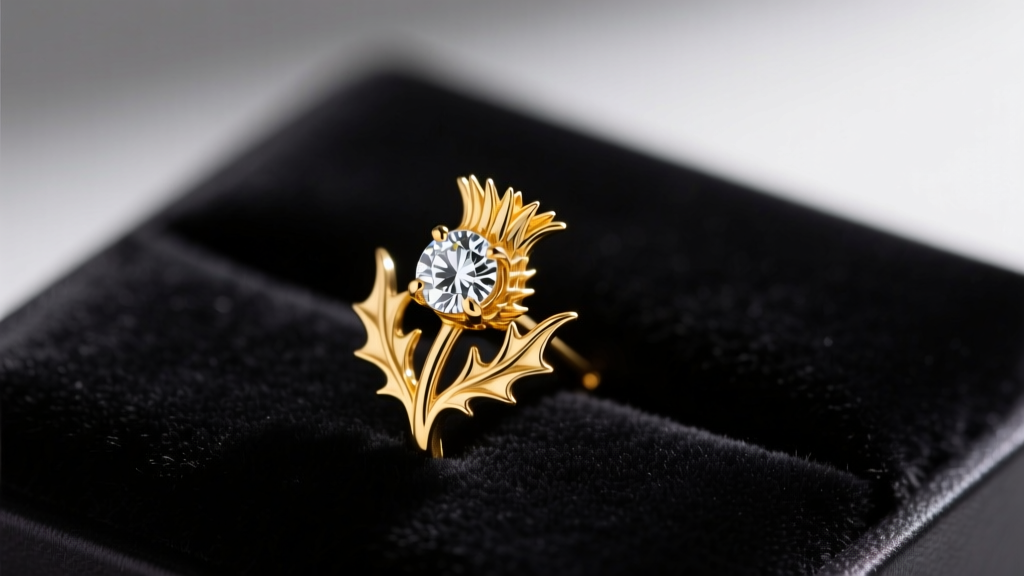
The Allure of Botanical Fine Body Jewelry
When curating a high-end ear curation or upgrading a healed facial piercing, the intersection of intricate design and premium metallurgy is paramount. The thistle motif—symbolizing resilience, nobility, and intricate natural beauty—has become a highly sought-after design in the luxury body modification community. However, navigating the market for thistle piercing & fine jewelry requires a discerning eye for both aesthetic brilliance and material integrity. As we evaluate the 2026 fine jewelry landscape, consumers are increasingly moving away from fast-fashion body jewelry, opting instead for heirloom-quality pieces that offer lifelong biocompatibility and unmatched sparkle.
But what exactly justifies the premium price tag attached to fine body jewelry? Is a solid gold thistle end truly worth ten times the cost of a standard surgical steel alternative? In this comprehensive budget and value assessment, we break down the material science, pricing matrices, and long-term cost-per-wear analysis to help you make an informed investment in your body jewelry collection.
Material Science: What Justifies the Premium Price?
To understand the value of fine piercing jewelry, we must first examine the metallurgy. The human body is a harsh environment for metals, characterized by fluctuating temperatures, moisture, and varying pH levels. According to the Association of Professional Piercers (APP), only specific, highly regulated alloys are safe for long-term wear in the body.
ASTM F-136 Implant-Grade Titanium
For the base of any high-quality piercing setup (the post or barbell), ASTM F-136 implant-grade titanium is the gold standard. It contains zero nickel, eliminating the risk of contact dermatitis, and boasts a highly polished mirror finish that prevents bacterial adhesion. While a standard titanium thistle end might be anodized to mimic gold, it lacks the intrinsic precious metal value and the specific light-refracting qualities of solid gold.
14k vs. 18k Solid Gold Alloys
Fine jewelry brands like BVLA (Body Vision Los Angeles) and Maria Tash utilize nickel-free 14k and 18k gold. Pure 24k gold is too soft for the intricate prongs required to hold gemstones in a detailed thistle design. Therefore, it is alloyed with metals like silver, copper, zinc, and palladium. 14k gold (58.5% pure gold) offers superior durability and scratch resistance, making it ideal for active lifestyles. 18k gold (75% pure gold) provides a richer, warmer hue and a higher intrinsic material value, though it requires slightly more care to prevent micro-abrasions on the delicate spires of a thistle motif.
Budgeting for Thistle Piercing & Fine Jewelry
The cost of fine body jewelry is rarely flat; it fluctuates based on the precious metal market, the complexity of the CAD (Computer-Aided Design) machining, and the quality of the gemstones set into the piece. Below is a realistic 2026 pricing matrix for a high-quality, internally threaded or threadless thistle piercing end (excluding the base post).
| Material & Design Tier | Gemstone Quality | Average Price Range (USD) | Best For |
|---|---|---|---|
| Implant-Grade Titanium (Anodized) | AAA Synthetic Cubic Zirconia | $45 - $85 | Strict budgets, initial healing phases |
| 14k Solid Gold (Yellow/White/Rose) | VS-Clarity Lab-Grown Diamonds | $180 - $320 | Daily wear, high durability, long-term value |
| 18k Solid Gold (Premium Alloys) | Natural Earth-Mined Diamonds | $450 - $900+ | Heirloom investments, luxury ear curations |
| Custom CAD-Machined Platinum/18k | Custom-Cut Sapphires/Rubies | $1,200 - $2,500+ | Bespoke collectors, one-of-a-kind art pieces |
Note: Pricing assumes standard sizes (e.g., 5mm to 8mm ends). Larger statement pieces or complex cluster thistles will command a higher premium due to increased metal weight and stone-setting labor.
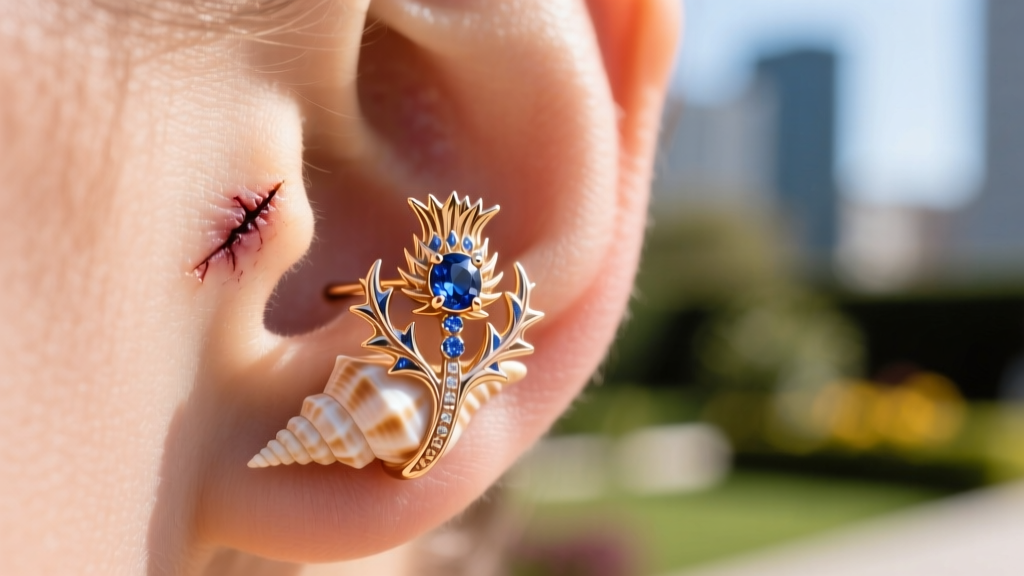
The Value Assessment: Cost-Per-Wear Analysis
When assessing the budget for fine jewelry, the most effective metric is the Cost-Per-Wear (CPW). Unlike a necklace or ring that you might take off before sleeping, body jewelry in healed piercings (like a conch, tragus, or nostril) is often worn 24/7/365.
Let us evaluate a $300 14k gold thistle end with lab-grown diamonds. If you wear this piece continuously for five years (1,825 days), your cost-per-wear is approximately $0.16 per day. Over a decade, it drops to pennies. Furthermore, because solid gold and implant-grade titanium do not tarnish, corrode, or degrade, the jewelry retains a high secondary market value. A well-maintained piece from a reputable brand can often be resold or traded in the thriving secondary body jewelry market for 40% to 60% of its original retail price, drastically lowering the net cost of ownership.
The Hidden Costs of Budget Alternatives
Conversely, purchasing a $20 surgical steel or gold-plated thistle end introduces severe hidden costs. Surgical steel contains up to 8% nickel, which can leach into the piercing channel, causing allergic contact dermatitis. Gold-plated brass or copper bases will inevitably wear through the microscopic plating layer due to friction and body chemistry, exposing the base metal. This leads to irritation bumps, granulomas, and hyperpigmentation. The cost of treating these complications—ranging from specialized aftercare products to medical dermatology visits or professional piercer consultations for downsizing—frequently exceeds the initial savings of buying cheap jewelry.
Custom vs. Stock Thistle Designs
Another factor influencing your budget is whether you opt for stock designs or custom commissions. Stock thistle ends are produced in small batches using master molds and CNC machining, keeping the price relatively accessible within the fine jewelry tier. Custom designs, however, require a jeweler to build a unique 3D CAD model tailored to your specific anatomy and piercing angle. While a custom thistle cluster designed to perfectly hug the curvature of your daith or rook will cost significantly more upfront (often requiring a non-refundable design deposit), it guarantees a flawless fit that stock pieces cannot always achieve in complex ear topographies.
Sourcing Authentic Fine Piercing Jewelry
The market is unfortunately saturated with counterfeit fine jewelry. To protect your investment and your health, only purchase from verified luxury body jewelry brands or APP-certified piercing studios. When buying online, ensure the retailer provides a certificate of authenticity for the gemstones and explicitly states the metal alloy composition (e.g., 14k Nickel-Free Palladium White Gold). Avoid general e-commerce marketplaces where metallurgical claims cannot be independently verified, as mislabeled metals are a leading cause of delayed healing and rejection in fine piercings.
Final Verdict: Is the Fine Jewelry Investment Worth It?
When evaluating thistle piercing & fine jewelry through a strict budget lens, the initial sticker shock of solid gold and precision-set gemstones can be daunting. However, when amortized over a lifetime of daily wear, the cost-per-wear of fine jewelry is exceptionally low. More importantly, the value extends beyond mere economics; it encompasses the preservation of your piercing health, the elimination of allergic reactions, and the daily joy of wearing a miniature, master-crafted piece of art. For those who view their piercings as a permanent canvas, investing in high-grade, nickel-free precious metals is not just a luxury—it is the most logical, cost-effective, and biocompatible decision available in the modern body modification landscape.


