Best Hypoallergenic Piercing Jewelry Materials for Sensitive Skin
Compare top hypoallergenic piercing jewelry materials like implant-grade titanium and niobium. Find the safest metals for sensitive skin and fresh piercings.

The Science of Metal Allergies in Piercings
When navigating the world of body modification, the term "hypoallergenic piercing jewelry" is frequently thrown around as a catch-all marketing buzzword. However, from a metallurgical and dermatological standpoint, the term is largely unregulated and often misleading. True biocompatibility in body jewelry relies on the metal's ability to resist corrosion and prevent the leaching of reactive ions into the surrounding tissue.
The primary culprit behind piercing allergies is nickel. When jewelry containing nickel is exposed to the slightly acidic environment of human sweat and interstitial fluid, it releases nickel salts. These ions bind to skin proteins, creating a complex that the immune system identifies as a foreign invader. This triggers Allergic Contact Dermatitis (ACD), characterized by localized swelling, intense itching, weeping fluid, and hyperpigmentation. According to the National Center for Biotechnology Information (NCBI), nickel allergy affects approximately 10% to 20% of the general population, making it the most common contact allergen worldwide.
To ensure a piercing heals correctly and remains healthy long-term, you must look past the "hypoallergenic" label and examine the exact ASTM (American Society for Testing and Materials) standards and alloy compositions of the jewelry you are inserting into your body.
Implant-Grade Titanium: The Undisputed Champion
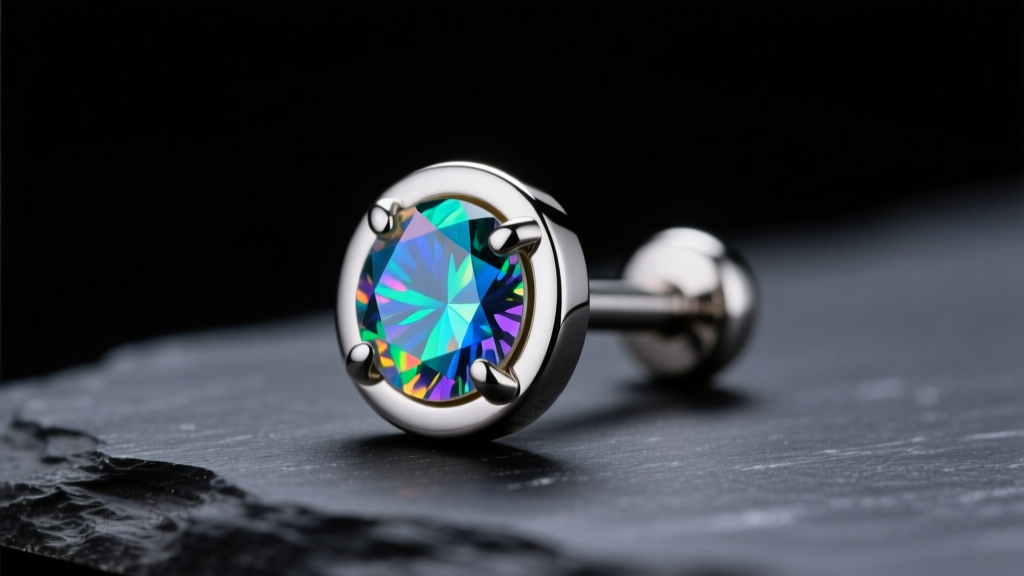
For fresh piercings and individuals with severe metal sensitivities, implant-grade titanium is the gold standard recommended by the Association of Professional Piercers (APP). However, not all titanium is created equal. You must specifically look for ASTM F-136 compliant jewelry, which designates Ti6Al4V ELI (Extra Low Interstitial) titanium alloy.
ASTM F-136 vs. Commercially Pure Titanium
ASTM F-136 titanium contains roughly 90% titanium, 6% aluminum, and 4% vanadium. The "ELI" designation means it has ultra-low levels of interstitial elements like oxygen and iron, making it exceptionally strong, lightweight, and completely nickel-free. This is the exact same material used in orthopedic joint replacements and cardiac pacemaker casings. High-end brands like NeoMetal and Industrial Strength utilize this grade for their threadless and internally threaded designs.
In contrast, ASTM F-67 designates commercially pure (CP) titanium. While also nickel-free and generally safe for healed piercings, CP titanium is softer and more prone to scratching. Scratches can harbor bacteria and create micro-abrasions in the fistula (the piercing channel), which is why F-136 remains the superior choice for initial piercings and long-term wear in high-friction areas like the nostril or tragus.
Niobium: The Reactive, Nickel-Free Alternative
Niobium (Element 41) is a highly reactive, unalloyed transition metal that shares many biocompatible properties with titanium. Because it is used in its pure, elemental form rather than as an alloy, there is zero risk of hidden nickel or lead contaminants. Niobium is exceptionally malleable, making it the preferred material for captive bead rings (CBRs) and segment rings that require bending to open and close.
The Magic of Anodization
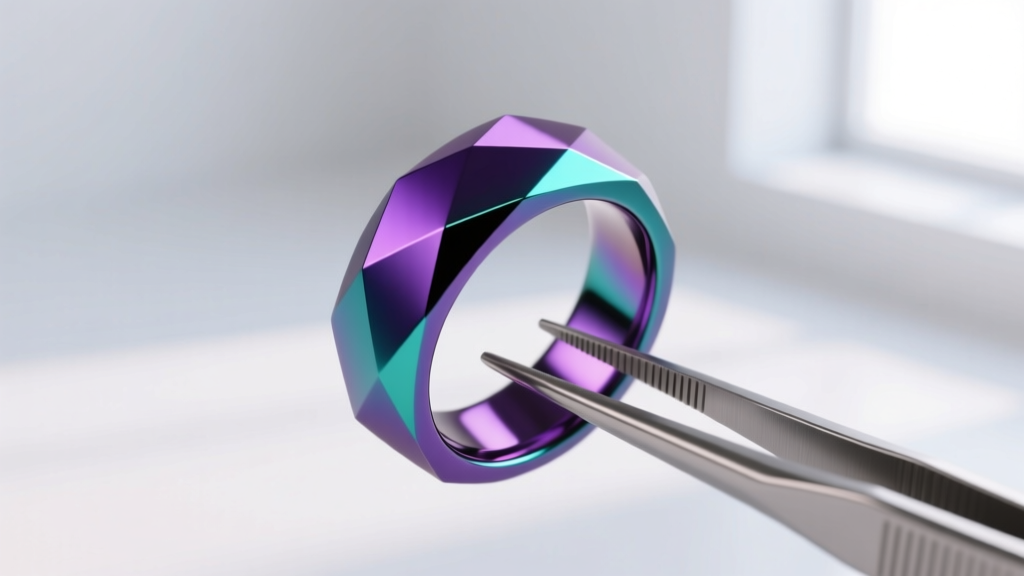
One of the most unique properties of niobium is its ability to be anodized. Unlike plated jewelry, where a layer of color is painted or dipped onto the surface (which can flake off inside a piercing), anodization uses an electrical current to thicken the natural oxide layer on the metal's surface. By adjusting the voltage, piercers can create a spectrum of vibrant colors—from deep purples and teals to gold and rose gold—without introducing any dyes, paints, or allergenic compounds. If you have a healed piercing and want a custom color match, a professional piercer can anodize a piece of niobium jewelry right in front of you in seconds.
Solid Gold: Navigating Karats and Alloys
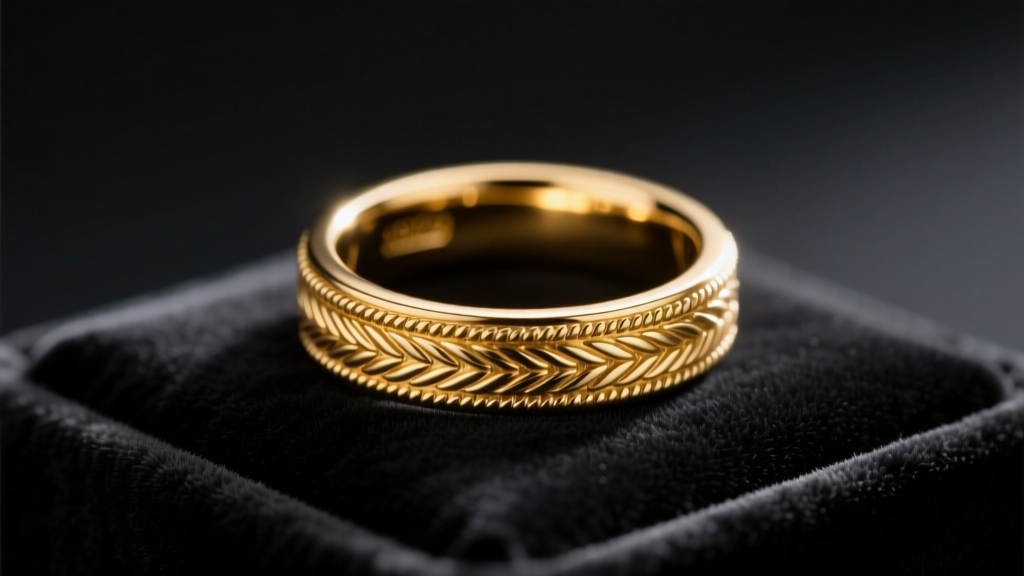
Solid gold is a luxurious and highly biocompatible option for healed piercings, provided it meets strict purity and alloying standards. Pure 24-karat gold is entirely hypoallergenic, but it is far too soft for body jewelry; it will easily scratch, warp, and harbor bacteria. Therefore, gold must be alloyed with other metals to increase its hardness and durability.
Why 14k and 18k are the Sweet Spots
For body jewelry, 14-karat (58.5% gold) and 18-karat (75% gold) are the optimal choices. The critical factor for sensitive skin is what the gold is alloyed with. To create white gold, manufacturers traditionally alloy yellow gold with nickel, which completely negates its hypoallergenic properties. When shopping for white gold piercing jewelry, you must verify that it is palladium-alloyed or silver-alloyed. Premium manufacturers like BVLA and Maria Tash strictly use nickel-free, palladium-based white gold to ensure their pieces remain safe for sensitive skin.
Always avoid gold-plated, gold-filled, or vermeil jewelry for piercings. The microscopic friction of a piercing channel will quickly wear away the thin outer layer of gold, exposing the reactive base metal (often brass or surgical steel) directly to your bloodstream and tissue.
The "Surgical Steel" Marketing Trap
The most pervasive myth in the piercing industry is that "surgical steel" or "surgical stainless steel" is inherently hypoallergenic. In reality, the most common steel used in budget jewelry is 316L or 316L VM stainless steel. This alloy contains between 10% and 14% nickel to prevent rust and increase tensile strength.
While the nickel in 316L is largely bound within the metal's crystalline structure, the harsh environment of a healing piercing can cause enough ion migration to trigger a severe allergic response in sensitized individuals. Furthermore, the EU Nickel Directive (EN 1811:2011) strictly limits nickel migration from prolonged skin-contact items to 0.5 µg/cm²/week. Many mass-produced 316L steel jewelry items fail to meet this standard when subjected to the acidic conditions of a fresh wound. Surgical steel is acceptable for some people in fully healed, low-movement piercings, but it should never be classified as truly hypoallergenic.
Comprehensive Material Comparison Matrix
| Material | Standard / Grade | Nickel Content | Avg. Price Range (Basic) | Best Application |
|---|---|---|---|---|
| Titanium (Implant) | ASTM F-136 | 0% (Nickel-Free) | $15 - $40 | Fresh piercings, severe allergies |
| Niobium | Elemental (99.9%) | 0% (Nickel-Free) | $20 - $50 | Healed rings, custom anodizing |
| Solid Gold | 14k / 18k (Pd-alloy) | 0% (If Pd-alloyed) | $60 - $250+ | Healed piercings, luxury wear |
| Stainless Steel | 316L VM | 10% - 14% | $5 - $15 | Healed piercings (non-allergic) |
| Sterling Silver | 925 | Varies (often contains Cu/Ni) | $10 - $30 | Never use in piercings |
Real-World Troubleshooting: Allergy vs. Irritation
Before discarding your jewelry and assuming you have a metal allergy, it is crucial to differentiate between an allergic reaction and mechanical irritation. Up to 80% of suspected "allergies" are actually irritation bumps caused by poor jewelry design or improper aftercare.
The Threading Factor
Externally threaded jewelry (where the screw is on the post that passes through the skin) acts like a cheese grater on the delicate fistula. These micro-tears introduce metal shavings and bacteria into the tissue, causing swelling and bumps that mimic an allergic response. Always opt for internally threaded (the screw is on the decorative end) or threadless (push-pin) jewelry. Brands like NeoMetal utilize a threadless tension-fit system that eliminates threading entirely, providing a perfectly smooth post that glides through the piercing without causing trauma.
Gauge and Angle Mismatches
Wearing the wrong gauge can also cause chronic inflammation. For example, a standard nostril piercing is typically performed at 18-gauge (1.0mm) or 16-gauge (1.2mm). If you attempt to force a 20-gauge wire into a 16-gauge hole, the jewelry will move excessively, causing the "cheese-cutter effect" and resulting in localized swelling. Similarly, if a straight barbell is placed in a curved piercing channel (like a navel or rook), the constant pressure on the entry and exit points will cause persistent irritation bumps, regardless of how pure the titanium or gold might be. Always consult an APP-certified piercer to assess your anatomy and ensure your hypoallergenic piercing jewelry is perfectly matched to your unique physiology.


