Troubleshooting Pearl Body Jewelry: Restore Luster & Fix Damage
Discover expert troubleshooting for pearl body jewelry. Learn how to restore luster, fix loose settings, and prevent damage in cartilage and lobe piercings.

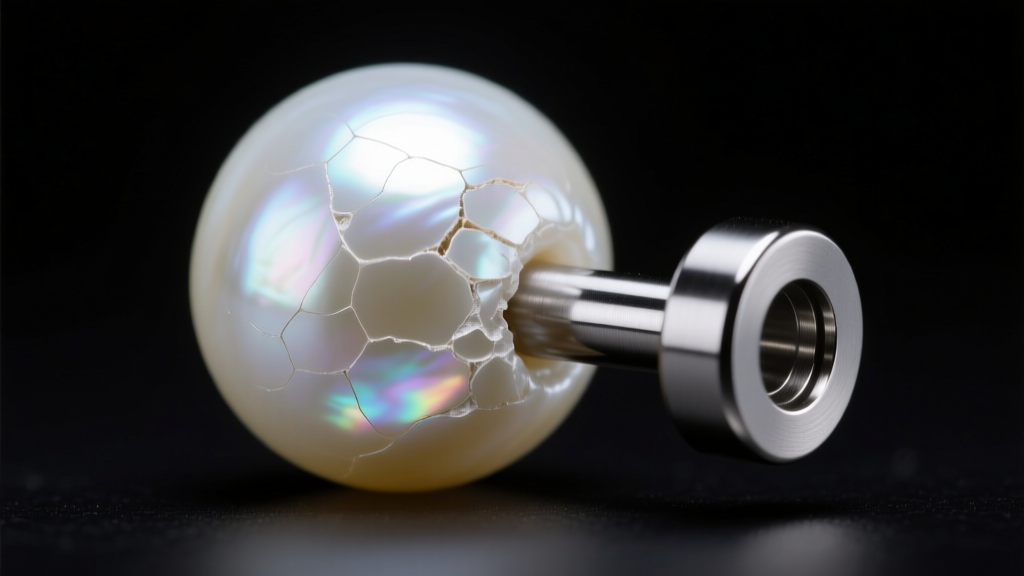
Pearl body jewelry offers an unmatched, organic elegance that elevates any ear curation, helix, or lobe piercing. However, unlike crystalline gemstones such as diamonds or sapphires, pearls are biological structures. They are composed primarily of calcium carbonate (aragonite) crystals bound together by an organic protein called conchiolin. This unique makeup gives pearls their signature orient and luster, but it also makes them highly vulnerable to the harsh, saline, and acidic environment of the human body. When your favorite pearl top begins to look chalky, loses its luster, or falls out of its setting, standard jewelry cleaning methods can cause catastrophic damage. This guide provides deep, actionable troubleshooting frameworks to diagnose, restore, and protect your pearl body jewelry.
The Chemistry of Pearl Degradation in Piercings
Before attempting to fix a damaged pearl, you must understand the chemical threats it faces daily. Pearls rank between 2.5 and 4.5 on the Mohs hardness scale, making them exceptionally soft. More importantly, calcium carbonate is highly reactive to acids and harsh alkalines. The sebum, sweat, and aftercare solutions used in body piercing can slowly dissolve the nacre layers if not managed correctly.
| Chemical Agent | Effect on Nacre & Conchiolin | Severity |
|---|---|---|
| Sterile Saline (0.9%) | Mild etching and salt crystal buildup over prolonged exposure | Low-Medium |
| Tea Tree Oil | Strips natural oils, dissolves conchiolin matrix, causes cracking | High |
| Rubbing Alcohol | Severe dehydration, leading to micro-fractures and chalkiness | High |
| Sweat (Acidic pH) | Dulls surface luster, etches aragonite crystals, causes yellowing | Medium |
| Chlorine (Pools) | Severe pitting, irreversible structural failure of the pearl | Extreme |
Troubleshooting Dullness and Chalky Texture
The most common complaint with pearl body jewelry is a loss of luster, often described as a "chalky" or "matte" texture. This occurs when the microscopic aragonite platelets on the surface become etched by acidic sweat or harsh aftercare sprays. Because light can no longer reflect uniformly off the surface, the pearl appears dead or cloudy.
Step-by-Step Luster Restoration
- Remove the Jewelry: Never clean pearl ends while they are still inserted in the piercing channel. The friction and moisture trapped against the skin will hinder the restoration process.
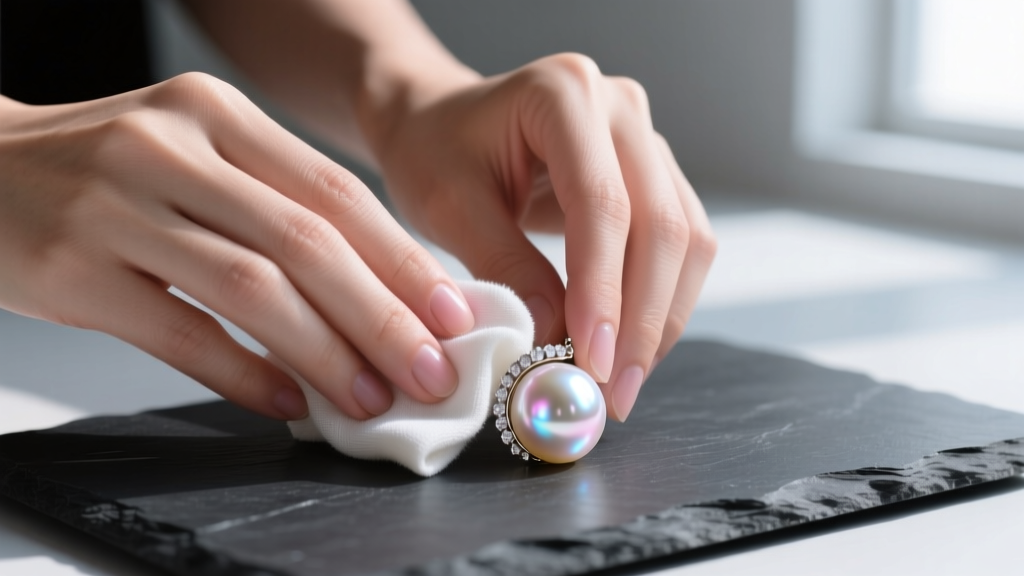
- The Damp Wipe Method: Dampen a clean, untreated microfiber cloth with distilled water (never tap water, which contains chlorine and minerals). Gently wipe the pearl to remove sebum and saline buildup.
- Buffing: Immediately dry the pearl with a second, bone-dry microfiber cloth. Use gentle, circular motions to buff the surface. The mild friction can help realign the surface platelets and restore a degree of luster.
- Mineral Oil Treatment (For Severe Dryness): If the pearl feels excessively dry, apply a microscopic drop of pure, food-grade mineral oil to a cotton swab and lightly coat the pearl. Let it sit for 10 minutes, then buff it completely dry. This rehydrates the conchiolin matrix.
Critical Warning: Never use ultrasonic cleaners, steam cleaners, or commercial jewelry dips on pearl body jewelry. The high-frequency vibrations will shatter the nacre or cause it to peel away from the nucleus in saltwater pearls.
Fixing Loose Pearl Settings and Threading Issues
Because pearls are soft and often perfectly spherical, securing them in body jewelry ends presents a unique engineering challenge. When a pearl becomes loose or falls out entirely, the failure usually traces back to the setting mechanism or the threading type used on the labret or barbell.
Prong vs. Bezel vs. Adhesive
If your pearl fell out, inspect the empty setting. If you see dried, sticky residue, the pearl was glued. Adhesive settings are a massive red flag in body jewelry. Body heat, sweat, and saline rapidly degrade cyanoacrylate and epoxy resins. If a glued pearl pops off, do not attempt to superglue it back in place; the fumes can permanently cloud the nacre, and the bond will inevitably fail again. Upgrade to a mechanically set pearl.
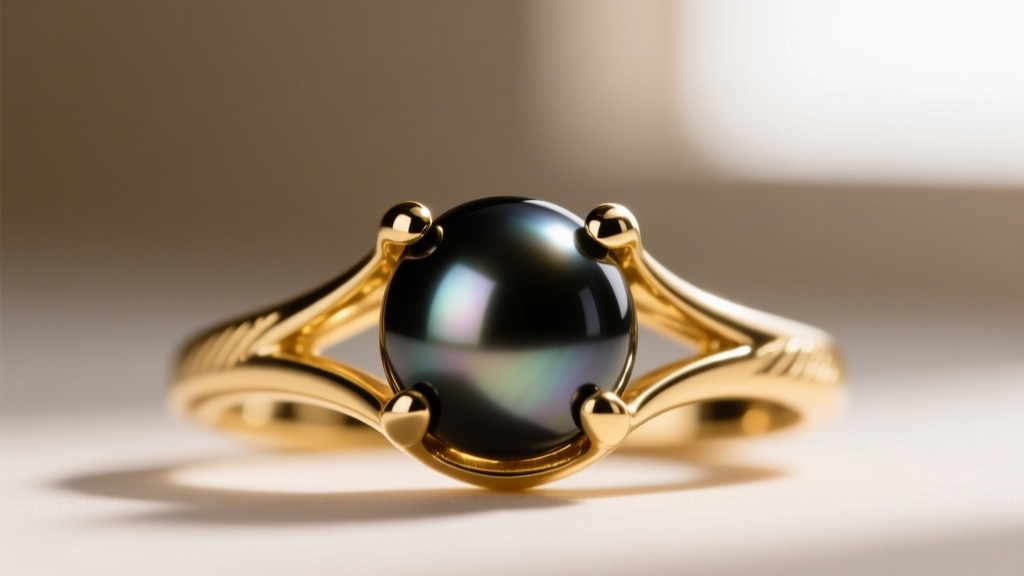
- Bezel Settings: The most secure option. A rim of metal (usually 14k or 18k gold) is pushed tightly around the pearl's equator. If a bezel loosens, a jeweler can use a bezel roller to gently push the metal back against the pearl.
- Prong Settings: Common for showcasing the pearl's full surface. If a prong catches on hair or clothing and bends outward, the pearl will rattle. You can carefully push the prong back into place using a nylon-tipped prong pusher. Avoid steel tools, which will slip and gouge the soft pearl.
Threadless vs. Internally Threaded Ends
For pearl tops, threadless (push-pin) ends are vastly superior to internally threaded ends. When you screw an internally threaded pearl top onto a labret post, the rotational torque is transferred directly to the pearl's setting. Over time, this twisting motion weakens prongs and bezels. Threadless ends rely on the tension of a bent pin, meaning the pearl top is pushed in and pulled out linearly, eliminating rotational stress on the delicate setting.
Material Pairing: Best Metals for Pearl Ends
The metal holding the pearl is just as important as the pearl itself. Galvanic reactions and metal porosity can stain the pearl's surface or cause skin irritation.
- ASTM F136 Implant-Grade Titanium: The gold standard for the post (the part inside the body). However, titanium is difficult to cast with intricate bezels, so prong settings in titanium are often machined and can be bulky.
- 14k or 18k Solid Gold: The preferred metal for the decorative pearl end. Gold alloys can be cast with precise, low-profile bezels that secure the pearl without obscuring it. Ensure the gold is nickel-free and alloyed with palladium or silver.
- Avoid Vermeil and Plating: Gold-plated brass or silver will eventually wear down. When the base metal is exposed to sweat, it oxidizes and can leach copper or brass salts into the porous pearl, causing permanent green or black staining on the nacre.
Preventative Maintenance Framework
Troubleshooting is reactive; maintenance is proactive. Implement this framework to extend the lifespan of your pearl body jewelry, whether you are wearing delicate freshwater pearls or robust South Sea saltwater varieties.
- Daily: Wipe the pearl with a dry microfiber cloth before bed to remove the day's accumulation of sebum and skin cells.
- Post-Shower: Ensure the pearl is completely dry. Trapped moisture between the pearl and the metal setting can cause the metal to oxidize and the conchiolin to rot.
- Activity-Based Removal: Always remove pearl ends before swimming in chlorinated pools, entering hot tubs, or applying chemical hair treatments (perms, bleaches, or relaxers).
- Annual Inspection: Take your high-end pearl body jewelry to a professional piercer or jeweler once a year to have the prongs or bezels checked under magnification for micro-fractures or metal fatigue.
For more detailed guidelines on safe materials and organic gems in body piercings, consult the Association of Professional Piercers (APP) jewelry standards. Additionally, the Gemological Institute of America (GIA) provides extensive gemological data on the structural vulnerabilities of nacre. By respecting the organic nature of pearls and utilizing proper mechanical settings, you can safely enjoy their timeless beauty in your body jewelry curation for years to come.


