Anti Tragus Jewelry on a Budget: Value and Material Guide
Discover the best anti tragus jewelry for your budget. We compare implant-grade titanium, gold, and steel to help you find safe, affordable value.

The Unique Anatomy of the Anti Tragus: Why Cheap Jewelry Fails
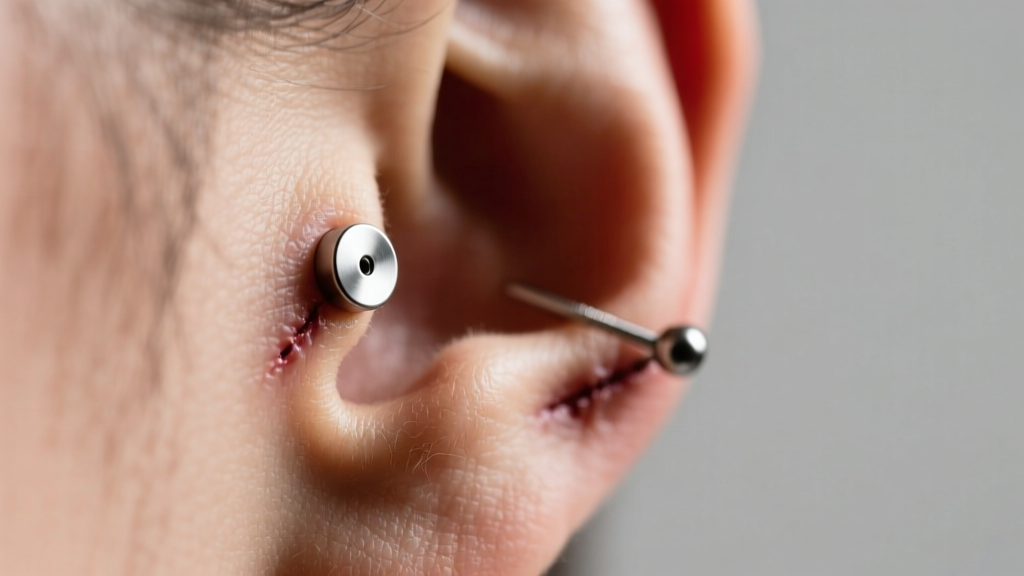
The anti tragus is a small, dense, triangular flap of cartilage situated directly across from the tragus, separated by the intertragic notch. Unlike the soft tissue of a lobe piercing, the anti tragus is composed of thick, rigid cartilage with a highly specific curvature. Because of this unique anatomy, it is notoriously prone to hypertrophic scarring (irritation bumps) and migration if the jewelry creates uneven pressure or introduces reactive metals to the fistula.
When evaluating anti tragus jewelry from a budget perspective, the initial price tag is only a fraction of the true cost. In the 2026 body jewelry market, inflation and supply chain shifts have altered the pricing landscape for precious metals and medical-grade alloys. Buying a $12 mystery-metal hoop from an online marketplace might seem like a steal, but if it triggers a contact dermatitis flare-up or causes an infection requiring medical intervention, your "budget" purchase just cost you hundreds of dollars in doctor visits and ruined piercings. True value in cartilage jewelry is defined by biocompatibility, structural integrity, and long-term wearability.
Material Breakdown: Where to Save and Where to Splurge
Understanding metallurgy is the cornerstone of making smart budget decisions for cartilage piercings. Not all metals are created equal, and the anti tragus demands materials that can withstand friction from headphones, hair, and sleeping habits without degrading.
Implant-Grade Titanium (ASTM F136): The Baseline Standard
If you are on a strict budget, implant-grade titanium (specifically ASTM F136, not just "titanium steel") is your absolute baseline. Priced between $20 and $45 for a high-quality flat back labret, it offers the best cost-to-value ratio in the industry. It is completely nickel-free, lightweight, and can be polished to a mirror finish that minimizes bacterial adhesion. According to the Association of Professional Piercers (APP), implant-grade titanium is the gold standard for initial piercings and sensitive healed fistulas. You are not overspending; you are investing in the minimum viable safety standard.
Solid 14k and 18k Gold: The Premium Investment
Solid gold jewelry ranges from $80 to over $250 per piece, depending on the gemstone settings and brand. While the upfront cost is steep, solid gold holds intrinsic value and does not tarnish. For the anti tragus, 14k gold is often preferred over 18k for everyday wear because the higher alloy content (usually mixed with silver, copper, or zinc) makes the metal slightly harder and more resistant to scratching in a high-friction area. However, you must ensure the gold is alloyed without nickel. Avoid "gold-plated" or "gold vermeil" at all costs; once the microscopic plating wears off from cartilage friction, the reactive base metal will cause severe irritation.
Surgical Steel (316L): The Budget Trap
Surgical steel rings and barbells are ubiquitous and cheap, often costing between $10 and $20. However, 316L stainless steel contains up to 10% nickel. As noted by dermatological resources like Healthline's guide on nickel allergies, prolonged exposure to nickel in a confined, warm space like a piercing fistula frequently leads to allergic contact dermatitis. For a fully healed anti tragus on someone with zero metal sensitivities, surgical steel might be a viable budget option. But for 90% of the population, the risk of a flare-up makes this a poor value proposition.
Style vs. Cost: Labrets, Hoops, and Clickers
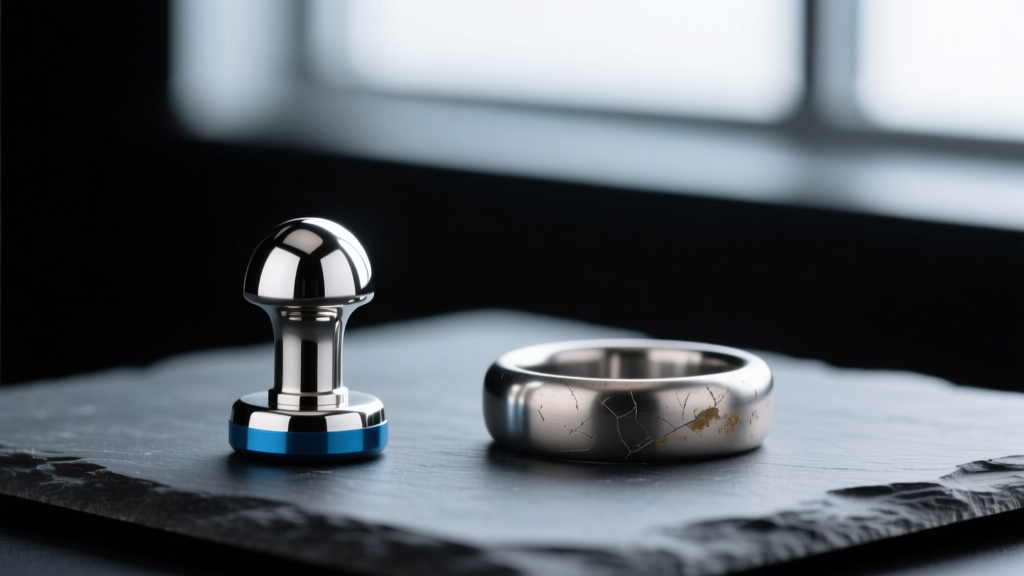
The style of jewelry you choose for your anti tragus heavily dictates both the price and the healing trajectory. Because the anti tragus sits at an awkward angle, certain styles will inherently cause more friction than others.
| Jewelry Style | Average Price Range | Best Use Case | Value Rating |
|---|---|---|---|
| Threadless Flat Back Labret | $25 - $65 | Healing, sleeping, everyday wear | Exceptional |
| Internally Threaded CBR | $15 - $35 | Classic look, fully healed ears | Good |
| Hinged Segment Clicker | $40 - $95 | Easy changes, seamless appearance | High (if healed) |
| Seam Ring (Endless Hoop) | $12 - $25 | Strict budgets, temporary wear | Poor (snag risk) |
The Threadless Advantage: Threadless (push-pin) labrets are widely considered the best value for cartilage. The tension-fit mechanism means there are no microscopic threads to harbor bacteria, and the flat back sits flush against the intertragic notch, preventing the "cheese-cutter effect" where heavy jewelry slowly migrates through the tissue. While the initial purchase of a threadless post and decorative end might cost $45, the modular nature allows you to buy cheaper new ends later without replacing the post.
Gauge and Sizing: The Hidden Costs of Poor Fit
A common budget mistake is buying generic, one-size-fits-all jewelry from fast-fashion retailers. The anti tragus requires precise sizing. The standard gauge is 16G (1.2mm), though some piercers opt for 18G (1.0mm) for smaller anatomies. Buying a 20G ring that is too thin will increase the risk of migration and rejection.
Furthermore, post length is critical. A fresh anti tragus piercing requires an 8mm (5/16") post to accommodate swelling. Once healed, you must downsize to a 5mm or 6mm (3/16" or 1/4") post. Wearing an 8mm post in a healed anti tragus leaves excess metal sticking out the back, which will catch on hair and pillows, leading to chronic irritation bumps. Paying a professional piercer $15 to $20 for a proper downsizing and fit-check is a mandatory budget line item that saves you months of healing setbacks.
The "Cost Per Wear" Framework for Cartilage
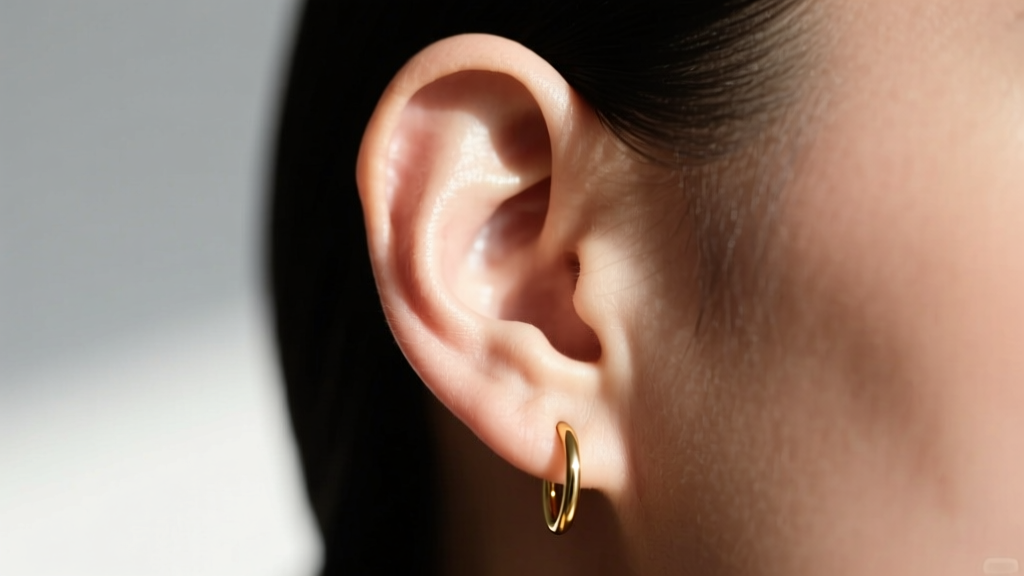
To truly assess budget and value, adopt the Cost Per Wear (CPW) framework. Cartilage jewelry is worn 24/7, 365 days a year.
If you purchase a $150 solid 14k gold threadless end and wear it daily for five years, your CPW is roughly $0.08 per day. Conversely, if you buy a $15 gold-plated brass ring that tarnishes, causes an irritation bump, and forces you to buy a $30 titanium replacement and a $40 bottle of sterile saline spray to fix the damage, your actual cost was $85 for a piece of jewelry you can no longer wear.
When budgeting for anti tragus jewelry, allocate your funds toward a high-quality, mirror-finished base (like an ASTM F136 titanium labret post) and save on the decorative end. Many reputable brands offer threadless ends featuring high-quality synthetic gems (like cubic zirconia or lab-grown sapphires) set in titanium for under $25. This gives you the sparkle of fine jewelry without the premium markup of natural diamonds or solid gold settings.
Final Verdict: Building a Budget-Friendly, Safe Collection
Navigating the market for anti tragus jewelry on a budget does not mean compromising on safety. By prioritizing implant-grade titanium, opting for threadless flat back labrets over seam rings, and ensuring exact gauge and length measurements, you can build a highly functional, aesthetically pleasing jewelry collection without breaking the bank. Remember that the anti tragus is an unforgiving piercing; it demands precision, biocompatibility, and low-profile designs. Invest in the metal that touches your skin, and let your budget dictate the size of the gemstone, not the integrity of the alloy.


