Budget Conch Piercing Jewelry: 2026 Value & Cost Guide
Discover the best budget conch piercing jewelry in 2026. Compare ASTM F-136 titanium costs, gauge sizes, and value picks for safe, affordable healing.

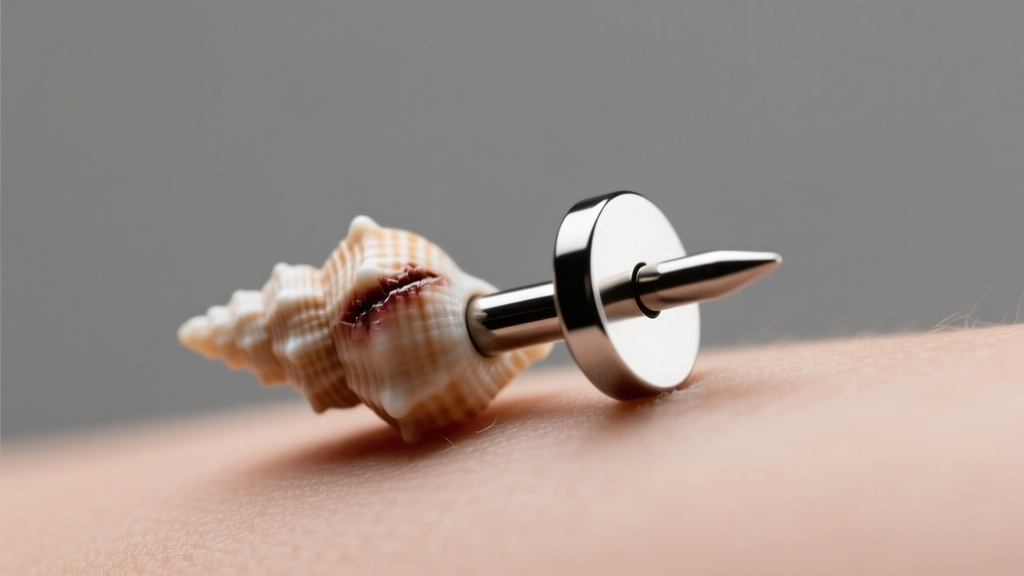
The True Cost of Cheap Cartilage Jewelry
When evaluating conch piercing jewelry on a budget, the line between a smart financial decision and a costly medical mistake is razor-thin. The conch is a dense, highly vascularized area of ear cartilage that requires precise jewelry dimensions and biocompatible materials to heal correctly. In 2026, the market is flooded with ultra-cheap online options, but saving ten dollars on a mystery-metal barbell often leads to hypertrophic scarring, contact dermatitis, and expensive piercer interventions.
True value in body jewelry is not about finding the absolute lowest price tag; it is about maximizing the ratio of material safety and mechanical precision to cost. This guide breaks down exactly where you can safely cut costs on conch jewelry and where you must spend your money to protect your cartilage.
Material Breakdown: Where to Spend and Where to Save
The single most critical factor in healing a conch piercing is the metal alloy resting inside the fistula. According to the Association of Professional Piercers (APP), only specific grades of metal are considered safe for fresh cartilage piercings. Budget buyers often mistakenly opt for 'surgical stainless steel,' which contains up to 10% nickel—a known allergen that causes severe irritation bumps in the conch.
| Material Grade | Average Cost (14g Labret) | Healing Safety | Best For |
|---|---|---|---|
| ASTM F-136 Implant Grade Titanium | $12 - $28 | Excellent (Nickel-Free) | Initial Healing & Long-Term |
| Niobium (Un-anodized) | $10 - $20 | Very Good | Budget Hoops & Clickers |
| 316L Surgical Steel | $3 - $8 | Poor (Contains Nickel) | Healed Piercings Only |
| Acrylic / Bioflex | $2 - $5 | Dangerous (Porous) | Never Use in Cartilage |
The Value Verdict: Never compromise on ASTM F-136 titanium for your initial conch stud. Brands like NeoMetal or BodyArtForms offer un-anodized, un-gemmed titanium labret posts for under $15. This is the ultimate budget hack: buy a high-grade, plain titanium post for healing, and save your money to buy decorative ends later.
Sizing the Conch: Gauge and Diameter Specifications
A common budget mistake is buying a 'one-size-fits-all' hoop from a fast-fashion retailer. The conch requires highly specific inner diameters to prevent pressure necrosis (where the jewelry cuts into the cartilage due to swelling).
Standard Conch Sizing Chart
- Initial Stud Gauge: 14g (1.6mm) or 16g (1.2mm). 14g is preferred by professional piercers to reduce the 'cheese-cutter effect' if the ear is snagged.
- Initial Post Length: 1/4" (6mm) to 5/16" (8mm) to accommodate the massive swelling typical of deep cartilage wounds.
- Down-sized Post Length: 3/16" (5mm) to 1/8" (3mm) after 4-8 weeks once swelling subsides.
- Healed Hoop Inner Diameter: 3/8" (10mm) for inner conch, 5/16" (8mm) for outer conch edge placements.
"Buying a hoop that is too tight for a healing conch is the number one reason clients return with embedded jewelry. Always budget for a professional down-sizing appointment and a custom-fitted titanium stud." — Senior Piercer, 2026 Industry Safety Report.
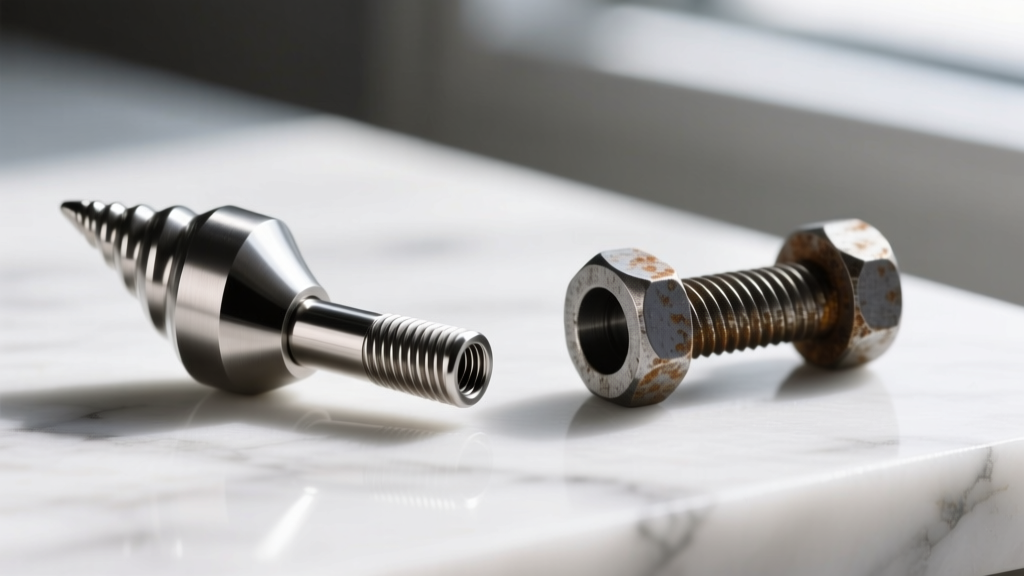
The Hidden Cost of Threading Mechanics
If you are buying threaded conch piercing jewelry, the threading style dictates the longevity and safety of the piece. Budget jewelry almost universally features external threading, where the screw-like ridges are on the post itself. When you push an externally threaded post through a fresh conch piercing, those sharp metal ridges act like a cheese grater, tearing the delicate healing tissue and introducing microscopic metal shards into the wound.
Why Threadless (Press-Fit) is the Ultimate Budget Hack
High-end internally threaded jewelry (where the post is smooth and the screw is inside the decorative end) can cost $40 to $80+ per piece. However, threadless (press-fit) jewelry offers the same tissue-safe smooth insertion at a fraction of the cost. A threadless titanium pin and a basic gem end can often be sourced for $18 to $25 total. The pin bends slightly to create tension inside the hollow post, meaning no threading is required, and the insertion is completely smooth. For budget-conscious collectors, building a collection of threadless ends that swap onto a single high-quality titanium post is the most cost-effective strategy in 2026.
Top Value Brands for Conch Piercings in 2026
Navigating the market requires knowing which brands offer genuine implant-grade materials without the luxury boutique markup. Here is how the top value tiers stack up:
- Tier 1: The Gold Standard (BVLA, Anatometal) - $35 to $100+. Incredible craftsmanship, lifetime warranties, but not budget-friendly for initial healing.
- Tier 2: The Value Champions (NeoMetal, BodyArtForms) - $12 to $30. This is your sweet spot. NeoMetal's threadless system is industry-standard, and their plain titanium ends are affordable, safe, and sleek.
- Tier 3: The Budget Hoops (Sleepers & Seam Rings) - $8 to $15. Look for ASTM F-136 titanium continuous seam rings or niobium clickers for healed conches. Avoid cheap hinged segment rings, as the hinge mechanism often traps bacteria and fails mechanically.
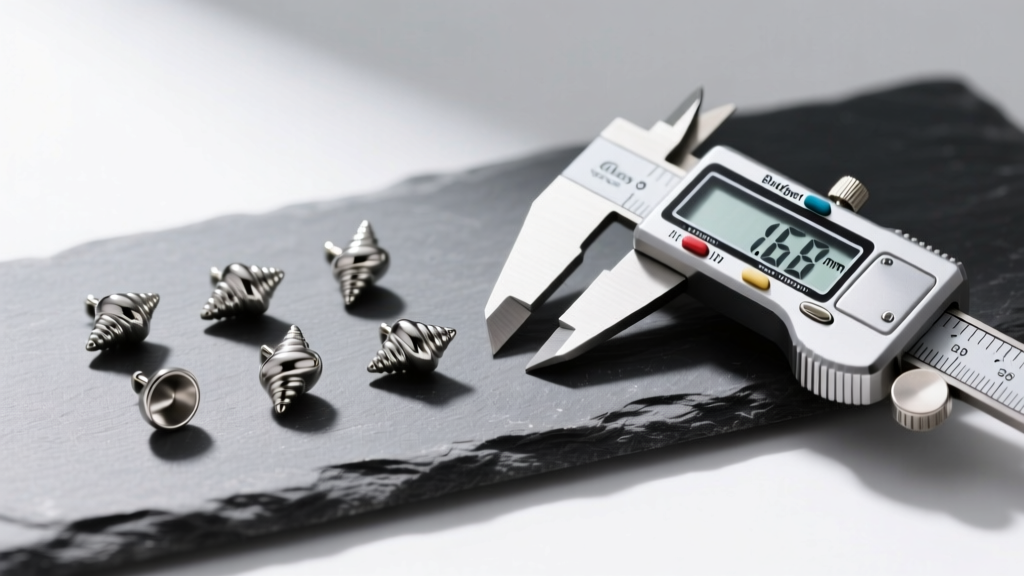
Hidden Costs: Installation and Up-Sizing
When calculating your budget for conch piercing jewelry, you must factor in the service fees associated with proper jewelry changes. The APP FAQ guidelines strongly advise against changing your own initial cartilage jewelry. A reputable piercer will typically charge a $10 to $20 'jewelry change fee' to safely swap your initial long post for a shorter, fitted one once the swelling drops.
Furthermore, if you attempt to force a cheap, poorly polished hoop into a healing conch, you risk causing a granuloma or an infection that will require medical treatment, completely wiping out any money you saved on the jewelry itself. True value assessment means viewing the jewelry and the professional installation as a single, inseparable investment.
Conclusion: Building a Value-First Conch Stack
Achieving a beautiful, healthy conch piercing on a budget is entirely possible if you prioritize material science over flashy designs. Stick to un-anodized ASTM F-136 titanium labret studs for the initial 6-to-9-month healing phase. Utilize threadless systems to save money on decorative ends, and always budget for professional installation and down-sizing. By making these strategic, informed choices, you ensure your cartilage heals flawlessly without draining your wallet.


