2026 Daith Jewelry Trends: Clickers, Metals & Curated Ear Styling
Discover 2026 daith jewelry trends, from implant-grade titanium clickers to solid gold hoops. Expert styling tips for the perfect curated ear aesthetic.

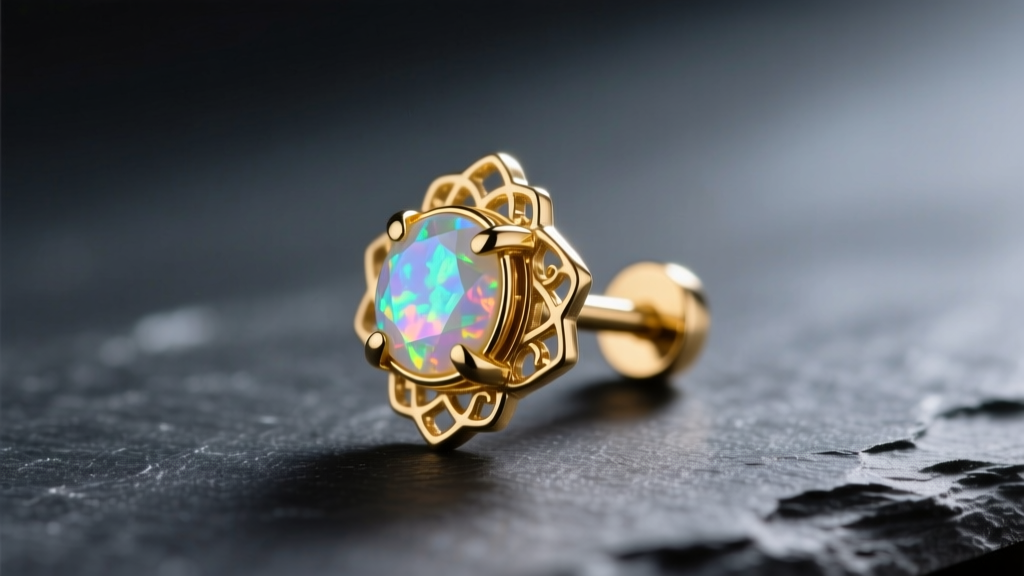
The daith piercing has officially graduated from a niche, hidden cartilage fold to the undisputed focal point of the modern curated ear. As we navigate the style landscape of 2026, the approach to daith jewelry has become vastly more sophisticated. Gone are the days of relying solely on basic, difficult-to-insert captive bead rings. Today’s collectors and piercing enthusiasts demand precision engineering, biocompatible metallurgy, and seamless aesthetic integration.
Whether you are healing a fresh puncture or upgrading a mature fistula, understanding the current trends in daith adornment is critical. This guide breaks down the mechanical, material, and stylistic shifts defining daith jewelry this year.
The Shift from Captive Bead Rings to Seamless Clickers
For decades, the Captive Bead Ring (CBR) was the default choice for daith piercings. However, the modern piercing community has largely abandoned them in favor of the hinged segment clicker. The transition is driven by both hygiene and aesthetics.
CBRs rely on the tension of the ring to hold a small metal bead in place. Over time, this tension weakens, leading to lost beads and irritated fistulas. Furthermore, the gap where the bead sits can harbor bacteria and crust, complicating the healing process. Clickers, conversely, feature a precision-machined hinge on one side and a flush segment closure on the other. When snapped shut, they produce an audible 'click' and create a virtually seamless hoop.
"The engineering of modern clickers allows for a flush closure that mimics a continuous ring, eliminating the snag hazards inherent to traditional CBRs." — Journal of Body Modification Engineering, 2025
In 2026, we are seeing clickers with intricate, lace-like segment closures and hidden hinges that make the jewelry look like it was cast as a single, unbroken piece of metal. This not only elevates the visual appeal but drastically reduces the risk of contact dermatitis caused by trapped debris.
Material Metallurgy: What’s Safe for the Daith in 2026?
The daith is a dense, thick fold of cartilage that takes anywhere from 6 to 12 months to fully heal. Because of the prolonged healing window and the constant movement of the ear, material biocompatibility is non-negotiable. The Association of Professional Piercers (APP) strictly advises against 'surgical steel' due to its variable nickel content.
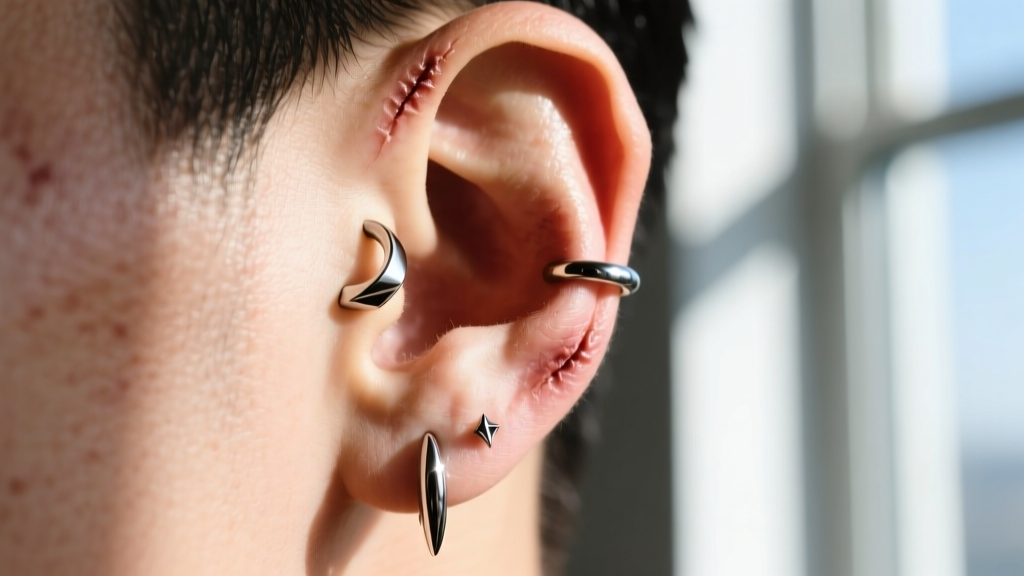
The current market is dominated by two premium materials:
- ASTM F136 Implant-Grade Titanium: The gold standard for fresh piercings. It is entirely nickel-free, lightweight, and can be anodized to produce vibrant colors without using surface dyes or platings that could flake off inside the fistula.
- 14k and 18k Solid Gold: For healed daiths, solid gold remains the ultimate luxury. However, it must be alloyed for body safety. In 2026, top-tier manufacturers use palladium or silver alloys rather than nickel to ensure the gold remains hypoallergenic while achieving the desired yellow, rose, or white hues.
Material Comparison & Pricing Guide
| Material Grade | Nickel-Free? | Average Price Range (USD) | Best Use Case |
|---|---|---|---|
| ASTM F136 Titanium | Yes | $35 - $75 | Fresh piercings, sensitive skin, anodized colors |
| Niobium | Yes | $25 - $50 | Budget-friendly safe metals, dark anodized tones |
| 14k Solid Gold (Palladium Alloy) | Yes | $180 - $350 | Healed piercings, luxury daily wear |
| 18k Solid Gold (Gem-Set) | Yes | $350 - $900+ | High-end curated ear styling, special occasions |
Sizing and Anatomical Fit: The 16-Gauge Standard
One of the most common mistakes consumers make when shopping for daith jewelry online is guessing the dimensions. The daith requires precise inner diameter (ID) and gauge measurements to avoid the dreaded 'cheese-cutter effect'—a phenomenon where a wire that is too thin slowly migrates through the cartilage due to pressure.
The industry standard gauge for a daith is 16g (1.2mm). While some piercers use 14g (1.6mm) for the initial piercing to provide extra stability, 16g is the most widely available size for decorative clickers. If your piercing was done at 14g, you must wear 14g jewelry or have a professional taper it down; forcing a 16g ring into a 14g hole will cause micro-tears.
Dialing in the Inner Diameter (ID)
The ID dictates how snugly the hoop hugs the cartilage fold.
- 8mm (5/16"): Best for smaller ears or those who prefer a tight, 'hugging' fit that won't flip upward.
- 9mm to 9.5mm (3/8"): The most common standard size, offering a balanced look with enough room for swelling during the healing phase.
- 10mm to 11mm: Reserved for larger cartilage folds or those who prefer a loose, dangling aesthetic.
Troubleshooting the "Flip"
A frequent complaint with daith hoops is that they flip upside down, resting awkwardly against the inner conch rather than sitting in the daith fold. This usually happens when the ID is too large or the jewelry is too lightweight. To combat this, 2026 trendsetters are opting for bottom-weighted clickers. These designs feature a thicker gauge or a cluster of gemstones at the 6 o'clock position, using gravity to keep the hinge perfectly positioned at the top of the fold.
2026 Styling Trends: The Curated Daith
The daith no longer exists in isolation. In 2026, it serves as the anchor for the 'Constellation Ear'—a styling technique where multiple piercings are coordinated to mimic star patterns or geometric flows.
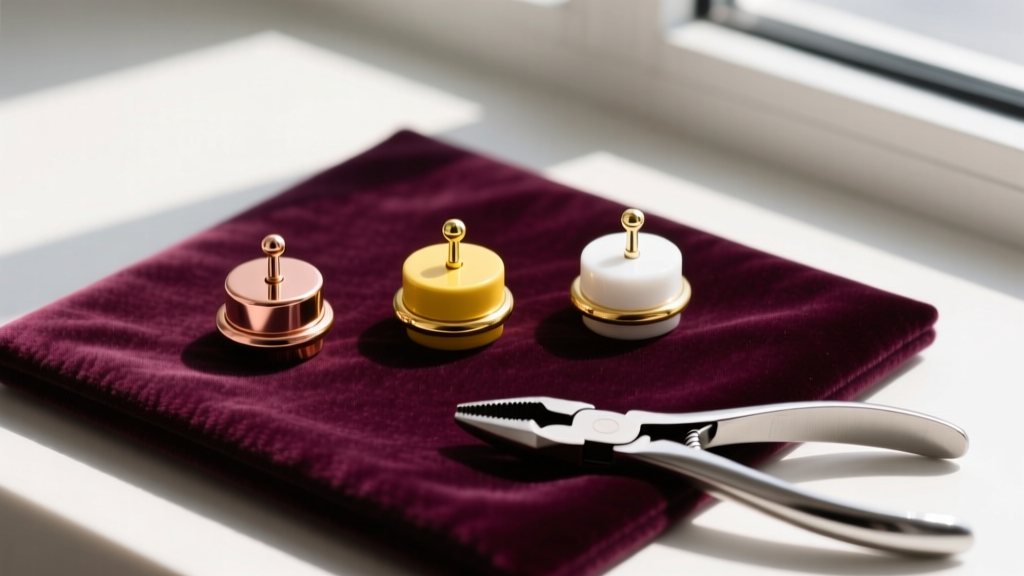
The prevailing trend is textural contrast. If your daith features a highly detailed, ornate clicker (such as a floral-motif or rope-edge design), piercers recommend pairing it with minimalist, high-polish flat-back labrets in the flat and conch. Conversely, if you prefer a simple, polished titanium daith hoop, you can balance the ear with elaborate, gem-encrusted threadless ends in the surrounding piercings.
Gemstone trends have also shifted away from perfectly clear, traditional diamonds. Salt-and-pepper diamonds, lab-grown sapphires in teal and peach hues, and raw, uncut emeralds are dominating high-end daith clickers. These stones catch the light differently, offering a moody, organic vibe that pairs beautifully with the natural contours of the ear.
Expert Sourcing: Where to Buy Authentic Daith Jewelry
When investing in premium body jewelry, provenance is everything. The market is flooded with counterfeit 'titanium' and gold-plated steel that can cause severe allergic contact dermatitis. To ensure you are getting authentic, body-safe materials, stick to established, APP-compliant manufacturers.
Brands like BVLA (Body Vision Los Angeles), Anatometal, and Industrial Strength are the holy trinity of high-end body jewelry. They provide mill-certificates for their gold and titanium, ensuring exact alloy compositions. For those seeking bespoke, avant-garde clickers, independent artisans on platforms like Instagram who specialize in small-batch, cast-in-place gemstone jewelry are pushing the boundaries of 2026 daith design.
Ultimately, the perfect piece of daith jewelry is a marriage of flawless anatomical fit, uncompromising material safety, and personal aesthetic expression. By prioritizing precision clickers and biocompatible metals, you ensure your curated ear remains as healthy as it is visually striking.


