The True Cost of 2 Carat Diamond Earrings in 2026: Trend Analysis
Discover the true cost of 2 carat diamond earrings in 2026. We analyze pricing trends, lab-grown vs. natural markets, and setting styles.

Decoding the Terminology: TCW vs. Per-Ear Carat Weight
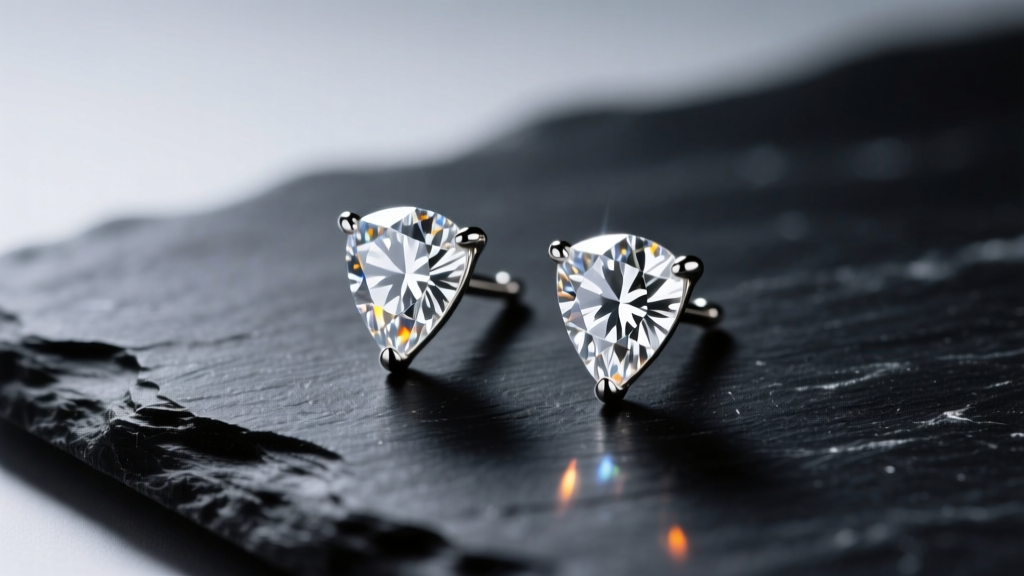
When analyzing the cost of 2 carat diamond earrings, the first hurdle for consumers and industry analysts alike is deciphering the terminology. In the fine jewelry sector, '2 carat' almost universally refers to Carat Total Weight (CTW or TCW). This means the combined weight of both earrings is 2.00 carats, resulting in a 1.00-carat diamond per ear. A 1.00-carat round brilliant diamond measures approximately 6.5mm in diameter, offering substantial presence on the lobe without overwhelming the wearer's profile. However, if a buyer is specifically seeking 2.00 carats per ear (a massive 4.00 CTW), the pricing structure shifts exponentially due to the rarity of large rough stones. For this 2026 trend analysis, we will focus on the industry-standard 2.00 CTW (1.00 ct per ear) benchmark, which remains the most requested milestone for luxury gifting and self-purchases.
The 2026 Market Shift: Natural vs. Lab-Grown Pricing Divergence
The most significant factor influencing the cost of 2 carat diamond earrings today is the widening price gap between earth-mined and lab-grown diamonds. Over the past few years, advancements in Chemical Vapor Deposition (CVD) technology have drastically reduced the production costs of lab-grown stones. According to market data tracked by the Rapaport Diamond Report, wholesale prices for lab-grown diamonds have experienced continuous double-digit percentage declines year-over-year, fundamentally altering the retail landscape.
In 2026, a natural 2.00 CTW pair of earrings with excellent cut, G color, and VS2 clarity will typically command between $12,500 and $18,000, depending on the retailer's overhead and brand prestige. Conversely, an identical 2.00 CTW lab-grown pair with the exact same visual and chemical specifications now retails between $1,600 and $3,200. This massive arbitrage has pushed lab-grown diamonds from a 'budget alternative' into the mainstream luxury space, allowing buyers to prioritize ideal cut grades and premium platinum settings without sacrificing stone size.
Comprehensive Cost Breakdown Matrix
To understand where your budget is actually going, we must isolate the variables. The table below outlines the estimated 2026 retail price ranges for a 2.00 CTW pair (1.00 ct per ear) based on origin and quality tiers. These estimates assume a standard 14k white gold martini setting and include GIA or IGI certification.
| Origin | Color / Clarity | Cut Grade | Est. 2026 Retail Price (2.00 CTW) | Price Per Carat (Approx) |
|---|---|---|---|---|
| Natural | D / VVS1 | Excellent | $22,000 - $28,000 | $11,000+ |
| Natural | G / VS2 | Excellent | $12,500 - $18,000 | $6,250+ |
| Natural | I / SI1 | Very Good | $7,500 - $10,500 | $3,750+ |
| Lab-Grown | E / VVS1 | Ideal | $2,800 - $4,200 | $1,400+ |
| Lab-Grown | G / VS2 | Ideal | $1,600 - $2,800 | $800+ |
How Setting Styles and Metals Impact the Final Price Tag
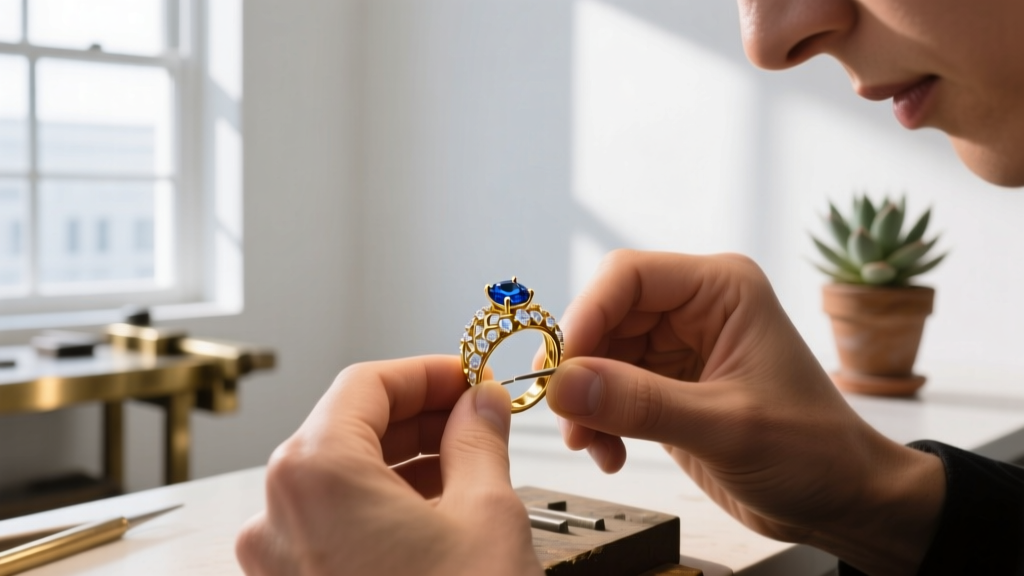
The diamond is only one half of the equation. The setting style and precious metal choice directly impact both the aesthetic and the final cost of 2 carat diamond earrings. Because 1.00-carat stones carry noticeable physical weight (approx. 0.2 grams each), structural integrity is paramount.
- The 3-Prong Martini: The most classic and cost-effective setting. It uses minimal metal, allowing maximum light return and keeping setting costs low (adding roughly $250 - $400 for 14k gold). However, on larger 1.00ct stones, martinis can 'droop' forward on softer earlobes if the post isn't perfectly calibrated.
- The 4-Prong Basket: Offers superior support for a 6.5mm stone. The horizontal gallery wire prevents the diamond from tilting. Expect to pay an additional $150 over a martini setting due to increased metal weight and labor.
- The Halo Setting: A popular trend for maximizing visual spread. A micro-pave halo of melee diamonds surrounds the center stone, making a 0.75ct center look like a 1.50ct stone. This style adds $600 - $1,200 to the base cost due to the extra melee diamonds and intricate casting work.
- Bezel Settings: Modern and highly secure, wrapping the diamond in a continuous metal rim. Bezels require precise CAD modeling to ensure the metal lip doesn't obstruct light, adding a 15-20% premium to the setting fabrication cost.
Metal Upgrades: While 14k white gold is the baseline, upgrading to 18k yellow gold will add approximately $150 to $250. Upgrading to Platinum, which is denser, hypoallergenic, and highly durable, will add $400 to $700 to the total cost of the earrings.
The Hidden Costs: Certification, Backings, and Insurance
When budgeting for the cost of 2 carat diamond earrings, buyers frequently overlook the peripheral expenses that ensure the longevity and security of their investment.
1. The Certification Premium
Never purchase 2.00 CTW earrings without independent grading reports. For natural diamonds, the Gemological Institute of America (GIA) remains the gold standard. A pair of GIA-graded naturals will carry a premium of 10-15% over those graded by lesser-known labs due to stricter color and clarity grading standards. For lab-grown diamonds, the International Gemological Institute (IGI) has historically dominated, but GIA's expanded lab-grading services in recent years have created a new tier of premium, fully-certified lab stones.
2. Secure Backings (La Pousette vs. Friction)
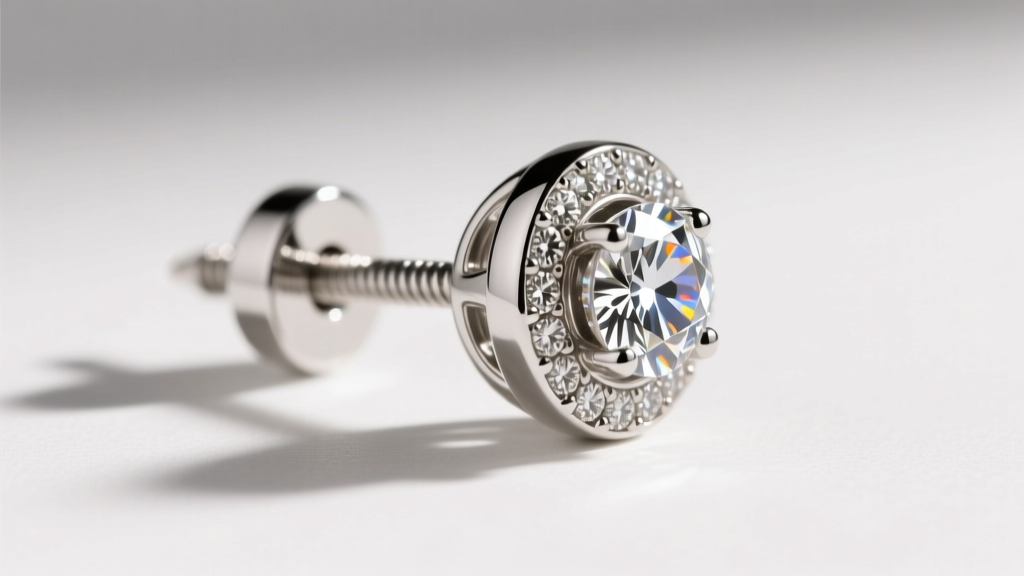
Standard 'butterfly' friction backs are insufficient for 1.00-carat stones. The weight of the diamond will slowly pull the earring downward, stretching the earlobe piercing over time. In 2026, high-end jewelers strongly recommend La Pousette backs (which operate via a mechanical spring-loaded clutch) or screw-backs. Upgrading to specialized secure backings typically costs an additional $80 to $150 per pair, a mandatory expense for protecting a five-figure investment.
Expert Buying Framework for 2026
To optimize the cost of 2 carat diamond earrings without sacrificing visual brilliance, follow this structural buying framework:
The 'Cut-First' Compromise: Because earrings are viewed from a distance and rarely subjected to the direct, angled scrutiny of an engagement ring, you can safely drop one tier in Color and Clarity to afford a superior Cut. A pair of H-color, SI1-clarity diamonds with an 'Excellent' cut grade and optimal light performance (verified via ASET or Ideal-Scope imaging) will outspark a D-color, VVS1 diamond with poor proportions every single time.
Furthermore, always request that the jeweler 'match' the stones not just by the 4Cs on paper, but by physical diameter (within 0.1mm) and fluorescence levels. Mismatched fluorescence can cause one earring to appear hazy or slightly yellow under UV-rich sunlight, ruining the symmetry of the pair.
Final Verdict: Navigating the 2026 Landscape
The cost of 2 carat diamond earrings is no longer a monolithic figure; it is a highly customizable spectrum dictated by origin, setting mechanics, and certification. The natural diamond market has stabilized into a niche for heritage buyers and investment-minded collectors, while the lab-grown sector has democratized the 6.5mm stud, making premium quality accessible at a fraction of the historical cost. By allocating your budget toward ideal cut grades, structural basket settings, and secure mechanical backings, you ensure that your earrings remain a brilliant, secure, and timeless staple in your jewelry wardrobe for decades to come.


